REVIEW · KYOTO
Kyoto Ramen & Gyoza Cooking Class with Professional Chefs
Book on GetYourGuide →Operated by MagicalTrip · Bookable on GetYourGuide
Ramen feels different when you knead it yourself. This Kyoto cooking class turns a plate of comfort food into a hands-on skill session, with professional chefs guiding you through ramen noodles and the extras that make the meal complete. You’ll also have an English-speaking local guide to keep everything clear, from dough to dumplings.
I love the moment you start making ramen from scratch—kneading, cutting, and then topping your own noodles. I also like that the class is designed as a full eating plan, not just a demo: you’ll wrap gyoza and enjoy them with two included drinks (beer, sake, or soft drinks). One simple upside of the format is that you get results fast, so you’re not just learning—you’re eating what you make.
One possible drawback: dietary restrictions are limited. Vegetarian, vegan, and gluten-free requests can’t be accommodated, and allergy-free meals aren’t guaranteed since cooking happens outside MagicalTrip kitchens. If you’re traveling with a specific need, you’ll want to plan ahead.
In This Review
- Key highlights worth circling
- Ramen, gyoza, fried rice in 150 minutes: what you’ll actually make
- Finding the class: Latitude 35° Story Monument and MagicalTrip
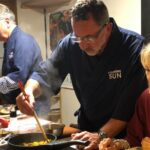
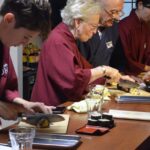
- Inside the kitchen: how the ramen and gyoza workflow feels
- Pro-chef guidance: where you’ll lead and where chefs steer
- A meal you can taste right away: drinks, pacing, and satisfaction
- A quick ramen timeline: why this class feels cultural, not just culinary
- Price and value: is $83 in Kyoto reasonable?
- Who should book this class (and who might want a different option)
- Photo memories and take-home recipes: what you’ll use after Kyoto
- Quick practical checklist before you go
- Should you book the Kyoto Ramen & Gyoza Cooking Class?
- FAQ
- How long is the Kyoto ramen and gyoza cooking class?
- What dishes will I learn to make?
- Are drinks included, and can I choose what I drink?
- Is the class taught in English?
- How big is the group?
- What’s the meeting point in Kyoto?
- Can I request vegetarian, vegan, or gluten-free options?
- What age is the class suitable for?
- Can I get a refund if I cancel?
Key highlights worth circling
- From-scratch ramen noodles: you knead dough, cut noodles, and finish with toppings you help build
- Your own gyoza, pan-fried: wrap the dumplings and watch them turn crisp
- A full trio meal: ramen, gyoza, and fried rice all come together into one sitting
- English guidance that matters: guides such as Rika, Yuki, and Ken have been praised for clear translation and keeping everyone on track
- Photo and recipe take-home: you’ll get tour photos by email plus downloadable recipes to recreate later
Ramen, gyoza, fried rice in 150 minutes: what you’ll actually make
This is a 150-minute, small-group cooking class where your hands do most of the work. The menu is a tight, classic set: ramen, gyoza, and fried rice. The value here is that you’re not sampling three unrelated items—you’re learning a Japanese comfort-food meal system: noodles + dumplings + fried rice on the side.
Expect a real workflow. You start with dough work for ramen, then you shift to gyoza wrapping, then you cook fried rice as the meal comes together. That rhythm helps a lot if you’re a first-timer. You’ll get the sense of how Japanese home cooking and casual cooking-shop routines fit together, without needing to memorize a complicated recipe book before you start.
Also, this is an experience where hunger is part of the plan. You’re working, then you’re eating. That keeps the energy up and makes the class feel like dinner—not a lecture.
You can also read our reviews of more tours and experiences in Kyoto.
Finding the class: Latitude 35° Story Monument and MagicalTrip
Meeting point details are clear and easy to follow. You’ll meet in front of the Latitude 35° Story Monument (北緯35°物語), with your guide holding an orange MagicalTrip signboard.
This matters more than it sounds. Cooking classes can lose momentum if people trickle in late or can’t locate the group. Here, they start on time, and late arrivals can’t join. So set your Kyoto timing like you would for a train: arrive a bit early, get your bearings fast, then settle in.
Language is English. If you’ve struggled with menus in Japan before, this is the kind of setup that reduces stress. You’ll be able to ask questions in real time while you cook.
Inside the kitchen: how the ramen and gyoza workflow feels
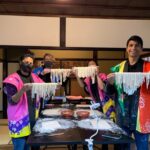
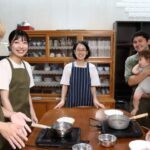
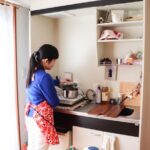
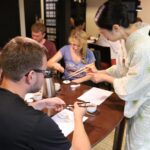
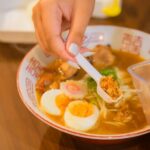
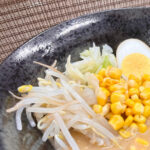
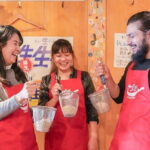
The ramen part is the centerpiece. You’ll knead the dough, cut the noodles, and then top them. That step-by-step progression is the difference between eating ramen and understanding ramen. Once you’ve cut noodles yourself, you start noticing textures—springiness, thickness, and how toppings balance richness.
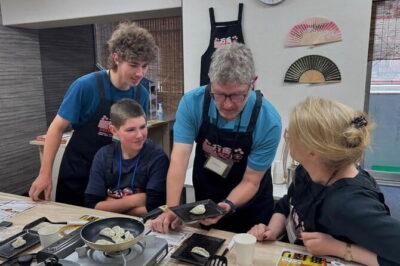
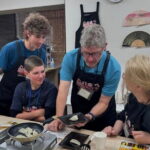
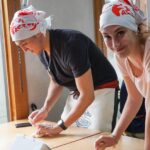
Gyoza is the other big skill moment. You’ll wrap the dumplings, then cook them so they come out crisp and satisfying. Dumplings are one of those foods where small technique differences matter, but the class format keeps it manageable. You aren’t expected to be a professional chef. You’re expected to follow the process, repeat it, and enjoy the result.
Fried rice rounds it out. It’s a good move to include it because it teaches you the “how do these flavors get used up?” side of Japanese home cooking. It also means you’re not ending the class with only one dish. You’ll leave with a broader picture of how this comfort-food trio lands on the table.
Pro-chef guidance: where you’ll lead and where chefs steer
You’re learning from professional chefs, not just a friendly host. That chef expertise shows up most when things are hands-on and timing-sensitive—like noodle handling, pan heat, and the moment gyoza turns from soft to crisp.
At the same time, you should know the class is built for a group of up to 8 participants, so the pacing may not be identical for every person. Some steps can be more demonstration-style, while others are hands-on. One consideration to keep in mind is that not every task will feel equally active. You might find yourself cutting or prepping only a portion of the time, depending on how the station is set up and how fast the group moves.
The upside: professional chefs can correct mistakes quickly. You’ll get the kind of guidance that keeps your noodles from turning into a sticky science project or your gyoza from staying too pale.
English support is real. Guides such as Rika, Yuki, Ayuri, and Ken have been highlighted for translation and for making sure everyone understands what the chef is doing. That’s a big deal when you’re watching hands move in real time.
A meal you can taste right away: drinks, pacing, and satisfaction
This class is structured to feed you, not just teach you. You’ll get a meal of ramen, gyoza, and fried rice, plus two drinks included in the price. Options include beer, sake, and soft drinks.
The drink pairing is part practical, part fun. Gyoza and ramen both benefit from a bit of acidity and warmth—sake can complement richness, and beer can cut through fried textures. Even if you’re going with soft drinks, it still turns the meal into a proper sit-down dinner.
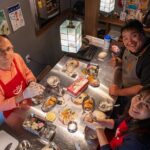
Pacing is one of the quiet strengths. You aren’t stuck waiting forever for the “real food” to arrive. As your hands complete tasks, your stations transition, and the meal builds around what you made. Several guides were praised for being attentive—refilling drinks quickly and taking lots of photos—so the whole session feels like it has momentum.
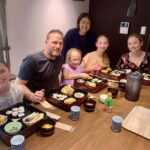
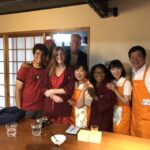
If you’re coming to Kyoto specifically because you want a food experience that’s social, this is also a comfortable format for meeting people. The small group size helps conversation stay easy without feeling like you’re stuck in a loud room.

A quick ramen timeline: why this class feels cultural, not just culinary
Ramen in Japan isn’t a single invention with one origin story. It’s a long-running evolution of noodle culture and soup-making that became wildly popular.
You’ll hear context on how ramen arrived and spread. One commonly shared timeline includes 1697, when Tokugawa Mitsukuni (known as Mito Kōmon) was said to have been the first Japanese person to eat it. Later, in 1910, the Rairaiken restaurant in Asakusa helped bring ramen into the mainstream, setting off a nationwide craze that continues today.
That history matters for this class because you’re not just cooking noodles. You’re participating in a tradition that grew from everyday eating—then turned into thousands of local styles and house specialties. Once you’ve made your own bowl, even in a simplified, teachable version, you’ll feel why people in Japan argue about thickness, broth strength, and toppings like it’s sports.
Price and value: is $83 in Kyoto reasonable?
At $83 per person for a 150-minute hands-on class, you’re paying for a mix of things that add up: professional chef instruction, small-group stations, two included drinks, and a full meal. You’re also getting take-home materials—downloadable recipes—and tour photos sent by email.
A good way to judge value is to compare it to what you’d pay for dinner plus a cooking experience. In many cities, a high-quality cooking class alone can cost around this level, and it often doesn’t include an entire meal with drinks. Here, the class is meal-centered: you’re leaving with food you made, not just tasting a small portion.
The small group limit (8 participants) is another part of the value. Fewer people means better chances of getting help when your hands do something slightly off—especially with noodles and dumpling shaping.
If you love food that’s practical to recreate, the recipe guide is also a real asset. It turns this from a one-night activity into something you can repeat at home.
Who should book this class (and who might want a different option)
This class is a strong fit if you:
- want hands-on learning, not just sightseeing
- enjoy ramen, gyoza, and fried rice and want the technique, not only the taste
- like small-group social activities (solo travelers are welcome and often join alone)
- travel with kids who can handle supervised knife work and watchful steps (age 6+)
Families have been mentioned as a highlight, with chefs and guides described as friendly and accommodating. Still, the class is hands-on. If your child is easily overstimulated or can’t follow safety instructions, you’ll want to think carefully.
It may be less suitable if you:
- need vegetarian, vegan, or gluten-free meals (not accommodated)
- have mobility needs that could make cooking-station movement difficult (wheelchair users aren’t recommended)
- have a serious allergy you can’t risk (allergy-free meals aren’t guaranteed)
Photo memories and take-home recipes: what you’ll use after Kyoto
You’re not just leaving with a full stomach. Your guide will take photos during the class and send them to you afterward by email. That’s a nice touch for couples, friends, and solo travelers who don’t always get great “I was here” pictures.
You’ll also get downloadable recipes. That’s the part that helps this class stick in your memory beyond the first bite. You’ll have a template for recreating ramen and gyoza at home—even if you can’t replicate Japanese ingredient sourcing perfectly, the method is what matters.
If you’re the kind of traveler who buys food souvenirs and then never cooks with them, this is the opposite. You’re buying skills and instructions.
Quick practical checklist before you go
Plan for a full meal. You’ll cook and eat ramen, gyoza, and fried rice during the 150 minutes, and drinks are included. That means you should keep your day schedule light around the class.
Bring your appetite and wear clothes you don’t mind getting a little food on. Cooking stations can be warm, and even a careful class can involve flour dust or sauce splashes.
If you prefer no meat, let the chef know at booking so the team can prepare in advance. That’s the best way to align your meal with your preferences.
Should you book the Kyoto Ramen & Gyoza Cooking Class?
Book it if you want a hands-on meal that teaches you real technique—especially making ramen noodles and wrapping gyoza—and you like the idea of leaving with recipes you can actually use at home. The small group size, English support, and two included drinks make the experience feel complete.
Skip it if your trip planning depends on vegetarian/vegan/gluten-free needs, or if mobility limitations will make a cooking-station format frustrating. Also, if you hate the idea that some steps may be more chef-demonstrated than fully hands-on, you might want a different style of class.
If you’re looking for one food activity in Kyoto that feels practical, social, and genuinely satisfying, this is an excellent contender.
FAQ
How long is the Kyoto ramen and gyoza cooking class?
The class lasts 150 minutes.
What dishes will I learn to make?
You’ll learn to make ramen, gyoza, and fried rice from scratch.
Are drinks included, and can I choose what I drink?
Two drinks are included. You can choose alcoholic drinks like beer or sake, or soft drinks.
Is the class taught in English?
Yes, instruction is in English, with an English-speaking local guide.
How big is the group?
The class is a small group with a limit of 8 participants.
What’s the meeting point in Kyoto?
Meet in front of the Latitude 35° Story Monument (北緯35°物語). Your guide will hold an orange MagicalTrip board.
Can I request vegetarian, vegan, or gluten-free options?
Vegetarian, vegan, and gluten-free requests can’t be accommodated. Allergy-free meals are not guaranteed, since dishes are prepared outside MagicalTrip kitchens.
What age is the class suitable for?
Guests aged 6+ are welcome. Children must be supervised during knife use or risky steps.
Can I get a refund if I cancel?
Free cancellation is available up to 24 hours in advance for a full refund.