REVIEW · KYOTO
Private Kyoto Cooking Class with Aki in a Beautiful Wooden House
Book on Viator →Operated by Traveling Spoon · Bookable on Viator
Cooking in a Kyoto home beats a classroom. Aki’s private home class in a beautiful wooden house turns food into a real conversation, not a show. I especially liked the hands-on part, where you’re actively cooking alongside her, plus the calm pace that makes it easy to ask questions as you go.
The one thing to consider is logistics: there’s no hotel pickup, so you’ll want to plan your own trip to the meeting point around 10:30 am.
In This Review
- Key highlights
- Why Aki’s private Kyoto home class feels different
- Getting there: 10:30 am timing and the no-pickup reality
- What you’ll cook: seasonal comfort food plus classic skills
- The hands-on flow: how the hour of cooking actually works
- Meal time: eating what you made (and the leftover bonus)
- Price and value: is $95 for 3 hours worth it?
- Who this Kyoto cooking class suits best
- Tips to make your morning class smoother
- Should you book this private Kyoto cooking class?
- FAQ
- How long is the private Kyoto cooking class?
- What time does the class start?
- Is it a private class?
- Do I get recipes in English?
- What if I’m vegetarian or have dietary restrictions?
- Are drinks included, and is there alcohol?
Key highlights
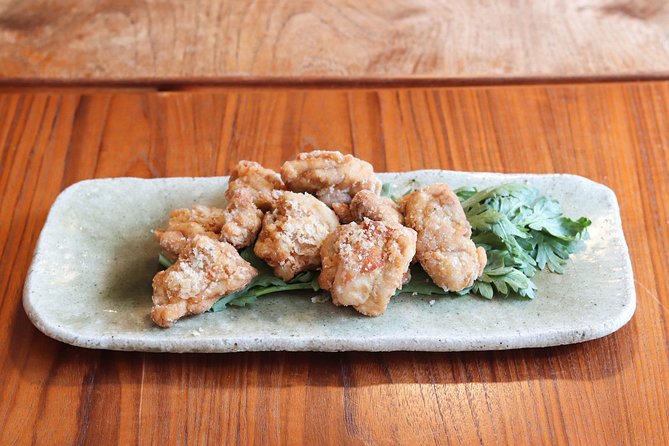
- Aki’s kitchen in a classic Kyoto wooden house setting
- Hands-on cooking with English recipes and guidance
- Seasonal home-style dishes you likely won’t see on restaurant menus
- A meal you eat right after cooking, often with plenty of leftovers
- Private experience for your group, with time for questions
Why Aki’s private Kyoto home class feels different
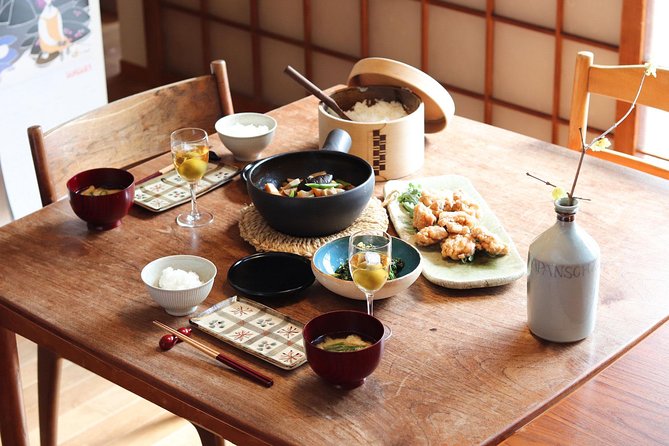
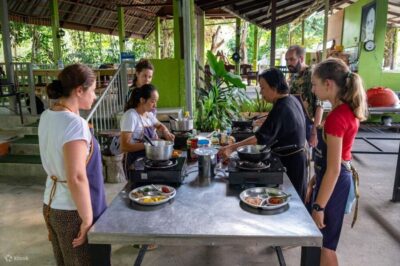
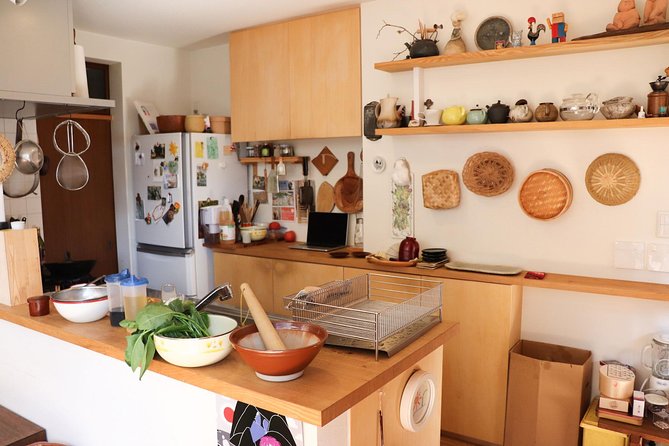
Kyoto has no shortage of food tours, but this one works because it’s based in someone’s home kitchen. You’re not standing on the side while a demo happens in front of you. You’re working at the counter, following Aki’s directions, and learning why certain steps matter for flavor and texture.
I like that the class is built for conversation. Aki guides you through each step, but you can also pause to ask questions while you cook. That’s a big deal in Japan, where a lot of food knowledge is practical and learned by doing—not just reading a sign.
Another plus is the atmosphere. A beautiful wooden house adds a softer rhythm to the morning. You end up paying attention to details: the smell of simmering ingredients, the way mise en place changes your speed, and the calm confidence of someone teaching a family method. It’s also private, so you’re not squeezed into a crowd or rushed through like a checklist.
You can also read our reviews of more tours and experiences in Kyoto.
Getting there: 10:30 am timing and the no-pickup reality
This class starts at 10:30 am and runs about 3 hours total, finishing back where you start. The meeting point is in Shimogamo (Sakyo Ward), at Ipponmatsu Shimogamo Matsunokicho, Kyoto 606-0816, Japan.
There’s no hotel pickup or drop-off, so don’t rely on a driver to solve it for you. Since the location is near public transportation, plan to arrive with enough time to find the exact spot comfortably. If you’re prone to being late in unfamiliar neighborhoods, aim to be early rather than cutting it close.
A practical mindset helps here. Think of this as a morning activity where your job is to show up, cook, and learn. Once you’re inside, the pace is unhurried—right down to the way the cooking portion is timed.
What you’ll cook: seasonal comfort food plus classic skills
You don’t get one fixed “menu forever” style of experience. The dishes change with the season, and you typically select a variety of seasonal home-style options. That’s how the class avoids feeling generic.
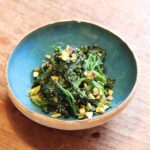
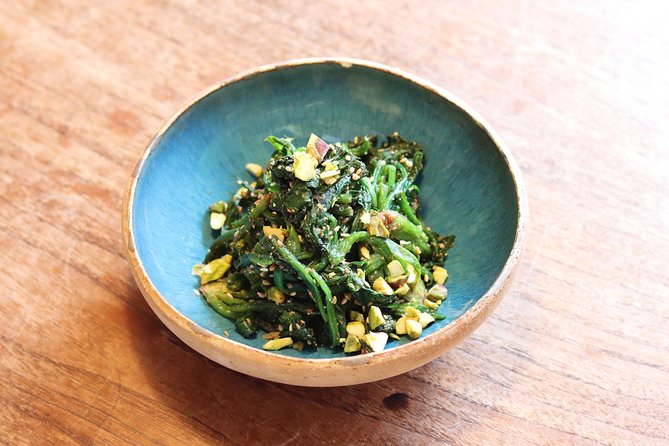
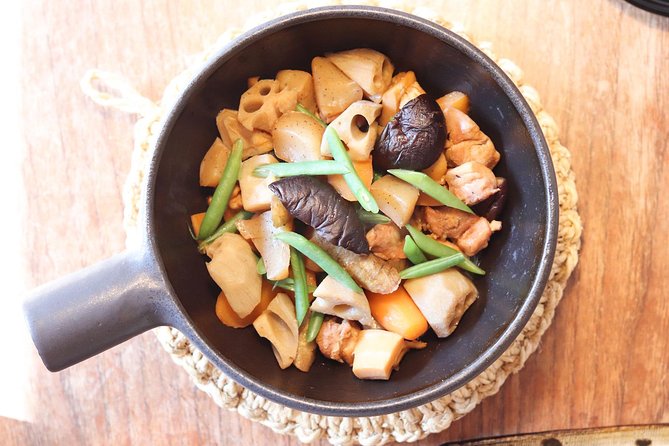
You might make dishes such as chikuzenni (braised chicken and vegetables), braised burdock root, and miso soup. Even if you’ve had miso soup in restaurants, a home approach is different. You learn the small decisions—how ingredients are handled and how simmering develops flavor—rather than just eating the final bowl.
One of the best values here is that you’re not only copying Japanese food you already recognize. You’re getting techniques that may not show up in typical restaurant plating. The class is also designed to teach you familiar classics with a few “secret” tips along the way, so you can take something practical home.
If you’re a picky eater, you’ll want to communicate preferences ahead of time. The class notes that you should advise the host at booking about allergies, dietary restrictions, or cooking preferences. There’s also a vegetarian option available if you request it early enough.
The hands-on flow: how the hour of cooking actually works
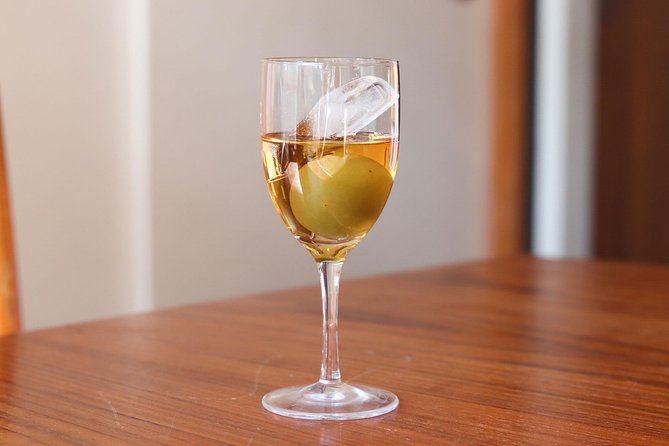
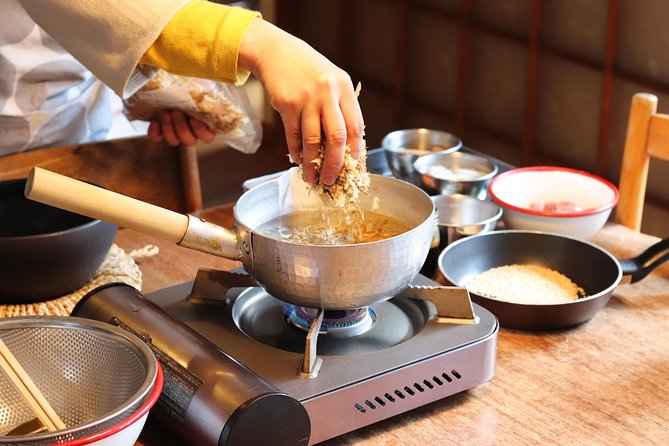
Expect the cooking time to be about one hour, followed by the meal. Aki provides recipes in English, then walks you through the process step by step. That structure matters because it keeps you from feeling lost, even if you don’t have prior Japanese cooking experience.
You’ll likely do most things yourself: chopping, combining ingredients, and participating in the key steps that shape the dish. This is where the class earns its reputation for being comfortable and genuinely fun. In the best sessions, you don’t just “help”; you actually learn enough technique to repeat the dish later.
The private format helps again. When you get stuck—on timing, texture, or how something should look—Aki can adjust and explain without repeating herself over a whole group. You end up with both the how and the why, which is what makes cooking classes worth paying for.
Meal time: eating what you made (and the leftover bonus)
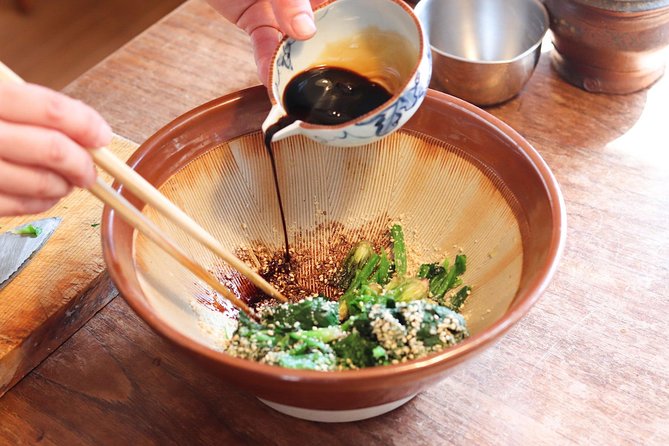
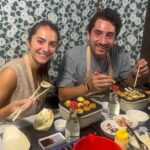
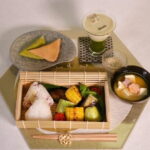
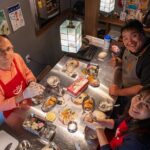
After cooking, you eat the meal you prepared together. This part is more than a reward. It’s also the feedback loop: you taste what your decisions created, so the next time you cook something similar, your instincts are stronger.
Beverages are included with the meal. The overview notes alcoholic drinks included, while the included details specifically mention non-alcoholic beverages. Either way, plan to relax and treat the meal as part of the experience, not an afterthought.
One of the practical benefits I’d flag is portioning. The class setup often leaves people with enough food to take home or enjoy later—one reason the cost can feel easier to justify. Even if you only eat some of it later, that’s still a lot of value for a single morning outing.



Price and value: is $95 for 3 hours worth it?
At $95 per person for a private class in a home kitchen, the price can look steep until you map what’s actually included. You’re paying for three major things at once:
- Privacy and pacing: you’re not competing for attention in a crowded room.
- Instruction plus materials: you receive English recipes and guided cooking.
- A full sit-down meal: you’re eating what you made, not just sampling.
The class also includes taxes, fees, and handling charges, which removes a lot of the usual uncertainty around “final cost.” And since the cooking portion is hands-on and the setting is genuinely Kyoto—wooden house, home kitchen—this isn’t a generic “cook-and-leave” activity.
Where the value may not be ideal is if your main goal is sightseeing. This is a food-focused morning. You’ll get cultural context through cooking, but you won’t be out touring temples during the class time. If you want a sampler of both food and major sights, you might pair this with another morning or afternoon plan.
Who this Kyoto cooking class suits best
This is a great fit if you want an authentic, low-stress experience. I especially think it’s a smart choice for people who like structure but hate rushing. A private home setting means the learning feels personal, and the English guidance keeps it accessible.
It also works well for:
- Food lovers who want technique, not just tips for places to eat later
- Couples and small groups who want something different from standard group tours
- Anyone who values asking questions, since the format makes that easy
- Vegetarians, because a vegetarian option is available when requested
- People with allergies or dietary needs, as long as you flag them at booking
If you’re the type who gets impatient waiting while others cook, this can still be fine, but you’ll want to lean into the calm pace. This isn’t a frantic “master this in 20 minutes” setup.
Tips to make your morning class smoother
A little prep makes a big difference.
1) Tell Aki about your needs before you go. If you have allergies, dietary restrictions, or specific preferences, communicate them at booking. The class is designed to adapt, but you have to start that conversation early.
2) Arrive on time and plan your route. Since there’s no hotel pickup, your success depends on finding the meeting spot smoothly. Use public transit planning ahead of time and build in buffer time.
3) Ask questions while you cook. The class is structured to allow that. If something looks off—thickness, color, or texture—say something right then. That’s when you’ll get the most useful guidance.
4) Treat the meal as part of learning. Taste actively. Compare what you expected with what you actually made. That helps you understand Japanese home flavors beyond the basics.
5) Plan for leftovers. Even if you don’t know what you’ll end up making, it’s a good bet there will be enough food to enjoy again later.
Should you book this private Kyoto cooking class?
If you want one memorable Kyoto experience that feels personal, this is a strong yes. The private home setting, the hands-on cooking, and Aki’s patient English guidance are exactly the ingredients that make a cooking class stick with you.
Book it if:
- you want real technique you can repeat at home
- you prefer a calm, uncrowded setting
- you’ll enjoy seasonal dishes and learning how classics like miso soup are built
Skip it if you mainly want sightseeing in the same window, or if you strongly dislike navigating to a meeting point on your own. Otherwise, this is one of those rare classes where the meal feels like the final proof of what you learned—and the wooden-house atmosphere turns it into more than just another activity.
FAQ
How long is the private Kyoto cooking class?
The experience is about 3 hours total. The cooking portion lasts about 1 hour, and then you enjoy the meal you helped prepare.
What time does the class start?
It starts at 10:30 am.
Is it a private class?
Yes. It’s a private, personalized experience, and only your group participates.
Do I get recipes in English?
Yes. Aki provides the recipes in English and guides you through the cooking process.
What if I’m vegetarian or have dietary restrictions?
A vegetarian option is available if you request it when booking. If anyone in your group has allergies, dietary restrictions, or cooking preferences, you should advise Aki at booking.
Are drinks included, and is there alcohol?
Drinks are included with the meal. The overview mentions alcoholic drinks included, while the included details list non-alcoholic beverages—so you should expect beverages either way, with alcohol mentioned in the description.