REVIEW · NAIROBI
Authentic Kenyan Cooking Class & Market Tour in Nairobi
Book on GetYourGuide →Operated by Empowerment Era Essentials · Bookable on GetYourGuide
Food here comes with real stories. This Nairobi experience pairs a market tour with a hands-on cooking lesson, then ends with a meal shared at a home on the outskirts. The result feels less like a performance and more like learning daily Kenyan food habits by doing them.
I especially like how you shop for ingredients with a local guide, so the cooking starts with real context instead of just a recipe card. I also like that you cook and taste along the way, then sit to eat and chat in a private home setting with the host and family.
One drawback to consider: the kitchen space is limited, so you may not have lots of elbow room. Also, this is not suitable if you have food allergies, so double-check your needs before you book.
In This Review
- Key Points You’ll Care About Before Booking
- Market Meet-Up at K-MALL Komarocks Parking Lot
- Nairobi Market Walk: Buying Ingredients and Talking Food Culture
- Inside Tabitha’s Home Kitchen: Hands-On Lessons in Ugali, Pilau, Mukimo, and Githeri
- The Meal Lineup: Kachumbari, Sukuma Wiki, Chapati, and Kuku Kienyeji
- Lunch, Storytelling, and What You Learn From a Real Neighborhood Home
- Price and Value: Why $64 for 4 Hours Can Make Sense
- Practical Tips That Make the Day Easier
- Who This Nairobi Cooking Class Fits Best (And Who Should Skip)
- Should You Book This Kenyan Cooking Class and Market Tour?
- FAQ
- Where is the meeting point?
- How long is the experience?
- What dishes will I learn to cook?
- What’s included in the price?
- Is transport provided?
- Is this tour okay if I have food allergies?
- What should I bring?
Key Points You’ll Care About Before Booking
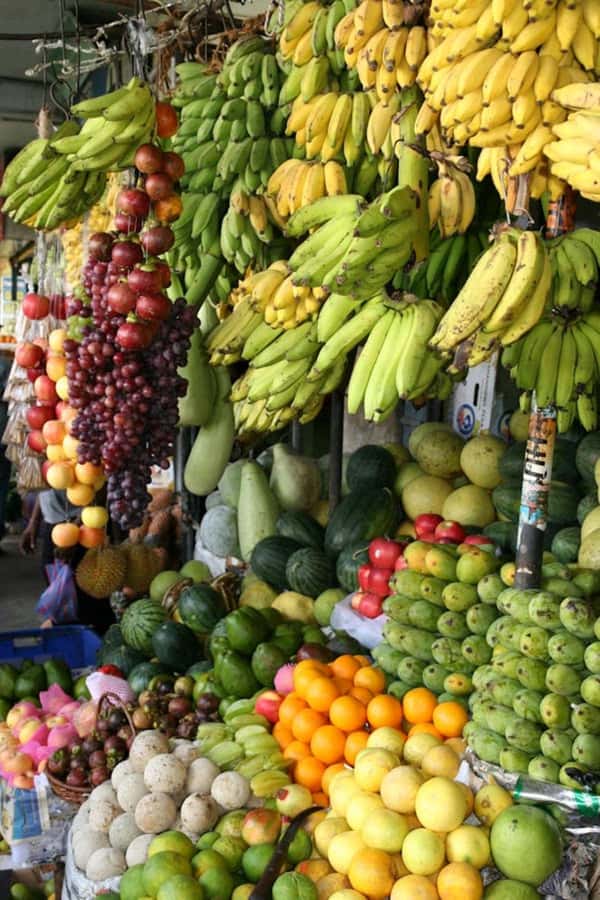
- Market shopping first: You pick ingredients in a local market setting, not just at a supermarket.
- Cooking with chances to help: Even with limited space, you’re guided to participate and taste as you go.
- A home meal plus conversation: The biggest value is the chat over lunch in a real neighborhood home.
- Classic Kenyan dishes: Expect hands-on learning around ugali, pilau, mukimo, githeri, and kuku kienyeji.
- No alcohol included: The package includes lunch and non-alcoholic drinks, but you’ll plan around that.
Market Meet-Up at K-MALL Komarocks Parking Lot
Your day starts at the K-MALL Komarocks parking lot, which makes it easy to find before you head into the market area. From there, transportation is arranged for you to reach the local market and then return to the host’s home.
This matters more than it sounds. Nairobi can be chaotic if you’re on your own, and having a plan from the first step lets you focus on food and people instead of logistics. It also helps if you’re newer to the city and just want things to run smoothly for a 4-hour experience.
You can also read our reviews of more tours and experiences in Nairobi.

Nairobi Market Walk: Buying Ingredients and Talking Food Culture
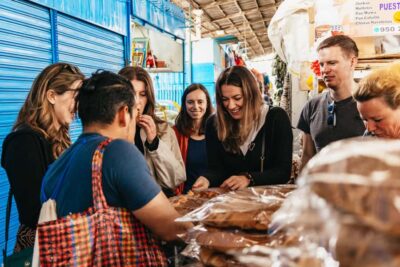
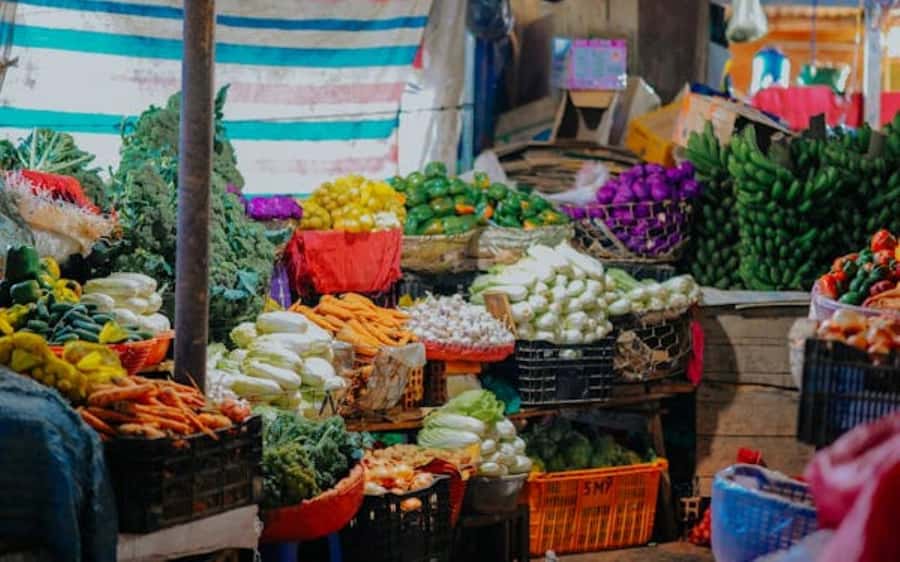
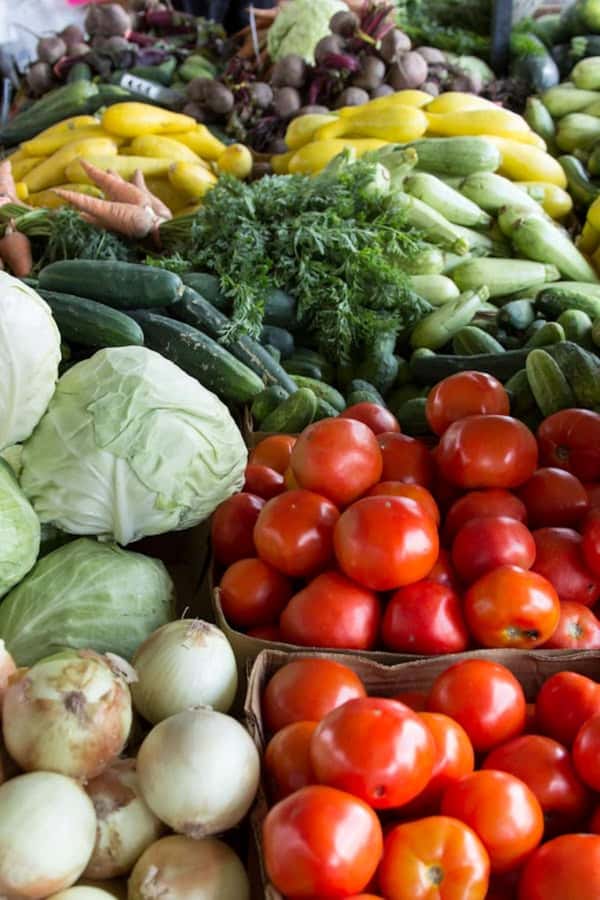
You’ll spend the early part of the tour at a local market, where the pace is lively and the interactions are the point. The guide helps you navigate the stalls, and you’ll choose ingredients you’ll later cook—so you start connecting the dish to where it comes from.
What I like about a market-first format is that it teaches you how Kenyan cooking works in everyday life. You’re not just learning a method; you’re seeing how people shop, what looks fresh, and what’s used together. In practical terms, it also makes your later dishes feel more satisfying, because you handled the ingredients yourself.
There’s also an element of learning how locals describe food. Even if your Swahili isn’t great, you can pick up plenty just from listening—what something is called, how it’s used, and why it matters. You’ll likely feel like you’re not standing on the outside looking in.
Inside Tabitha’s Home Kitchen: Hands-On Lessons in Ugali, Pilau, Mukimo, and Githeri
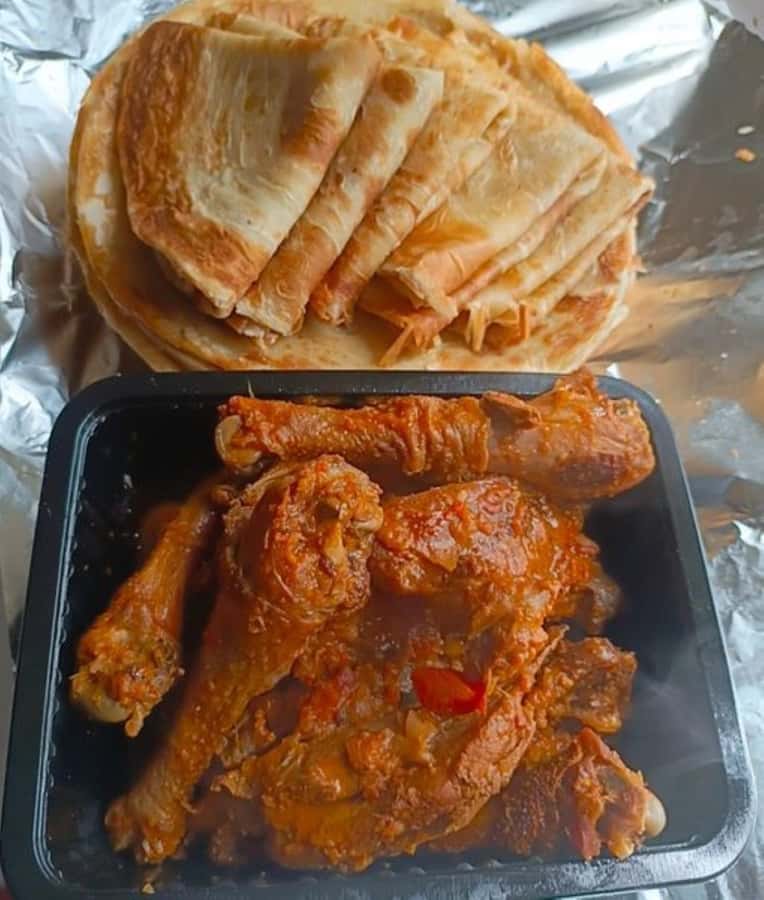
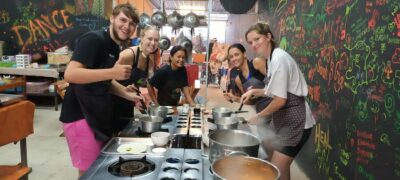
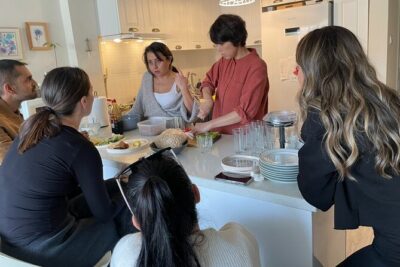
After the market, you go to a cozy home on the outskirts of Nairobi. This is where the experience shifts from shopping and watching to doing. The host guides you through traditional dishes and cooking techniques in the kitchen, and you get time to help out and taste during the process.
The dishes highlighted for the cooking lesson include ugali, pilau, mukimo, githeri, and kuku kienyeji. Depending on the flow and what’s being prepared that day, you’ll also encounter staples like Kachumbari salad, Sukuma Wiki, and chapati as part of the Kenyan meal plan.
A home kitchen format also changes your learning. In a classroom, you can feel like you’re studying. In a real kitchen, you learn what timing looks like, how people adjust seasoning and texture, and how the meal comes together as a team effort. In other words: you’re not just copying instructions—you’re getting a feel for the rhythm.
One heads-up: because the space is limited, you’ll likely stand close while working. Wear comfortable clothes and be ready for a bit of crowding, especially if you’re traveling with friends.
The Meal Lineup: Kachumbari, Sukuma Wiki, Chapati, and Kuku Kienyeji
This experience focuses on Kenya’s home-style flavors, not restaurant-only plates. That’s why it’s worth it even if you’ve eaten Kenyan food before.
Here are the dishes you should expect to see in the cooking mix:
- Kachumbari salad: Fresh, crisp, and typically built from chopped vegetables with a bright flavor profile. It’s a great starter because it shows you how Kenyans balance richer foods with something lively and acidic.
- Sukuma Wiki: A leafy greens dish often cooked until tender. It’s practical comfort food and helps you understand how vegetables are treated as a main meal component, not just a side.
- Chapati: A favorite that teaches dough-and-cooking basics. Even if yours is a little imperfect at first, you’ll walk away with a clearer sense of technique and texture.
- Ugali: A staple that anchors the meal. Learning it is about feel—how it thickens and how it’s served.
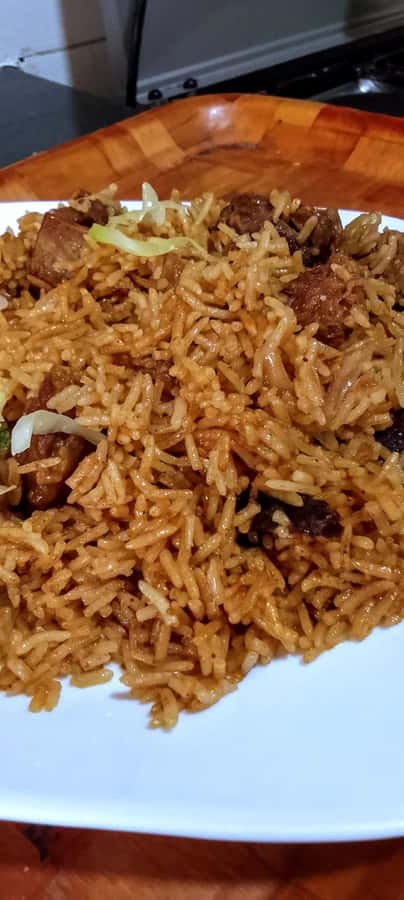
- Pilau: A spiced rice dish that shows how Kenyan cooking uses aroma and layering. It’s also a “meal builder,” the kind of dish that makes the whole table feel complete.
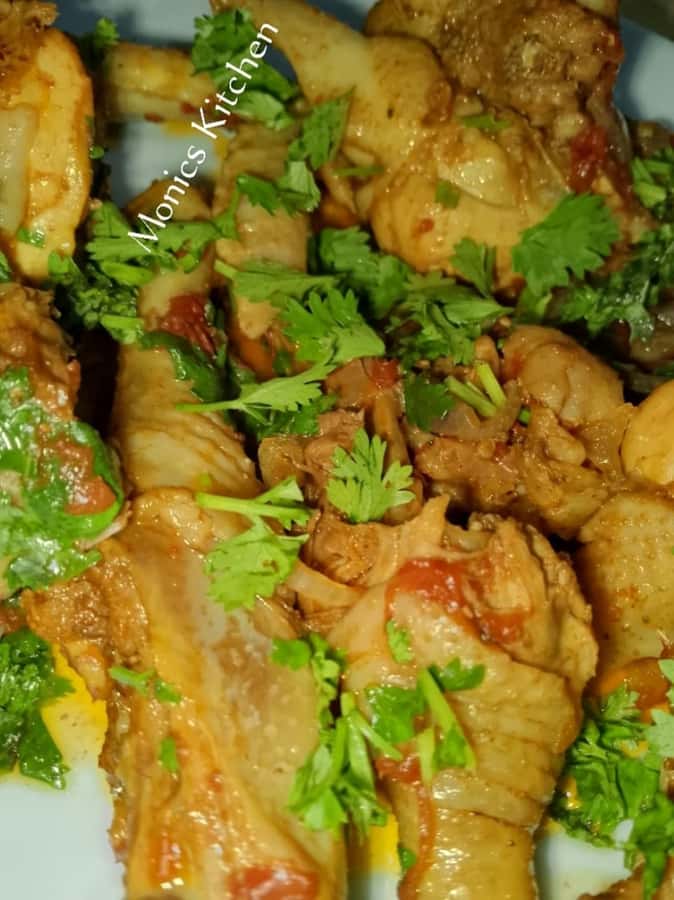
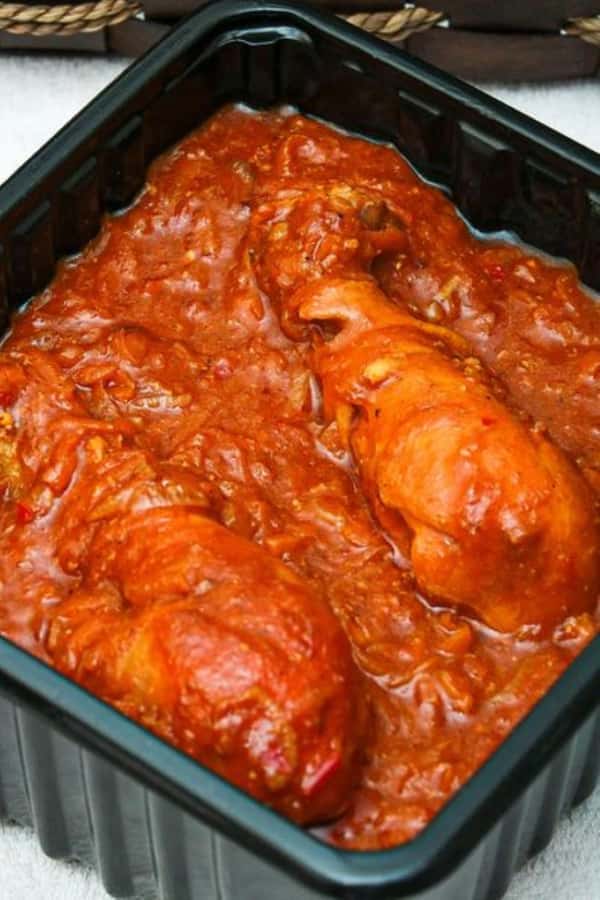
- Kuku kienyeji (kienyeji chicken): You’ll learn with chicken prepared in a traditional style. This is often one of the most memorable parts because it connects herbs, cooking method, and everyday poultry habits.
If you’re thinking about trying Kenyan food for the first time, this lineup gives you a smart cross-section. If you’ve had one dish in a Nairobi restaurant before, this class helps you see how the rest of the meal works as a set.
Lunch, Storytelling, and What You Learn From a Real Neighborhood Home
Lunch is included, and you’ll share the meal in the host’s home. This is where the cultural side becomes tangible. You’re not only eating; you’re also talking—sometimes about food, sometimes about life.
Many experiences claim cultural value. This one usually delivers because you’re in a family space on the outskirts of Nairobi, not a staged venue. You’ll likely have an easy, friendly conversation with the host and household members while you eat. That’s the part that tends to stick with you after the flavors fade.
You might also learn the small social details behind food: how hospitality is shown, how meals bring people together, and what it means to feed someone in a home setting. Those are the moments that make the class feel more human than transactional.
And yes, the food is the payoff. The point is that the meal tastes good because you helped make it, and because you understand what each dish is meant to do at the table.
Price and Value: Why $64 for 4 Hours Can Make Sense
At $64 per person for a 4-hour experience, you’re paying for more than a recipe lesson. You’re paying for:
- local market time and ingredient selection,
- transport to and from the market,
- hands-on cooking instruction,
- lunch and non-alcoholic beverages (soda, water, tea),
- and the host’s time and home setting.
In Nairobi, that combination can still feel like solid value because it bundles the parts that are hardest to DIY: market navigation, cooking guidance, and a safe, local home meal.
Two practical notes about cost:
- Alcoholic drinks are not included, so plan for that if you’re the type who likes a beer or wine with lunch.
- Uber or other transport costs outside what’s included are not covered, so follow the plan for pickup and drop-off.
If you want the “real life” side of Kenyan food without spending the whole day arranging things yourself, this package is a good shortcut.
Practical Tips That Make the Day Easier
Bring cash, comfortable shoes, and a camera. Comfortable clothes matter too, because you’ll be standing and moving around a working kitchen and market environment. Also, the tour has a basic rule set: no weapons or sharp objects.
A few more smart choices:
- If you have any food allergy, skip this one. The experience isn’t suitable for people with food allergies as listed.
- If you’re traveling with kids, note that children below 10 get free entrance.
- Wear shoes you can stand in for a while. It’s not a sit-and-watch class.
If you want to get the most out of it, come hungry and in a curious mood. Ask questions about ingredients and what makes each dish work. Most hosts love when you’re genuinely engaged rather than trying to rush through for photos.
Who This Nairobi Cooking Class Fits Best (And Who Should Skip)
This is a strong fit if you want:
- a hands-on cooking experience in Nairobi,
- a market tour with interaction and ingredient selection,
- and a home-style meal with conversation.
It’s especially good for people who prefer authenticity over big sightseeing days. If you’re trying to see Nairobi beyond major attractions, this gives you everyday culture through food.
It’s not a match for:
- people with food allergies,
- people over 95 years old.
Also, if you’re someone who needs lots of space and quiet, the limited kitchen space may feel tight.
Finally, language support is available in English and Swahili, so you should be able to follow along and ask questions comfortably.
Should You Book This Kenyan Cooking Class and Market Tour?
You should book it if you’re looking for a short, well-rounded Nairobi experience that teaches you real Kenyan dishes while also giving you time to connect with the host in a home setting. The mix of market shopping, hands-on cooking, lunch, and storytelling is exactly the kind of day trip that tends to feel worth the money because you leave with skills and memories, not just photos.
Don’t book it if you have food allergies or if you know you’ll struggle with tight kitchen space and the physical side of cooking. And if you want alcohol included, you’ll need to plan that separately.
If you’re ready to learn Kenyan food through ingredient buying, cooking, tasting, and conversation, this is one of the most practical ways to do it in just four hours.
FAQ
Where is the meeting point?
You meet at the K-MALL komarocks parking lot so the group can proceed to the market.
How long is the experience?
The experience lasts 4 hours.
What dishes will I learn to cook?
The cooking lesson includes traditional dishes such as ugali, pilau, mukimo, githeri, and kuku kienyeji. You’ll also focus on Kenyan favorites like Kachumbari salad, Sukuma Wiki, and chapati.
What’s included in the price?
The price includes local host services, transport to and from the market, cooking lessons, lunch, and beverages (soda, water, tea).
Is transport provided?
Yes. Transport is included to and from the market.
Is this tour okay if I have food allergies?
No. It is not suitable for people with food allergies.
What should I bring?
Bring comfortable shoes, a camera, comfortable clothes, and cash.