REVIEW · BILBAO
Bilbao: Immersive Basque Cooking Class
Book on GetYourGuide →Operated by Gastronomía Bilbao · Bookable on GetYourGuide
Bilbao smells like dinner prep. This hands-on Basque cooking class in downtown Bilbao turns you into the cook, with Basque chef Mikel leading the show in English.
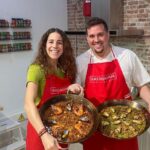
I love the clean, working-studio setup and how the lesson stays practical. You’re not watching from the sidelines.
I also love that you build a full meal, not just one dish. You’ll make Basque classics like gilda, marmitako, steak, and Basque toast, then eat right after in a private dining room with local wines such as Txakoli and Rioja. One possible drawback: in a group format, hands-on time can vary a bit, so it helps to be ready to chop, stir, and taste whenever your turn comes.
In This Review
- Key things that make this class worth your time
- Bilbao’s Basque cooking class: what you’re really signing up for
- Where you meet in Bilbao (and why the location matters)
- The “you cook everything” format: what happens during the 3.5 hours
- What you’ll cook: a Basque greatest-hits menu
- Starters that teach Basque flavor in bite-size steps
- A main course built for real appetite
- Sweet peppers and Basque toast for dessert
- Cheese and charcuterie as the easy crowd-pleaser
- The wine pairing vibe: Txakoli and Rioja while you work
- The meal after class: eat in a private dining room
- Price and value: is $165 a good deal?
- Who this cooking class is best for (and who might want a different style)
- What to do before you go (so you get the most out of it)
- Practical tips: getting the most from the hands-on part
- Should you book this Bilbao Basque cooking class?
- FAQ
- How much does the Bilbao Basque Cooking Class cost?
- How long is the experience?
- Where is the meeting point?
- What dishes will I cook?
- Is this a hands-on cooking class?
- What’s included with the class meal?
- Are drinks included, and is there wine?
- What language is the instructor?
- Can I get a refund if my plans change?
Key things that make this class worth your time
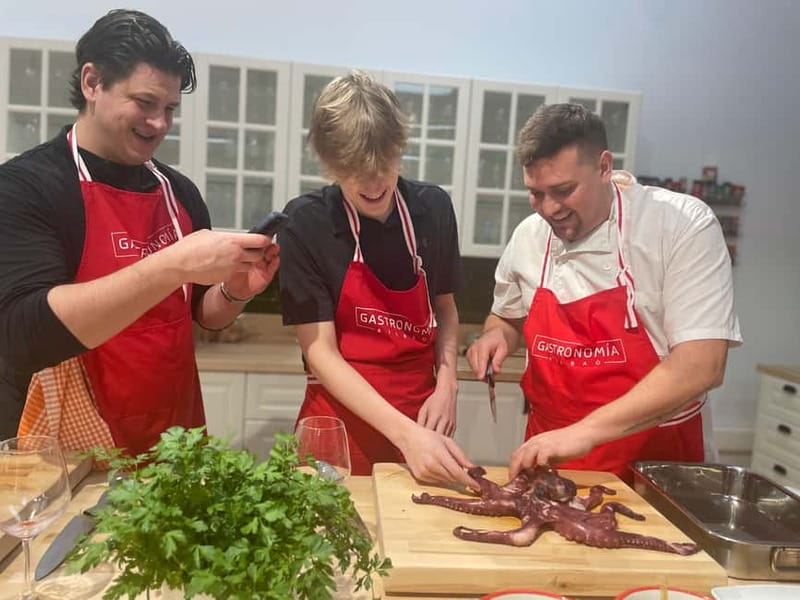
Hands-on from start to finish with you cooking 4–5 plates (2–3 starters, a main, and dessert).
A full Basque meal you’ll actually eat in a private dining room right after class.
A menu built around Bilbao’s favorites including gilda, marmitako, cider chorizo, T-bone steak, and sweet red peppers (Etxebarri style).
Wine isn’t an afterthought—Txakoli and Rioja show up while you work, plus non-alcoholic drinks.
Cheese and charcuterie included as a complement to your starters.
Recipes and apron are part of the deal, so you can recreate what you make later.
Bilbao’s Basque cooking class: what you’re really signing up for
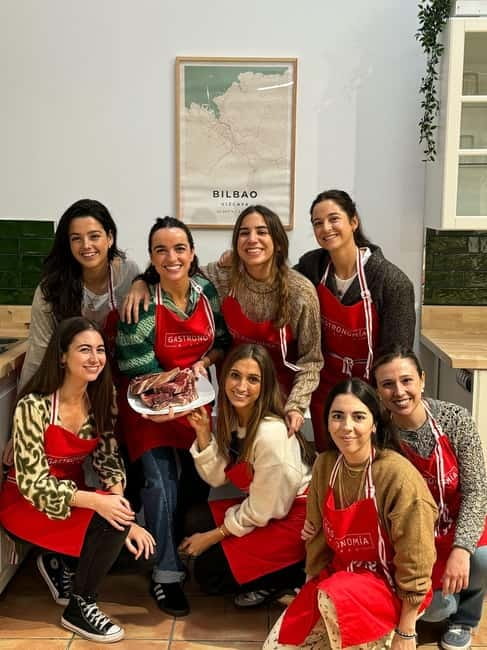
This isn’t a demo where someone cooks and you take notes. It’s a structured, practical class where you learn by doing. In about 3.5 hours, you’ll prepare enough food for a real sit-down meal, paired with local drinks, in a setting designed for cooking.
Basque food has a reputation for being both simple and sharp: strong flavors, clean techniques, and ingredients that do the heavy lifting. What makes this class feel like a good value is that it teaches you the logic behind the dishes, not just the final plate. You’ll get story, ingredient reasoning, and special tricks as you go.
And yes, there’s a lot of eating. You don’t have to plan dinner afterward because the meal is served after the class in your private dining room with your group.
You can also read our reviews of more tours and experiences in Bilbao.
Where you meet in Bilbao (and why the location matters)
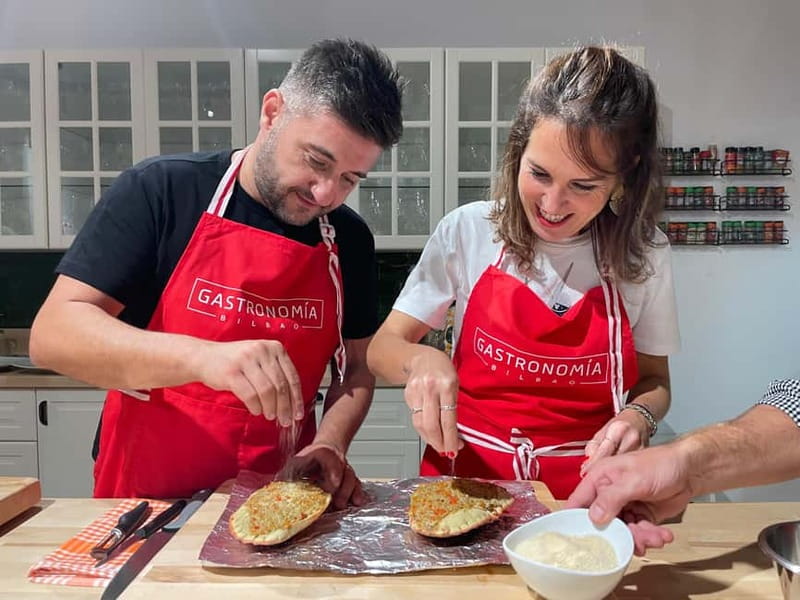
You meet near the gourmet shop of Gastronomía Bilbao, and there’s someone there waiting for the check-in. That matters because it keeps the start smooth: you arrive, check in, and you’re cooking without wandering across town in search of the kitchen.
Downtown Bilbao is also a helpful base if you’re doing other things that day. You can usually fit this into a normal sightseeing rhythm: morning or early afternoon walks, then a cooking session that gives you a break from the streets.
The activity is listed as English-taught, with a bilingual instructor who’s a Basque chef. If you want the food culture explained clearly while you cook, that language setup is a big plus.
The “you cook everything” format: what happens during the 3.5 hours
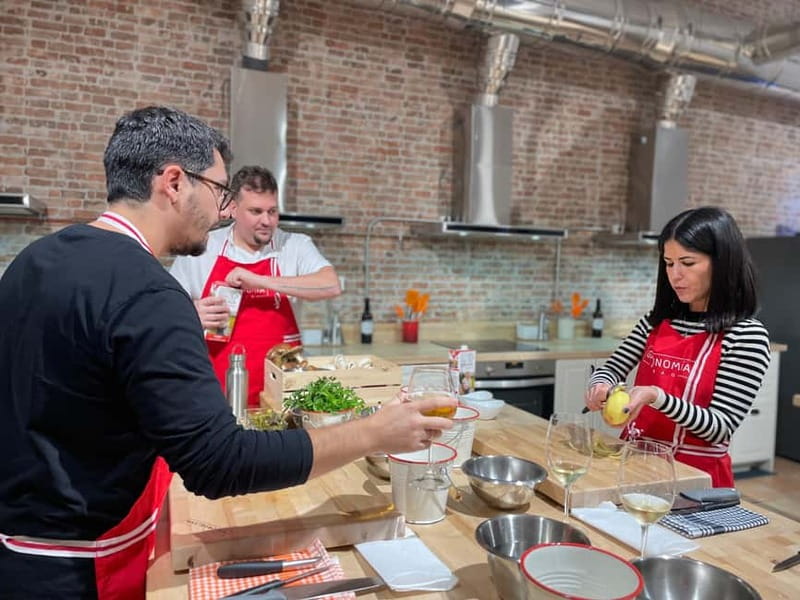
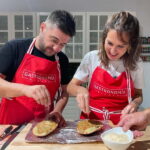
The class is described as 100% hands-on, and the pacing is built around producing multiple plates. You’ll typically work toward 4–5 dishes total:
- 2–3 starters
- 1 main
- dessert
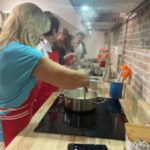
As you cook, the instructor explains the story behind each dish, key ingredients, and tricks to recreate it at home. The goal isn’t to rush you through a checklist. It’s to get you comfortable with Basque flavors and techniques while you’re actively using them.
You’ll also have cooking equipment and an apron provided, which keeps you from showing up with the wrong gear or trying to improvise in a kitchen you’re not used to. That sounds basic, but it’s often where cooking classes either feel smooth or stressful.
Timing note: the meal happens after the class, so the schedule is designed so you can cook first and then eat what you made without having to hunt for dinner afterward.
What you’ll cook: a Basque greatest-hits menu
The exact menu can vary depending on market availability, but the dishes listed give you a strong idea of the experience. Expect both pintxo-style bites and hearty main-course comfort.
Starters that teach Basque flavor in bite-size steps
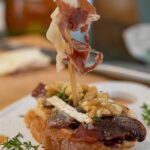
Gilda is one of the featured dishes. It’s a classic Basque pintxo you can learn to build with the right balance of flavors. If you’ve tried pintxos in San Sebastián or Bilbao and wondered why some versions taste so focused, this is the kind of starter that helps you see the “why” behind the combinations.
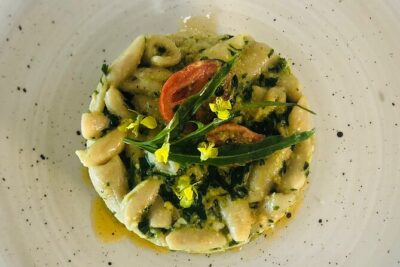
You may also cook Marmitako, a Basque stew made with bonito (tuna of Northern Spain), plus chorizo in cider. These recipes are perfect teaching tools because they’re about building depth: you start with aromatics and the right base, then let the flavors come together.
There’s also mention of a green salad as part of the menu. It might look simple, but salads in Basque meals often act like a palate reset between richer dishes.
A main course built for real appetite
For the main, you may cook a traditional T-bone steak. Basque steak lovers usually care as much about technique and timing as they do about seasoning. In a class like this, you’re not just eating steak later—you’re learning how it’s handled as part of the meal flow.
Sweet peppers and Basque toast for dessert
One of the most interesting listed components is sweet red peppers (Etxebarri style). Even if you’ve never heard that comparison, it signals a Basque approach to peppers where sweetness, char, and balance matter.
Dessert is another highlight: you’ll learn the Basque toast. It’s a dessert that fits the idea of comfort with a Basque twist. You’re cooking it yourself, not just receiving it, which makes the flavors stick.
Cheese and charcuterie as the easy crowd-pleaser
As appetisers, you’ll have a plate of cheeses and charcuteries. This complements your cooking so you’re eating while you learn, instead of waiting for the full meal to start.
That’s a smart design choice: it keeps energy high, and it helps you taste along the way. Food classes work better when the table already feels like a meal, not a lecture.
The wine pairing vibe: Txakoli and Rioja while you work
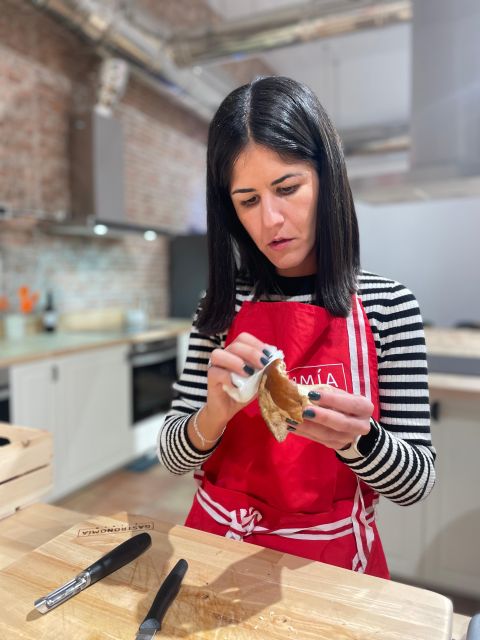
There’s a line in the class description that sums up the tone: there’s no real cooking without wine. Local wine is at your disposal, and the included options include Txakoli and Rioja (plus local red and white wines overall).
This matters because Basque cooking isn’t just about technique—it’s about pairing the atmosphere with the food. When you’re tasting wine during prep, you start noticing what changes when acidity, tannin, and fruitiness meet salty bites, stews, and steak.
Non-alcoholic drinks are also included, so you’re not stuck waiting until the end if you want to skip alcohol.
The meal after class: eat in a private dining room
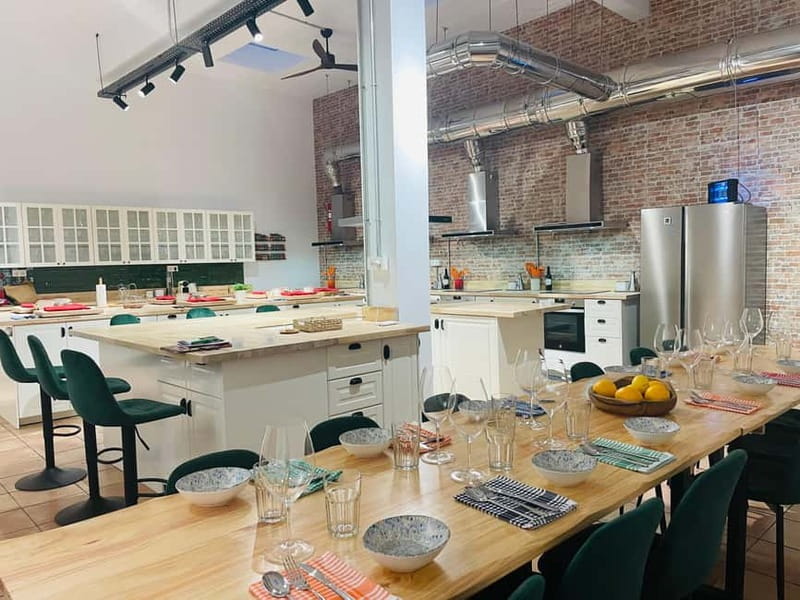
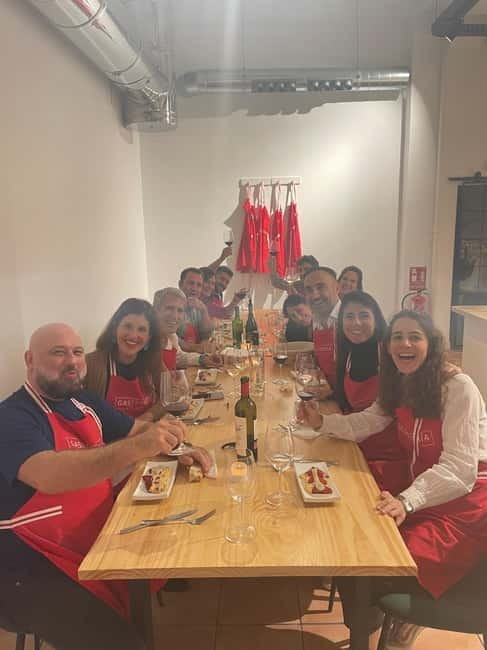
The class ends, and then you eat everything you cooked. You’ll enjoy your creations in a private dining room with your group.
This is one of the most practical parts of the experience. Cooking classes sometimes end with a snack and a polite exit. Here, you stay put long enough to actually enjoy your work as a full meal. It also gives your group time to talk, ask follow-up questions, and compare how everyone’s versions turned out.
And because the meal is part of the activity, you don’t have to think about finding food afterward. That saves time, money, and mental energy on a travel day.
Price and value: is $165 a good deal?
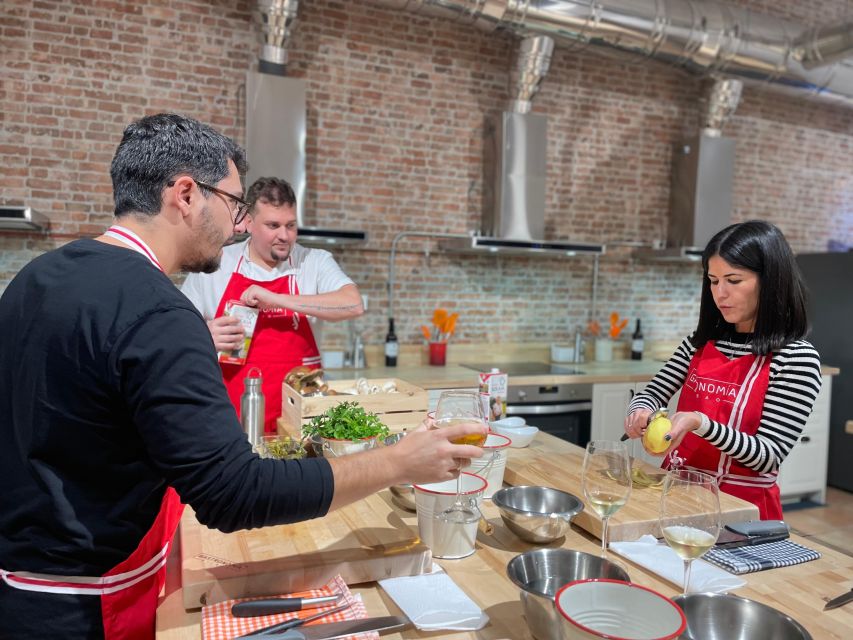
At $165 per person for roughly 3.5 hours, this isn’t a budget cooking class. You’re paying for a few things that are hard to replicate at home:
- A full meal you cook and eat (multiple plates, not one recipe)
- Local wine included, plus non-alcoholic drinks
- Cheese and charcuterie as part of the meal flow
- A Basque chef instructor with English teaching
- Recipes and an apron so you can re-create dishes later
Is it worth it? For most people who like food enough to spend a chunk of a day on it, the answer is yes, because you’re not only learning—you’re fed, and you get the cultural explanation tied to the food.
If you’re the kind of traveler who hates cooking with strangers, this might feel too social. But if you’re ready to chop, stir, taste, and share a table, the cost starts to make sense quickly.
Who this cooking class is best for (and who might want a different style)
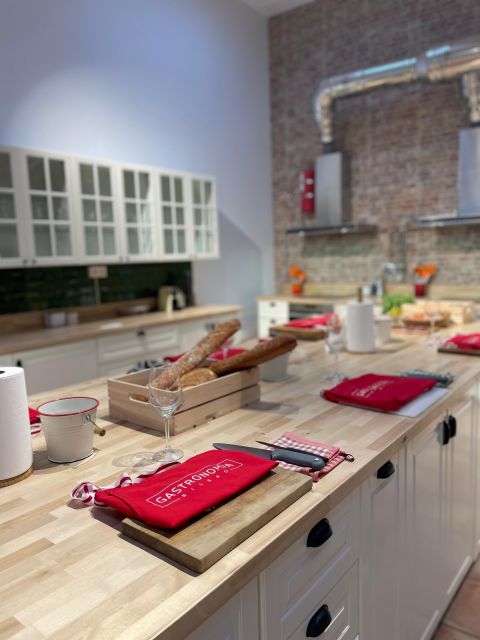
This is best for you if:
- You want a hands-on cooking experience rather than a lecture.
- You like Basque classics and want the basics explained in a usable way.
- You enjoy learning from a chef who can connect ingredients to culture.
- You want a meal experience that also works as a change of pace from sightseeing.
It might be less perfect if:
- You expect everyone to be actively cooking every second. Since it’s a group class, you may have moments where your role is smaller while others take the lead.
That’s not a deal-breaker. It just means you should show up mentally ready to participate whenever the recipe calls for it.
What to do before you go (so you get the most out of it)
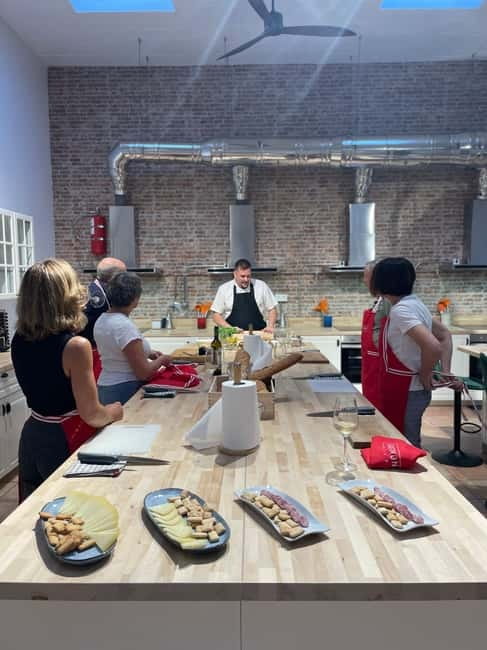
A few simple prep choices can make this class smoother.
First, think about whether you have any food intolerances. The menu can vary based on market availability, and the instruction is to let the team know of intolerances in advance. That’s your best path to getting a version that works for you.
Second, come hungry but relaxed. You’ll cook multiple plates, then sit down and eat them. If you’ve been eating only small snacks all day, you’ll appreciate the full meal.
Finally, if you’re going with friends, go in expecting conversation. The format is friendly and casual, so it’s a good spot to bond with your group and ask follow-up questions as the cooking progresses.
Practical tips: getting the most from the hands-on part
Even in a great group class, the best results happen when you lean in.
- Volunteer for tasks like chopping and mixing when the instructor calls for it.
- Taste as you go. The wine and the food are part of learning what balances the dish.
- Pay attention to the “special tricks” the instructor mentions for each recipe. That’s usually where the real difference between bland and Basque shows up.
Also, if your goal is to cook at home later, use the recipes as a bridge. This class includes recipes, so treat them as a practical tool, not a souvenir.
Should you book this Bilbao Basque cooking class?
Book it if you want a real Basque meal experience built around hands-on cooking, local wine, and a chef-led explanation that helps you understand what you’re making. The structure is strong: multiple plates, you eat what you cook, and the pacing fits into a travel day without forcing a second dinner plan.
Consider skipping or switching if you’re mainly looking for a passive foodie experience, or if you’re very sensitive about not being the one doing every step. In a group format, cooking roles can shift.
If you fit the first category even a little, this class is the kind of Bilbao activity you’ll remember for more than a photo. You’ll leave with techniques, flavors, and recipes you can actually repeat.
FAQ
How much does the Bilbao Basque Cooking Class cost?
It costs $165 per person.
How long is the experience?
The duration is 3.5 hours.
Where is the meeting point?
Meet by the gourmet shop of Gastronomía Bilbao, where someone will be there for check-in.
What dishes will I cook?
You’ll learn traditional Basque dishes and you may cook items like gilda, Marmitako (bonito stew), chorizo cooked in cider, a traditional T-bone steak, sweet red peppers (Etxebarri style), a green salad, and Basque toast for dessert. The menu could vary depending on what’s available in the market.
Is this a hands-on cooking class?
Yes. It’s described as a 100% hands-on class where you prepare between 4–5 plates, including 2–3 starters, a main, and dessert.
What’s included with the class meal?
You get a full meal prepared by you, plus charcuterie/cheese as a complement. You also receive recipes and an apron, and cooking equipment is included.
Are drinks included, and is there wine?
Yes. Local wines are included, including Txakoli and Rioja, along with non-alcoholic drinks.
What language is the instructor?
The class is taught in English.
Can I get a refund if my plans change?
Yes. You can cancel up to 24 hours in advance for a full refund.