REVIEW · CHENNAI
Traditional Vegetarian Cooking Class in Chennai with Gayathri
Book on Viator →Operated by Traveling Spoon · Bookable on Viator
You cook dinner in a Chennai home. In Gayathri’s Ramapuram house, a traditional South Indian vegetarian meal isn’t a performance. It’s part of the hands-on experience with real tools and real guidance. I love that this is a 100% private class in a local home, not a crowded demo.
I also like the way Gayathri teaches both technique and kitchen context. You’ll learn about medicinal herbs used in a Tamil brahmin kitchen, then cook with traditional vessels like kal chatti (soap stone) or terracotta options, based on what you’re making.
One thing to consider: you’ll cook just one main dish and one side dish in the hands-on portion, and the meal is served on the floor with banana leaves (and you eat with your hands). If you prefer lots of variety—or you need a sit-at-a-table setup—this may not match your style.
In This Review
- Key things you’ll notice
- Getting oriented in Ramapuram: simple logistics, local feel
- Meet Gayathri and the Tamil brahmin cooking mindset
- How the class flows: one main, one side, 1.5 hours of real cooking
- Traditional vessels: why the cookware lesson matters
- Medicinal herbs in a Tamil brahmin kitchen
- Chutney and spice technique: the grinder, the chop, the timing
- The meal: banana leaves, floor seating, and eating with your hands
- South Indian breakfast option: dosa, sambar, medu vada, filter coffee
- Price and value in Chennai: what $48 really covers
- Who this is best for (and who may want something else)
- Should you book the Gayathri cooking class in Chennai?
- FAQ
- Where does this cooking class start and end?
- How long is the experience?
- Is the activity private?
- Is hotel pickup included?
- What kind of food will I eat and cook?
- Can I request a South Indian breakfast-style meal?
- Does the menu stay the same all year?
Key things you’ll notice
- Gayathri’s Tamil brahmin home kitchen: vegetarian-only cooking, passed down through her grandmother.
- Traditional cookware in action: you may use kal chatti, eeya chombu, or mann chatti depending on the dish.
- A real stone grinder moment: you’ll make chutney using a traditional grinder.
- Herb knowledge with meals: medicinal herbs are part of the lesson, not just spice talk.
- Banana-leaf dining: you’ll sit on the floor and eat with your hands.
- Menu can change by season: expect a seasonal tilt rather than a fixed recipe list.
Getting oriented in Ramapuram: simple logistics, local feel
This activity starts in Ramapuram, Chennai, and ends right back at the meeting point. There’s no hotel pickup or drop-off included, so plan to get there on your own (public transport is nearby, which helps). If you’re trying to fit this into a tight day, I’d build in extra buffer time for getting to a specific neighborhood address.
You’ll receive a mobile ticket, which is handy because you can show it from your phone. This is also set up as a private experience, so you won’t be waiting in a big group to get cooking time. For me, that matters in a kitchen class. The better the attention, the easier it is to copy what the cook is doing.
You can also read our reviews of more tours and experiences in Chennai.
Meet Gayathri and the Tamil brahmin cooking mindset
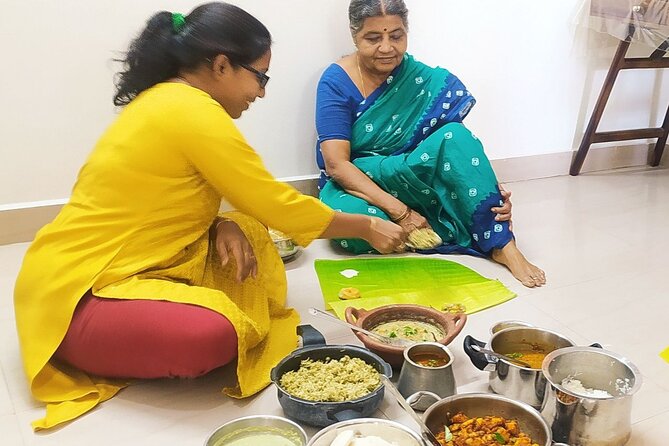
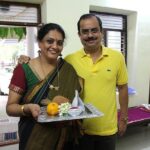
Gayathri grew up learning from her grandmother, from Thanjavur, a place known for a proud food culture. That family thread shows up in how she teaches: not just recipes, but why certain ingredients and methods make sense in a Tamil brahmin home.
This is an all-vegetarian experience. According to the format, Gayathri’s family cooks vegetarian food at home, and you’ll do the same here. Expect the lesson and meal to follow that rhythm: practical steps, traditional ingredients, and a focus on comfort and balance rather than fancy plating.
Also, since this is hosted in a home, the tone feels personal. You’re not moving through stations under bright lights. You’re working in the same kind of space where a family would cook for everyday life.
How the class flows: one main, one side, 1.5 hours of real cooking
The hands-on cooking portion runs about 1.5 hours, then you’ll share the meal you helped make. The total duration is around 3 hours, so it’s not just chopping time. There’s time for introductions, prep, cooking steps, and then eating together.
You’ll learn by doing: chopping, stirring, frying, and getting tips as you go. Gayathri’s teaching method is step-by-step, which is exactly what you want when you’re trying to recreate South Indian flavors later at home. The class also includes learning about local ingredients and spices, so you’re not just following instructions blindly.
You’ll focus on one main dish and one side dish. That limited scope is actually a benefit. Instead of trying to memorize ten recipes, you’ll concentrate on technique and flavor building—especially for lentils, vegetables, and chutneys that are common in South Indian meals.
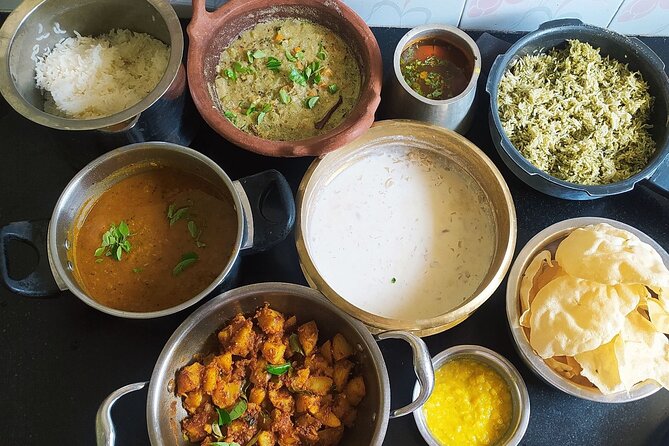
Menu details can vary by season, and the exact dishes you cook may change. In practice, the kind of Tamil vegetarian comfort foods you might see include items like kootu, sambar, or poriyal. Even if your specific menu differs, the method and mindset stay the same: simple ingredients, layered flavor.
Traditional vessels: why the cookware lesson matters
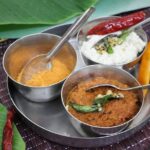
One of the most fun parts is the cooking gear. Gayathri uses traditional vessels such as kal chatti (soap stone), eeya chombu (tin alloy), or mann chatti (terracotta). Which one you use depends on the dish.
This isn’t just cultural costume. Different pots hold and distribute heat differently. Soap stone can help with steady cooking, while terracotta can change how moisture moves through a dish. You’re learning a small piece of why traditional cooking works so well for vegetarian South Indian food, where simmering, tempering, and gentle cooking create depth without needing meat or heavy sauces.
You’ll also cook using traditional tools when making chutney. The tomato-onion chutney is made with a traditional stone grinder, which is a great “ingredient transformation” lesson. Grinding changes texture fast—so it’s easier to understand why chutneys taste a certain way in homes where they’re ground fresh.
Medicinal herbs in a Tamil brahmin kitchen
This class includes an introduction to medicinal herbs used in a traditional Tamil brahmin kitchen. The key word here is introduction: you’re not stuck reading labels or taking a chemistry course.
What you get is context—what the herbs are, how they’re used, and where they fit into the flow of cooking. In many South Indian kitchens, herbs and spices are treated as both flavor and wellbeing ingredients. You’ll likely hear how they show up across everyday dishes, not just in special remedies.
If you’re the kind of traveler who likes to learn the “why” behind spices, this is a good match. You’ll leave with more than a recipe—you’ll have a better sense of how people think about food function, especially in vegetarian cooking where herbs and aromatics play an outsized role.
Chutney and spice technique: the grinder, the chop, the timing
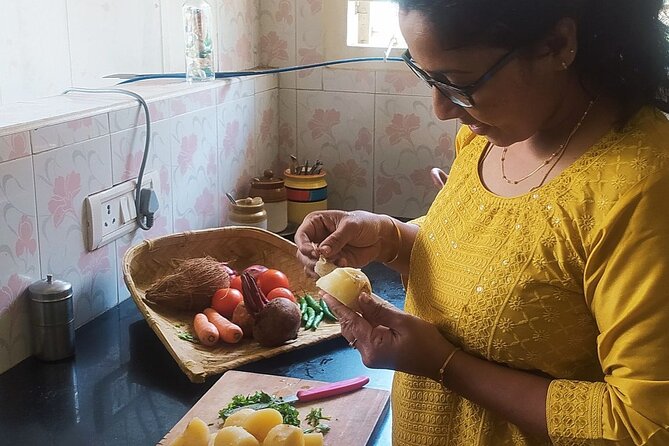
South Indian vegetarian meals rely heavily on chutneys and spice mixes. In this class, you’ll make tomato-onion chutney, and the instruction includes using that traditional stone grinder. That matters because stone-ground pastes have a different mouthfeel than machine-blended ones, and texture affects how chutney clings to food.
You’ll also practice typical kitchen motions: chop cleanly, stir without rushing, fry with attention to heat. Gayathri’s tips focus on what changes the result—like when to add ingredients, how long to cook down tomatoes or soften onions, and when to stop so the chutney stays balanced rather than turning sharp or watery.
If you’ve ever tried to recreate South Indian chutney at home and wondered why yours tastes flat, I’d pay close attention here. The lesson isn’t just the ingredients. It’s the timing.
The meal: banana leaves, floor seating, and eating with your hands
After cooking, you’ll sit down for a traditional vegetarian meal at Gayathri’s home. You’ll eat seated on the floor, and the meal is served on banana leaves, following the Tamil tradition. You’ll also eat with your hands.
That might sound intimidating, but it’s usually straightforward once you’re there. The point is to eat with rhythm: use your fingertips to scoop and combine bites with chutney and sides. It’s also part of why this feels different from a restaurant meal—you’re experiencing the same format people use at home.
If you’re concerned about comfort, I’d mentally plan for a sit-on-the-floor style meal. This isn’t a criticism of the experience—just a practical heads-up. If you can handle floor seating, you’ll likely enjoy the whole cultural package more because you’ll feel “in the meal,” not just watching it.
South Indian breakfast option: dosa, sambar, medu vada, filter coffee
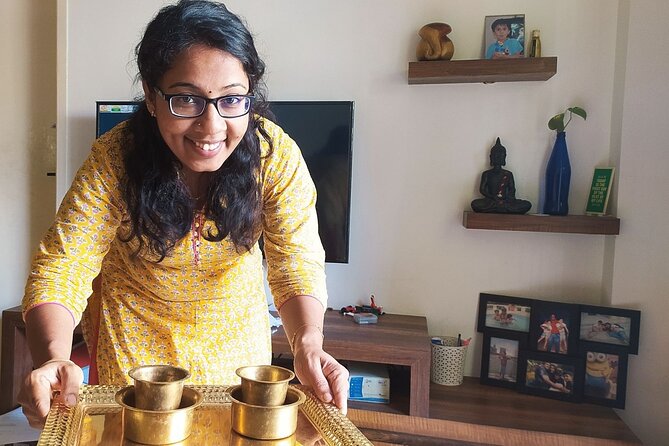
Gayathri only offers a vegetarian meal, but there’s flexibility if you want something breakfast-like instead of the traditional main-meal format. You can request dosa, sambar, and medu vada, served with coconut chutney and filter coffee.
If you’re hoping to experience South Indian flavors in a lighter, morning-friendly style, this is a smart option. It also helps if you’re not a fan of eating a full banana-leaf meal format in the evening. When booking, you’ll want to tell Gayathri which direction you prefer, since your menu can shift.
Price and value in Chennai: what $48 really covers
The price is $48.00 per person, and this is typically booked about 25 days in advance, so it’s not a last-minute impulse thing.
Here’s what you’re paying for, in practical terms:
- A private class with your host in her home (not a shared experience).
- Hands-on instruction for cooking one main and one side.
- A homecooked vegetarian meal you helped prepare.
- Traditional methods and tools (including stone-ground chutney and traditional cooking vessels).
In other words, you’re buying access to a real kitchen and a real teacher, plus the full meal experience. If you’re comparing it to typical restaurant meals, $48 is higher than eating out. But if you compare it to cooking classes that are group-based or that don’t include the full meal, this pricing starts to look reasonable—especially because it’s private and you’re not just watching.
Who this is best for (and who may want something else)
This experience is a great fit if you:
- want a South Indian vegetarian cooking class in Chennai that actually includes cooking and dining in a home setting
- enjoy learning specific techniques (grinding chutney, using traditional vessels, building flavor)
- like cultural details like medicinal herbs and banana-leaf meal format
- prefer a private class where you can ask questions and move at your group’s pace
It may be less ideal if you:
- want lots of variety in one class (you’ll focus on one main and one side in the hands-on session)
- need a hotel pickup/drop-off and prefer not to navigate to Ramapuram on your own
- aren’t comfortable with floor seating and eating with your hands
Also, if you have allergies or dietary restrictions, you should advise during booking. The format says you should let the host know ahead of time, which is the right move for any home-cooked meal.
Should you book the Gayathri cooking class in Chennai?
I think you should book if you want an authentic, practical meal-and-cook experience in Chennai with a real home cook, not a restaurant-style tutorial. The combination of hands-on cooking, traditional tools (soap stone and stone grinding), and the banana-leaf meal makes it feel like a full cultural moment, not just a cooking workshop.
It’s also worth booking early since it’s commonly scheduled about a few weeks out. And if plans change, the experience offers free cancellation up to 24 hours in advance, which gives you breathing room.
Book it with confidence if you’re a vegetarian traveler, a curious spice learner, or someone who wants to take home a clearer idea of how Tamil Brahmin home cooking tastes and works. Skip it if you need a non-floor dining setup, expect hotel pickup, or are looking for a class with many different dishes packed into one session.
FAQ
Where does this cooking class start and end?
It starts in Ramapuram, Chennai, Tamil Nadu, India, and ends back at the same meeting point.
How long is the experience?
The total experience time is about 3 hours, including an approximately 1.5-hour hands-on cooking class.
Is the activity private?
Yes. It’s a private activity, and only your group participates.
Is hotel pickup included?
No. Hotel pick up and drop off are not included.
What kind of food will I eat and cook?
Gayathri offers a vegetarian meal only. You’ll learn one main dish and one side dish in a hands-on class.
Can I request a South Indian breakfast-style meal?
Yes. Instead of the traditional meal format, you can request dosa, sambar, and medu vada with coconut chutney and filter coffee. You should share this preference when booking.
Does the menu stay the same all year?
No. The menu may vary depending on the season.