REVIEW · CHENNAI
Private South Indian Tamil Cooking Class in Chennai with Srividya
Book on Viator →Operated by Traveling Spoon · Bookable on Viator
A home kitchen lesson beats cookbook theory. This private in-home Tamil cooking class with Srividya turns Chennai flavors into something you can taste and remember, plus you’ll get the recipe-and-tradition conversation that explains why dishes work the way they do. You cook a small set of dishes, then sit down to a real family-style meal at the dining table.
I also like that the experience is designed around your schedule. You can pick a time that ends in lunch or dinner, so it fits the way you’re moving through the city.
One thing to consider: the class format can lean more toward guided cooking and demonstration than nonstop hands-on prep. If you want to do every step yourself, plan to ask for extra participation.
In This Review
- Key things to know before you go
- Why this Chennai in-home Tamil cooking class feels different
- The 3-hour flow: from meeting point to lunch or dinner
- 1) Meet in T. Nagar, step into the home kitchen
- 2) Menu prep: you focus on 2–3 dishes, not everything
- 3) Cooking time: spices, sauces, and textures
- 4) Sit down to a full home meal with Srividya and family
- What you’ll actually cook: dosas, idli, curries, and more
- Dosas: crispy edges and the heat lesson
- Idli: gentle steam and savory softness
- Curries and rice: spice layering you can taste
- Kozhukattai: dumplings with texture focus
- Homemade mango pickle: the flavor shortcut
- The Chennai Tamil flavors that show up at the table
- Price and value: $46 for a private class plus a meal
- Logistics that matter: getting there in T. Nagar
- Who this is best for (and who should think twice)
- Should you book this Chennai Tamil cooking class with Srividya?
- FAQ
- How long is the private South Indian Tamil cooking class?
- Is this a private class or a group tour?
- What dishes will I cook during the lesson?
- Is the cooking class vegetarian?
- Do I get hotel pickup and drop-off?
- Where do I meet for the class?
- Can I choose whether it ends with lunch or dinner?
- How does cancellation work?
Key things to know before you go
- Cook 2–3 South Indian Tamil dishes from scratch with a clear, manageable menu in about 3 hours
- Learn core spice moves like mustard seeds, coconut, and black pepper as you cook
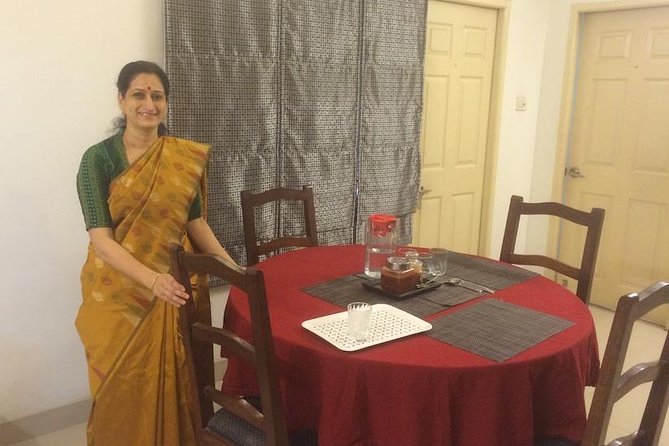
- Eat with Srividya and her family in a home dining setup, not a staged restaurant meal
- Expect seasonal Tamil dishes such as dosas, idlis, kozhukattai, tamarind rice or curd rice, and homemade mango pickle
- You’re on your own for transport to the meeting point (no hotel pickup), though it’s near public transport
Why this Chennai in-home Tamil cooking class feels different
Chennai has plenty of cooking demos. This one feels more real because you’re in a family home kitchen, not a studio. You’re not just watching food happen. You’re learning how the flavors get built—step by step—using ingredients that South India treats as everyday essentials.
Srividya runs the lesson in a way that makes the food feel logical. You’ll hear the stories and cooking hacks behind the dishes, then you’ll eat what you helped make. That combination matters. You don’t just leave full; you leave with a mental map of spices, textures, and timing.
And you get the special kind of meal that only happens when someone’s cooking for their own table. Expect to eat dishes made with care and served in a South Indian way, including on a banana leaf, which changes how you experience the food (portioning, mixing, and tasting all at once).
You can also read our reviews of more tours and experiences in Chennai.
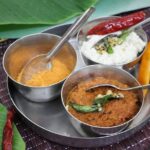
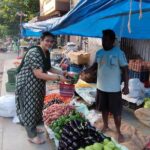
The 3-hour flow: from meeting point to lunch or dinner
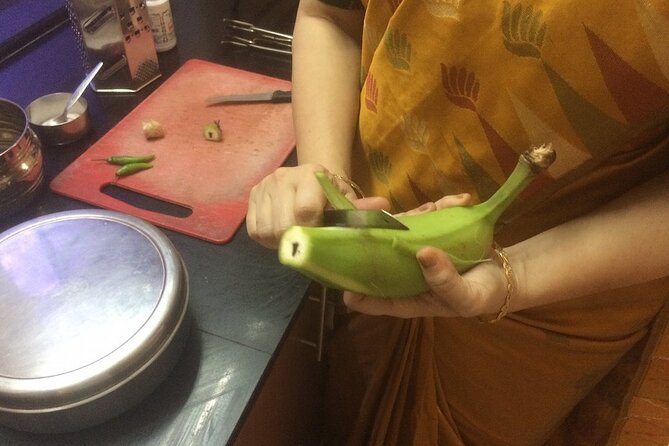
The class runs about 3 hours total. There’s no hotel pickup, so you’ll want to plan an easy ride to the meeting point in T. Nagar.
A typical flow looks like this:
1) Meet in T. Nagar, step into the home kitchen
You start at Arcus – Appaswamy Real Estates Ltd on Giri Rd (New No 21, 9, Satyamurthy Nagar). From there, you move into Srividya’s kitchen area where you’ll set expectations for what you want to learn and what you can eat.
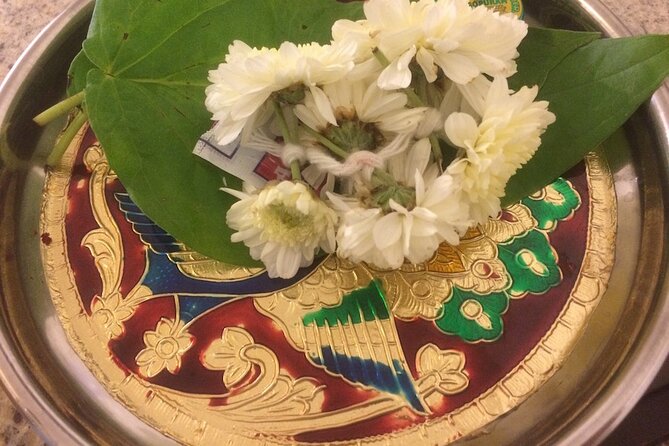
It’s also where the tone is set. In this kind of family home setting, you’ll often get a welcome drink and a quick culture chat before the stove turns on. It’s a small thing, but it helps you relax and pay attention to what matters in the cooking.
2) Menu prep: you focus on 2–3 dishes, not everything
Instead of a long list of dishes, the lesson focuses on 2 to 3 South Indian Tamil dishes. That’s smart. You learn core techniques without feeling rushed or overwhelmed.
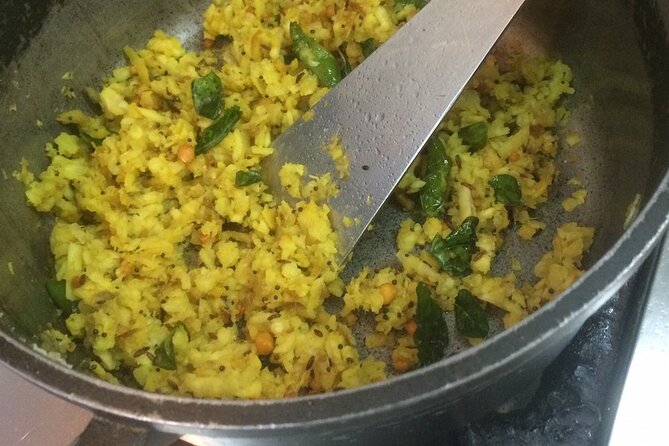
You’ll likely cover components that show up across South Indian meals: seasoning mixes, tempering spices, and building sauces and rice dishes that get balanced with spice, tang, and sometimes coconut.
3) Cooking time: spices, sauces, and textures
As you cook, you’ll use spices highlighted by the lesson approach—things like mustard seeds, coconut, and black pepper. These aren’t random. They’re the backbone of many Tamil flavors, and they show up in different forms across curries, rice, and accompaniments.
This part is where you learn timing. Dosa batter and dosa cooking are about heat and texture. Idlis are about steam and softness. Curries are about layering flavor and letting the sauce come together.
4) Sit down to a full home meal with Srividya and family
Then the lesson becomes the meal. You eat at Srividya’s dining table with the dishes you helped prepare. You may also taste other items from the same food world—seasonal dishes and staples such as tamarind rice, curd rice, and sides like chutneys or pickles.
What you’ll actually cook: dosas, idli, curries, and more
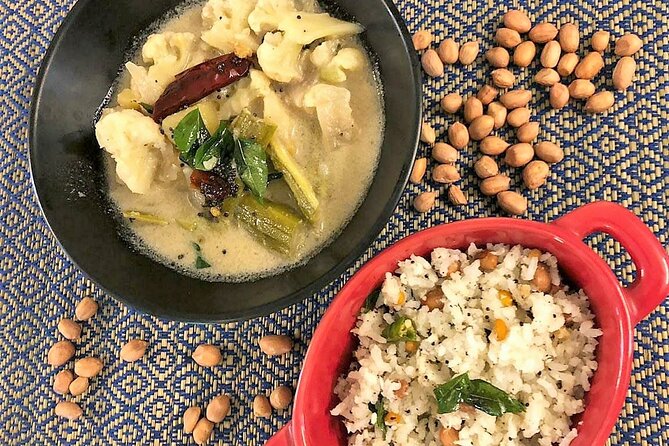
This is a Tamil cooking class, and that shows up in the dish lineup. You can expect to cook 2–3 vegetarian dishes, with examples like curry, dosas, and idli. Depending on the menu and season, you may also taste other items from the broader South Indian Tamil table.
Here are the dishes that are explicitly part of the likely menu, plus what each one teaches you:
Dosas: crispy edges and the heat lesson
Dosas are described as South Indian-style crispy crepes. They’re a great dish for learning because success depends on heat control and how the batter spreads. You’ll get a feel for how the pan and timing make the difference between soft and crisp.
Idli: gentle steam and savory softness
Idlis are described as pillowy, fluffy, savory cakes. That softness is the point. This dish is a good reminder that not everything in South Indian cooking is about intense frying; steam and fermentation (and patience) matter too.
Curries and rice: spice layering you can taste
You’ll cook curries using Tamil-style flavor tools. You’ll also see how rice dishes use tang and spice balance—examples mentioned include tamarind rice and curd rice.
Even when you’re only cooking two or three dishes, these sauces and rice teach you how many meals are built in parallel: one flavor base supports multiple plates.
Kozhukattai: dumplings with texture focus
Kozhukattai are South Indian dumplings, and they help you focus on texture and dough handling rather than just sauce-making. It’s a different skill set, and that variety is part of the value of the class.
Homemade mango pickle: the flavor shortcut
Mango pickle shows up as a homemade favorite. Pickles are one of the fastest ways to make a meal taste complete, because they add tang and punch right when you need it.
If you like big flavor without extra fuss, you’ll probably enjoy this part most. Even when you don’t fully replicate it at home right away, you’ll understand how the tang-forward balance works.
Diet note: While the class centers on vegetarian dishes, seasonal tasting may include non-veg options like fish curry. If you want a strictly vegetarian meal, tell Srividya specific dietary requirements when booking.
The Chennai Tamil flavors that show up at the table
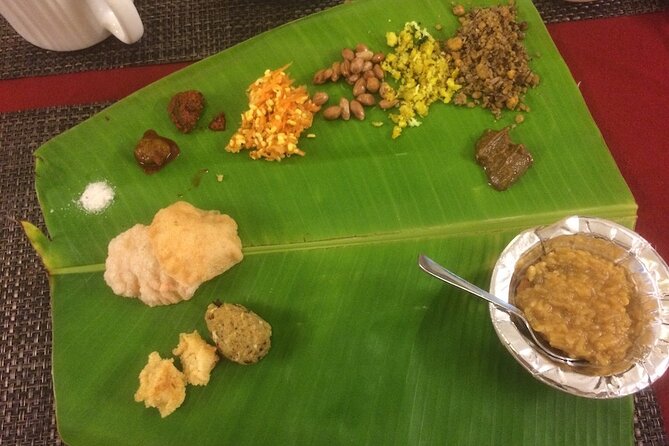
South Indian cooking is bigger than a single dish. One of the best parts of this experience is that your meal reflects that breadth: curries, rice, crisp items, soft items, and pickled brightness all show up together.
You may taste seasonal vegetable curries, and you’ll likely encounter multiple textures in one sitting. Dosas bring crunch. Idlis bring softness. Dumplings add chew. Rice dishes add comfort. Pickle cuts through everything with tang.
Also, you’re not eating in a vacuum. You’re eating in a home setting where the host’s family is part of the meal rhythm. That changes the experience from food tasting to food participation.
Price and value: $46 for a private class plus a meal
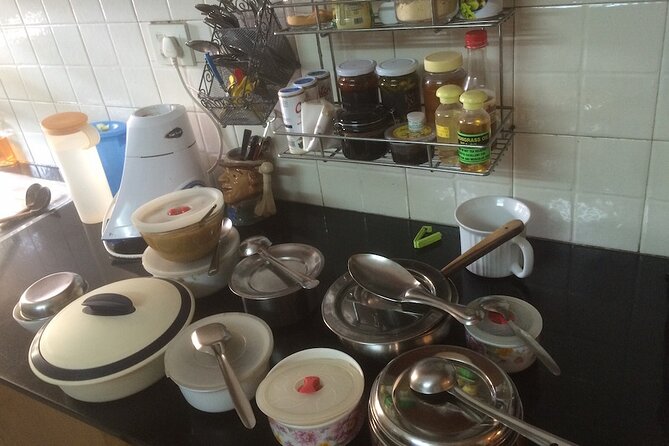
At $46 per person, you’re paying for something that’s usually expensive when it’s done privately: time, a personal host, and real food. You’re not just paying for cooking instructions. You’re paying for access to Srividya’s home kitchen, her cooking knowledge, and a full meal at her dining table.
The value gets better because:
- You get a clear time box (about 3 hours) rather than an all-day program
- The experience includes your meal, not just snacks
- The class is private, so the pacing can match your questions
- It can be scheduled to end in lunch or dinner, which reduces the need to plan another meal separately
If you’re comparing it to paying for a cooking class plus eating out afterward, this usually stacks up well. You also get a skill you can reuse—how spices get tempered, how texture dishes work, and how Tamil-style rice and curry patterns fit together.
Logistics that matter: getting there in T. Nagar
No pickup means the biggest practical challenge is transport. Your start point is in T. Nagar (Giri Rd, Satyamurthy Nagar). The experience is near public transportation, which is helpful.
Here’s how I’d plan it:
- Give yourself a little extra buffer time. Home-based experiences run on local timing.
- If you’re using a ride-hail car or taxi, make sure you share the exact meeting address so you don’t waste time arguing with the map.
- If you’re coming straight from another part of Chennai, choose the time slot that gets you there without sprinting.
Also watch for the email confirmation timing after booking. You’ll receive confirmation, and a mobile ticket is used.
Who this is best for (and who should think twice)
This class is a great fit if you:
- Want an authentic South Indian Tamil meal with context, not just recipes
- Like asking questions while food is on the stove
- Prefer small, structured learning (2–3 dishes) over chaotic multi-dish marathons
- Enjoy home settings where you share the table
It might be less ideal if you:
- Expect a highly hands-on class where you do every step without guidance
- Want a takeaway recipe pack with measurements. Nothing like that is promised in the provided info, so plan on taking notes if that’s important to you.
Should you book this Chennai Tamil cooking class with Srividya?
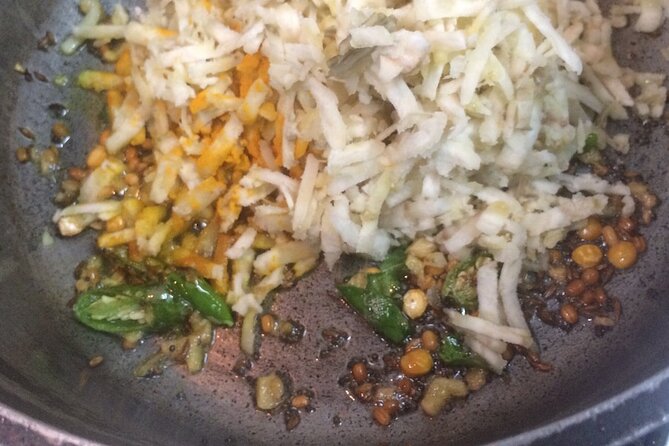
If you want a meal you can learn from, I think this is a smart booking. The combination of private in-home cooking, Tamil-focused dishes, and eating together at a family table is exactly what makes these experiences more than a food photo stop.
Book it if you enjoy learning how flavors work—especially spice tempering, rice balance, and the texture differences between dosas and idli. Also, if you have dietary needs, this format gives you a direct way to request changes at booking.
Think twice only if you’re chasing a fully hands-on, chop-everything style of class. If that’s your goal, message Srividya ahead of time with what you want to do during the lesson.
FAQ
How long is the private South Indian Tamil cooking class?
It’s about 3 hours long.
Is this a private class or a group tour?
It’s private. Only your group participates.
What dishes will I cook during the lesson?
You’ll prepare 2–3 South Indian Tamilian dishes from scratch. Common examples include curry, dosas, and idli (and other South Indian dishes may appear depending on the menu).
Is the cooking class vegetarian?
The lesson includes 2–3 vegetarian dishes. You should advise dietary requirements at booking, since seasonal dishes mentioned can include items like fish curry.
Do I get hotel pickup and drop-off?
No. Hotel pickup and drop-off aren’t included, and it ends back at the meeting point.
Where do I meet for the class?
You start at Arcus – Appaswamy Real Estates Ltd, New No 21, 9, Giri Rd, Satyamurthy Nagar, T. Nagar, Chennai, Tamil Nadu 600017, India.
Can I choose whether it ends with lunch or dinner?
Yes. You have a choice of time that ends in lunch or dinner.
How does cancellation work?
Free cancellation is available. You can cancel up to 24 hours in advance of the experience start time for a full refund.
—
If you tell me your travel dates and whether you prefer lunch or dinner, I can suggest how to time it with your Chennai sightseeing so the day feels smooth.