REVIEW · JAIPUR
Jaipur: Traditional cooking class and storytelling session
Book on GetYourGuide →Operated by RA infra Projects Pvt Ltd · Bookable on GetYourGuide
Dinner with a storyteller beats another buffet. This Jaipur evening couples hands-on Rajasthani cooking with myth-inspired stories shared after dinner, so you learn ingredients and the values behind them. Two things I like a lot are the spice-knowledge lesson (including medicinal uses) and the warm family feel. The only real drawback to consider is that you may get tons of info in the moment without written recipes, so you’ll want to take notes if you cook by following exact steps.
You’re not stuck watching from the side. You’ll actively help make classic dishes like daal baati, work with staples such as wheat flour, millets, and lentils, and get practical tips for everyday cooking in Rajasthani kitchens. The host leads the class in English, and there’s time for interpretation questions after the story ends.
The price—$27 for 3.5 hours—feels fair because it’s not just food. You’re also getting bottled water for cooking and drinking, non-alcoholic savories/drinks, a guest spice basket to use later, and parting souvenirs, all tied together with storytelling that lingers.
In This Review
- Quick hits before you book
- Arriving Near Science Park: A Jaipur Home, Not a Cooking Studio
- Hands-on Rajasthani Cooking: Daal Baati, Millets, Lentils, and Spice Medicine
- What you’ll likely be making
- The spice lesson that makes this different
- Practical technique, not mysticism
- The Dinner Table: A Shared Home Meal and Non-alcoholic Drinks
- Mythological Storytelling After Dinner: Epics, Values, and Q&A
- What You Take Home: Spice Basket, Souvenirs, and the Refund of Your Effort
- Price and Value: Why $27 Makes Sense for a 3.5-Hour Evening
- Who Should Book This Jaipur Cooking and Storytelling Night
- Tips to Get the Most From Your 3.5 Hours
- Should You Book This Jaipur Cooking and Storytelling Class?
- FAQ
- How long is the Jaipur traditional cooking class and storytelling session?
- Where is the meeting point?
- Is the class taught in English?
- What dishes or food will I cook?
- Is alcohol included or allowed during the session?
- What’s included in the price?
- Is the experience beginner-friendly?
- Can I ask questions during the storytelling?
- Is there free cancellation?
Quick hits before you book
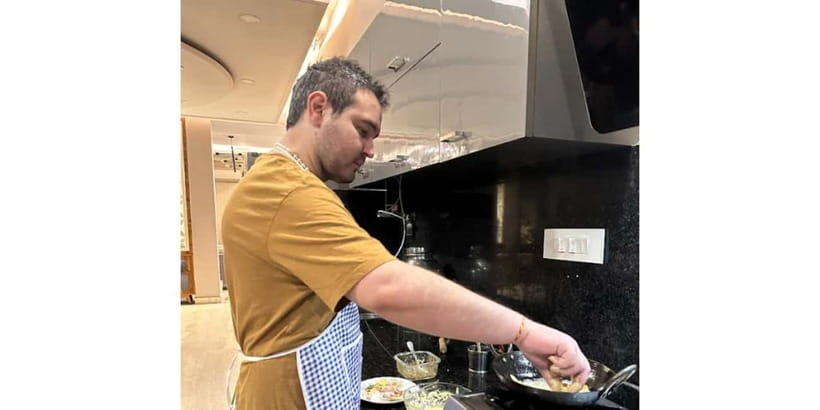
- A host-led home kitchen near Science Park, Shastri Nagar, where you cook with the family atmosphere baked in
- Spice medicinal uses explained while you cook, not after, so it actually sticks
- Daal baati-style Rajasthani dishes plus hands-on technique for common grains and legumes
- Storytelling after dinner inspired by Indian epics and cultural traditions
- Take-home spice basket and souvenirs that make the evening keep paying off later
Arriving Near Science Park: A Jaipur Home, Not a Cooking Studio
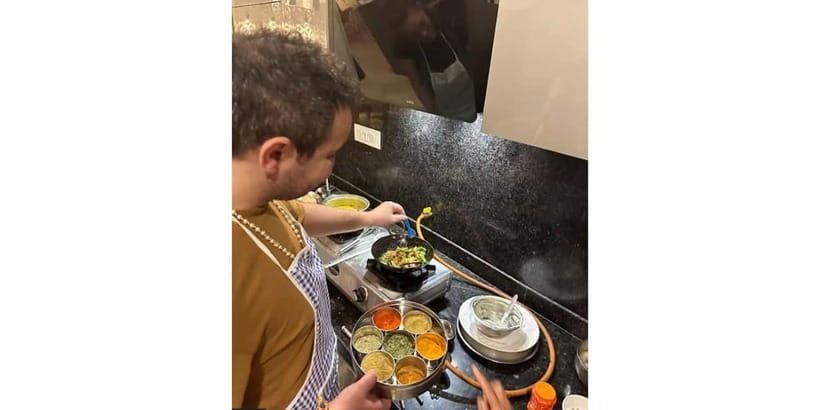
The meeting point is near Science Park in Shastri Nagar, so you’re starting in a real neighborhood, not a tourist zone. From the moment you arrive, the vibe is meant to feel welcoming and relaxed—think family hospitality more than show-and-tell.
One reason I recommend this kind of setup: you get to see how cooking fits into daily life. It’s not just plating and posing. You’ll notice the small rhythm of a home kitchen—how ingredients are handled, how spices are measured and used, and how everyone talks while food is underway.
Also, plan your evening mindset. You’ll get the most out of it if you stay curious and ask questions while you’re prepping. The host’s storytelling part also allows for questions after the story ends, which helps you connect what you heard to what you’re experiencing in the room.
You can also read our reviews of more tours and experiences in Jaipur.
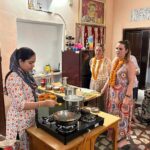
Hands-on Rajasthani Cooking: Daal Baati, Millets, Lentils, and Spice Medicine
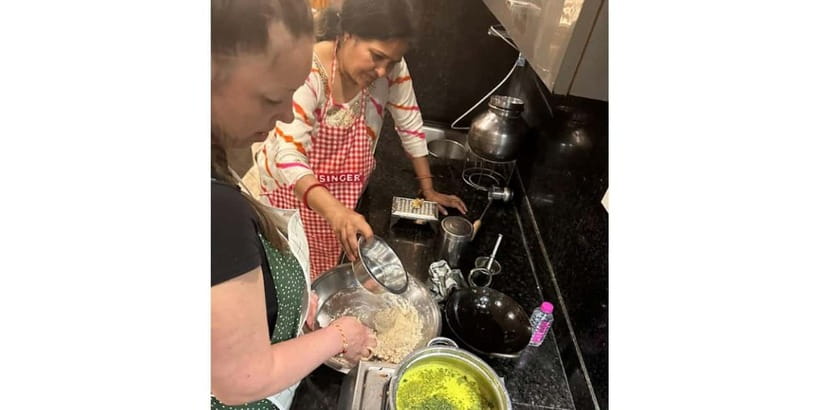
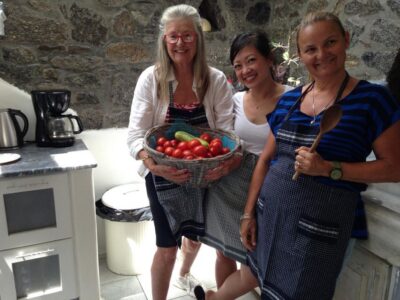
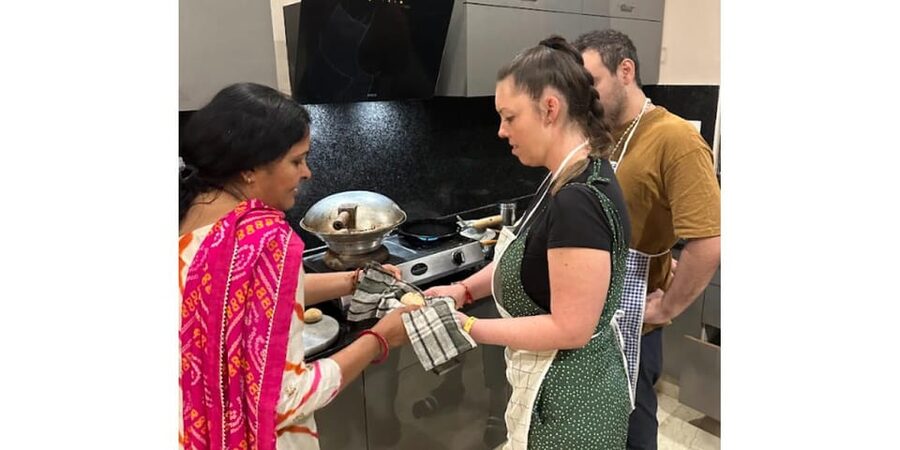
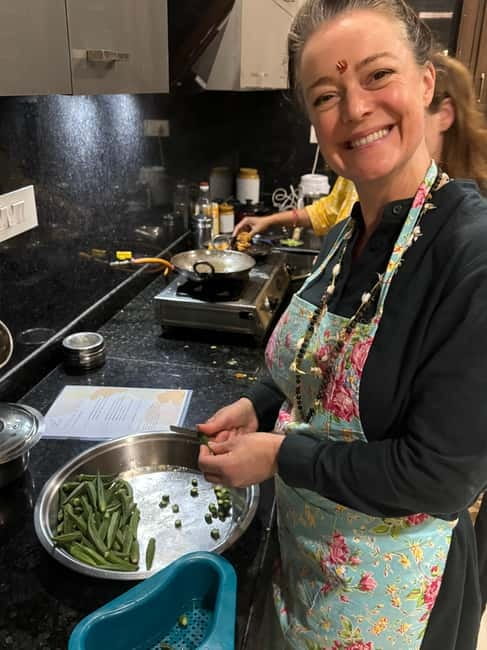
This is a fully interactive cooking class for all skill levels. You don’t need fancy knife skills or a kitchen background. The aim is to teach you the core logic behind Rajasthani cooking—what you’re using, why you’re using it, and how to make it in a home kitchen.
What you’ll likely be making
You can expect classic dishes in the Rajasthani world. Daal baati is a centerpiece from the provided description, and the method is hands-on. You’ll also work with ingredients such as:
- wheat flour
- millets
- lentils
- traditional spices
Some guests have also learned street-style vada pav during their class, so if you’re a person who loves variety, it’s worth knowing the menu can include more than just one regional dish.
The spice lesson that makes this different
Here’s where the class goes beyond “add this, then that.” You’ll learn about traditional spices, including their medicinal uses. That means you’re not just memorizing flavor combinations—you’re understanding how people in the region think about spices as part of everyday wellness.
In a cooking class, “spice medicine” could sound like a lecture that never lands. The smart part here is that it’s tied to what’s actually in your pot. You’ll see how spice choices change the dish as you go, and that makes the information easier to remember when you’re cooking later.
Practical technique, not mysticism
You’ll also get simple cooking techniques used in everyday Rajasthani kitchens. That matters if you want results back home. When a class teaches you the basic moves—timing, heat control, and how grains/legumes behave—you can replicate the dish without needing a kitchen the size of a restaurant.



The Dinner Table: A Shared Home Meal and Non-alcoholic Drinks
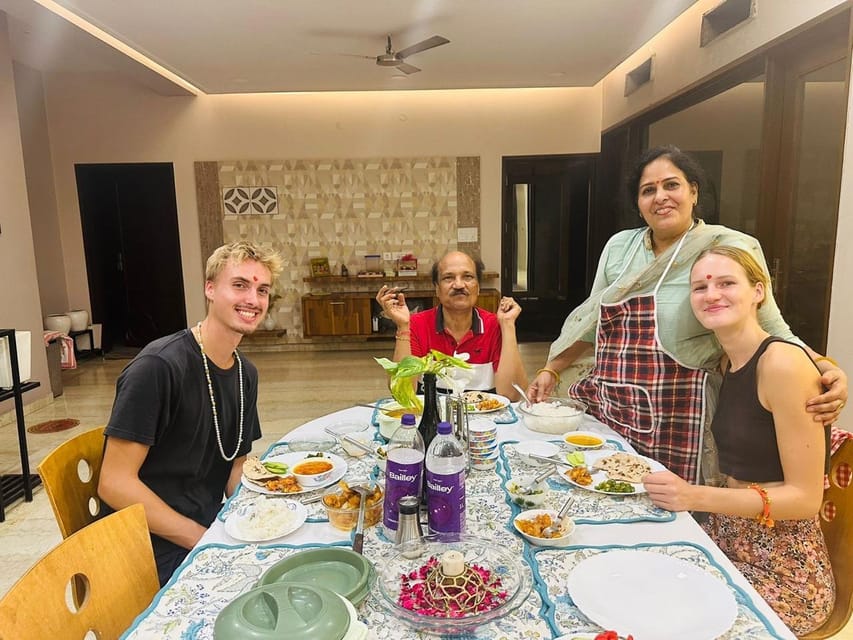
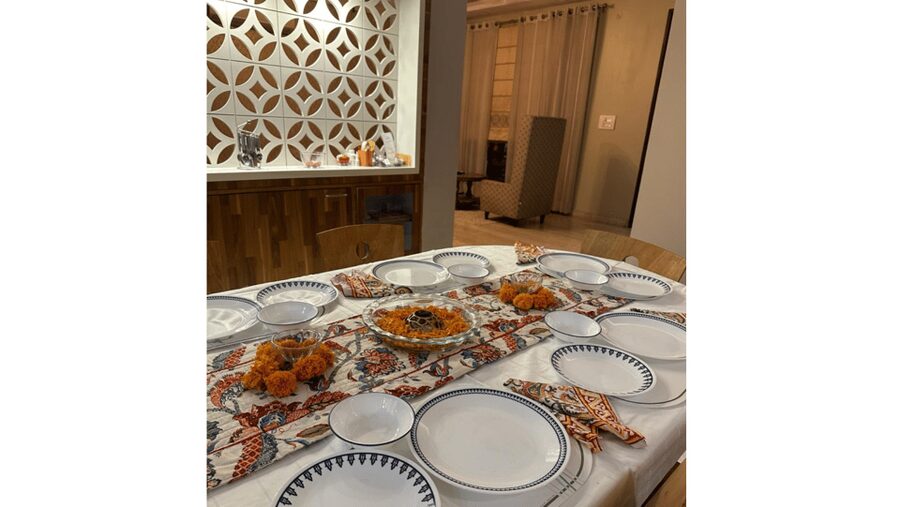
After you cook, you sit down together for a home-style meal. This is one of those “quietly brilliant” parts of the experience. Cooking can make you hungry in a very honest way. Then dinner lets you taste what you made while the room is still warm with conversation.
The dinner also comes with bottled water for cooking and drinking, plus special savories and non-alcoholic drinks. Since alcohol isn’t served or permitted during the session, the evening stays grounded and family-style, with fewer distractions and a calmer pace for the storytelling portion.
If you’re wondering about dietary specifics: the description emphasizes grains, lentils, and spice work, and the overall structure is vegetarian-friendly. Still, the only safe way to frame it is this: you’ll be cooking traditional Indian dishes built around wheat, millets, lentils, and spices. If you have strict dietary needs, you’ll want to message the provider before you go.
Mythological Storytelling After Dinner: Epics, Values, and Q&A
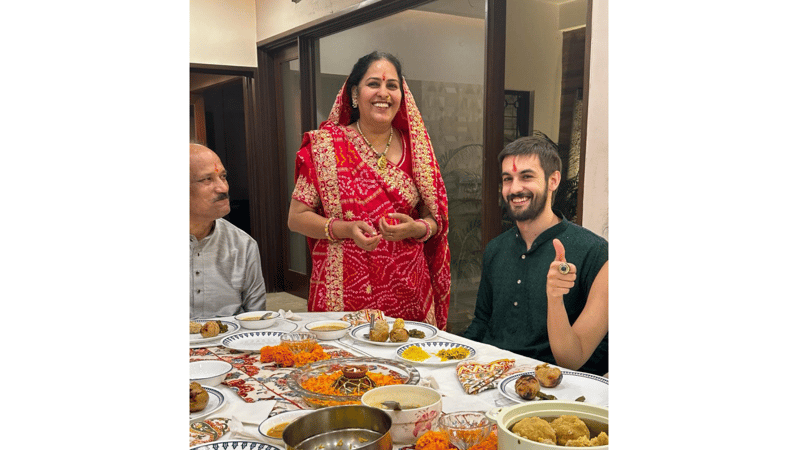
The storytelling happens after dinner, led by the host. It’s inspired by Indian mythology and local culture, and it’s not delivered like a school lesson. It’s designed to connect the morals and values from the stories to everyday life—exactly the kind of context that helps food feel like more than just flavor.
What I particularly like about this structure is timing. After you’ve worked with the ingredients, you’re no longer an outsider looking in. You’ve earned your way into the evening. Then the stories land with more meaning because you’re already part of the shared experience.
You can also ask questions and offer interpretations after the story ends. That’s a big deal for English speakers who want clarity without interrupting the flow mid-tale. If you enjoy thinking about meaning—why a story is told, what it teaches, how people apply it—this section is often the highlight.
From the descriptions and how guests describe the evening, the storytelling can run emotional, not just entertaining. Plan on leaving a little more thoughtful than when you arrived.
What You Take Home: Spice Basket, Souvenirs, and the Refund of Your Effort
This experience isn’t only about what happens in the kitchen. You’re also sent off with items to keep the flavors and learning alive.
Included take-home goodies:
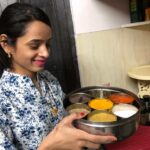
- a guest spice basket (a mix of Indian spices you can use in your country)
- parting gifts/souvenirs
That spice basket is a practical souvenir, not just decoration. Once you’re back home, you can recreate the core flavor profiles you learned—especially the spice mixes and the approach to seasoning used in Rajasthani cooking.
And because bottled water is provided for cooking and drinking, you don’t have to worry about what’s safe to sip during the class.
Price and Value: Why $27 Makes Sense for a 3.5-Hour Evening
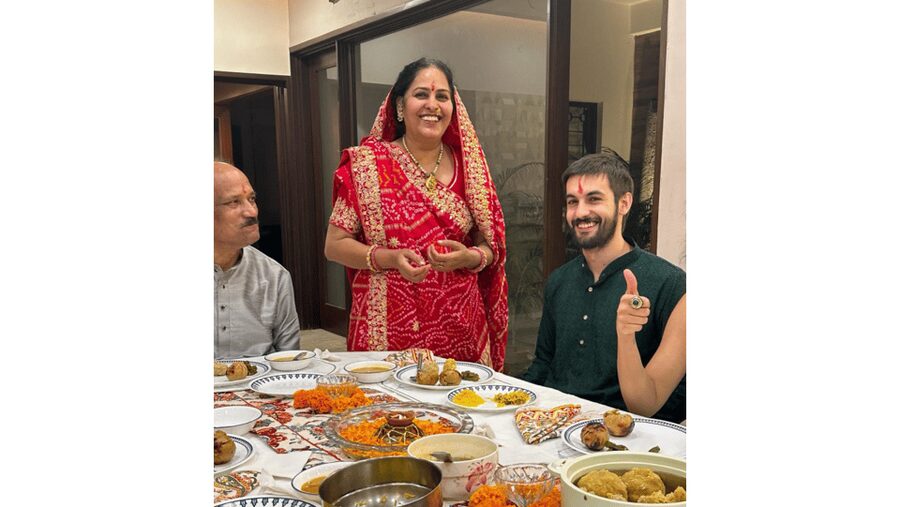
At $27 per person for 3.5 hours, the value is strong if you like experiences that mix skills, culture, and time with real people.
Here’s why:
- You’re paying for a private home-hosted class format, not a quick demonstration.
- The price covers dinner after cooking, plus non-alcoholic savories/drinks.
- It includes the spice basket and parting souvenirs.
- Bottled water is included for both cooking and drinking.
- GST is included in the total.
If you were to compare it to paying for dinner plus a separate cultural activity, the combined package usually costs more. Here, you get one ticket that buys both the hands-on learning and the storytelling context.
It’s also a good price point for people who travel solo. You’re not relying on a group tour to feel personal—the family setting does that work for you.
Who Should Book This Jaipur Cooking and Storytelling Night
Book it if you want:
- a hands-on cooking class where you help make the food
- to understand spices beyond taste—especially their traditional medicinal uses
- a home setting where conversation and family energy matter
- mythology storytelling in a relaxed, Q&A-friendly way
This is also a great fit for:
- solo travelers who don’t want to eat alone
- couples who want something more meaningful than a standard dinner
- groups of friends who enjoy learning and chatting at the same time
You might want to look elsewhere if you strongly prefer restaurant-style dining only, or if you need detailed written recipes for every dish. The class runs at a conversational pace, so you’ll have to stay engaged and take notes if you’re the follow-the-instructions type.
Tips to Get the Most From Your 3.5 Hours
A few small choices will make the evening smoother:
- Come with a light stomach. You’re cooking and then eating, and you’ll want room for it.
- Be ready to ask questions as you cook. The host welcomes curiosity while you’re preparing food.
- Take notes on spices and steps. One shared concern from a guest: it can be hard to remember everything without written material.
- Expect a no-alcohol environment. Alcohol and drugs aren’t permitted, and the drinks provided are non-alcoholic.
- Wear something you can move in. You’ll work in a kitchen space, not a formal dining room.
If you’re the type who loves tasting as you go, this class will feel like a conversation with your senses.
Should You Book This Jaipur Cooking and Storytelling Class?
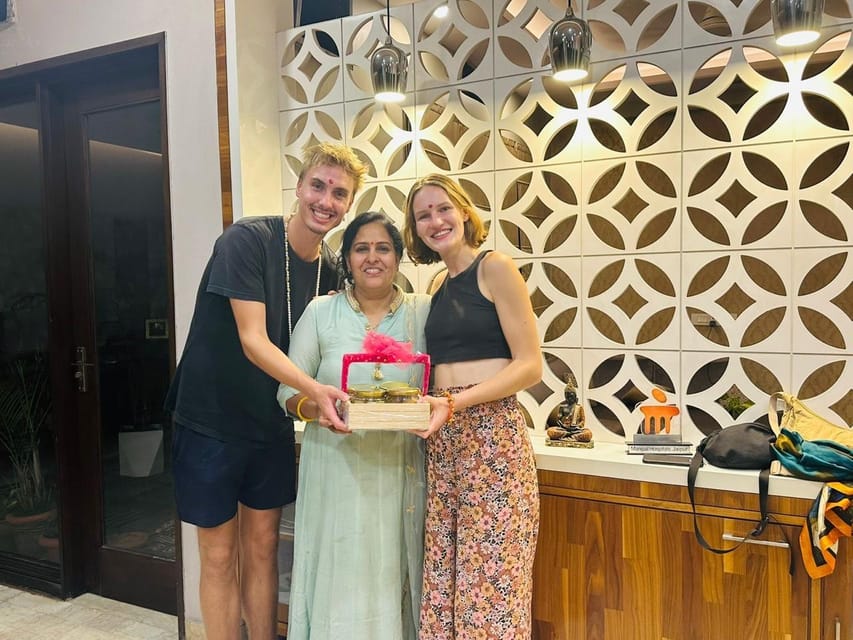
If your goal is to experience Jaipur from the inside—through food, spice knowledge, and myth-based storytelling—this is a smart booking. The home atmosphere is a big part of the value, and the format makes it hard to feel like a tourist passing through. You leave with dinner memories, new cooking skills, and a spice basket you can actually use.
I’d tell you to book it if you’re comfortable being interactive and you enjoy learning cultural context along with the recipe basics. If you need strict written recipes or a very structured class with worksheets, then you may want to compensate by taking your own notes during the session.
FAQ
How long is the Jaipur traditional cooking class and storytelling session?
It lasts 3.5 hours.
Where is the meeting point?
The meeting point is near Science Park, Shastri Nagar.
Is the class taught in English?
Yes. The instructor is listed as English.
What dishes or food will I cook?
You’ll prepare classic Indian dishes such as daal baati, and you’ll work with ingredients like wheat flour, millets, and lentils. Some sessions may include other classic street-food style items like vada pav.
Is alcohol included or allowed during the session?
No. Alcohol is neither served nor permitted during the session.
What’s included in the price?
Included: the cooking class at the host’s residence, dinner, the mythological storytelling session after dinner, a guest spice basket, bottled water for cooking/drinking, special non-alcoholic savories/drinks, parting gifts/souvenirs, and GST.
Is the experience beginner-friendly?
Yes. The cooking session is described as interactive and suitable for all skill levels.
Can I ask questions during the storytelling?
Yes, you can ask questions and share interpretations after the story has ended.
Is there free cancellation?
There is free cancellation up to 24 hours in advance for a full refund.