REVIEW · HUE VIETNAM
Hue City: Cyclo, Market Tour & Cooking Class at Madam Thu
Book on GetYourGuide →Operated by Madam Thu Hospitality · Bookable on GetYourGuide
Hue tastes better when you learn it by hand. This Hue City experience strings together a cyclo ride over the Perfume River, a guided stop at Dong Ba Market, and then real cooking at Madam Thu Restaurant. You also get small cultural touches that make it feel like a day with locals, not just a ticketed demo.
What I like most is the start: that cyclo to Dong Ba Market setup gives you a quick, practical view of everyday Hue before you even touch ingredients. And I also like the main event: you cook three signature Hue dishes, Bún Bò Huế, Bánh Nậm, and Nem Rán, with clear instruction and plenty of help from the chef and English-speaking guide.
One consideration: a minority of participants have raised questions about food hygiene practices (like handwashing and utensil contact during raw/cooked steps). If you’re very strict about that, pay attention during the prep and feel free to ask how they manage the handoff between raw and cooked items.
In This Review
- Key highlights that matter in the real world
- Why the cyclo-to-market start makes this Hue cooking class click
- Dong Ba Market: how to shop for the flavors behind Bún Bò Huế and friends
- Madam Thu Restaurant and the herbal foot bath reset your day
- Hands-on kitchen time: three Hue dishes you actually learn to make
- Bún Bò Huế (Hue Beef Noodle Soup)
- Bánh Nậm (Steamed Dumpling Cake)
- Nem Rán (Fried Spring Rolls)
- Practical note on portions
- Eating what you make (and taking Hue home)
- Price and value: why $29 can still feel like a steal
- Who should book this Hue cooking class, and who should think twice
- Timing and practical tips for the smooth 3–4 hour flow
- Should you book Madam Thu’s Hue Market Tour & Cooking Class?
- FAQ
- What’s the duration of the Madam Thu Hue cooking class?
- Where do I meet for the tour?
- Is hotel pickup included?
- Do we visit Dong Ba Market?
- What dishes will I learn to cook?
- What happens after the cooking class?
- Is there an English-speaking guide?
- What’s the herbal foot bath?
- Can the class accommodate dietary needs?
- Is it wheelchair accessible?
- What should I bring and wear?
Key highlights that matter in the real world
- Cyclo over the Perfume River to Dong Ba Market for an easy, scenic intro to Hue’s daily rhythm
- Guided ingredient shopping at Dong Ba Market, including picking fruit for dessert
- Herbal foot bath at Madam Thu with medicinal herbs to slow you down before cooking
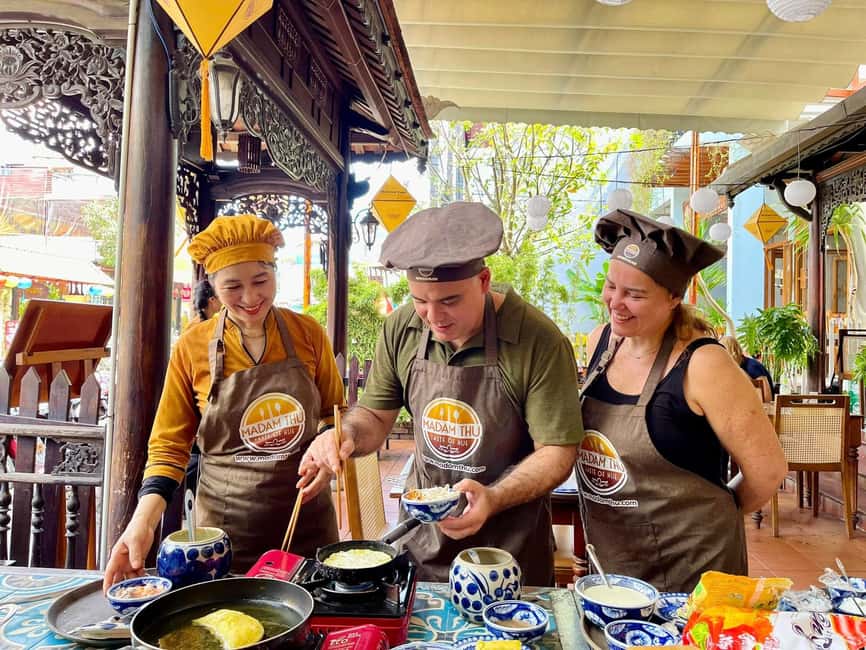
- Hands-on cooking of three Hue classics: Bún Bò Huế, Bánh Nậm, Nem Rán
- You eat your results on-site, not just watch, plus you get a certificate and take-home recipes
Why the cyclo-to-market start makes this Hue cooking class click
Hue cooking classes can be either too staged or too “cookbook.” This one finds a better middle ground because it starts with movement and real sourcing.
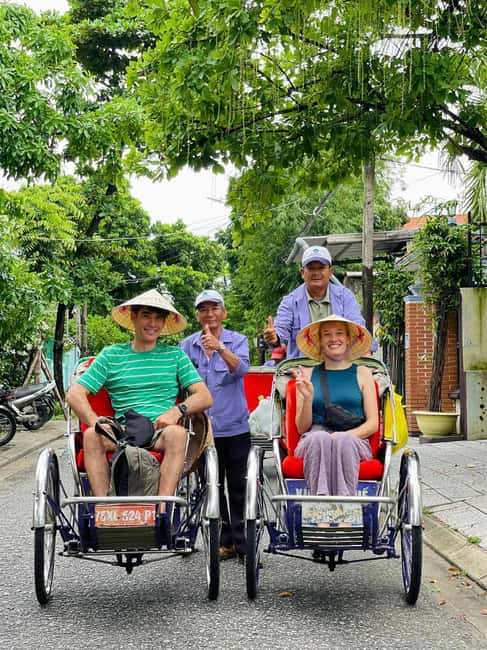
First, you’re picked up from your Hue City center area and brought to Madam Thu 2 Restaurant (meeting point: 04 Võ Thị Sáu Street). From there, the experience often includes a cyclo ride across the Perfume River toward Dong Ba Market. Even if you think you’ve seen enough riverside views, this segment is useful: it sets the scene, and it gets you out of the restaurant mindset.
Then you walk into Dong Ba Market with an English-speaking local guide. That matters because in Hue, the flavor isn’t just in the final broth or sauce. It comes from the ingredient choices you make along the way—things like fresh herbs, the way ingredients are cut, and how vendors sell produce you’ll use later.
In short: by the time you reach the kitchen, you’re already “speaking” Hue. You’ll know what you’re cooking with and why.
You can also read our reviews of more tours and experiences in Hue Vietnam.
Dong Ba Market: how to shop for the flavors behind Bún Bò Huế and friends
Dong Ba Market isn’t just a place to browse. It’s part of how this experience teaches you cooking.
Your guide helps you understand local ingredients as you move through the market, which is a lot more helpful than simply being told a recipe list. You’ll also get the chance to pick fruit for dessert after the cooking session—small detail, big payoff. It connects the whole day: market to kitchen to meal.
Here’s what you’ll likely find most practical about the market visit:
- You learn what ingredients look like when they’re fresh (and which ones you’ll want to mimic if you try this at home).
- You get a guide’s shortcuts for pairing flavors the way Hue cooks do.
- You get context for the dishes you’ll cook later, so the steps in the kitchen feel logical instead of random.
Timing-wise, the market portion also helps break up the day. You’re not standing in one spot waiting to cook. You’re walking, looking, asking questions, and building small familiarity with Hue produce.
One tip: wear comfortable shoes. You’re on foot in a market environment, and you’ll feel it if your footwear is cute but not supportive.
Madam Thu Restaurant and the herbal foot bath reset your day
Once you’re back at Madam Thu Restaurant, you get welcomed with a refreshing drink. Then comes the part people remember: a traditional herbal foot bath with medicinal herbs.
This isn’t just a quirky extra. It gives you a chance to slow down after movement and walking. Your feet cool off, you reset mentally, and you’re ready for hands-on cooking.
The overall vibe at Madam Thu is warm and friendly. Many participants highlight staff who are kind and attentive, and that matters because cooking classes go better when you feel relaxed—not rushed.
Also pay attention to how the class transitions from relaxation to cooking. That change of pace keeps the energy up, and it makes the kitchen feel like a workshop rather than a classroom.
Hands-on kitchen time: three Hue dishes you actually learn to make
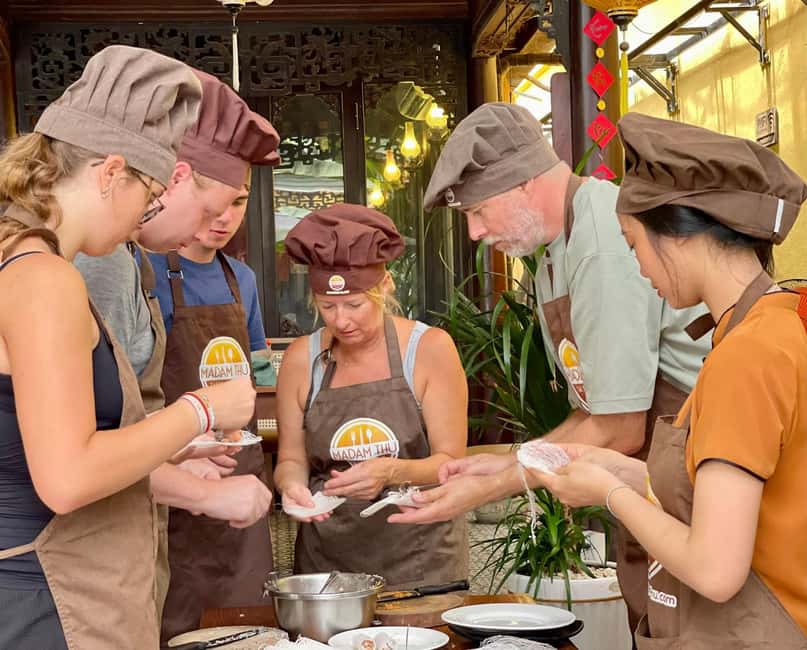
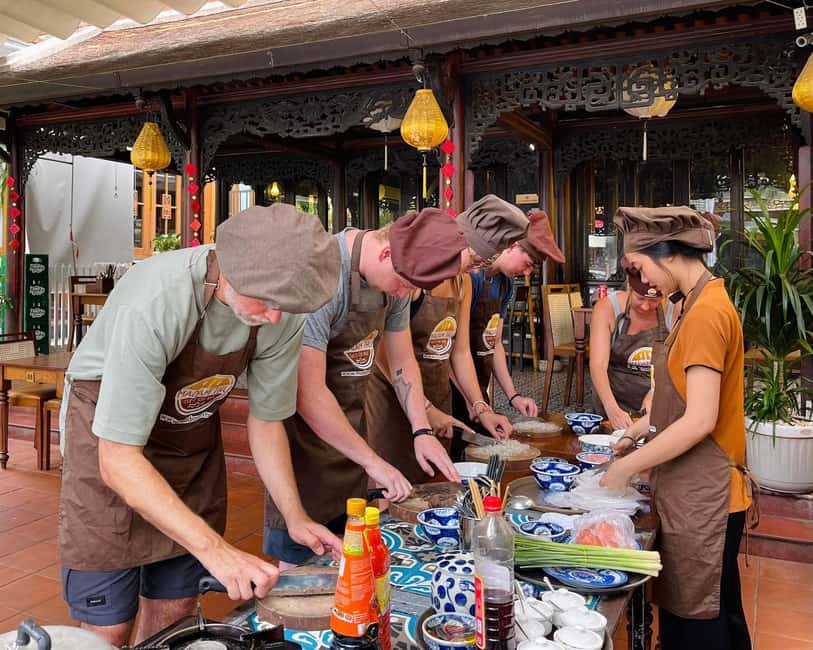
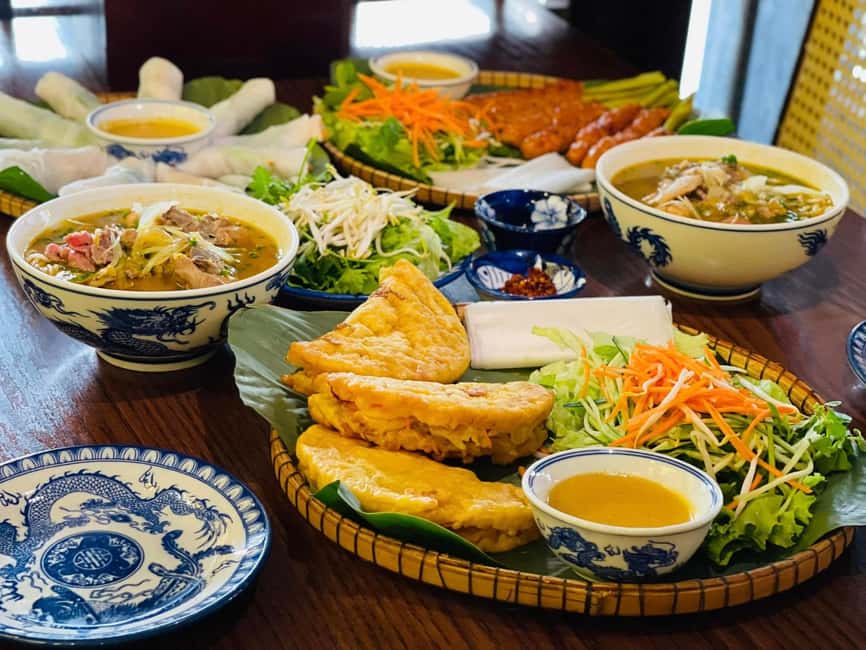
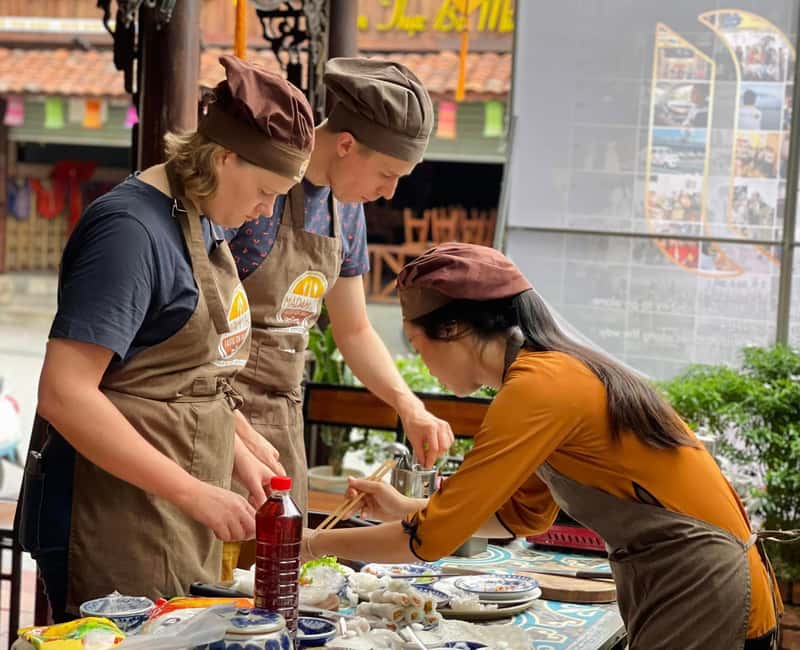
This is the heart of the experience. You’ll cook three dishes linked to Hue’s comfort-food reputation and noodle/savory-snack culture.
You’ll work with the chef and your English-speaking guide, and instruction is paced so beginners can follow along. People often mention the explanations are clear and the steps feel manageable, which is exactly what you want in a short 3–4 hour class.
Bún Bò Huế (Hue Beef Noodle Soup)
This dish is the flavor anchor of many Hue meals. In class, you’ll learn the building blocks that create the broth’s character—how seasonings come together and how the soup is assembled.
Why this dish is a smart choice for a class: if you can reproduce the logic of Hue beef noodle soup, you’ll understand a lot of Hue flavor thinking—not just one recipe.
Bánh Nậm (Steamed Dumpling Cake)
Bánh Nậm is delicate and technique-dependent. You’ll learn how to prepare the dumpling cake properly and how the steaming step affects texture.
This is one of those dishes where “ingredient” matters, but so does “handling.” If your goal is to cook beyond basic fried food, Bánh Nậm is a great way to stretch your skills.
Nem Rán (Fried Spring Rolls)
Nem Rán brings the crunch. In many classes, frying is chaotic and frustrating. Here, the instruction is designed to make it feel doable, with guidance on rolling and shaping so you get something you’ll be proud to eat.
It’s also an efficient dish to learn in a short time because you can practice the core movements without needing a huge prep timeline.
Practical note on portions
Plan for a generous amount of food. One participant specifically noted the amount you make is too much for one person and recommended bringing a doggy bag idea in your head. That’s not a bad problem to have; it just affects how hungry you want to be after.
Eating what you make (and taking Hue home)
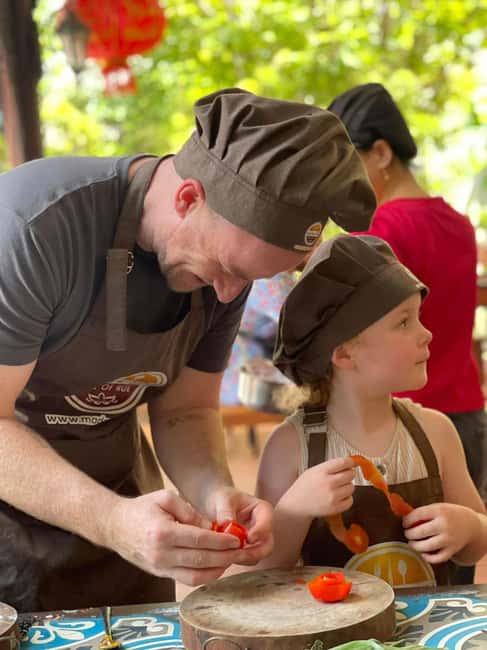
After cooking, you gather and enjoy your dishes in a warm, friendly setting. This is a big value point: you don’t just leave with recipes; you eat the results, while the class is still fresh in your mind.
Then you get a certificate and take-home recipes. Those two things are small, but they help you remember the proportions and techniques later. If you plan to cook again, take photos of the finished dishes and any key bowls or mixes your chef uses—recipes are easier when you can see what you’re aiming for.
Also note the flexibility: if you’re not finishing everything, staff have been reported to help prepare take-away boxes. That makes the meal less stressful, especially if you’re traveling light.
Price and value: why $29 can still feel like a steal
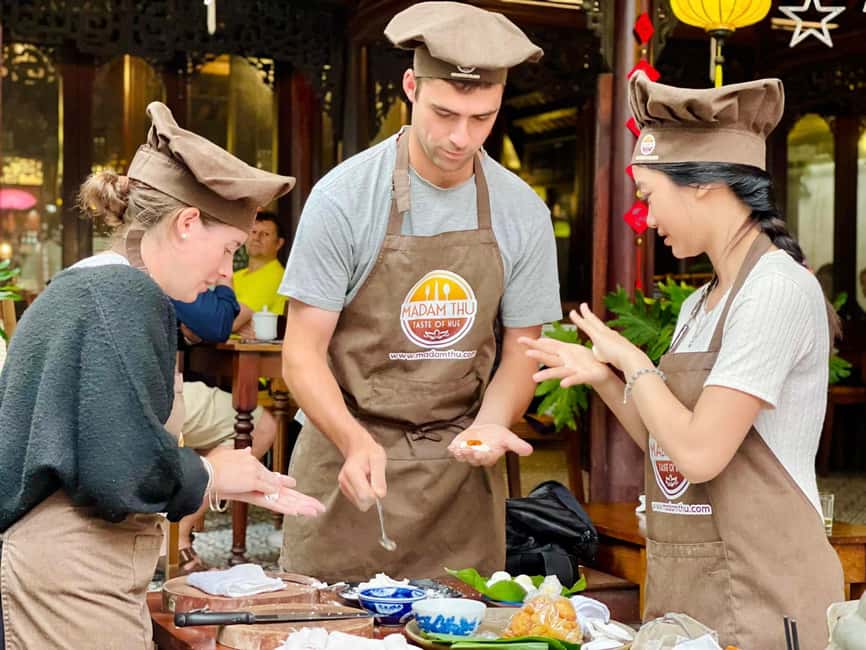
At $29 per person for a 3–4 hour experience, the value comes from the mix, not just the meal.
You’re getting:
- Hotel pickup from central Hue area
- An English-speaking local guide
- A guided market ingredient stop
- A hands-on cooking class making three dishes
- A welcome drink
- A herbal foot bath
- Lunch/dinner at the restaurant
- Certificate plus take-home recipes
Many food tours in Vietnam either focus heavily on a market and leave the cooking light, or they focus on cooking and skip the ingredient sourcing. Here, you get both, plus the foot bath and the meal on-site.
If you care about learning what makes Hue food taste like Hue, that ingredient market piece isn’t filler. It’s what turns the class from entertainment into a skill you can repeat.
Who should book this Hue cooking class, and who should think twice
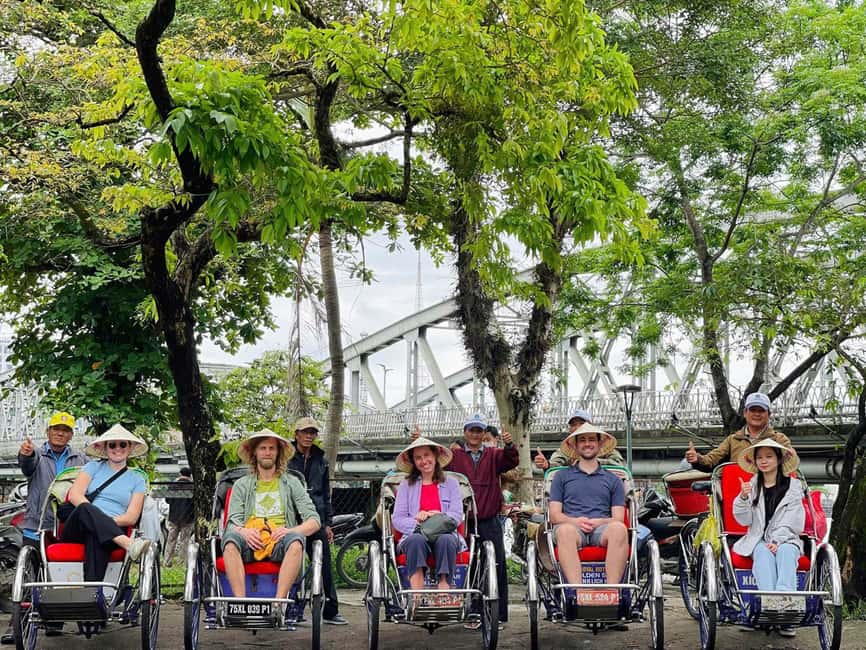
This experience suits food lovers, culture seekers, and anyone who wants a clear, hands-on way to connect with Hue cuisine.
It’s also a good fit for:
- People who want an English-led experience (guide is English-speaking)
- Beginners who want guidance with rolling and stepping through multiple dishes
- Families, as long as kids are accompanied by an adult (children under 5 are not suited)
A few people should think twice:
- If you’re sensitive to food hygiene practices: there’s at least one report expressing concern about cross contamination and limited handwashing during raw/cooked handling. If that’s a dealbreaker for you, you may want to ask how they separate raw and cooked steps.
- If you have mobility needs: it’s not wheelchair accessible due to the market visit and the cyclo ride.
- Very young kids and very elderly visitors: it’s not suitable for children under 5, and it notes people over 95 years.
Dietary requirements: you should inform them in advance of allergies or dietary preferences (vegetarian, vegan, no seafood, etc.). One vegetarian participant reported the class was adjusted well, which is a promising sign, but the safest move is always to share your needs ahead of time.
Timing and practical tips for the smooth 3–4 hour flow
This is a short, efficient day. You’ll want to treat it like a mini workshop, not a half-day to wander.
A few practical things to do before you go:
- Arrive at least 10 minutes early at Madam Thu 2 Restaurant so you can start on time.
- Wear comfortable clothes and shoes for market walking and cyclo seating.
- Bring any allergy/diet notes clearly when you confirm booking.
- Provide the correct WhatsApp number so staff can contact you to reconfirm your booking.
Also, plan your day around the fact you’ll be eating your meal at the end. If you’re doing other Hue sightseeing right after, you’ll likely want an easy schedule—your energy will be best saved for a relaxed afternoon walk rather than another big tour.
And if you hate surprises: this class runs at a steady pace. The foot bath is a nice buffer, but you won’t have hours to browse or linger.
Should you book Madam Thu’s Hue Market Tour & Cooking Class?
If you want a Hue experience that connects market ingredients to three real dishes—served as a full meal—this is a strong choice for the money. The cyclo start across the Perfume River and the guided shopping at Dong Ba Market give the cooking lesson context. And the herbal foot bath plus friendly staff make the day feel human, not mechanical.
I’d especially recommend it if you:
- Want to cook more than one dish (three is the sweet spot here)
- Prefer guided instruction over figuring recipes out on your own
- Like food experiences that also teach you what to look for in ingredients
I’d think twice if food hygiene details are a major concern for you. That one report is worth taking seriously. If that’s you, ask questions in the moment and trust your comfort level.
Overall: at $29, with hands-on cooking, an on-site meal, and take-home recipes, this is the kind of Hue day that’s easy to justify—and hard to forget.
FAQ
What’s the duration of the Madam Thu Hue cooking class?
The experience runs about 3–4 hours.
Where do I meet for the tour?
You meet at Madam Thu 2 Restaurant at 04 Võ Thị Sáu Street, Hue City. Arrive at least 10 minutes early, and staff will welcome you at the entrance.
Is hotel pickup included?
Yes. Hotel pickup is included in Hue City center. The operator also notes that pickup is commonly arranged by motorbike, especially for easier access from areas like small alleys.
Do we visit Dong Ba Market?
Yes. The experience includes a market visit at Dong Ba Market, and it may start with a cyclo ride across the Perfume River on the way to the market.
What dishes will I learn to cook?
You’ll make three dishes: Bún Bò Huế (Hue beef noodle soup), Bánh Nậm (steamed dumpling cake), and Nem Rán (fried spring rolls).
What happens after the cooking class?
After cooking, you sit down to enjoy the dishes you made. Lunch/dinner is included as part of the restaurant meal.
Is there an English-speaking guide?
Yes. The guide is English-speaking, and your hands-on cooking class is led with instruction from the chef.
What’s the herbal foot bath?
Before cooking, you’re offered a traditional herbal foot bath using medicinal herbs, plus a welcome drink.
Can the class accommodate dietary needs?
You should inform them in advance of allergies or dietary requirements such as vegetarian, vegan, or no seafood. The experience is designed to work with dietary needs when you communicate them ahead of time.
Is it wheelchair accessible?
No. It’s not wheelchair accessible due to the market visit and the cyclo ride.
What should I bring and wear?
Wear comfortable shoes and comfortable clothes, since you’ll walk during the market visit and ride during the cyclo portion.