REVIEW · MILAN
Fresh Homemade Pasta and Tiramisu Cooking Class in Milan
Book on Viator →Operated by Carlotta · Bookable on Viator
Fresh pasta beats takeout, easily. A 3-hour Milan class with Carlotta turns 00 flour and traditional technique into something you can actually repeat at home, and you finish by making Tiramisù to the original recipe. I like that it is hands-on and ingredient-focused, not just watch-and-stand-there cooking, but one key consideration is that it is not recommended for people with celiac.
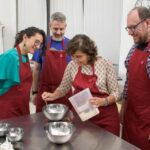
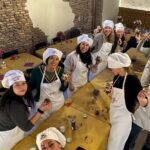
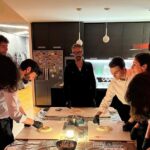
You start and end at the same meeting spot on Via Malaga, and the small group size (up to 6 people) makes it feel personal in a home kitchen. Plus, there is a cute cat in the house that adds to the calm, friendly vibe.
In This Review
- Key Points That Make This Class Worth It
- A Home-Kitchen Pasta Class on Via Malaga, Not a Factory Tour
- Meet Carlotta and Get the 00-Flour Approach Right
- Rolling Tagliatelle (and Guitar Pasta) with Real Technique
- Stuffed Pasta: Ravioli with Ricotta and Spinach
- Tiramisù Made the Original Way (and How to Rebuild It)
- What You Eat, What’s Included, and How the Meal Fits the Class
- Price and Value: Why $84.11 Can Make Sense in Milan
- Logistics That Matter: Getting In, Getting There, and Planning Your Day
- Who This Pasta and Tiramisu Class Is Best For
- Should You Book Fresh Homemade Pasta and Tiramisu in Milan?
- FAQ
- How long is the cooking class?
- What will I learn to make?
- Is wine included?
- Where does the class start?
- Is this class suitable for people with celiac?
- What is the cancellation policy?
Key Points That Make This Class Worth It
- Small group size (maximum 6), so you get real attention while shaping pasta.
- Hands-on dough lessons with a focus on 00 flour and how ingredients behave.
- Two pasta styles in one session: tagliatelle (or guitar pasta) and stuffed pasta like ravioli.
- Original-recipe tiramisù at the end, not a last-minute shortcut.
- Wine included with your meal (18+ only) alongside water.
A Home-Kitchen Pasta Class on Via Malaga, Not a Factory Tour
This isn’t a big studio class with rows of stations. It is set up like you are stepping into someone’s kitchen for a focused afternoon: you learn, you cook, you taste what you made, and you leave with a clear mental map of the steps.
The location is Via Malaga 2 (20143 Milano), and the session ends back at the meeting point. That matters because it keeps things simple. You do not have to plan a separate dinner route or worry about getting across town after your pasta-making sprint.
The duration is about 3 hours, which is just long enough to learn real technique but not so long that you feel trapped in the apron. Also, it is offered in English, which makes it easier to follow the why behind each step, not just the what.
You can also read our reviews of more tours and experiences in Milan.
Meet Carlotta and Get the 00-Flour Approach Right
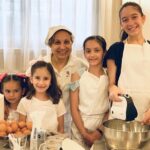
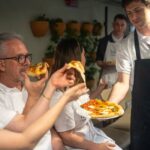
Carlotta leads the class, and the tone is warm, relaxed, and practical. The best part is how she guides you through understanding ingredients instead of treating pasta like a mystery you either can or cannot solve.
A big theme is 00 flour. You do not just use it; you study it—how it works, and how it affects the dough when you shape pasta. That is the difference between copying a recipe and understanding the dough. When you understand the dough, you can adjust next time without panic.
You also work with fillings and the logic of stuffing pasta. You learn what you are putting inside, how it behaves, and how it pairs with sauce choices later. This matters because Italian pasta is not only about the dough; it is about how the final shape holds flavors.
One more human touch: the class setting includes a very cute house cat (named Yoda in the info you provided). It is not a gimmick you need to worry about. It just adds warmth to the experience and keeps the atmosphere friendly.
Rolling Tagliatelle (and Guitar Pasta) with Real Technique
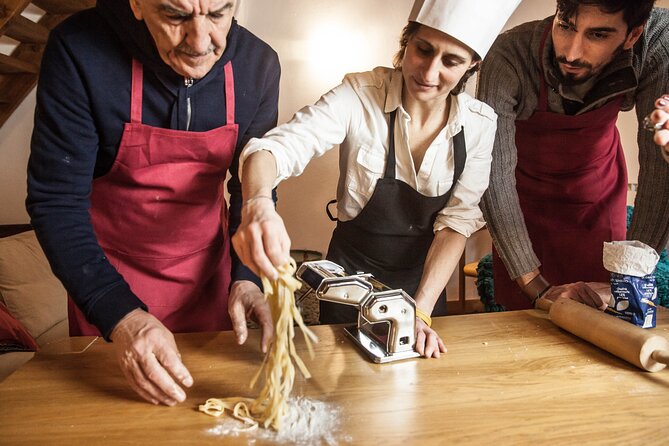
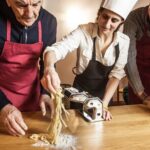
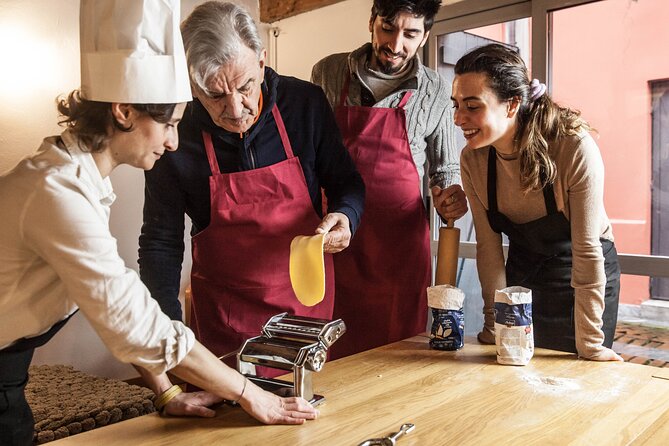
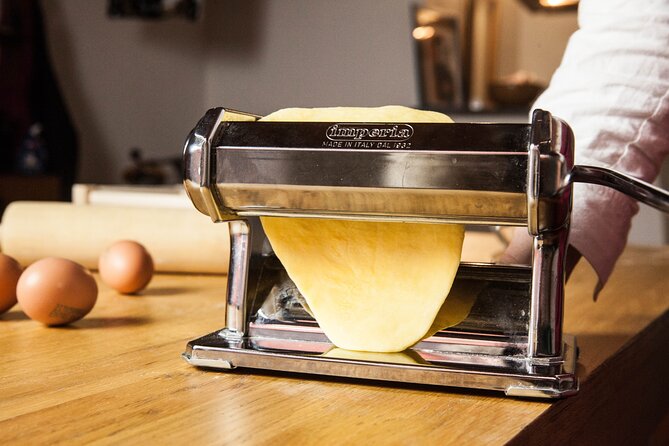
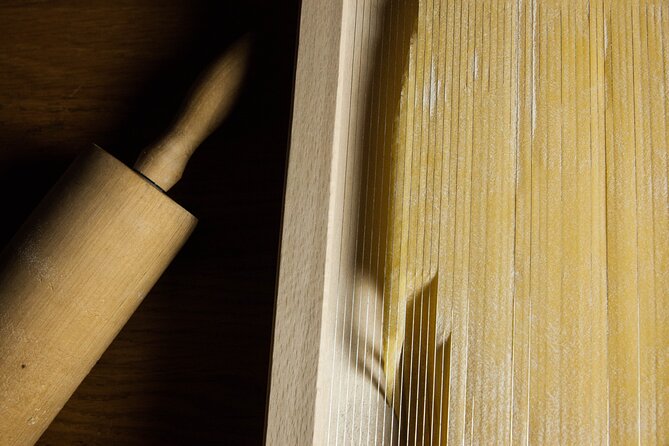
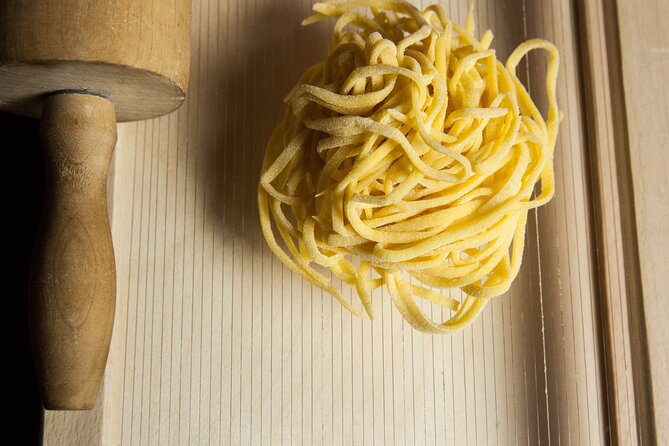
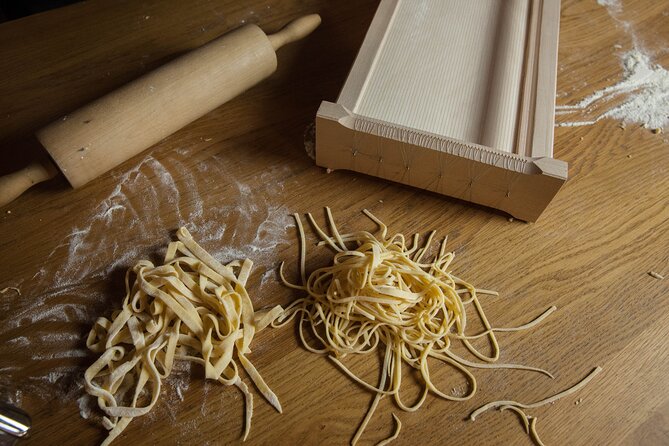
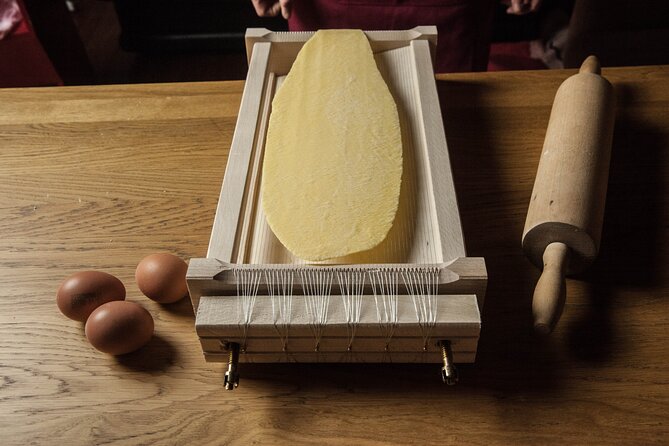
Your main savory course starts with learning to make fresh pasta. Depending on the flow of the class, you’ll prepare tagliatelle or guitar pasta (also called chitarrina in many places). The point is the same: you are shaping dough using traditional methods, not just assembling pre-made sheets.
Here is what you can expect from this part of the class, in practical terms:
- You begin with dough basics: what ingredients do together and why consistency matters.
- You portion and shape the pasta so it cooks evenly.
- You understand how the shape influences the bite and how sauce clings.
You get to “see the whole thing” from ingredients to finished pasta, which is exactly why cooking classes like this feel more valuable than a single tasting. When you leave with the process in your hands, you can re-create it later without guessing.
And yes, it helps that the instructions are patient. People who have done this type of class often need a calm teacher who can correct without making you feel rushed, and that is the energy Carlotta brings.
Stuffed Pasta: Ravioli with Ricotta and Spinach
After the shape work, you move into stuffed pasta. The sample menu includes ravioli with ricotta and spinach, served with butter and sage.
This is the part where technique gets more satisfying, because you are doing two things at once:
1) getting the filling right, and
2) sealing/handling pasta so it cooks without falling apart.
Stuffed pasta also teaches you something that plain pasta never does: portion control. Too much filling gets messy; too little feels dry. You will learn the balance by making it, not by reading about it.
Then you get to connect the pasta shape to the sauce. Butter and sage is simple, but it is classic for a reason. It coats the ravioli and highlights the ricotta and spinach rather than overpowering them.
If you love Italian food because it feels both comforting and specific, this is where you’ll feel it most.
Tiramisù Made the Original Way (and How to Rebuild It)
Most cooking classes treat dessert like a quick finish. This one treats tiramisu as a true skill set.
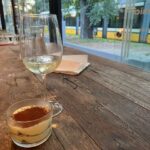
You will prepare tiramisù using the original recipe approach, and you will learn the steps in order, including the logic behind each component. That means you are not just getting the final dessert; you are learning how to assemble it so it comes out right when it sets.
Tiramisù has a few points where home cooks often guess:
- texture (how it holds),
- balance (sweetness and coffee intensity),
- layering (keeping it neat and not watery).
Even if you have made tiramisù before, working through the original sequence in a guided setting helps you tighten up those details.
Also, you finish by eating what you cooked together, so dessert stops being theory and becomes proof.

What You Eat, What’s Included, and How the Meal Fits the Class
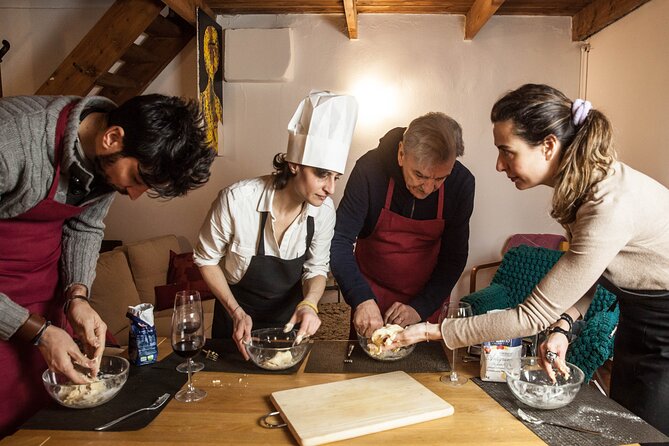
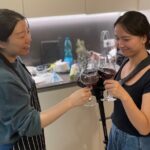
When the cooking wraps up, you eat. The included meal is what you make: pasta and tiramisù. You also get alcoholic beverages, including wine and water.
The info you provided says wine is half a liter each, plus water. There’s also an important rule: if someone hasn’t reached the legal drinking age in Italy (18), they won’t be served alcohol. So the class is still structured around a shared meal, but it respects local rules.
This “cook and eat” format is one of the best ways to make the price feel fair. You are not paying for an instruction session that ends before you taste anything. You are paying for technique plus the meal outcome.
Timing-wise, the class is about 3 hours. That means you should expect a steady pace: active hands, not long breaks. If you prefer workshops with lots of sitting and sipping, this may feel more active than you want. If you like doing the work and then rewarding yourself with the results, it fits well.
Price and Value: Why $84.11 Can Make Sense in Milan
At $84.11 per person for around 3 hours, the value comes from what is included, not just the label of a “cooking class.”
Here is how the value is built:
- You get tools and equipment to make pasta and tiramisù.
- You learn the process for both savory pasta (including stuffed pasta) and the dessert.
- Your meal is included: you eat what you cook.
- Wine is included with the meal (for eligible participants), plus water.
There is also a group size limit of 6, which usually means you spend more time actively working and less time waiting for help. That tends to improve the quality of instruction, especially when you are learning how dough should feel.
One more practical note: it is typically booked about 39 days in advance on average. That is not a reason to panic, but it is a good sign that the class is popular. If your Milan trip is fixed, book earlier rather than later.
Logistics That Matter: Getting In, Getting There, and Planning Your Day
Meeting point: Via Malaga, 2, 20143 Milano MI. The activity ends back at the meeting point, so you do not need a second transit plan right after you finish.
Public transportation access is noted as nearby. The only transportation item not included is private transportation. So plan to get there with transit, a taxi, or walking depending on where you stay.
You’ll also have a mobile ticket, and you receive confirmation at booking time.
This class is capped at 6 people, which is a big deal for comfort. In a small group, you are more likely to get quick corrections and answers before you bake in the wrong technique.
If you have allergies, the guidance is straightforward: notify in advance. That is important for both pasta ingredients and dessert components.
Who This Pasta and Tiramisu Class Is Best For
This class shines for people who want an authentic Milan cooking experience without needing fancy culinary knowledge first.
You’ll likely enjoy it if you:
- want to learn fresh pasta shapes and stuffing basics,
- care about dough technique, especially with 00 flour,
- like classic Italian desserts and want to make tiramisù from an original sequence,
- enjoy a relaxed home setting with conversation.
It is especially good for people who value a teacher who can explain clearly and stay patient when you are learning by touch. The tone here comes across as friendly and encouraging, including light humor and relaxed talk about Italian food, wine, and travel experiences in general.
Important fit note: it is not recommended for celiac. If gluten-free is essential for you, you should look for a different cooking class designed for that need.
Should You Book Fresh Homemade Pasta and Tiramisu in Milan?
If you want a true hands-on skill session in Milan, this is a strong pick. The combination of fresh pasta (including stuffed ravioli) plus an original tiramisù gives you two big wins in one go, and the small group size means you are not just observing.
I would skip it only if:
- celiac or gluten restrictions are a hard requirement,
- you want a very quiet, low-interaction experience,
- you are trying to avoid any wine-centered meal format (wine is included, though local rules apply for 18+).
If your goal is to come home with recipes you can actually repeat, the pacing, ingredient focus, and hands-on steps make it worth the price.
FAQ
How long is the cooking class?
It’s listed at about 3 hours.
What will I learn to make?
You’ll make fresh pasta (tagliatelle or guitar pasta) and stuffed pasta (like ravioli), then finish with tiramisù following the original recipe.
Is wine included?
Yes. The meal includes wine (half a liter each) and water, but alcohol is not served to anyone under Italy’s legal drinking age (18).
Where does the class start?
It starts at Via Malaga, 2, 20143 Milano MI, Italy and ends back at the meeting point.
Is this class suitable for people with celiac?
It is not recommended for celiac.
What is the cancellation policy?
Cancellation is free up to 24 hours in advance for a full refund. If you cancel less than 24 hours before the start time, you won’t get a refund.