REVIEW · SORRENTO
Pizza and Bread Cooking Class: The Scent of Flour
Book on Viator →Operated by L’Accademia Private Dining Experience · Bookable on Viator
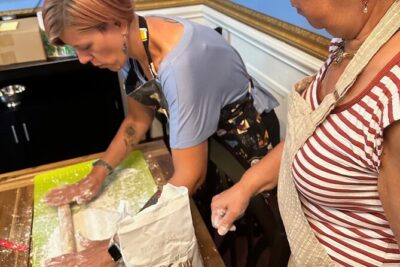
Flour has its own kind of magic. In Sorrento, this 3-hour pizza and bread lesson pairs a real dough tutorial with a Prosecco welcome, then feeds you Sorrentine specialties and multiple pizza styles. I really like the bread-first start (onion, nut, lemon) because it shows you how Italian baking flavor develops before the pizza even hits the table. I also like how the dough approach is grounded in basics—flour, water, and yeast—so you come away with something you can actually use at home.
One thing to consider: at $228.29 per person, it’s not a casual bite-and-browse activity. It’s best if you want quality instruction and you’re hungry enough to enjoy the full lineup without feeling rushed or “only half in” on the class.
In This Review
- Key highlights worth your attention
- Why a Sorrento pizza-and-bread lesson feels different
- Via dell’Accademia meetup and your Prosecco start
- Onion, nut, and lemon breads: flavor built into the dough
- The dough lesson: what flour, water, and yeast really do
- Sorrento tasting plate: caciottina, mozzarella bites, Cuore di Bue
- Pizza “learning” through a menu of four very different styles
- Classic Margherita
- Caprese Pizza with Cuore di Bue
- Diavola Agrodolce
- Pizza L’Accademia
- Dessert: Our Sweet Land (sweet focaccia-style pizza)
- Price and value: what you’re really paying for
- Who this class suits (and who might want a different option)
- Should you book the Pizza and Bread Cooking Class in Sorrento?
- FAQ
- FAQ
- What time does the class start?
- Where does the experience meet?
- How long is the experience?
- Is the tour offered in English?
- How many people are in the group?
- What food is included during the experience?
- What are you taught in the dough-making lesson?
- How much does it cost?
- Do I need a printed ticket?
- What is the cancellation policy?
- Is the experience near public transportation and are service animals allowed?
Key highlights worth your attention
- A dough lesson built on basics: flour, water, and yeast, explained the traditional way.
- Onion, nut, and lemon bread varieties: you’ll see three distinct styles prepared and then sample.
- Prosecco at the start: a simple, local-friendly welcome before you start tasting.
- A true Sorrento tasting: caciottina, mozzarella bites, and Cuore di Bue tomatoes show up alongside the pizza.
- Four pizza mains plus a sweet focaccia-style finish: the menu is designed to teach through flavor contrasts.
- Small group size: maximum 10 travelers, so you’re not just another face in a crowd.
Why a Sorrento pizza-and-bread lesson feels different
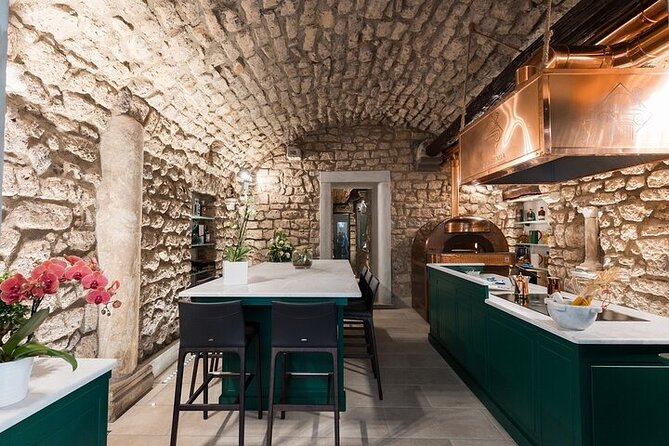
Sorrento isn’t just for postcard photos. It’s for food that tastes like place. This experience leans into that idea with two smart choices: you get a hands-on-style dough education, and then you eat your way through what Sorrentine ingredients do best.
The “A Scent of Flour” concept isn’t marketing fluff. In Italian cooking, aroma often tells you when something is right—hydration, fermentation, and dough handling all show up in the smell before you ever judge by looks. That’s why the bread portion matters. Onion bread, nut bread, and lemon bread aren’t random extras. They’re a practical way to understand how flavor gets built into a dough, not pasted on at the end.
The pizza portion then becomes easier to grasp. When you know what dough is doing, you taste with more accuracy: the balance of tomato and cheese, how sweetness shifts with honey, and why a particular cheese (like Provolone del Monaco DOP) changes the whole bite.
You can also read our reviews of more tours and experiences in Sorrento.

Via dell’Accademia meetup and your Prosecco start
You’ll meet at Via dell’Accademia, 6, 80067 Sorrento NA, at 10:30 am, and the experience ends back near the same meeting point. The timing is helpful if you want a morning activity that still leaves you energy for lunch plans after.
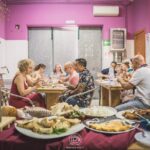
What I like about the start is the rhythm. You’re not dropped into a classroom with a lecture-only vibe. The day begins with a welcome glass of Prosecco, and you can settle in while watching bread preparation get underway. It’s a small thing, but it keeps the mood friendly and practical—like you’ve arrived at someone’s kitchen instead of a factory tour.
This is also a limited-size experience (maximum 10). That matters more than you’d think. With a smaller group, explanations tend to land better, and you’re more likely to hear the “why” behind the technique instead of just memorizing steps.
Onion, nut, and lemon breads: flavor built into the dough
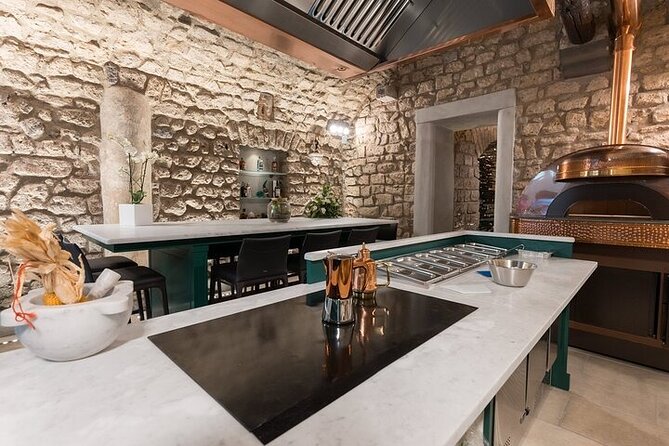
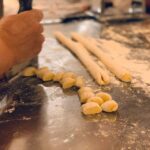
Before the pizza arrives, you’ll observe the preparation of three bread varieties:
- Onion bread
- Nut bread
- Lemon bread
That ordering is smart. Onion bread teaches you about savory depth. Nuts (often slightly sweet and buttery in flavor) help you notice how richness can show up in the crumb. Lemon bread pulls the focus toward brightness—how acidity lifts everything else on the plate.
When the breads are ready, you move into tasting. This is where you get the payoff: you learn by contrast. You’ll notice how a dough base can feel totally different once ingredients shift. And because these are bread varieties rather than just plain rolls, you get a clearer sense of what Italian cooks think of as “balanced.” Not sweet-for-sweet’s-sake. Not salty-for-salty’s-sake. Just ingredients in the right relationship.
If you like learning through eating (the best way to do it in Italy), this bread sequence will feel like the backbone of the whole experience.
The dough lesson: what flour, water, and yeast really do
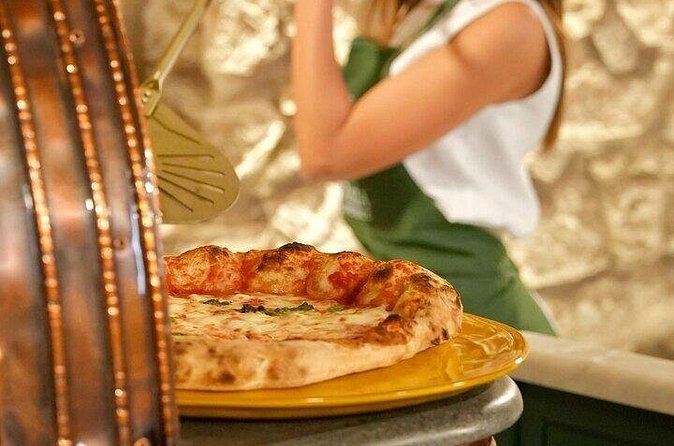
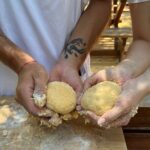
The core of the class is the pizza-and-bread-making method from an expert pizzaiolo. You’ll discover traditional techniques for dough using only flour, water, and yeast. No gimmicks. No shortcuts. Just the classic approach that relies on fermentation and handling.
Even without getting every technical detail on paper, you can walk away understanding what changes dough behavior. Flour choice affects how much water it can hold. Yeast changes timing—what seems slow becomes fast at the right stage. And once you learn the dough logic, pizza stops feeling like a mysterious dish and starts feeling like a repeatable process.
Practical tip: when you taste the final pizzas, pay attention to the dough mouthfeel—how light or chewy it is and how it holds up under tomato and cheese. That’s the part most people ignore until they’ve forgotten what they saw at the dough stage.
Also, this kind of class is ideal if you want technique, not just a menu. The best value isn’t only what you eat—it’s the understanding you’re meant to take home.
Sorrento tasting plate: caciottina, mozzarella bites, Cuore di Bue
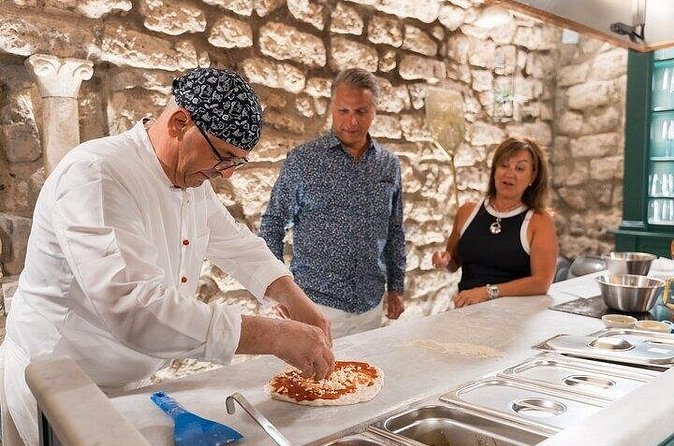
Before the main pizza courses, you’ll enjoy a tasting of local Sorrentine specialties. This part is more than a snack. It sets the flavor baseline for everything after.
You’ll taste:
- fresh caciottina
- mozzarella bites
- Cuore di Bue tomatoes (Sorrento’s famous variety)
Caciottina helps you recognize the local cheese style—milder than many aged cheeses, and comfortable with tomato. Mozzarella bites keep things familiar but still connected to the region. And Cuore di Bue tomatoes are the real teacher. When you taste them early, you get a stronger sense of why Sorrento pizzas rely on simple ingredients done well.
This tasting also helps you decide what you like before the heavier combinations hit. If you start craving something tangy or savory, you’ll know exactly what to look for on the pizza lineup.
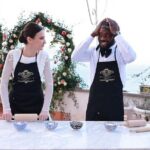
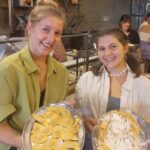
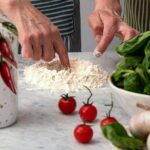
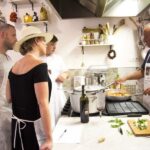
Pizza “learning” through a menu of four very different styles
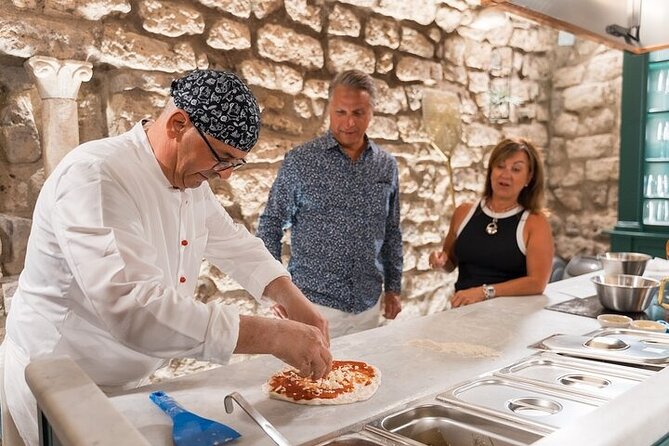
You’ll have multiple pizza mains, and each one teaches you something slightly different—through tomato choice, cheese pairing, and topping balance.
Classic Margherita
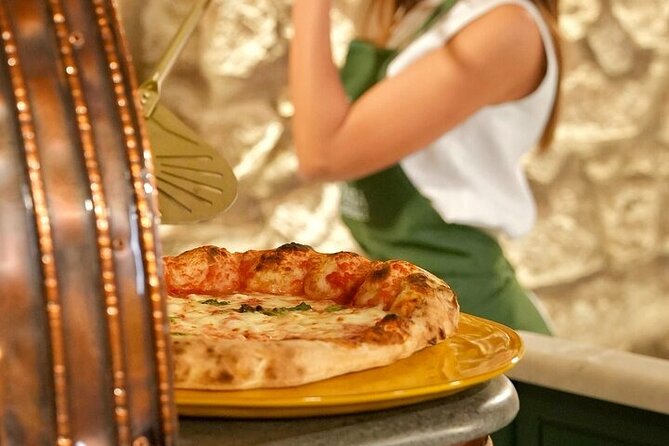
The timeless favorite: tomato, mozzarella, and basil. It’s the benchmark pizza. If you’re trying to understand what makes pizza truly good, you always start here. You’ll taste whether the dough and sauce choices carry flavor without needing extra loud toppings.
Caprese Pizza with Cuore di Bue
This one swaps in the region’s heartiest tomato energy: Cuore di Bue tomato and Fior di Latte cheese. Caprese-style pizzas often feel brighter because the ingredients are clean and straightforward. It’s a good “reset” between bolder courses.
Diavola Agrodolce
Now things get more complex. This pizza combines tomato, spicy pepperoni, Sorrento honey, and Provolone del Monaco DOP. The interesting part is the agrodolce idea—sweet and savory in conversation. Honey doesn’t just add sweetness; it rounds edges and changes how spice lands on your palate.
If you like food that keeps you guessing (in a good way), this course is a highlight.
Pizza L’Accademia
This one feels like the class’s creative signature. It includes country pancetta, yellow cherry tomatoes, caciocavallo shavings, Sorrento lemon zest, and walnuts. That’s a lot of elements, but the goal isn’t chaos—it’s contrast.
- Pancetta adds depth and salt
- Yellow cherry tomatoes bring sweetness without as much acidity
- Caciocavallo shavings add a more assertive cheese bite
- Lemon zest adds lift
- Walnuts bring texture and a nutty backbone
This is the pizza where you’ll most clearly understand the class theme: aroma and flavor layers start in dough and ingredients, not in gimmicks.
Dessert: Our Sweet Land (sweet focaccia-style pizza)
You finish with a dessert pizza called “Our Sweet Land.” It’s a sweet focaccia pizza with ricotta cream, Sorrento honey, lemon zest, walnuts, and Amarena cherry topping, dusted with vanilla icing sugar.
This is a smart ending because the dessert mirrors the savory structure. Honey and lemon zest appear again—so your palate connects the dots between courses instead of feeling like you’ve switched to something unrelated. Ricotta gives creaminess, Amarena cherries add a dark fruity note, and walnuts bring crunch.
If you tend to skip dessert in Italy because you think you’re too full—don’t. Plan for it. The menu is built so dessert feels like a finale, not an afterthought.
Price and value: what you’re really paying for
At $228.29 per person for about 3 hours, you’re paying for three things at once:
1) Instruction tied to dough fundamentals (flour, water, yeast and traditional technique),
2) A curated Sorrento tasting experience, and
3) A full meal-style sequence of multiple pizza mains and dessert.
That’s why the price can feel more reasonable than it first appears. You’re not just buying pizza; you’re buying learning time plus ingredient-focused courses. Also, the maximum group size of 10 supports better attention, which is often what you miss in larger food tours.
If your travel style is all about “one great meal and learning one thing,” this fits. If you’re looking for cheap entertainment or quick sampling, you might feel the cost more sharply.
Who this class suits (and who might want a different option)
This works especially well if you:
- want authentic Italian technique, not only eating
- like learning by watching dough development and then tasting results
- prefer a smaller group setting
- enjoy Sorrentine ingredients like Cuore di Bue tomatoes and Sorrento lemon
It might be less ideal if you:
- only want a quick tasting without the lesson component
- don’t eat much (because the menu is full-course)
- dislike the idea of sweet plus savory flavors (the honey-based and dessert courses are part of the experience)
Should you book the Pizza and Bread Cooking Class in Sorrento?
If you like food that’s grounded in fundamentals and you enjoy tasting your way through a menu that teaches, I think this is an easy yes. The standout theme is craft plus kindness: the format supports learning, and the bread and pizza portions are designed to be genuinely delicious, not just photogenic.
Book it if you’re in Sorrento during a morning window and you want something that feels personal but still structured. Skip it if you’re trying to do the cheapest possible food activity or if you’re not a fan of sweet finishes.
FAQ
FAQ
What time does the class start?
It starts at 10:30 am.
Where does the experience meet?
The meeting point is Via dell’Accademia, 6, 80067 Sorrento NA, Italy.
How long is the experience?
It runs for about 3 hours.
Is the tour offered in English?
Yes, it’s offered in English.
How many people are in the group?
There is a maximum of 10 travelers.
What food is included during the experience?
You’ll get a welcome glass of Prosecco, taste three bread varieties (onion, nut, lemon), enjoy a tasting of local Sorrentine specialties, eat several pizza mains (including Margherita, Caprese, Diavola Agrodolce, and Pizza L’Accademia), and have the dessert “Our Sweet Land.”
What are you taught in the dough-making lesson?
You’ll learn traditional pizza and bread-making techniques using only flour, water, and yeast.
How much does it cost?
The price is $228.29 per person.
Do I need a printed ticket?
No. You receive a mobile ticket.
What is the cancellation policy?
Free cancellation is available up to 24 hours in advance for a full refund.
Is the experience near public transportation and are service animals allowed?
It is near public transportation, and service animals are allowed.