REVIEW · PHUKET CITY
Phuket: Thai Cooking Class with 4 Dishes and Market Visit
Book on GetYourGuide →Operated by Thai Cooking Class Phuket by Tony · Bookable on GetYourGuide
Smell Thai herbs, then learn why they work.
This Phuket class pairs a real market visit with hands-on cooking in an open kitchen under Tony’s guidance. You’ll also sample Thai fruit, a snack, and a dessert along the way. One thing to plan for: there’s no hotel pickup or drop-off, so you’ll need to get to the meeting point yourself.
What I like most is how practical it feels. You cook a full Thai-style meal—one soup, one curry, one stir fry—and you’re taught the herbs and seasonings you’ll actually need later, including substitutions for home cooking. Bonus: the menu changes by session, so you’re not stuck doing the same dish every time.
A small consideration: you’ll choose from a set menu (soup/curry/stir fry), so you might not get your exact first pick. Still, you can usually steer toward what you enjoy once you’re in the class, and they’re thoughtful about preferences and allergies.
In This Review
- Key highlights worth getting excited about
- Getting Started With Tony at the Phuket Cooking School
- Phuket Market Visit: Choosing Thai Flavors Like a Chef
- Welcome Drink, Open Kitchen Energy, and Your Cooking Station
- What You’ll Cook: Soup, Curry, Stir Fry, Plus One Sweet Finish
- Soup choice
- Curry choice
- Stir-fry choice
- Spring rolls or mango sticky rice
- Tasting Your Results (and Taking Food Home)
- The Menu Changes, and That Keeps This Class Worth It
- Price and Logistics: Is $77 Good Value in Phuket?
- Who This Class Fits Best (and Who Might Want to Skip)
- Should You Book the Phuket Thai Cooking Class by Tony?
- FAQ
- How much does this Phuket Thai cooking class cost?
- What dishes will I cook during the class?
- Do I have to cook spring rolls and mango sticky rice?
- Will I visit a market?
- What do I taste at the market?
- Are ingredients included?
- Is hotel pickup or drop-off included?
- Is the class taught in English?
- What if someone has allergies or intolerances?
- What if I’m 6+ and don’t want to cook?
Key highlights worth getting excited about
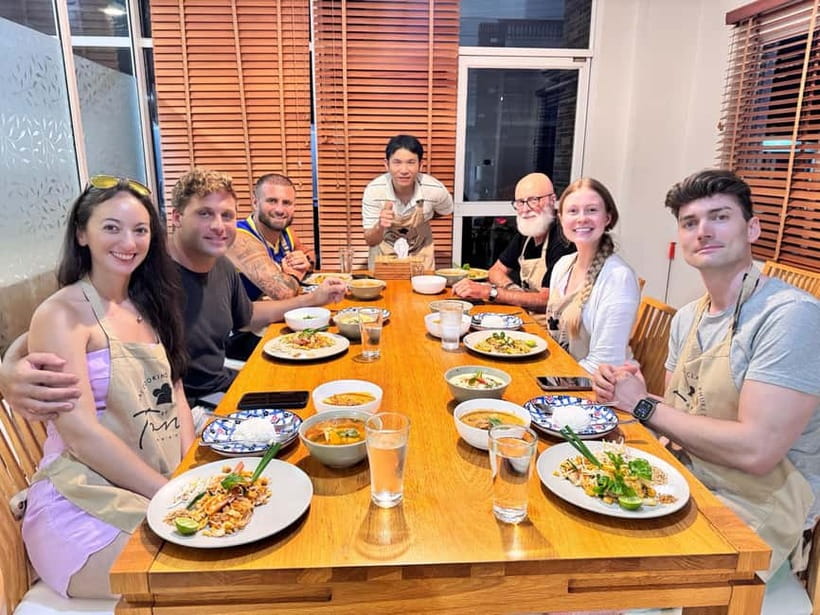
- Fresh market ingredient hunt in Phuket before you cook
- Hands-on cooking at your own station with step-by-step guidance
- Tom Yum, Tom Kha, and multiple curry choices depending on the session menu
- Pad Thai, fried rice options, and Pad Kra Pow for your stir-fry slot
- Pick spring rolls or mango sticky rice as your final course
- Recipe book included so you can repeat the meal at home
Getting Started With Tony at the Phuket Cooking School
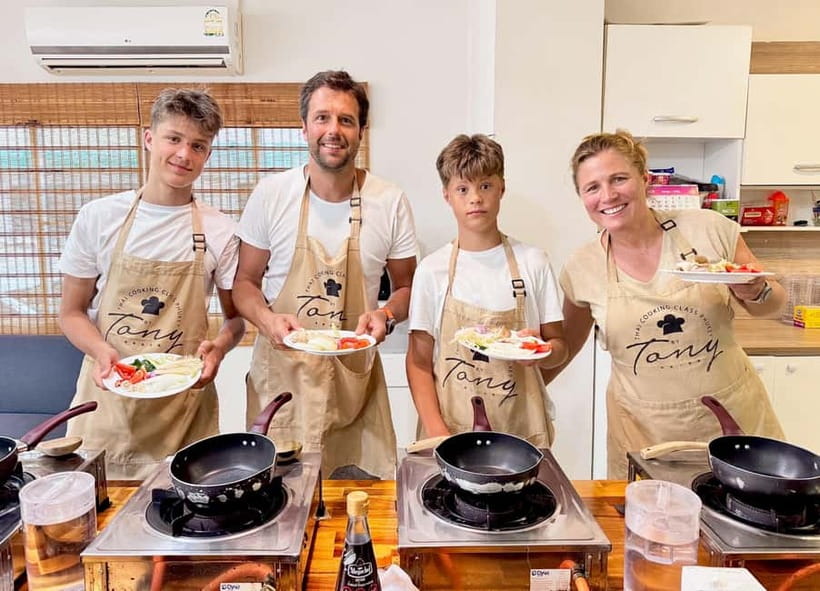
The experience starts with you showing up at the cooking school meeting point. If you want an easy way to locate it, you can search Google for Thai Cooking Class Phuket by Tony, which is listed as the most accurate way to find the right spot.
Once you’re there, you get oriented before the market portion. Expect a welcoming start, and then a straightforward flow: market first, cooking second. That order matters. When you see, smell, and pick ingredients yourself, the cooking lesson clicks faster, because you already understand what’s fresh and what’s optional.
In the kitchen, Tony is the host and teacher. In some sessions, you may also cook with an instructor called Anne/Ann, including examples of a Michelin chef serving as the guide. Either way, the teaching style is the same idea: clear, practical instructions, and enough explanation that you can repeat the dish later instead of copying a mystery recipe.
You can also read our reviews of more tours and experiences in Phuket City.

Phuket Market Visit: Choosing Thai Flavors Like a Chef

The market stop is where this class earns its value. You don’t just walk past ingredients. You learn how Thai cooking thinks—what each ingredient adds, and why some things matter more than others.
You’ll pick up the ingredients you’ll use later in class. You’ll also taste Thai fruit, a Thai snack, and a Thai dessert at the market. That sounds like a nice bonus, but it also trains your palate. Thai meals are built on balance, and those small tastings help you notice sweet, sour, salty, and creamy elements before you cook your own version.
A useful detail: you may be able to take photos of ingredients while you’re learning. That helps later when you’re shopping at home and trying to recreate the same flavor profile.
Practical tip: go hungry, and keep your questions simple. Ask what ingredient gives the sour note or the fragrance in the curry paste. In a good market-style class, that kind of question pays off because you’re looking at the exact product while you learn.
Welcome Drink, Open Kitchen Energy, and Your Cooking Station
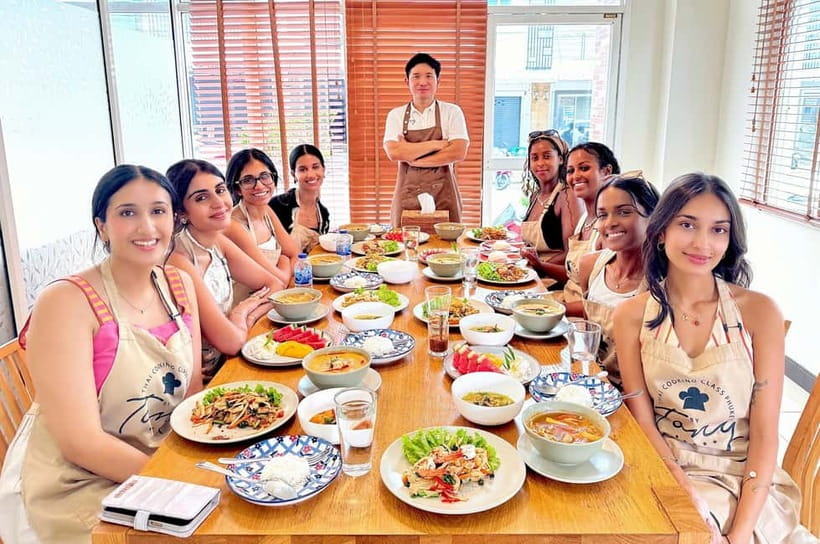
Back at the kitchen, you settle in and get a welcome drink. Then comes the part most people sign up for: you actually cook.
The class is hands-on and taught step by step. You work at your own station, not just watching. That matters if you want confidence at home. Thai cooking isn’t only about following steps—it’s about timing, texture, and knowing when to adjust flavors as you go.
Because it’s an open-style kitchen setup, you’ll feel the aromas as the cooking starts moving quickly. That’s not just fun—it’s useful learning. You’ll notice when something goes from raw to aromatic, and you’ll start understanding why the same dish tastes different when the cooking steps are rushed.
You’ll also get guidance on Thai herbs and seasonings and what substitutes you can use if you can’t find an ingredient at home. That’s the difference between a recipe you can repeat once versus one you can actually make again without stress.
What You’ll Cook: Soup, Curry, Stir Fry, Plus One Sweet Finish
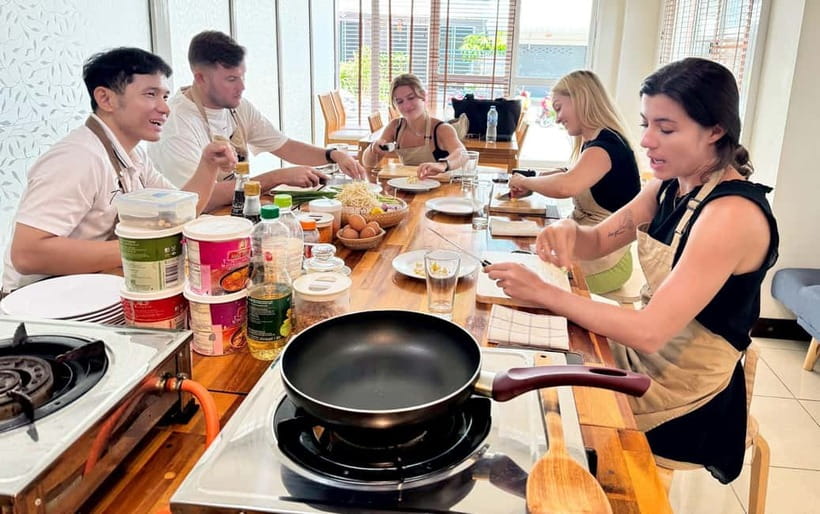
This is a 4-part meal experience: you cook 3 dishes (a soup, a curry, and a stir fry), plus you’ll choose between spring rolls or mango sticky rice.
Soup choice
You’ll cook one soup from the available options, typically:
- Tom Yum Soup (hot and sour shrimp soup)
- Tom Kha Soup (coconut soup)
Even if you’ve tried Thai soup before, cooking it teaches you the balance. Tom Yum-style heat and sourness feel sharp and lively. Tom Kha is more rounded thanks to coconut, so it tends to feel richer and gentler while still carrying strong herb flavor.
Curry choice
You’ll cook one curry from the session’s menu. Options include:
- Green Curry
- Red Curry
- Yellow Curry
- Panang Curry
- Massaman Curry
Curry in Thailand is a lot more than spice. You learn the role of curry paste and how it behaves in the pan—how it blooms, how sweetness shows up, and how coconut (or other bases) changes the finish. This is where your home substitutions advice becomes truly practical, because curry paste ingredients vary depending on where you live.
Stir-fry choice
Your stir-fry options include:
- Pad Thai
- Thai Fried Rice
- Pineapple Fried Rice
- Pad Kra Pow
If you’ve ever wondered why Pad Thai tastes the way it does, this is the slot where that learning lands. Fried rice variations and pineapple fried rice also teach a useful concept: sweet and savory aren’t enemies in Thai cooking. They’re designed to work together.
Spring rolls or mango sticky rice
Then you finish with your chosen sweet and/or crunchy side:
- Spring rolls, or
- Mango sticky rice
This is a smart way to structure the lesson. You get a full meal rhythm—warm savory dishes first, then a texture and sweetness finish that makes the whole cooking session feel complete.
Tasting Your Results (and Taking Food Home)
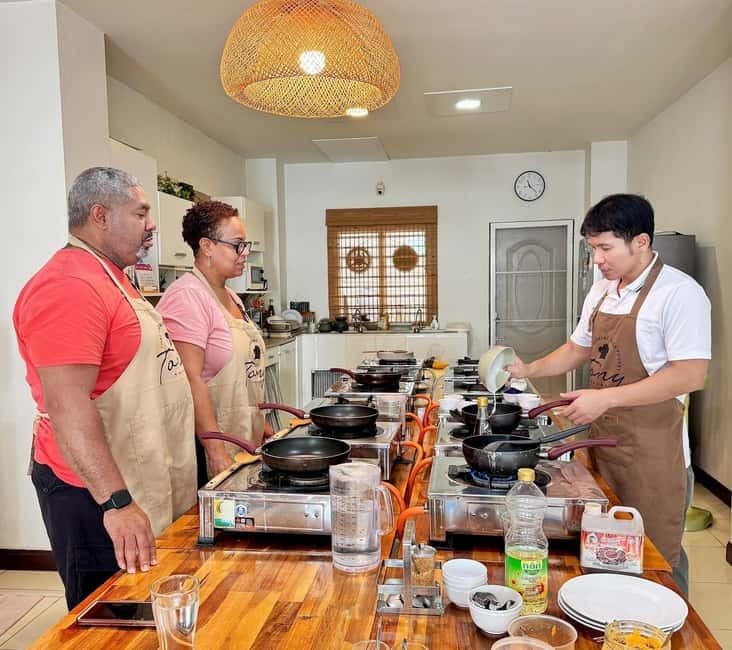
After you cook, you taste what you made. This part is underrated. It’s where the substitutions and seasoning lessons matter, because you learn what “right” tastes like while the ingredients are still fresh and the instructor is nearby.
If you end up with more food than you can eat, you may be able to take the cooked dishes with you. That’s a practical perk, especially when you’re mixing multiple dishes and portions in one sitting.
Another thoughtful angle: the class is described as considerate for allergies or intolerances, and they can also adjust if you simply don’t like something. If you have specific needs, bring them up clearly before you start cooking so you can get the best outcome from your session.
The Menu Changes, and That Keeps This Class Worth It
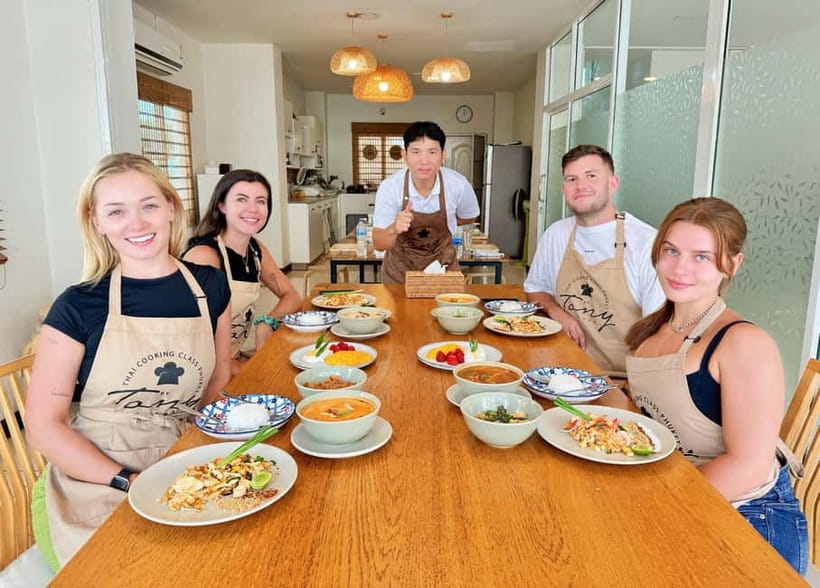
The class menu changes for each session. The structure stays the same—soup, curry, and stir fry—but the exact dish choices rotate.
Each session features:
- 3 dishes for the class as a whole, and
- 1 dish each person can select individually
That means your meal can feel customized without the whole class turning into a chaotic free-for-all. It’s also a good reason to book with confidence even if you’ve looked at multiple dish lists: the class adapts while keeping the learning flow intact.
Price and Logistics: Is $77 Good Value in Phuket?
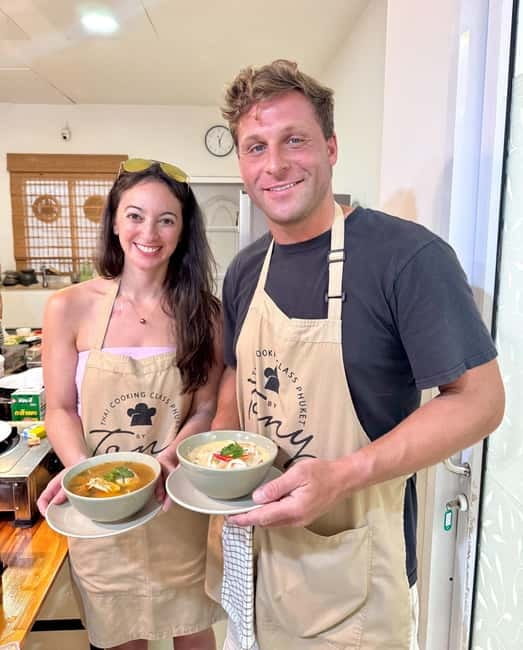
At $77 per person, you’re paying for more than a cooking workshop. You’re also getting:
- ingredients used during the class
- instruction in English
- market tasting (fruit, snack, dessert)
- water and coffee
- a recipe book to recreate what you cooked
That recipe book piece matters if your goal is not just fun that day, but skills you can use later. If you’ve ever bought cooking classes and then forgot the dish exists two weeks later, you’ll appreciate something you can take home.
The main logistical tradeoff: hotel pickup and drop-off aren’t included. That’s not a dealbreaker, but you should plan your timing and travel to the meeting point.
One more pricing note for families: people aged 6 and over who attend but don’t want to cook must pay 1,200 THB in cash at the school. If you’re traveling with kids, this is worth confirming in advance so there are no surprises on arrival.
Who This Class Fits Best (and Who Might Want to Skip)
This class is a great fit if you want:
- a market-to-kitchen experience, not just a kitchen demo
- hands-on cooking steps (not passive watching)
- a realistic way to cook Thai food at home using substitutions
It’s also a solid choice if you like structure. Soup, curry, stir fry, then spring rolls or mango sticky rice gives you a complete meal arc and a clear set of skills.
You might decide it’s not for you if:
- you’re expecting hotel pickup convenience
- you need a very specific dish that isn’t offered during that session
- you prefer to watch rather than cook
Should You Book the Phuket Thai Cooking Class by Tony?
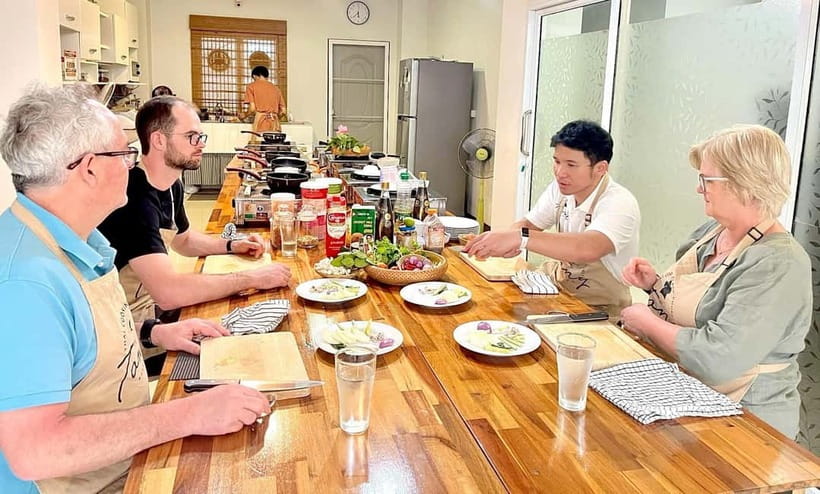
Yes—if you want an honest Thai cooking skill builder in Phuket, this one is easy to recommend. The combination of a fresh market ingredient hunt plus a guided open-kitchen cooking session gives you both context and technique. You also finish with a recipe book, and the class is designed to help you adjust flavors later at home.
Book it if you’re excited by Tom Yum/Tom Kha styles, curry paste-based learning, and stir-fry classics like Pad Thai or fried rice variations. If you’re traveling independently, plan your own ride to the meeting point, bring an appetite, and treat the market tastings as part of the lesson—not just a snack stop.
If your schedule is tight and you want a single activity that feels like culture and cooking at the same time, this hits the mark.
FAQ
How much does this Phuket Thai cooking class cost?
It costs $77 per person.
What dishes will I cook during the class?
You’ll cook 3 dishes: one soup, one curry, and one stir fry. In addition, you’ll eat spring rolls or mango sticky rice as part of the class meal.
Do I have to cook spring rolls and mango sticky rice?
No. You’ll choose spring rolls or mango sticky rice.
Will I visit a market?
Yes. You’ll meet at the cooking school and then visit a local fresh market to buy ingredients for the dishes.
What do I taste at the market?
You’ll try Thai fruit, a Thai snack, and a Thai dessert at the market.
Are ingredients included?
Yes. Ingredients are included, along with water and coffee.
Is hotel pickup or drop-off included?
No. Hotel pickup and drop-off are not included.
Is the class taught in English?
Yes. The class is taught in English.
What if someone has allergies or intolerances?
The class is described as considerate about allergies or intolerances, and they can also accommodate if you don’t like a particular ingredient.
What if I’m 6+ and don’t want to cook?
People aged 6 and over who attend but don’t want to cook must pay 1,200 THB in cash at the school.