REVIEW · SORRENTO
Sorrento: Authentic Italian Cooking Class in a Citrus Grove
Book on GetYourGuide →Operated by La Limonaia · Bookable on GetYourGuide
Citrus trees set the mood for cooking. This Sorrento class pairs hands-on Italian technique with a real working grove of lemons and oranges, so your lunch starts long before the stove. It is a traditional menu taught in English, with you tasting what you make in good company.
I love two things right away: you pick fresh ingredients from the garden, and you learn a full Sorrento set of dishes, not just one recipe. The day ends with tasting your own work under a pergola, plus wine to go with the meal, and limoncello as the sweet finish.
One thing to plan for: the timing can run long, especially in hot weather. The class is listed as 2.5 hours, but at least one group report said it stretched to around four hours, and someone specifically flagged how incredibly hot it can get.
In This Review
- Key highlights worth your attention
- Cooking in a Sorrento lemon grove: what makes it feel authentic
- Meeting at La Limonaia: start location and first impressions
- Citrus-garden picking: why it’s more than a nice photo
- The cooking lesson: the Sorrento menu you’ll learn (and what can change)
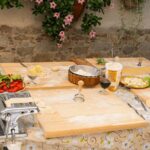
- Shaping pasta in Campania style: what you’re likely doing in the kitchen
- Tasting lunch under a pergola: wine, limoncello, and judging your own dish
- Tiramisu with a citrus twist: coffee or agrumance juice
- Recipes you can use at home: turning the day into repeatable cooking
- Price and value: is $158.60 per person worth it?
- Who this cooking class suits best (and who might not love it)
- Should you book La Limonaia’s Sorrento cooking class?
- FAQ
- FAQ
- How long is the cooking class?
- What dishes will I cook?
- Is the class taught in English?
- What drinks and food are included?
- Where do I meet the group?
- Is free cancellation available?
Key highlights worth your attention
- Fresh-from-the-garden ingredients: you pick what you cook, right there in the citrus grove
- A real Sorrento menu: homemade pasta, a second course, and tiramisu
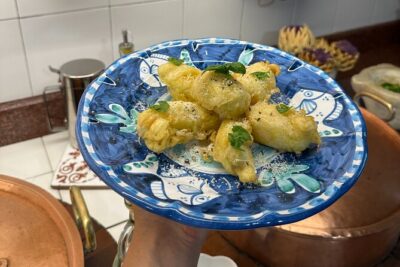
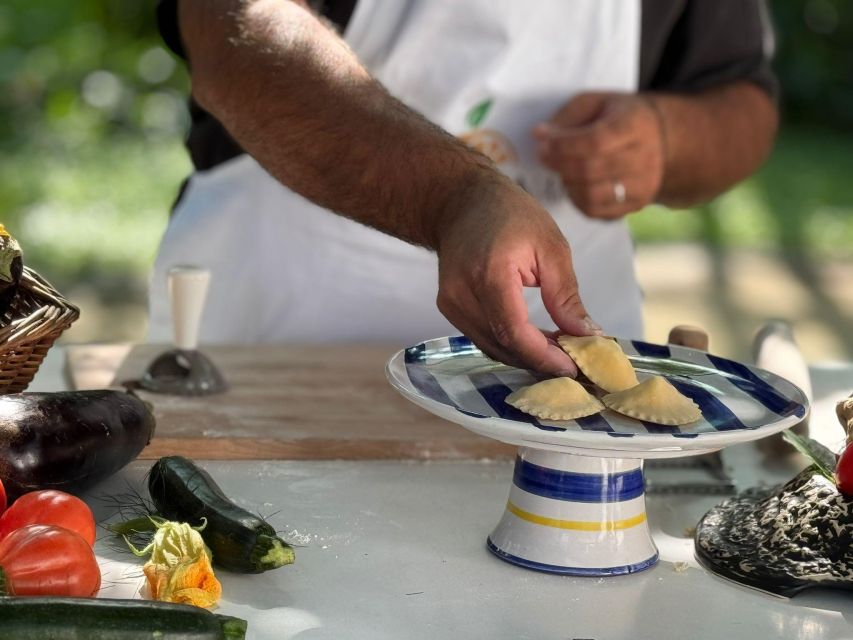
- Classic dishes you’ll actually make: gnocchi alla sorrentina, ravioli alla caprese, or eggplant parmigiana
- Taste your own food with wine: lunch includes water, wine, and limoncello
- English instruction: you get a chef-led lesson designed for non-Italian speakers
- Recipes to take home: you’ll leave with instructions for your favorite dish
Cooking in a Sorrento lemon grove: what makes it feel authentic
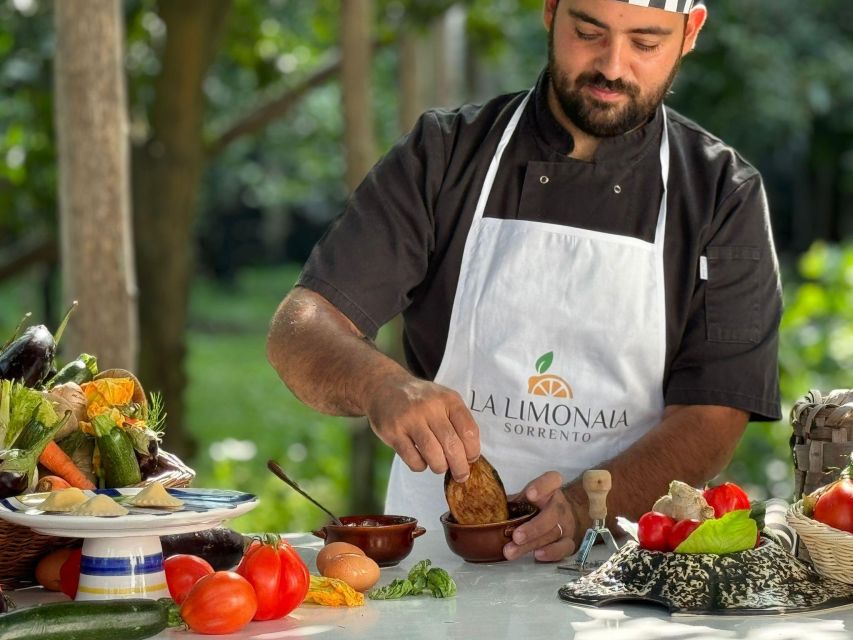
Sorrento’s cooking identity is all about simplicity done well. This experience leans into that idea by teaching you a Sorrento-style menu and connecting it to the landscape—lemon and orange trees are not just decoration here. You are learning food that Campania families have been making for generations, then eating it while the day still feels casual and social.
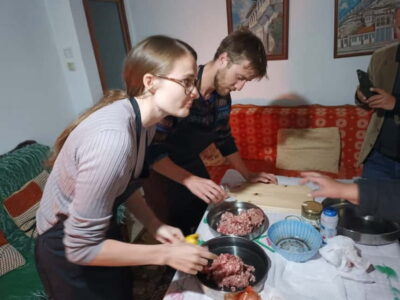
You should expect a full, meal-centered format. This isn’t a quick demo where you watch; it is active cooking, then a proper lunch with other people. The result is that you walk away knowing how the flavors are built—herbs, cheese, dough, sauces—and not just how a dish looks on a plate.
You can also read our reviews of more tours and experiences in Sorrento.


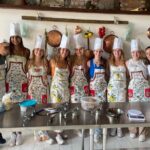
Meeting at La Limonaia: start location and first impressions
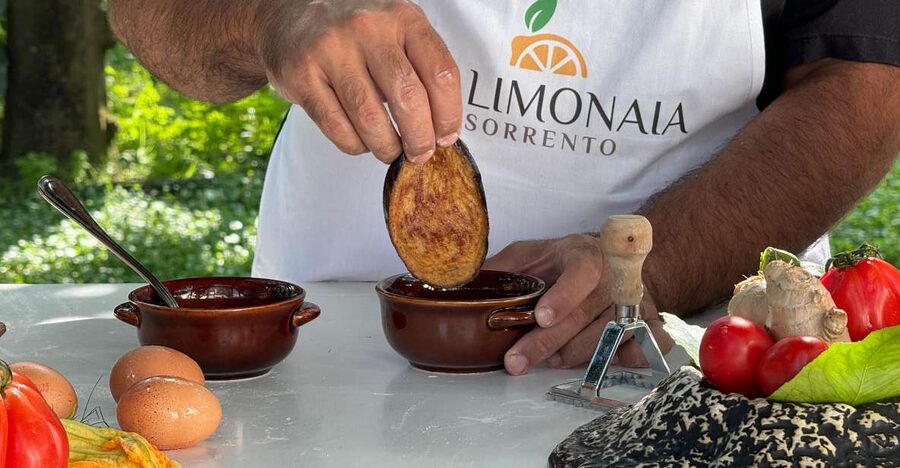
You’ll meet at a green gate with La Limonaia signed on top. That matters because once you’re in the grove, you’re in a different mode than a typical city cooking class—less bustle, more open-air cooking energy.
The experience begins with a welcome drink. It’s a small step, but it helps you settle in before you start chopping and rolling. When you’re headed into heat and kitchen work, that first drink and a relaxed start are actually part of the value.
Citrus-garden picking: why it’s more than a nice photo
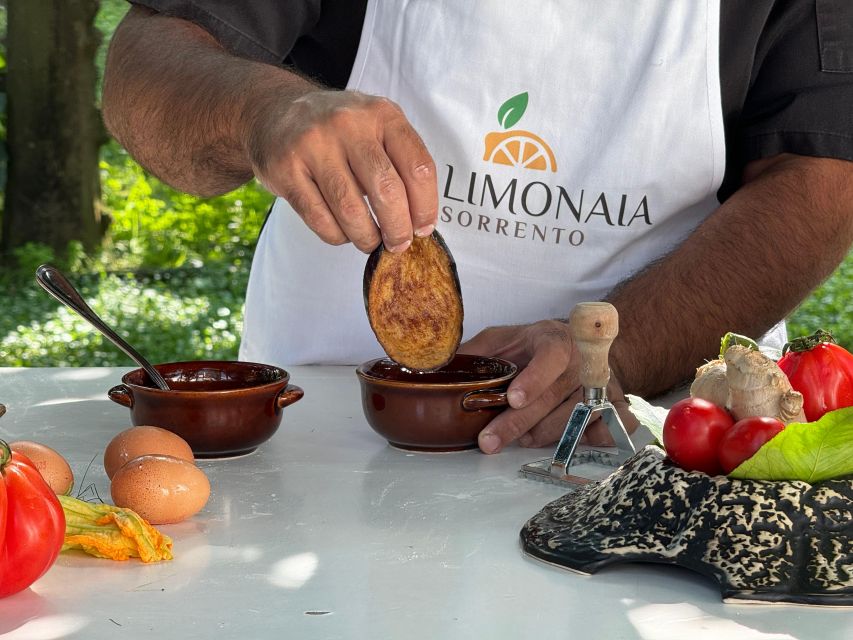
The heart of the day is the idea that your ingredients come from the place you’re standing. You’ll taste genuine, fresh produce after you have picked it from the garden, and you get to see the ingredient flow from tree to table.
That detail changes how you cook. Even if you’ve made pasta at home, it is different when you’re using ingredients you just harvested. You start paying attention to aroma and ripeness—lemon scent, herb freshness, and the way produce behaves when it hits the kitchen.
Practical note: because this is outdoors in a grove, plan for sun. Bring whatever you normally use for heat days (hat, sunscreen), and keep water in mind even though water is included later.
The cooking lesson: the Sorrento menu you’ll learn (and what can change)
The chef teaches a traditional Sorrento menu built around three moments: a first course, a second course, and dessert. The class includes the complete cooking lesson, plus you’ll taste everything you make at the end.
First course: homemade pasta
Your first course centers on homemade pasta. The exact pasta shape can vary, but the focus stays on learning dough and technique so you can recreate the dish later.
Second course: choose a classic among Sorrento favorites
You’ll have a second course drawn from traditional options, with examples that include:
- gnocchi alla sorrentina
- ravioli alla caprese
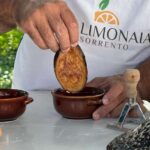
- eggplant parmigiana made with fried eggplant
Which one you get can shift based on seasonality of products. That’s not a bait-and-switch; it’s how real cooking works here. The ingredient availability drives the menu, and you’re learning to cook Sorrento style rather than following a rigid recipe that doesn’t match the season.
Heat and pacing reality check
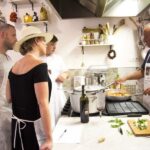
In one group experience, the cooking time stretched beyond the listed 2.5 hours, and the chef needed an assistant for help—especially with shaping ravioli in a larger group. Translation for you: it can be active work, and timing depends on group size and how many people are learning hands-on at once.
Shaping pasta in Campania style: what you’re likely doing in the kitchen
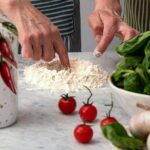
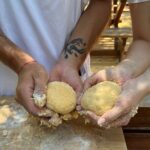
This is the part that makes the class stick with you: you’re not just assembling; you’re building. Pasta preparation is hands-on, and the Sorrento menu gives you variety, which helps you learn more than one skill.
If you get ravioli alla caprese, you’ll be doing filling, sealing, and shaping—steps where small mistakes show up fast. If you get gnocchi alla sorrentina, you’ll likely focus more on texture and handling, since gnocchi quality is all about consistency.
And if your second course is eggplant parmigiana, you’ll learn how the fried eggplant approach changes the final bite. Eggplant parmigiana can be heavy when it’s soggy; the fried eggplant method helps it stay more structured and satisfying.
For you, this variety is good value because you’re learning how different classic techniques work: dough, filling, shaping, frying, and saucing. You end up with more practical skills for future cooking, not just one “successful dish” you won’t repeat.

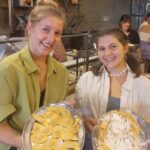

Tasting lunch under a pergola: wine, limoncello, and judging your own dish
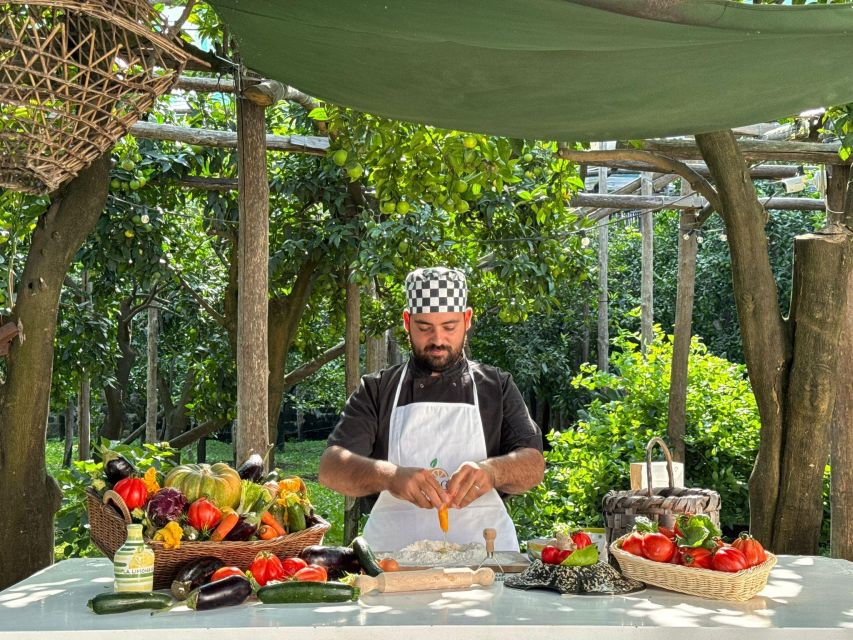
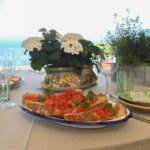
When you finish cooking, you eat what you made. You’ll taste your culinary creation in the shadow of a pergola, which is a nice relief after time in the sun and heat.
The meal is accompanied by a good glass of wine, and your included drinks cover water, wine, and limoncello. That drink setup matters: it turns the day from a class into a meal experience. You’re not rushing to leave; you’re sitting, talking, and comparing plates.
Then comes a fun tradition—after you taste, you judge your own dish with a smile. It sounds silly, but it’s actually useful. You start noticing what you got right (salt balance, sauce coverage, dough thickness) and what you can improve. That feedback loop is why these classes often lead to real cooking at home.
If your session is led by chef Clorio, you may recognize the vibe described by past participants: patient, talented, and genuinely fun to cook with. Even when the kitchen work gets busy, that kind of calm teaching helps a lot.
Tiramisu with a citrus twist: coffee or agrumance juice
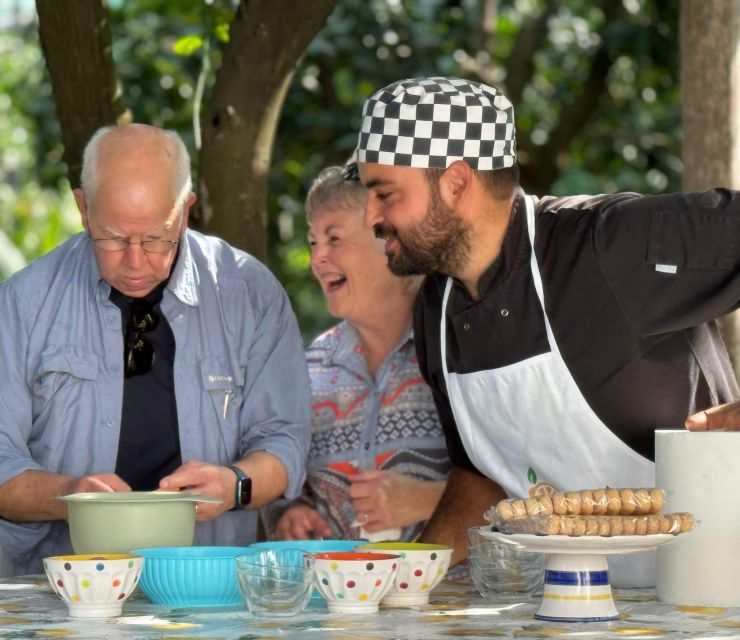
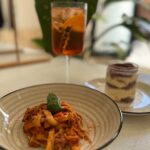
Dessert is tiramisù, and you’ll learn it at the end of the class. The description is clear: tiramisù can be made with coffee or with agrumance juice, which ties back to the citrus theme of the day.
This is a smart choice for the menu. Tiramisu is familiar, so you can judge your result. At the same time, swapping in agrumance juice gives it a local angle—more brightness, and a different aromatic punch than coffee alone.
It also makes sense for a cooking class format. Dessert is often the most crowd-pleasing part, and learning it last gives you the momentum to finish strong—even if you’ve been rolling and frying for hours.
Recipes you can use at home: turning the day into repeatable cooking
You receive recipes to cook your favourite dish at home on your own. That is the difference between a nice afternoon and a lasting skill.
Use the recipes as a baseline, then adjust to what you can find in your local grocery store. The class menu can change seasonally, so the recipes are also your guide for how the dish should behave, not just what it should look like.
If you want to keep the citrus spirit going at home, focus on the ingredient that matters most: fresh lemon aroma and good olive-oil-and-cheese balance in Sorrento-style preparations.
Price and value: is $158.60 per person worth it?
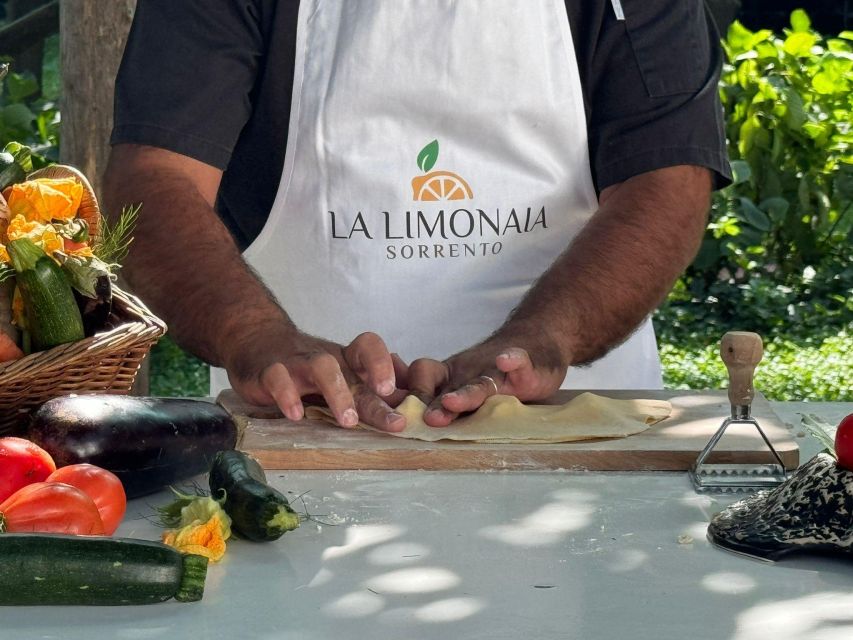
At $158.60 per person for about 2.5 hours (with possible extension in real conditions), you’re paying for three things at once: instruction, ingredients, and a full meal with included drinks.
Here’s why the math often works for people:
- You’re not paying only for “class time.” Lunch is included, along with water, wine, and limoncello.
- You’re learning multiple parts of a meal (pasta, main course, dessert), which makes it feel closer to a cooking workshop than a quick activity.
- You get fresh produce after picking it from the garden, so the ingredients aren’t abstract or premade.
Could it cost more than a typical workshop? Yes. But you’re also getting a structured meal experience in a setting that is tied to Sorrento’s food identity—citrus grove, pergola lunch, and a real chef-led format in English.
If you’re the type who enjoys food as a social activity—chatting while tasting, comparing results, and actually cooking—this price can feel reasonable. If you only want one simple recipe and prefer to stay indoors, you might find the format too long and too warm.
Who this cooking class suits best (and who might not love it)
This works especially well if:
- you want a hands-on Sorrento experience, not a passive tour
- you enjoy learning classic Italian technique (pasta, gnocchi, ravioli, parmigiana, tiramisù)
- you like meeting people over a shared meal and included wine
It may be less ideal if:
- heat outdoors is a problem for you
- you prefer strictly timed activities and hate when schedules drift
- you want very little standing, chopping, or kitchen work
One more fit check: it’s taught in English, so it’s comfortable if you don’t speak Italian. And the chef’s menu approach allows you to learn something different depending on seasonality.
Should you book La Limonaia’s Sorrento cooking class?
If you want an authentic Sorrento lunch that turns into real cooking skills, I’d book it. The best part is the full-circle approach: you pick citrus, cook a traditional menu, then eat your own food with wine and limoncello under a pergola.
Do bring realistic expectations about time. The stated duration is 2.5 hours, but it can run long in heat and larger groups, especially with dishes like ravioli that take shaping time. If you can handle that, you’ll likely love the pace—and the satisfaction of tasting a meal you made from scratch.
FAQ
FAQ
How long is the cooking class?
The experience is listed as 2.5 hours. Starting times vary, so it’s best to check availability for the slot you want.
What dishes will I cook?
You’ll cook a traditional Sorrento menu that includes a first course with homemade pasta, a second course, and dessert. Examples for the second course include gnocchi alla sorrentina, ravioli alla caprese, or eggplant parmigiana, and dessert is tiramisù made with coffee or agrumance juice.
Is the class taught in English?
Yes. The instructor teaches in English.
What drinks and food are included?
A welcome drink is included, and the lunch includes water, wine, and limoncello. Food is included as part of the lunch and your tastings.
Where do I meet the group?
Meet at the green gate with La Limonaia signed on the top. The activity ends back at the meeting point.
Is free cancellation available?
Yes. You can cancel up to 24 hours in advance for a full refund. There is also a reserve now and pay later option that lets you book without paying immediately.