REVIEW · HO CHI MINH CITY
FULL Day – CAI RANG FLOATING MARKET, COOKING CLASS AND EXPLORE THE COUNTRYSIDE
Book on Viator →Operated by Winter Spring Homestay · Bookable on Viator
A 3 a.m start sounds wild, until it works. This full-day Mekong Delta experience mixes Cai Rang floating market mornings with a hands-on cooking class and countryside time in a family home. I especially liked the breakfast on the Mekong and the fact you cook and eat with the people who live there. One thing to consider: the day is long and begins very early, so it’s not ideal if you hate getting up before sunrise.
This is run by Winter Spring Homestay, and the vibe is intentionally personal rather than polished like a big production. You’ll visit a rice noodle factory and a cacao orchard, then shop for your class ingredients at a traditional market before heading to the countryside for lunch, a hammock nap, and a relaxed walk through fruit and rice areas. If you want everything tightly scheduled and fully glossy, you might find the slower, more natural pace less for you.
Also, because it’s designed around a home setting, the experience leans on local routines and family-style hospitality. That’s usually a win, but it can mean fewer “tour-operator” extras and more reliance on good energy from the group.
In This Review
- Key points before you go
- A 3 a.m Start Shapes Everything on This Mekong Day
- Cai Rang Floating Market and Mekong Breakfast: The Morning You’ll Remember
- Rice Noodle Factory, Bakery Mill, and Small Canals: Food Comes With a Backstory
- Muoi Cuong Cacao Orchard: A Sweet Detour That Actually Makes Sense
- Traditional Market Shopping Leads Into Real Cooking at Home
- Lunch in a Countryside Family Home, Plus the Hammock Reset
- Value and Logistics: Is $119 Worth It for This Day?
- Who This Tour Fits Best (and Who Might Want Another Option)
- Should You Book This Mekong Delta Day Trip?
- FAQ
- What time is pickup?
- How long is the tour?
- Does the tour include pickup?
- Where do you go during the day?
- Is there a cooking class?
- What do you eat during the experience?
- Do you get to relax at the countryside home?
- How big is the group?
- What happens if the weather is bad?
Key points before you go
- 3 a.m pickup gives you a calmer start and sets up your whole day
- Cai Rang floating market plus Mekong breakfast is the headline moment
- Rice noodle factory + small canals connect the meal to how ingredients are made
- Cacao orchard (Muoi Cuong) adds a fun, different stop beyond food basics
- Cooking class at a local family home means you eat what you make
- Hammock nap and countryside walks are part relaxation, part cultural insight
A 3 a.m Start Shapes Everything on This Mekong Day
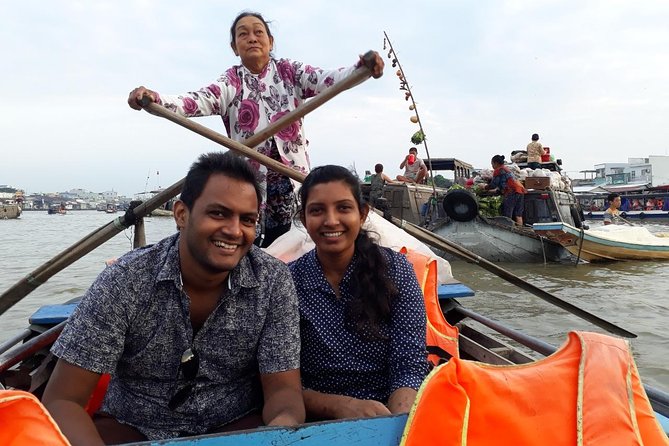
This day starts in Ho Chi Minh City with a pickup at 3:00 a.m. That early wake-up is the trade-off you make to reach the Mekong area while the day is still fresh. The total duration is about 10 hours, and you’re back in the late afternoon around 3–4 p.m.
Here’s why I think that timing makes sense for you. First, the floating market experience is more manageable when you’re not fighting peak-day crowds. Second, you avoid turning the day into a rushed blur of waiting and traffic by packing your key moments earlier.
The downside is simple: you need to treat this like a proper all-day commitment. If you’re planning a late night the night before, don’t. Build in a reset.
Practical tip: pack a small layer for the early hours. Even if the weather isn’t cold, you may still feel the morning chill while traveling at that hour.
You can also read our reviews of more tours and experiences in Ho Chi Minh City.


Cai Rang Floating Market and Mekong Breakfast: The Morning You’ll Remember
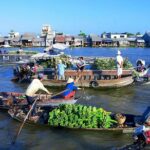
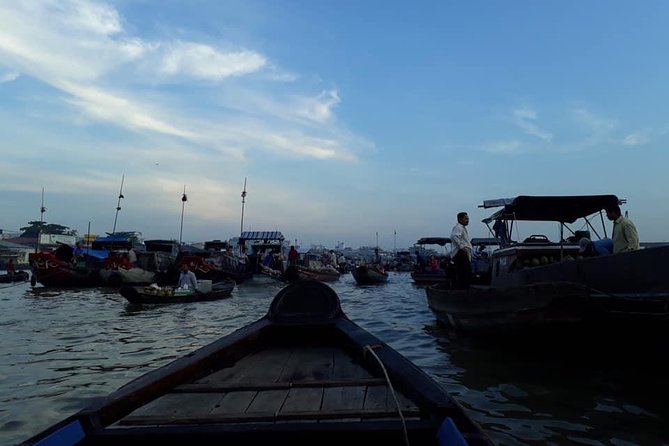
Cai Rang is the Mekong Delta’s floating market best known for the boats and produce. In your morning, you’ll go there and then enjoy breakfast in the Mekong. This isn’t just sightseeing. The market sets the stage for how food moves through the region, and breakfast turns that into something you can taste immediately.
What you should expect in the market area is movement: boats, vendors, and a constant flow of activity focused on daily trade. The experience works best if you go in with a relaxed mindset. Instead of trying to catch everything at once, pick a few moments. Watch how people talk, how items are arranged, and how the market feels like a working place rather than an attraction.
A possible consideration: markets like this are active and can get warm later in the morning. If you’re sensitive to heat, plan to take breaks during the tour transitions—your schedule includes several food-related stops, so you won’t just be standing still for the entire day.
Rice Noodle Factory, Bakery Mill, and Small Canals: Food Comes With a Backstory
After the market breakfast, you’ll head to a rice noodle factory / traditional bakery mill and also visit small canals. This stop is a big value-add because it connects the meal you’re about to learn with how the ingredients are actually produced.
Rice noodles and related staples are central to Vietnamese food culture, but it’s easy to treat them as a given. Seeing them made (even for a limited time) gives you a new lens for the rest of the day. It also makes your cooking class feel more meaningful, because you’re not only learning steps—you’re learning where key components start.
The canals stop adds a nice change of pace. It helps you move from big-market energy into something slower and more local. It’s also a good chance to spot how waterways shape daily life in this region.
If you’re the type who loves food science and process—this part is for you. If you’re mainly there for the cooking and the floating market, this still earns its place by making the whole day feel connected rather than random stops.
Muoi Cuong Cacao Orchard: A Sweet Detour That Actually Makes Sense
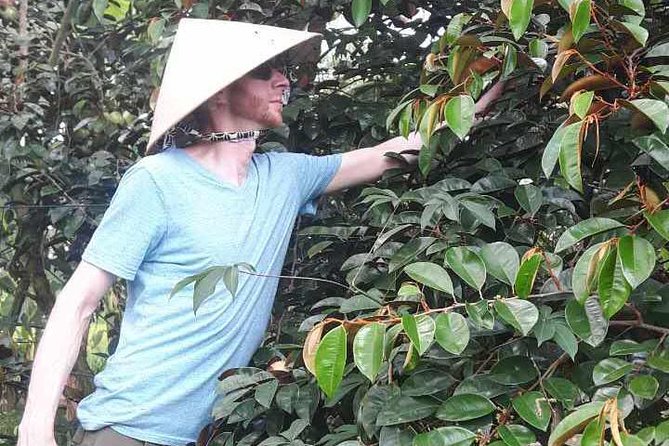
On the way, you’ll visit a Muoi Cuong Cocoa Farm / cacao orchard. This isn’t just a photo stop. Cacao is one of those ingredients that sounds like it belongs to faraway chocolate factories, but in the Mekong, it’s part of what families grow and rely on.
What I like about adding cacao to this kind of day is variety. You already have rice, noodles, and market food in the plan. Cocoa gives you a different flavor of understanding—literally. It also breaks up the day so it doesn’t feel like a nonstop chain of eating.
You’ll likely see how cacao grows and how farmers think about the orchard as a working landscape, not a themed display. If you enjoy agricultural visits, you’ll probably appreciate this more than you expect.
Traditional Market Shopping Leads Into Real Cooking at Home
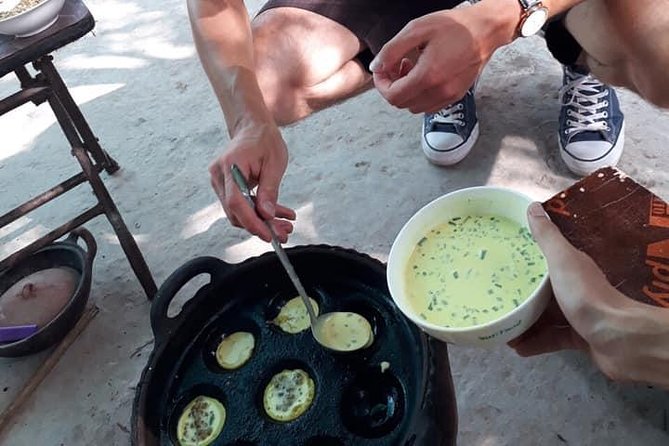
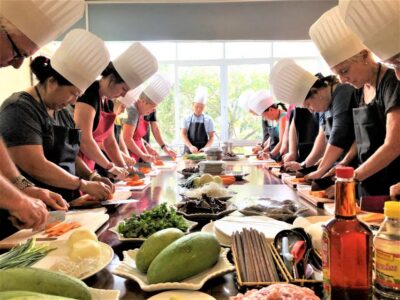
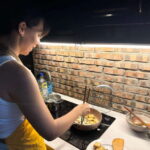
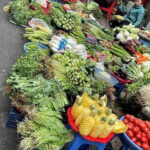
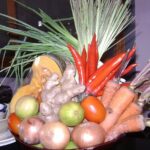
One of the smartest parts of the plan is that you go to a traditional market to buy materials for your cooking class. That means the class isn’t disconnected from reality. You see ingredients in context first, then handle them in a family kitchen setting afterward.
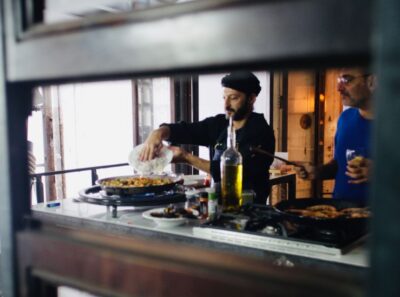
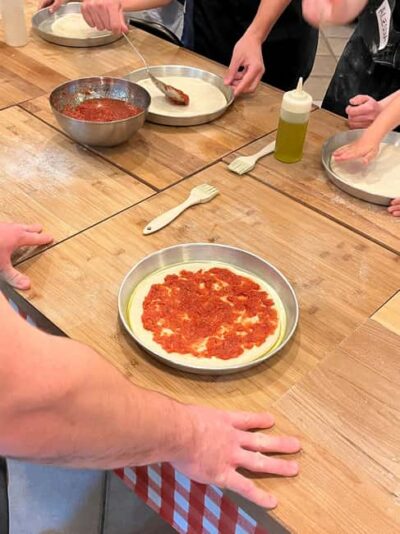
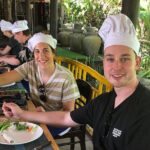
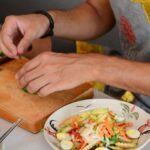
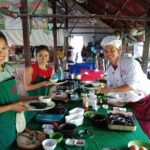
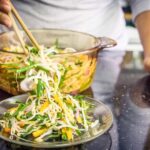
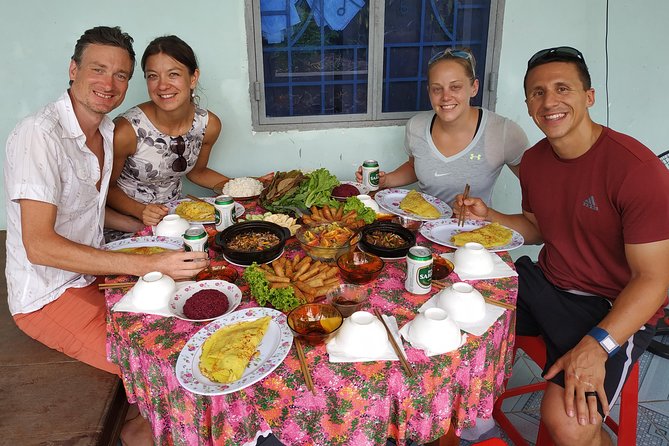
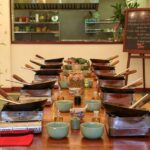
Then you cook. At the countryside home, you’ll learn to make traditional foods, and one cooking combo mentioned is bánh xèo and spring rolls. Those are great choices because they’re hands-on, interactive, and tied to how Vietnamese families feed guests.
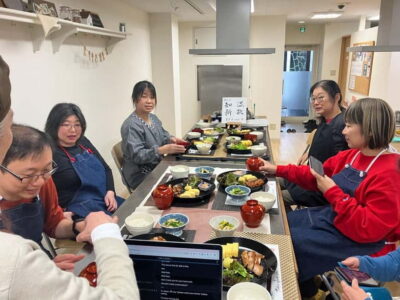
Even if you don’t consider yourself a strong cook, this kind of class tends to be friendly because the goal is to teach you, not grade you. You’ll also eat the lunch you make, which turns the whole experience from a demo into a meal you can truly claim.
What you should know: this is a family-run, natural style of tour rather than a big-professional production. That means the flow can feel more organic and less scripted. For many people, that’s the charm. For others, it might feel like less “tour guide theater.”
The good news is that the day still includes enough structure to make it easy: you’ll move stop to stop and then spend real time cooking and eating together.
Lunch in a Countryside Family Home, Plus the Hammock Reset
Your lunch is at a local family home in the countryside, described as the home of the host’s parents, with the family preparing your meal and teaching you the traditional foods. This is the core emotional payoff of the day. You’re not only consuming culture—you’re sitting inside it.
After lunch, you take a nap with a hammock and relax at the countryside home. This is one of the parts that turns a long day into something restorative. It breaks the usual travel pattern where you just keep moving until you collapse at dinner. Here, you get an actual pause.
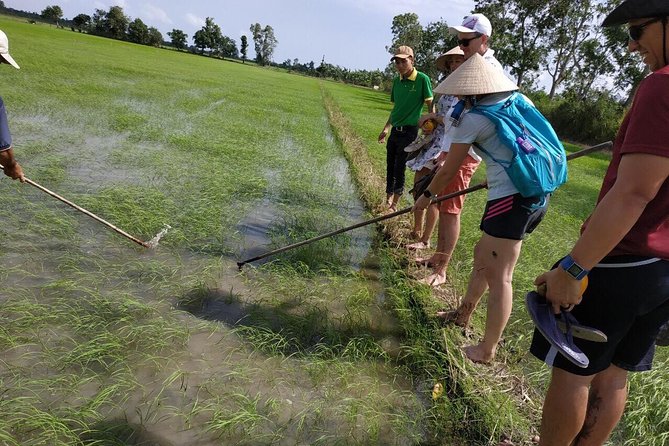
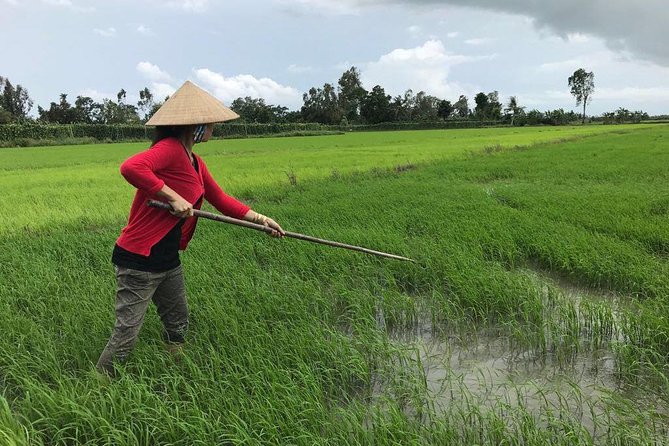
During the afternoon, you’ll go around the countryside to experience daily life, including visits to places like seasonal fruit gardens and rice fields. In the same spirit of hands-on learning, you may be able to pick seasonal fruits by yourself before enjoying them.
This is exactly where the tour’s “natural” approach becomes a benefit. You’re with people who live this rhythm, and you experience the landscape through activities that match how families work and relax.
One consideration: because it’s a home-based day, don’t expect the countryside segment to feel like a polished attraction circuit. It feels like visiting a family farm area and learning what you can in the time you have.
Value and Logistics: Is $119 Worth It for This Day?
The price is $119 per person, and tours like this are typically booked about 11 days in advance. To judge value, look at what you’re actually getting, not just the headline locations.
You’re paying for a full Mekong-style day experience that includes:
- very early pickup from Ho Chi Minh City
- Cai Rang floating market + breakfast on the Mekong
- a rice noodle / traditional bakery mill and canal stop
- a cacao farm / orchard visit (Muoi Cuong)
- market time to gather ingredients for a cooking class
- cooking instruction and lunch at a local family home
- countryside time with a hammock rest and visits to fruit and rice areas
That’s a lot of “different experiences” in one day, but more importantly, it’s food-connected. Breakfast, ingredient shopping, cooking, lunch, and fruit time all tie together. If you enjoy eating your way through Vietnam rather than collecting checkmarks, this can feel like good value.
The group size is capped at a maximum of 60 travelers, and there are group discounts mentioned. A larger group can still work if the stops are timed well, but the homestay segment is where you’ll notice whether it still feels personal. Because the tour is described as a family home experience, the structure likely tries to keep things human-sized.
My overall read on value: at $119, this isn’t a budget-only “cheap trip,” but it does offer several substantive, food-and-lifestyle moments—especially the cooking and the family lunch—where value tends to matter more than fancy add-ons.
Who This Tour Fits Best (and Who Might Want Another Option)
This experience suits you if you want:
- a real cooking class in a home kitchen, not just a short demo
- food stops that connect ingredients to how meals are made
- countryside time that includes relaxing (hammock) and simple farm activities
- a more personal, family-based flow rather than a high-gloss production
It might not fit you as well if:
- you hate very early mornings (pickup is at 3:00 a.m.)
- you want everything to feel tightly timed and professionally staged
- you prefer city comforts over a countryside home setting
The tour is also capped at up to 60 people, which helps it feel manageable compared with mega-group tours, but it still won’t be a private, whisper-quiet experience.
One more note: the operator style is described as natural, not “professional” in the sense of running a tourist machine. I actually see that as a plus if you like authenticity, but it’s important to enter with the right expectations.
Should You Book This Mekong Delta Day Trip?
If you’re excited by food and you want the Mekong Delta story told through meals, ingredients, and family life, I’d lean toward booking. The combination of Cai Rang floating market, cacao, noodle-making context, and a cooking class that leads into lunch at a countryside family home is a strong lineup for one day.
You should probably skip or search for a different option if the 3 a.m start sounds like misery. This tour asks for an early-morning commitment, and the reward is best if you can stay present for the full day.
If you book, do one thing that improves your experience immediately: plan your night before carefully and go in curious, not rushed. This day works when you treat it like a visit to how people live and eat, not like a race to collect sights.
FAQ
What time is pickup?
Pickup from Ho Chi Minh City is at 3:00 a.m.
How long is the tour?
The tour runs about 10 hours.
Does the tour include pickup?
Yes, pickup is offered.
Where do you go during the day?
You visit Cai Rang floating market, a rice noodle factory/traditional bakery mill and small canals, a Muoi Cuong cacao orchard, and a countryside home area.
Is there a cooking class?
Yes. You shop at a traditional market for cooking ingredients and then learn cooking at the family home.
What do you eat during the experience?
You have breakfast in the Mekong, and you have lunch prepared by the local family at their countryside home. The tour also includes fruit time during the countryside segment.
Do you get to relax at the countryside home?
Yes. The plan includes taking a nap with a hammock and relaxing at the home in the countryside.
How big is the group?
The tour has a maximum of 60 travelers.
What happens if the weather is bad?
The experience requires good weather. If it’s canceled due to poor weather, you’ll be offered a different date or a full refund.