REVIEW · HO CHI MINH CITY
Ho Chi Minh City Full-Day Farm trip with Healthy Cooking Class
Book on Viator →Operated by Western Asian Travel Service · Bookable on Viator
A farm-to-table day in Ho Chi Minh City that actually teaches you how to cook. You get hotel pickup and a small-group farm visit that turns into a hands-on cooking class with the kind of fresh ingredients you don’t get in a market-only tour. Two things I like a lot: the practical step-by-step cooking (not just watching), and the farm setting that makes the food feel real. One possible drawback: the day’s farm animal moments (including cow-milking) may vary; one guest reported no milking on their day, while others did it.
This is built for a full morning-to-afternoon rhythm, starting at 8:00am and running about 8 hours. You’ll create dishes like prawn wraps, papaya salad, and banana spring rolls, then eat what you make. The price ($73) isn’t bargain-basement cheap, but when you compare it to a private-feeling cooking day with transport and lunch, the value can be solid—especially if you like learning cooking fundamentals you can repeat at home.
In This Review
- Key things I’d notice before you go
- From HCMC pickup to farm gates: how the day starts
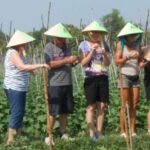
- The organic farm walk: animals, feed, and what you’re meant to learn
- Rice paper factory stop: why it’s worth the extra time
- Ingredient picking and fruit breaks: the practical fun part
- The cooking class: make prawn wraps, papaya salad, and banana spring rolls
- Meet the team: guides and chefs who shape the experience
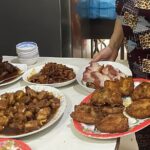
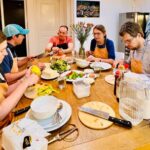
- Eat what you make: lunch and the rhythm of the day
- Value check: is $73 worth a full day of farm + cooking?
- Best timing and combinations: pair it with Cu Chi tunnels?
- Who should book this farm-to-table day?
- Quick take: what you’ll leave with
- Should you book this tour or skip it?
- FAQ
- What time does the tour start?
- How long is the full-day farm and cooking experience?
- Is hotel pickup and drop-off included?
- What’s the price per person?
- How large is the group?
- What dishes will I cook?
- Is lunch included?
- Are drinks included?
- Does the tour provide recipes or a certificate?
- Is milking a cow part of the experience?
- FAQ
- Can I get the tour ticket on my phone?
Key things I’d notice before you go
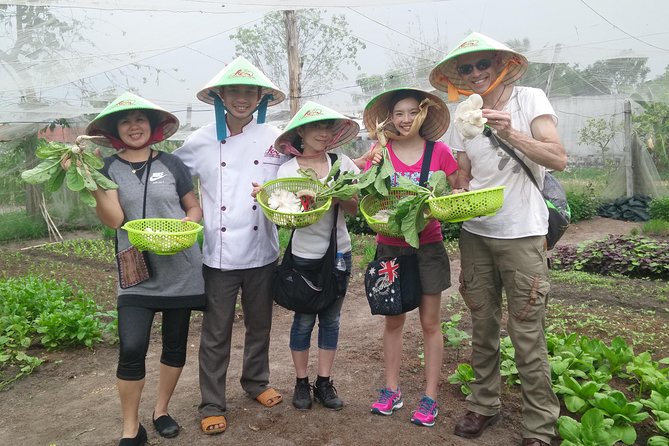
- Max 8 travelers keeps the pace comfortable and gives you more attention while cooking
- Hands-on the whole time means you actually make the meal, not just taste it
- Organic farm walk + ingredient picking connects plants, animals, and nutrition to what you cook
- Rice paper factory stop adds context so spring rolls and wraps make more sense
- Recipes + certificate are a nice touch if you want to re-create the dishes later
- Start at 8:00am with hotel pickup, so plan to be ready early
From HCMC pickup to farm gates: how the day starts
The day begins early, with hotel pickup and a start time of 8:00am. You’re not left to navigate across town on your own, which matters in HCMC. Once you’re in the transport, the vibe shifts from city speed to country calm.
A detail that feels small but helps: you get bottled water, plus coffee and/or tea during the day. With an 8-hour schedule and active tasks like picking ingredients and cooking, that keeps energy steady. Also, it’s listed as a mobile ticket experience, so you’re not juggling paper vouchers.
If you get carsick easily, you might want to bring something for the ride. Nothing in the info promises short travel time, and you’ll be moving between stops before the main cooking starts.
You can also read our reviews of more tours and experiences in Ho Chi Minh City.

The organic farm walk: animals, feed, and what you’re meant to learn
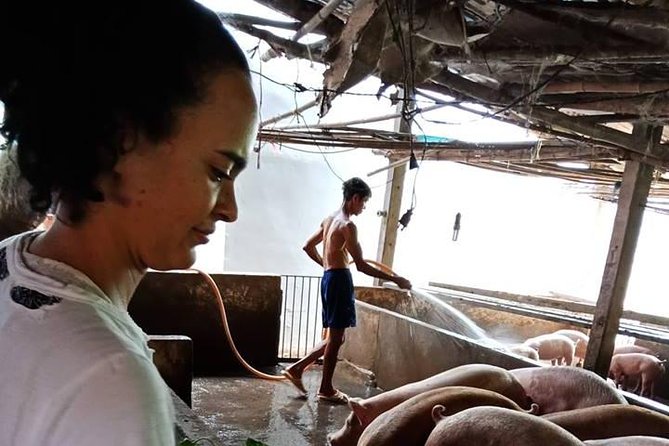
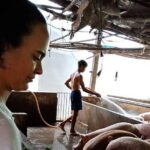
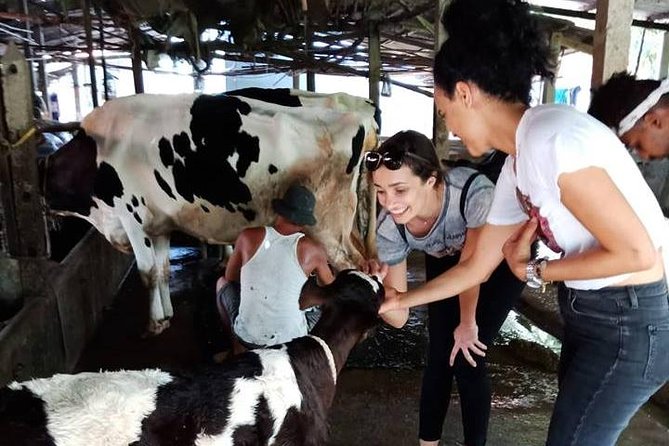
This part is the heart of the day. You’ll visit an organic farm and meet the animals—think chickens and cows, along with other farm life depending on what’s on-site. The tour focuses on how the animals are cared for and what they’re fed, which is useful even if you don’t care about farms as a hobby.
You should also expect a nutrition lesson that’s tied to what grows on the property. You’ll learn about different plants and what they contribute, and you’ll connect that to the flavors and balance in Vietnamese dishes. It’s not only about tasting. It’s about understanding why ingredients show up again and again.
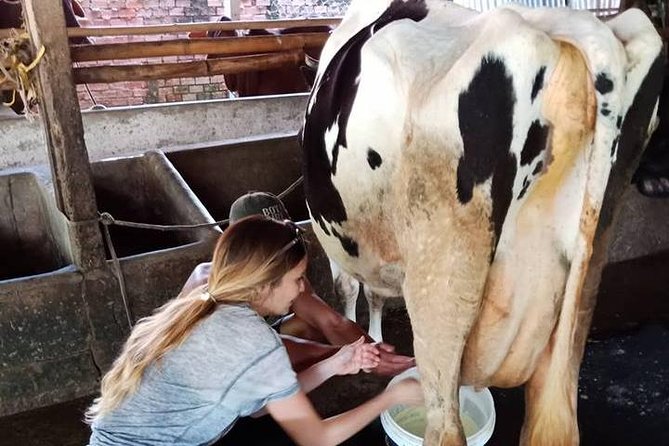
Animal handling can be a highlight. The tour description suggests you may try milking a cow, and many people seem to get that moment. Still, I’d treat it as a possible activity, not a guaranteed checkbox, since at least one guest reported no milking on their day. If you’re going specifically for that, I’d ask the operator ahead of time what’s currently available during your date.
Rice paper factory stop: why it’s worth the extra time
Between farm time and the cooking class, you’ll visit a local rice paper factory. This is the kind of stop that can feel optional on paper—but it changes how you cook afterward.
Why? Because rice paper isn’t just a wrapper. It’s a product with its own thickness, texture, and behavior when soaked or filled. Seeing how it’s made helps you understand why some wraps are easier to handle than others, and why technique matters when you roll.
Even if your main goal is learning recipes, this stop makes the later dishes less mysterious. When you make spring rolls or wraps, you’re cooking with a prepared ingredient that behaves a certain way. That small context pays off at the cutting board.
Ingredient picking and fruit breaks: the practical fun part
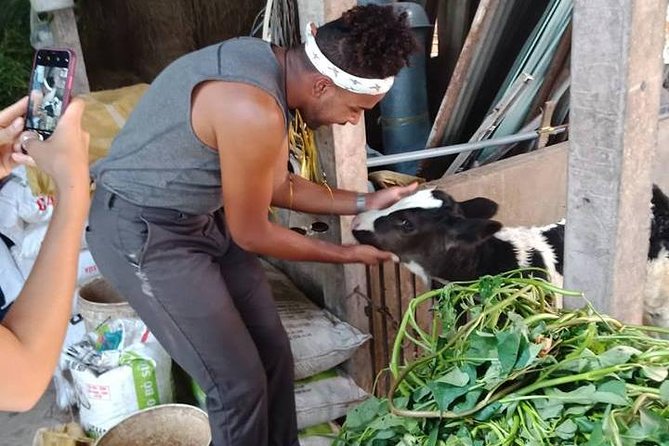
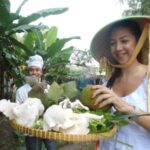
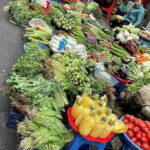
A big part of this experience is hands-on ingredient picking. You’re not just told what to use—you’re involved in gathering the raw materials for the meal. That usually improves the whole day because you pay more attention while cooking. You remember what you touched, what you selected, and why it fits.
You’ll also enjoy fresh fruit on the farm. This isn’t just a snack between activities. It’s part of the farm-to-table logic: you’re tasting what comes from the land before you start turning ingredients into cooked dishes.
This section also tends to create the biggest smiles, because you’re moving outdoors, learning by doing, and getting a sense of how farm ingredients actually look and feel.
The cooking class: make prawn wraps, papaya salad, and banana spring rolls
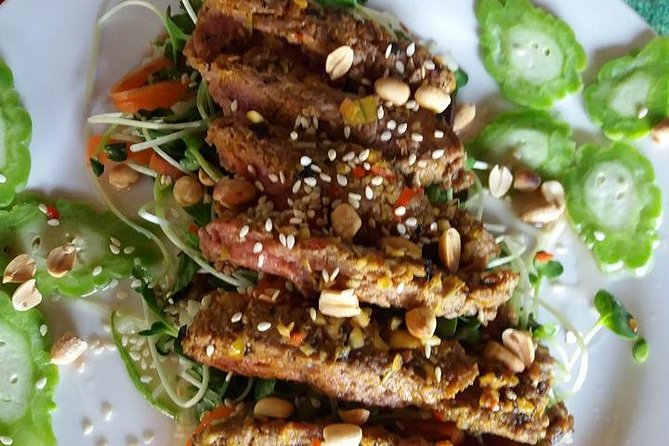
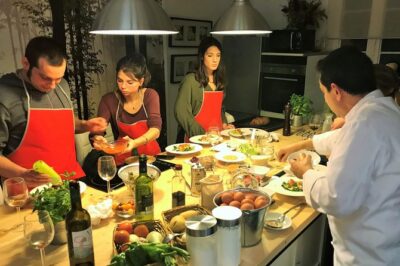
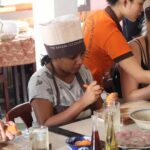
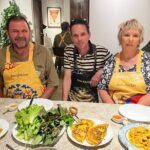
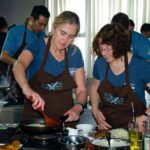
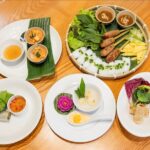
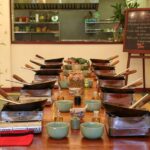
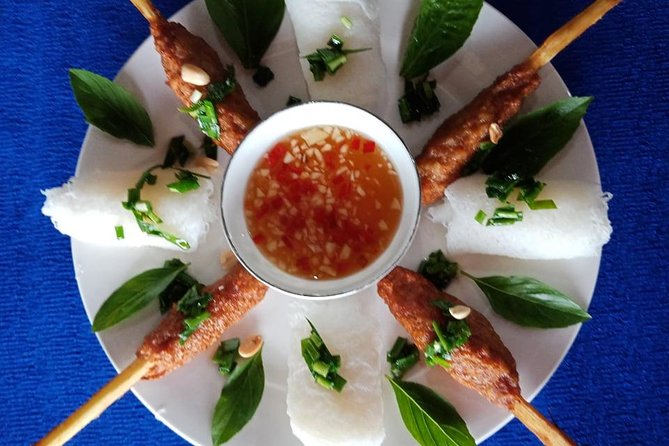
After the farm visit, you’ll settle in for the cooking class. The day is built around a three-course style meal, and you’ll be cooking what you eat—100% hands-on is the promise here.
From the menu focus, you can expect to make:
- Prawn wraps
- Papaya salad
- Banana spring rolls
These dishes are a great trio for learning. Each one trains a different skill:
- wraps/spring rolls teach you assembly and texture control
- papaya salad teaches balance—sweet, salty, sour, and spice
- cooking and seasoning methods get reinforced because you’re tasting your work as you go
You’ll likely cover technique for prepping ingredients, mixing sauces, and putting everything together so it works as a full plate, not three separate chores. That’s where the class earns its value. A lot of cooking classes sell a meal experience. This one is more about technique you can recreate.
During the day you’ll be taught ways to create what the tour describes as Yin and Yan balance for Vietnamese and Asian dishes—basically learning how different elements of flavor and texture are meant to work together.
Meet the team: guides and chefs who shape the experience
What stands out from the operation side is that the instruction is led by a real team, and English communication is often praised. People have specifically named staff like Chef Linh, Alice, and Dante, and you’ll also see Chef Tan and Tan and Sue referenced in guidance.
You shouldn’t assume you’ll get the same instructor as someone else’s day. But it’s a good sign that the school’s leadership and chefs are involved enough to be memorable when they teach.
I also like that the instruction seems professional without feeling stiff. From what’s described, it’s paced with cooking, talking, and eating, so you’re not rushed through the steps like an assembly line. When you leave a class with more than recipes—when you leave with decisions you understand—you’re more likely to cook again at home.
Eat what you make: lunch and the rhythm of the day
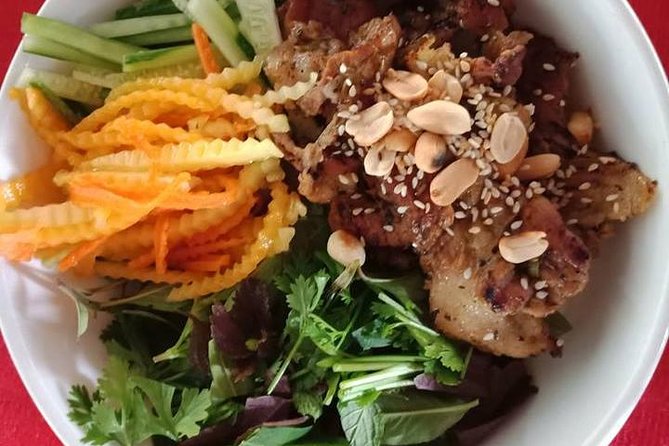
Lunch is included, along with all activities, your driver/guide, and the transport. This means you’re not constantly checking prices or deciding whether a meal is worth paying for separately.
The pacing matters on this kind of tour. Because you’ll be outside picking ingredients, meeting animals, and walking factory steps, you don’t want the cooking portion to be overly long or rushed. The structure here (farm, factory stop, then a cooking class) helps you burn energy first and then focus on technique.
There’s one small consideration: if you show up already full from breakfast, you might find it hard to keep up with the amount of food later. Some people have said they made a rookie mistake by eating before pickup. If you’re even slightly prone to over-snacking in the morning, consider keeping breakfast light.
Value check: is $73 worth a full day of farm + cooking?
At $73 per person for about 8 hours, you’re paying for four things at once:
1) farm visit and animal experience
2) a rice paper factory stop
3) a hands-on cooking class where you cook a multi-part meal
4) hotel pickup/drop-off and private transport
Many HCMC food tours focus on street food and tastings. This one focuses on production and technique. That’s different—and the difference is what you’re paying for.
Also, the tour runs with a maximum of 8 travelers, which affects value. Smaller groups can mean better instruction and less waiting around. If you’ve ever done a cooking class where you spend most of your time standing in line for ingredients, you’ll appreciate this setup.
So, is it worth it? If you want an active, instructional food day tied to where ingredients come from, yes, it can feel worth the price. If you just want quick bites and don’t care about cooking technique, you might find it heavier than you need.
Best timing and combinations: pair it with Cu Chi tunnels?
One practical planning tip: this tour tends to go best when you treat it as a major block of your day, not something to stack casually with other activities. It starts at 8:00am and lasts about 8 hours.
That said, it has been suggested as a good pairing with the Cu Chi tunnels. If you’re planning to see the tunnels, this farm class can give you a contrast—green, farm-based cooking learning in the morning/day, then a very different historical experience later. The operator’s logistics reportedly can handle an efficient flow.
If you’re only in HCMC for a short time, this full-day format can be a strong way to balance food learning with sightseeing. It’s also a nice choice if you want something meaningful that isn’t just another market stop.
Who should book this farm-to-table day?
You’ll likely enjoy this most if:
- you want hands-on cooking and will actually use recipes at home
- you enjoy learning how food is grown and processed (farm + rice paper factory)
- you like small groups and better instructor attention
- you’re interested in Vietnamese flavor balance, not just tasting
It may not be the best match if:
- you’re only looking for light street-food style snacks
- you’re very sensitive to early mornings (8:00am pickup is real)
- you’re going specifically for guaranteed cow-milking every time (it may depend on what’s available)
Quick take: what you’ll leave with
You should leave with more than a full stomach. The experience includes recipes and a certificate, which means you can cook again later without guessing.
And the best part is the cause-and-effect feeling: you touch ingredients on the farm, you see how rice paper is made, and then you assemble dishes that make sense because you understand what each ingredient contributes.
Should you book this tour or skip it?
I’d book it if you’re the type of traveler who likes your food experiences to teach you something you can repeat. This is a rare combo in HCMC: farm time + ingredient picking + cooking instruction, capped with a meal you made yourself. The small group limit (max 8) is a big deal for quality.
I’d pause if you’re chasing a guaranteed animal-activity highlight like cow-milking. It sounds possible, but it’s not consistent across every day. If that’s your main reason, ask the operator questions before paying, and be ready for the farm visit and cooking lesson to be the real core of the value.
If that sounds like your style, this is one of those days that tends to stick for the right reasons.
FAQ
What time does the tour start?
The tour starts at 8:00am.
How long is the full-day farm and cooking experience?
It’s about 8 hours.
Is hotel pickup and drop-off included?
Yes. Hotel pickup and drop-off are included.
What’s the price per person?
The price is $73.00 per person.
How large is the group?
The tour has a maximum of 8 travelers.
What dishes will I cook?
You’ll make prawn wraps, papaya salad, and banana spring rolls, as part of the cooking class.
Is lunch included?
Yes. Lunch is included.
Are drinks included?
Coffee and/or tea are included, but drinks are not included beyond that.
Does the tour provide recipes or a certificate?
Yes. You receive a certificate and recipes.
Is milking a cow part of the experience?
The experience description suggests you may have the chance to try milking a cow, but availability can vary by day.
FAQ
Can I get the tour ticket on my phone?
Yes. It uses a mobile ticket.