REVIEW · HO CHI MINH CITY
Ho Chi Minh City: Vietnamese Homestyle Cooking Class
Book on GetYourGuide →Operated by Hoa's Kitchen · Bookable on GetYourGuide
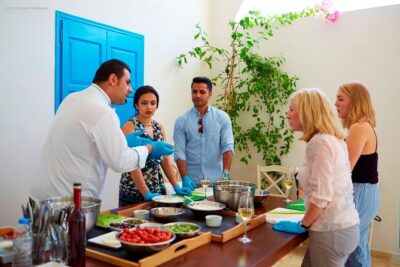
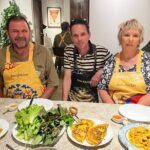
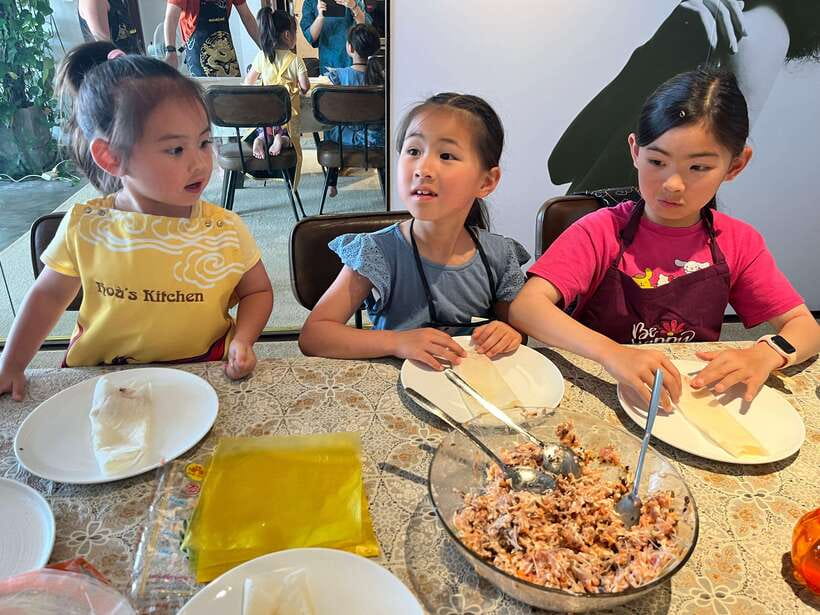
Cooking like a Vietnamese friend, not a show. This homestyle class in an apartment in District 4 turns dinner into a hands-on lesson with English guidance from Hoa in a small group. You’re not watching from the sidelines; you’re cooking, tasting, and chatting in a warm home setting.
I especially like the focus on fresh, high-quality ingredients with no MSG. You also get flexible options for many diets, including plant-based versions of selected dishes and menu adjustments for gluten-free or allergies if you tell the team when booking.
One consideration: you cook together on the same menu (not separate stations for each guest). That’s part of the homey feel, but it means the pace is shared—so plan to go with the flow.
In This Review
- Key Highlights That Matter for Your Evening
- A Home Kitchen in District 4: The Meeting Spot and the Atmosphere
- From Scratch in 3 Hours: How the Class Actually Runs
- The Dish Menu You Can Request: What You Might Cook
- No MSG, Fresh Ingredients, and Diet-Friendly Options That Don’t Feel Like a Compromise
- What You’ll Actually Learn: Skills That Transfer to Your Own Kitchen
- Price and Value: Why $39 for 3 Hours Can Make Sense
- Practical Logistics: Getting There, Timing, and What to Expect
- Who This Ho Chi Minh Homestyle Class Fits Best
- Should You Book This Vietnamese Homestyle Cooking Class?
- FAQ
- Where is the meeting point for the cooking class?
- Is pickup service included?
- How long is the class?
- How many dishes will we cook?
- Can the class accommodate vegan, vegetarian, gluten-free, or allergies?
- Is a market visit included?
- Is the class taught in English, and is it wheelchair accessible?
Key Highlights That Matter for Your Evening
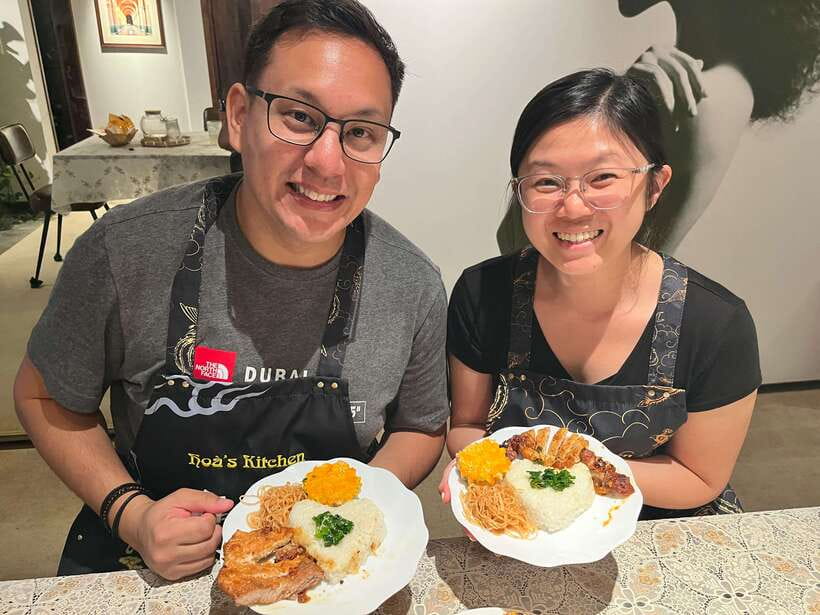
- Real homestyle kitchen vibe: welcoming “local friend’s house” feel in a District 4 apartment, not a production line
- 2–3 dishes from scratch in about 3 hours: you’ll work through real steps, not just assembly
- Fresh ingredients, no MSG: a big deal if you’re picky about flavor additives
- Small group capped at 6: more conversation and more hands-on help
- Diet-friendly flexibility: plant-based versions for select dishes, plus gluten-free/allergy tailoring when requested
- No market visit by default: you can request one later for an extra fee
A Home Kitchen in District 4: The Meeting Spot and the Atmosphere
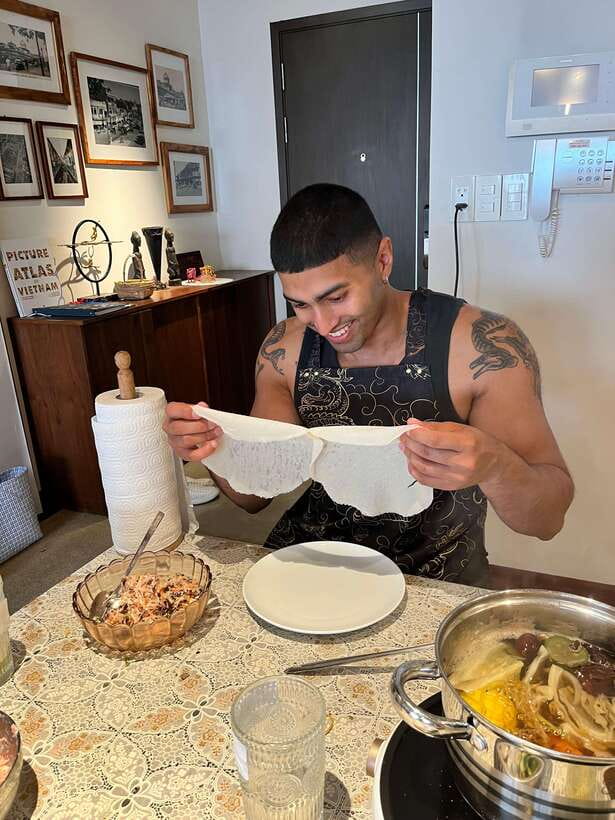
This class starts at 670/81 Doan Van Bo Street, Ward 8, District 4 in Ho Chi Minh City, and it ends back at the same place. Plan on making your own way there—there’s no pickup service offered. If you’re staying around central districts, you’ll likely use a rideshare like Grab to get close and then walk the last bit.
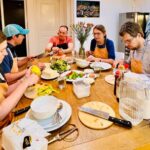
The key thing here is the setting: an apartment kitchen that feels lived-in and comfortable. Instead of a formal studio, you’re stepping into a space that makes it easy to relax. One of the best outcomes of that style is how naturally the evening turns into conversation—Vietnamese cooking isn’t just techniques here, it’s family, habits, and everyday flavor choices.
You’ll also want to know the class is wheelchair accessible, and it’s taught by an English-speaking host (Hoa). It’s also not suitable for people over 95, which you should treat as a real scheduling constraint, not a minor note. And of course, alcohol and drugs aren’t allowed.
You can also read our reviews of more tours and experiences in Ho Chi Minh City.



From Scratch in 3 Hours: How the Class Actually Runs
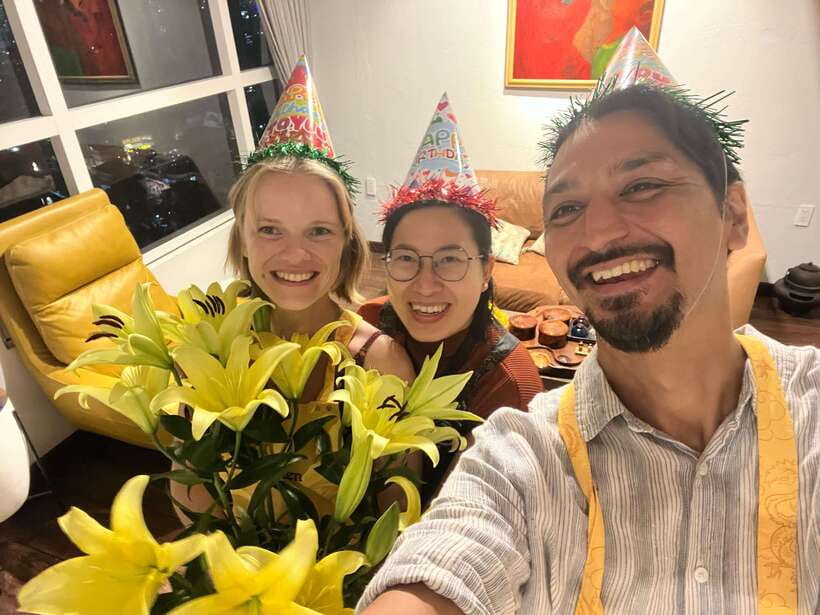
The structure is straightforward: you meet, the instructor walks you through the cooking process step by step, and you cook together. The plan is to make 2–3 dishes from scratch, with time built in to explain what matters at each step.
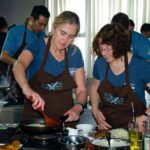
The pacing is designed so you’re involved throughout. Instead of every person working in parallel at their own station, it’s a shared kitchen flow. That’s why the class works best when you like learning by doing. You’ll chop, mix, roll, stir, fry, or simmer depending on your chosen dishes, and you’ll get nudged toward better results as you go.
Because the group is capped at 6 participants, the host can slow down for questions. A small group also means less waiting around. In many cooking classes, you end up with one “token” task. Here, the whole point is that everyone stays busy.
One nice extra: after the class, you’ll receive recipes. In addition, photos are taken during the process and shared afterward, which helps if you want to recreate the dishes later without relying on memory.
The Dish Menu You Can Request: What You Might Cook
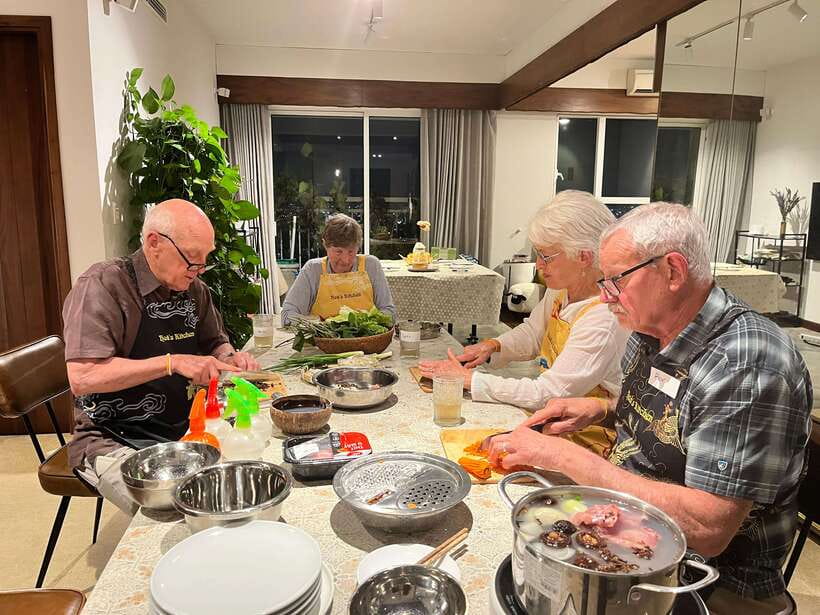
The menu gives you lots of room to choose what you actually want to learn. At booking, you can ask for a specific dish and the host can tailor the menu around your request.
Common dish options include:
- Bún thịt nướng / Bún bò Nam Bộ: stir-fried beef or grilled chicken/pork noodle dish
- Bánh xèo: Vietnamese savory pancake with chicken/pork/prawn
- Phở gà: chicken noodle soup
- Chả giò: fried spring rolls (chicken/pork)
- Bún cá: fish noodle soup
- Mì xào bò: stir-fried noodles with beef
- Bánh cuốn: rice crepe rolls
- Gỏi: mango/papaya/pomelo/cabbage salads
- Cơm tấm: grilled pork with broken rice
- Cá kho: braised fish
- Thịt kho: braised pork
- Gà sả ớt: chicken with lemon grass
A practical tip: if you’ve never cooked Vietnamese food before, pick dishes that teach different skills. For example, combining a soup (like pho) with something fried (like spring rolls) and something fresh (like a mango/papaya salad) gives you a wider set of techniques to bring home.
Also, while you’re not given a guaranteed fixed menu in the information here, the host clearly has multiple options and is ready to adjust. That flexibility is what makes this class feel like a real “homestyle” lesson rather than a set script.
No MSG, Fresh Ingredients, and Diet-Friendly Options That Don’t Feel Like a Compromise
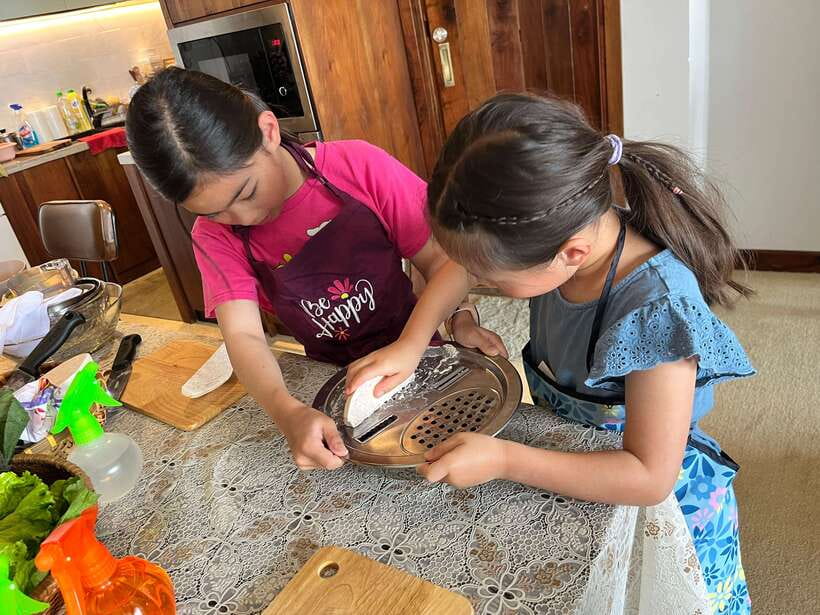
The big promise on paper is high quality ingredients with no MSG. For a cooking class, that’s meaningful because taste usually comes from the base: herbs, aromatics, stock, salt balance, and texture—not from flavor enhancers. If you’re sensitive to MSG, this point alone may be worth prioritizing.
The class can also adapt to different diets. The information explicitly states Vietnamese homestyle recipes can be made for vegan/vegetarian/other diets, and the host can tailor for a gluten-free palate or for special diets and allergies if you communicate them when booking.
There are also specific plant-based options called out. Plant-based versions can be made for dishes:
- 1, 2, 3, 4, 6, 8 (as listed in the menu options):
- Bún thịt nướng / Bún bò Nam Bộ
- Bánh xèo
- Phở gà
- Chả giò
- Mì xào bò
- Gỏi (mango/papaya/pomelo/cabbage salads)
So if you want a vegetarian-friendly evening, you still have real choices—not just one sad substitution dish. The best move is to tell the team your diet style and ask which of those numbers fit what you’re craving.
One more important detail: the kitchen supports dietary tailoring, but you should still share allergies and needs clearly during booking. It’s the difference between a safe experience and a “we’ll see” moment.
What You’ll Actually Learn: Skills That Transfer to Your Own Kitchen
This class is at its best when you think of it like a cooking workshop, not a food show. You’re making dishes from scratch, so you learn the logic behind Vietnamese flavors rather than just collecting recipes.
Even without a menu fixed in stone, the ingredients and techniques generally cover core parts of Vietnamese home cooking:
- balancing flavors for salads (fresh, sour, sweet, savory)
- rolling and frying snacks so they stay crunchy
- stirring and seasoning noodles so they don’t taste flat
- using herbs/aromatics correctly so the dish smells right, not just tastes salty
Because you cook with guidance step by step, you’ll also pick up those small “why this works” details that make the home version possible. One consistent theme in the experience description is that the host guides you through cooking so you can repeat the dishes later, not just enjoy them once.
And yes, you’ll eat what you cook. The homestyle setup includes a dining moment where the food becomes the meal, not the final product you pack away. That’s part of the value: your hands do the work, then you get to enjoy the results.


Price and Value: Why $39 for 3 Hours Can Make Sense
At $39 per person for a roughly 3-hour class, this isn’t a “cheap and cheerful” filler activity. It’s priced like a real small-group lesson: fresh ingredients, guided preparation, and the attention that only happens when the group is limited.
Here’s why it can be good value:
- Small group size (up to 6) usually means more teaching time per person
- You cook 2–3 dishes from scratch, so you’re paying for an active workshop
- No pickup and no market visit are included by default, which keeps the class focused on cooking
- You get recipes afterward, plus photos from the process
If you’re trying to get a meaningful Vietnamese food experience without committing to a half-day tour, this hits a sweet spot. It’s also a great use of an evening when you’d otherwise eat at a restaurant and move on.
If you want a market experience too, you’ll need to add it. The market visit isn’t included automatically, but you can request one for an extra fee.
Practical Logistics: Getting There, Timing, and What to Expect
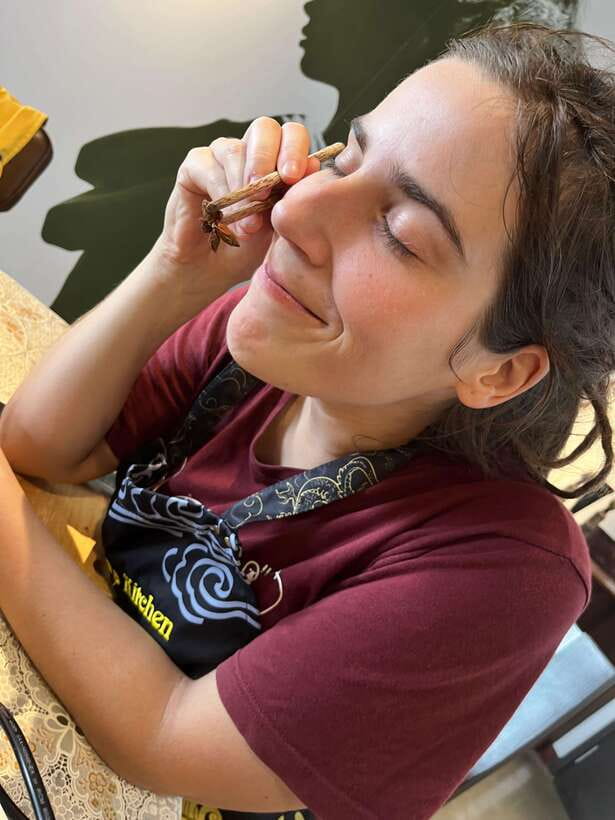
The class lasts about 3 hours. Starting times depend on availability, so you’ll want to check what works for your schedule before you commit.
There’s no pickup service, and the meet point is very specific: 670/81 Doan Van Bo Street, Ward 8, District 4. If you’re not staying nearby, plan for transportation time. A short rideshare is usually the simplest way to avoid stress.
There’s also no separate cooking station for each guest. The whole menu is cooked together in one shared home kitchen. If you’re the kind of person who gets frustrated when things are collaborative, this may feel less “controlled” than a commercial class. If you like a relaxed pace and don’t mind sharing counter space, it’s part of the charm.
Finally, keep the rules simple: alcohol and drugs aren’t allowed. That helps keep the focus on cooking and safety.
Who This Ho Chi Minh Homestyle Class Fits Best
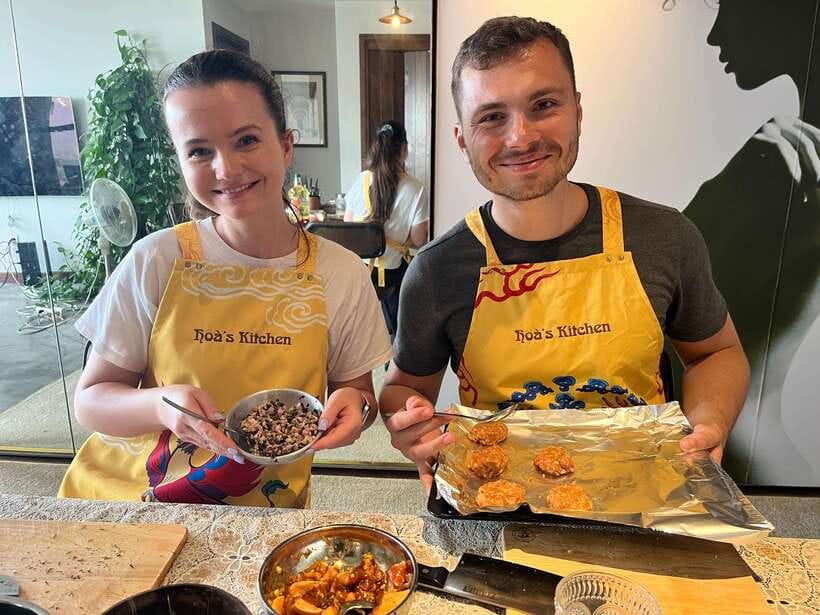
This is a strong match if you want:
- an authentic, home-style approach to Vietnamese cooking
- a small group atmosphere where you can ask questions
- hands-on cooking without needing to be an experienced cook
- diet flexibility (including plant-based options for selected dishes)
It’s also a good choice for families and friends-style travel—especially if you prefer conversation over a loud, rushed setting. If you’re traveling solo, the small group can still feel personal rather than awkward.
It might not be ideal if:
- you want a totally individualized cooking setup with separate stations
- you expect a large, formal class environment
- you need a guaranteed market visit (optional only, with extra fee)
Should You Book This Vietnamese Homestyle Cooking Class?
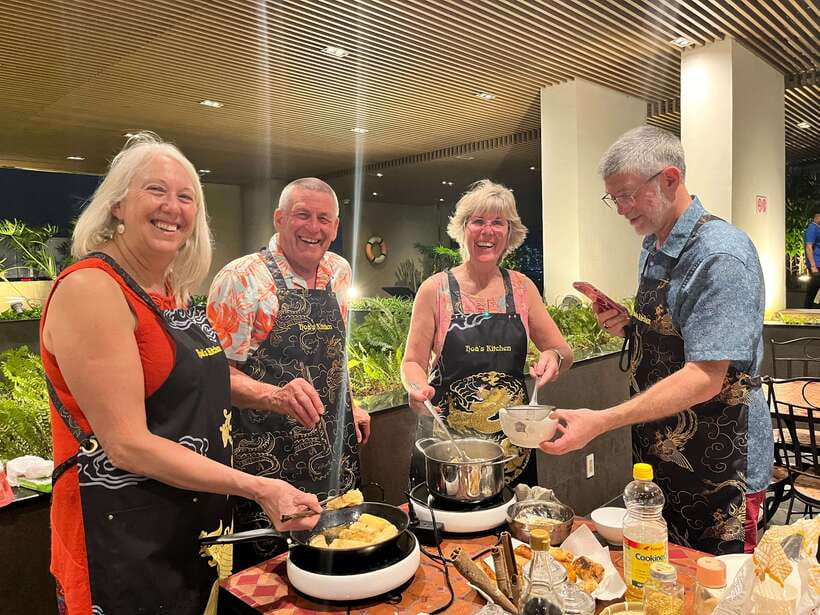
Yes, if you want a real Vietnamese food evening with personal attention and a menu you can shape around what you want to learn. The combination of no MSG, fresh ingredients, and a small-group home kitchen makes this one of the more “worth your time” cooking experiences in Ho Chi Minh City.
Book it especially if your goal is to take skills home—not just eat well once. Choose dishes that teach different technique styles, and tell the host about dietary needs early so your menu can be tailored properly.
If you’re short on time, you’ll still get real output in 3 hours: 2–3 dishes from scratch, plus recipes and photos to help you repeat the results.
FAQ
Where is the meeting point for the cooking class?
You meet at 670/81 Doan Van Bo Street, Ward 8, District 4, Ho Chi Minh, Vietnam, and the class ends back at the same meeting point.
Is pickup service included?
No, pickup service is not offered.
How long is the class?
The class duration is 3 hours. Starting times depend on availability.
How many dishes will we cook?
The class is designed to cook 2–3 dishes from scratch.
Can the class accommodate vegan, vegetarian, gluten-free, or allergies?
Yes. Vietnamese homestyle recipes can be tailored for vegan/vegetarian and other diets. The host can also tailor for gluten-free and special diets or allergies if you contact them at booking. Plant-based versions are specifically available for selected dishes.
Is a market visit included?
No. A market visit is not included by default, but it can be offered as a request with an extra fee.
Is the class taught in English, and is it wheelchair accessible?
The instructor is English-speaking, and the activity is wheelchair accessible.