REVIEW · RABAT
Join Best Moroccan Cooking Class with Chef Khadija ( Over 35 years Experience )
Book on Viator →Operated by Marouane Yazane · Bookable on Viator
Moroccan cooking gets real in a home kitchen. Here you cook a full lunch with Chef Khadija in Rabat, starting with sweet mint tea and ending with the meal you helped make. I love how personal it feels, and I also like that you get clear steps you can actually repeat later.
Two things I especially like: the warm tea-and-sweets welcome, and the way the class turns into real food-making instead of a quick demo. The meal can be tailored for vegetarians and even vegan diets, so you’re not stuck guessing what you’ll be able to eat.
One consideration: this is not a hands-only contest. The chef leads, guides, and does a good amount of the work, so if you want 100% nonstop cutting and stirring, you’ll still participate—but expect her to take the lead at key moments.
In This Review
- Key takeaways before you book
- Chef Khadija’s Rabat villa: tea first, lesson later
- The cooking flow: prep work, then tagine-and-bread momentum
- What you eat at the end: a full Moroccan lunch you helped build
- The tea ritual: sweet green mint tea and small details that matter
- Hands-on learning, but not a free-for-all
- Group size and who it’s best for
- Price and value for a Rabat Moroccan cooking class
- Where to meet in Rabat (and how to plan your morning)
- Take the recipes home: notes, containers, and practical recall
- Should you book Chef Khadija’s cooking class?
- FAQ
- What time does the cooking class start in Rabat?
- How long is the experience?
- Can the menu be adapted for vegetarian or vegan diets?
- Will I cook, or is it mainly Chef Khadija cooking?
- Do I get recipes or notes to use later?
- What’s the group size?
- Do I need to bring anything digital for check-in?
- Where does the tour start?
- What’s the cancellation rule if my plans change?
Key takeaways before you book
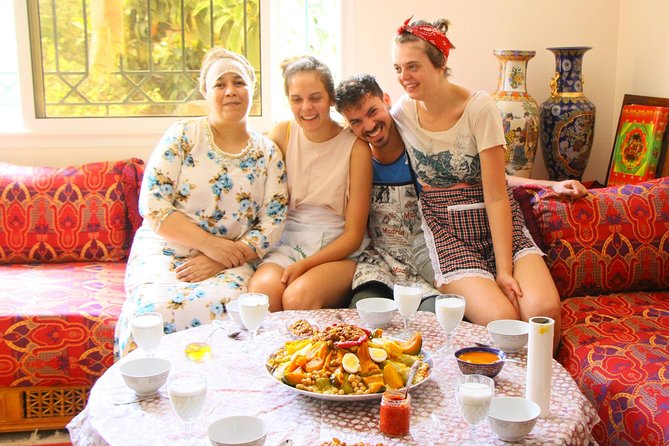
- Chef Khadija’s home kitchen: Traditional villa setting, not a classroom vibe
- Mint tea welcome: Moroccan sweet green tea and sweets right when you arrive
- Menu choice + dietary options: Vegetarian and vegan-friendly customization is offered
- Step-by-step notes to take home: You leave with written instructions for the dishes
- Small group feel: Solo classes are possible, and the activity caps at 6 travelers
- You do the prep: You’ll work on ingredients, not just watch
Chef Khadija’s Rabat villa: tea first, lesson later
This class is built around a simple idea: you learn Moroccan cooking by doing it in the place it actually happens—Chef Khadija’s traditional villa home in Rabat. You arrive and get the Moroccan welcome you’ll remember: mint tea served with sweets. It’s a nice reset from the street, and it also sets the tone that this isn’t rushed or staged.
Then you shift from sipping to planning. If you haven’t already discussed the menu, Chef Khadija asks what meal you’d like, and she can adjust for dietary needs (including vegetarian/vegan options). That matters because Moroccan cooking uses spice, herbs, and sauces for everything—from meat dishes to vegetable-based plates.
One practical perk: you can also take pictures and videos, so you can capture the kitchen, the food process, and the final spread. In a small home setting, that can feel more respectful and personal than filming in a public venue.
You can also read our reviews of more tours and experiences in Rabat.

The cooking flow: prep work, then tagine-and-bread momentum
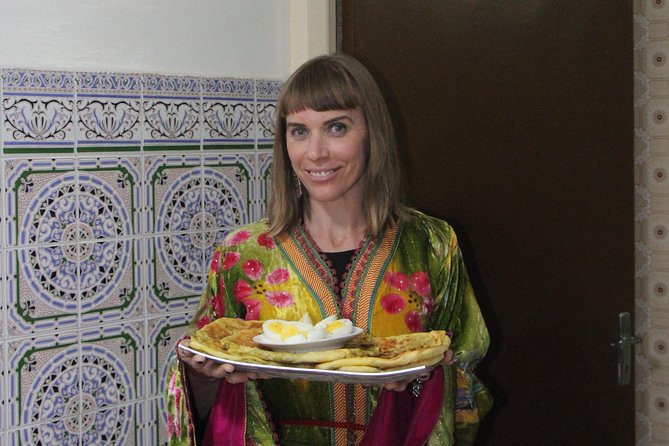
The schedule runs about 2 hours 30 minutes (with some reviews noting a longer stay, around 3.5–4 hours depending on the pace). You’ll start around 10:30am and finish closer to 2pm, with an additional 3pm option available on some days. Think of it as a relaxed, late-morning meal plan where you learn as you go.
What you do during the class is the key. You prepare ingredients and take part in the process—cutting and prepping are part of the experience, and onions show up in the prep work for more than one dish. Chef Khadija’s role is to steer the technique: timing, heat, seasoning, and the little “why this works” details that make Moroccan cooking taste layered instead of flat.
Based on past menus, expect dishes in the Moroccan lineup such as chicken tagine, vegetable sides, and breads like batboute (also spelled in variations). Reviews also mention couscous with beef and even a pastilla. The exact combo can depend on what you choose, but the lesson style stays the same: you’re guided step-by-step, not left to guess.
Another detail I really like: Chef Khadija provides written notes—paper with instructions—so you can actually recreate the dish later. Multiple reviews also mention pens and clean, organized guidance, which is a big deal if you’re trying to cook at home rather than just eat.
What you eat at the end: a full Moroccan lunch you helped build
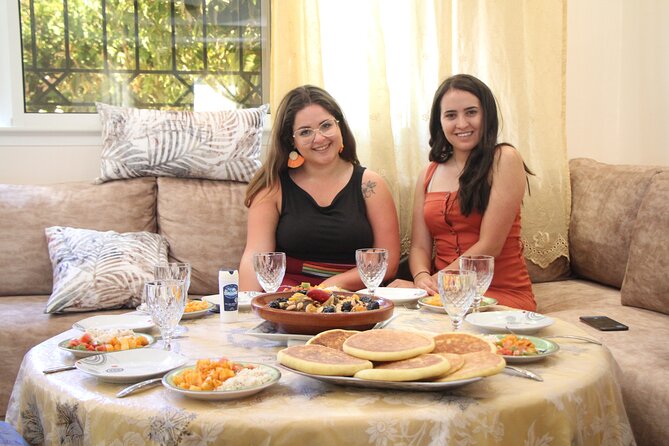
The goal isn’t just tasting a little food. It’s a real lunch. You sit down to enjoy the meal at the end after the cooking. That matters because Moroccan cuisine is about balance: savory mains, aromatic sides, and the sweet finishing touches that show up in tea culture.
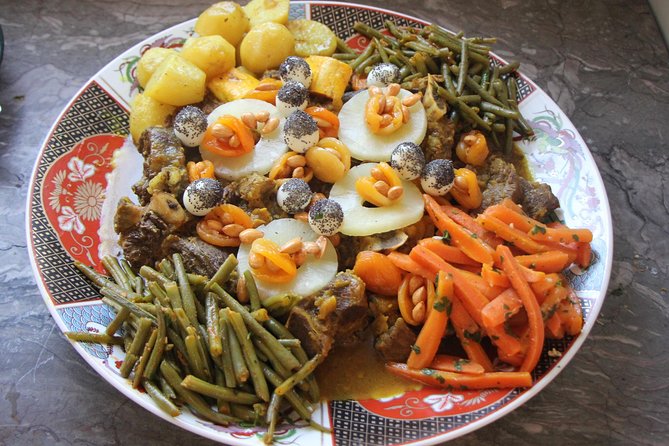
From the dishes people describe after the class, the flavors focus on spices and vegetable texture—things like zucchini and green beans, seasoned in a way that makes them taste like more than side dishes. One of the most praised parts is the way spices are used during cooking, with people calling out those vegetables as some of the best they’ve had in Morocco.
You’re also not boxed in by diet restrictions. Vegetarian and vegan options are catered to, and you can choose a meal. There’s even an example of a specific Moroccan eggplant dish request (Za’alook) being accommodated, which tells me the chef is willing to work with what you like.
The tea ritual: sweet green mint tea and small details that matter
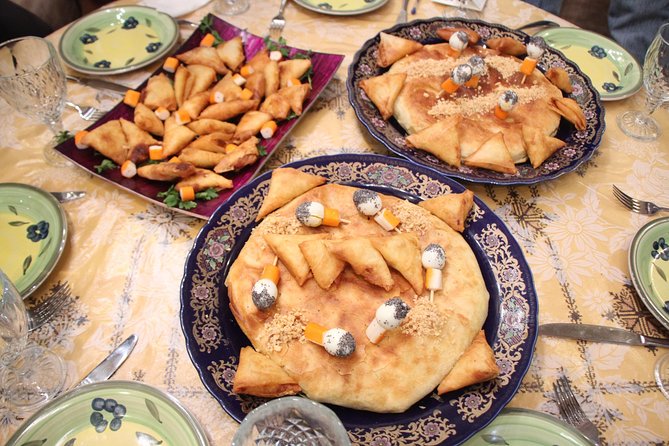
Let’s talk about the tea, because in Morocco, tea is not a throwaway drink. The class starts with Moroccan sweet green tea, served with sweets. That first sip is part of why the experience feels like a true cultural moment, not just a ticketed activity.
The tea also sets up the pacing. You don’t rush immediately into cooking. You meet Chef Khadija, get settled, then start discussing the menu and what you’ll cook. Several reviews mention the tea-and-cookie welcome, which tells me it’s not a token glass.
And yes, the hospitality shows in little ways: people describe a very clean home, careful organization during the class, and a friendly sense of humor while teaching. Even when English isn’t perfect, the experience stays understandable, because the chef uses clear direction and hands-on technique.
Hands-on learning, but not a free-for-all
If you’re picturing a classic group cooking class where everyone does everything at once, adjust the mental picture. This feels closer to cooking with a chef in her home: she leads, you help at the right moments, and you learn the workflow.
That’s why it works even if you’re coming solo. Reviews include solo participation, with the chef teaching warm guidance and explaining steps clearly enough that people felt confident repeating recipes later. One person even described measuring tea amounts and getting explanations that made it practical, not just poetic.
Language is another real-world factor. Some reviews note that Chef Khadija speaks limited English, but it wasn’t a barrier. Her sister Marla is mentioned as assisting and speaking excellent English in at least one experience. If you want smoother conversation, that’s a good sign.
Group size and who it’s best for
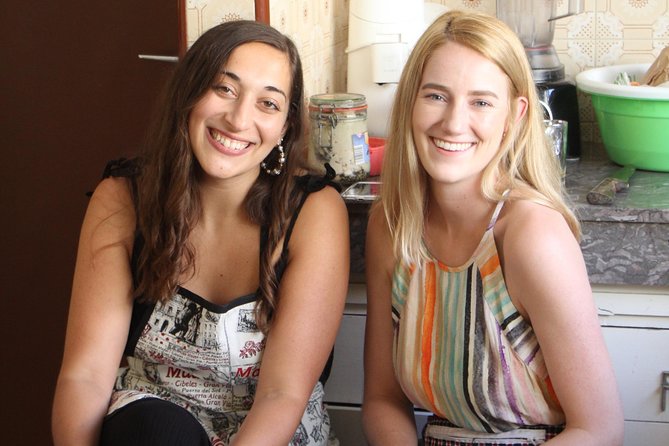
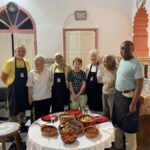
This is a small experience. The activity lists a maximum of 6 travelers, and the description also says it can be booked alone or with a group up to eight. Either way, you’re not stuck in a crowd, and that affects the quality of instruction.
This class fits well if you want:
- a break from sightseeing that still feels local
- a real meal out of the deal, not just snacks
- hands-on cooking with guidance you can repeat later
- a family-friendly activity (reviews mention children joining and enjoying the prep)
It also works for mixed-experience groups: beginners can follow the steps, and cooks who already know Moroccan flavors can focus on technique and seasoning balance. If you’re hoping for a performance, though, you may find the chef does a lot of the cooking process herself. You’ll still be involved, but the priority is quality cooking and proper method.
Price and value for a Rabat Moroccan cooking class
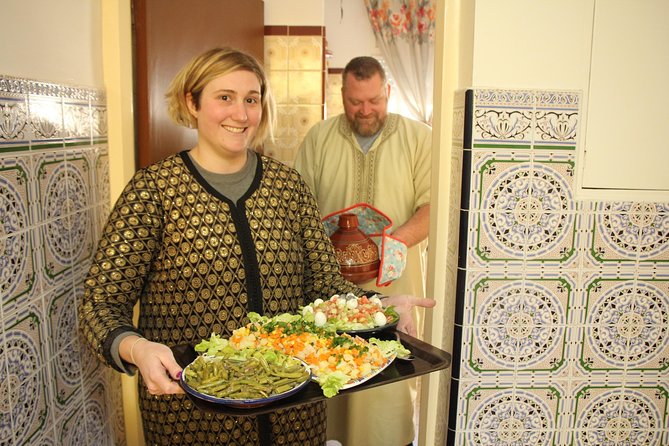
At $52.34 per person for roughly 2.5 hours, the value comes from what’s included and how personal it is. You’re not just paying for access to a kitchen—you’re paying for:
- a full meal at the end
- a tea-and-sweets welcome
- dietary customization (including vegetarian/vegan options)
- written notes to recreate recipes at home
- a small-group setting in a private home
Also, compare what you’d pay for a similar meal plus a cooking lesson elsewhere. Here, you’re getting ingredients, technique, and instruction folded into one price. The class rating is very high (5 stars across many reviews), and people consistently describe it as a memorable highlight, not an average “cook and leave” activity.
If you’re traveling with a friend, it can feel especially cost-effective because you’re still in the small-group lane but sharing a full experience.
Where to meet in Rabat (and how to plan your morning)
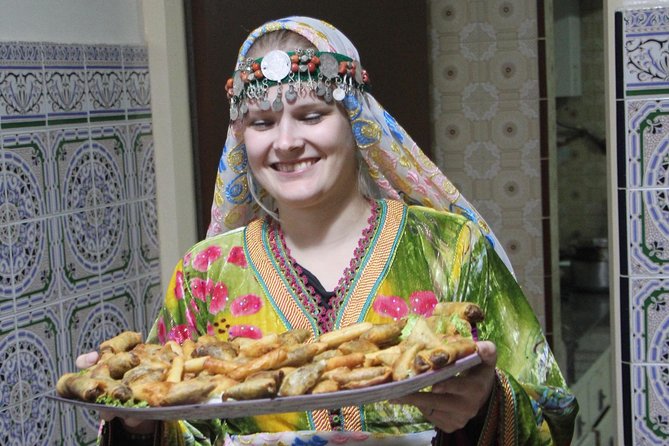
Meeting point is listed near Mosquée Sheikh Saif, course cuisine, on Avenue As Sanaobar, with plus code X45C+832, in the Agdal Riyad area. The activity says it’s near public transportation, which helps if you’re not using a private driver.
Timing tip: aim to arrive a few minutes early. It’s a home setting with a tea welcome built into the start, and you’ll want time to settle before the menu discussion.
You’ll get a mobile ticket, so have your confirmation ready on your phone.
Take the recipes home: notes, containers, and practical recall
The best souvenirs from a cooking class are the ones that feed you later. Here, you take home a note paper with all the necessary steps to recreate what you made. Multiple reviews mention paper and pens being provided so you can write down key steps and keep the process straight.
Some people also describe being given takeout containers. That’s useful if you want extra portions for later or if you cook a lot and want leftovers. Either way, the point is you leave with more than a full stomach—you leave with a workable method.
If your goal is to cook Moroccan food back home, these notes are what make it real. Without them, you can end up remembering taste only. With them, you can recreate the structure: spice timing, how to build flavor, and how the dish should look at each stage.
Should you book Chef Khadija’s cooking class?
Book it if you want a Moroccan lunch that feels local and personal, not generic. The combo of sweet green mint tea welcome, small-group instruction, and step-by-step notes makes this one of the more practical cooking experiences in Rabat. It’s also a strong choice for dietary flexibility, including vegetarian and vegan.
Skip it only if you need a strict “everyone cooks every minute” format. This class is structured around proper guidance, so Chef Khadija leads key steps while you handle key prep moments.
If you’re the kind of person who likes to taste Morocco, then actually learn how to recreate it, this is a great afternoon plan.
FAQ
What time does the cooking class start in Rabat?
The class typically starts around 10:30am and finishes around 2pm. There’s also an option available starting at 3pm.
How long is the experience?
The duration is listed at about 2 hours 30 minutes (approx.). Some past experiences have run longer depending on the pace.
Can the menu be adapted for vegetarian or vegan diets?
Yes. The class can be customized for vegetarians and vegan diets, as well as for people who eat meat.
Will I cook, or is it mainly Chef Khadija cooking?
You’ll take part in the prep and cooking process. At the same time, Chef Khadija does a significant amount of the cooking, so it’s a guided experience rather than a fully hands-off demo or a free-for-all.
Do I get recipes or notes to use later?
Yes. You receive note paper with the steps you need to recreate the dish at home.
What’s the group size?
The activity has a maximum of 6 travelers. The class can be done alone or in a small group, with a group limit mentioned as up to eight.
Do I need to bring anything digital for check-in?
You’ll use a mobile ticket.
Where does the tour start?
The meeting point is near Mosquée Sheikh Saif on Avenue As Sanaobar, Agdal Riyad, Rabat (plus code X45C+832). The activity ends back at the meeting point.
What’s the cancellation rule if my plans change?
Cancellation is free. You can cancel up to 24 hours in advance for a full refund, based on the experience’s local time. If you cancel less than 24 hours before the start time, the amount paid is not refunded.