REVIEW · RABAT
Rabat: Authentic Moroccan Cooking Class with Expert Chefs
Book on GetYourGuide →Operated by OhDelices Culinary Academy · Bookable on GetYourGuide
Your clothes will smell like Morocco. At OhDelices Culinary Academy in Rabat, I like the chance to work with special ingredients such as fermented butter and pickled lemon, and then sit down to enjoy the meal with Moroccan mint tea. One heads-up: spice aromas can cling to your clothes, especially if it’s your first day in town.
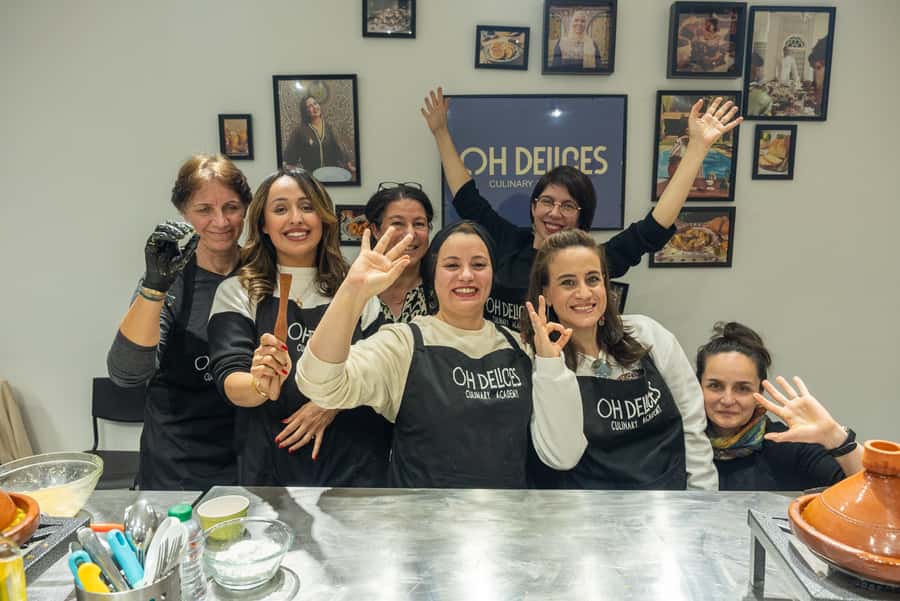
This is a small-group class (limited to 10), so you actually get questions answered and techniques shown, not just watched. You’ll learn iconic dishes like tagines, pastilla, and traditional breads, plus staples such as couscous and msemen, then take home recipes so you can try again later.
In This Review
- Key things that make this Rabat cooking class worth your time
- OhDelices Culinary Academy in Rabat: find it fast and know what to expect
- The 3-hour flow: from starter to tagine to dessert
- Start with a Moroccan starter (often eggplant)
- Move into the tagine and main course
- Add couscous and msemen skills (the stuff you’ll repeat at home)
- Finish with a sweet Moroccan dessert
- You may get a say in what you cook
- Pastilla, breads, and the real work behind Moroccan comfort food
- Spices and ingredients: the class teaches flavor, not just recipes
- The meal after class: mint tea, stories, and a full table payoff
- Language and small-group dynamics: you’ll get help even if your French is rusty
- Price and value: what $65 covers and why it makes sense
- Practical tips: shoes, clothes, and how to deal with spice leftovers
- Wear comfortable shoes
- Choose clothing you can wash easily
- Tell the chef about dietary restrictions
- Transportation is not included
- Who should book this cooking class in Rabat?
- FAQ
- How long is the Rabat Moroccan cooking class?
- What does the price include?
- Do I need to bring ingredients or kitchen tools?
- What languages are available during the class?
- Is transportation to the studio included?
- Is the class wheelchair accessible?
- How big is the group?
- What should I bring and what rules should I follow?
- Should you book this Rabat cooking class?
Key things that make this Rabat cooking class worth your time
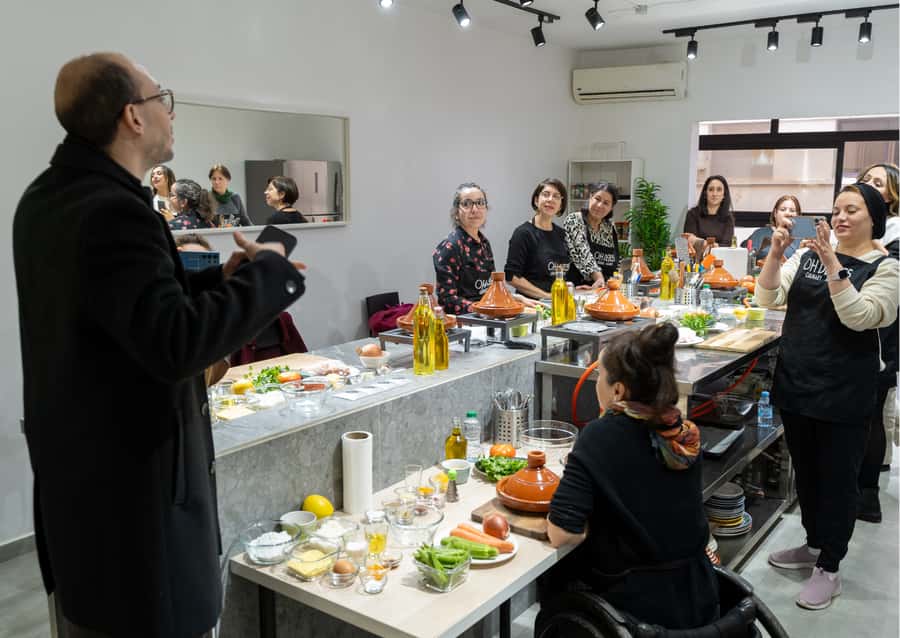
- Small group, big hands-on time: limited to 10 participants with real chef guidance
- A full Moroccan meal at the end: you cook it and then you eat it, with complimentary mint tea
- Iconic dishes with authentic ingredients: expect examples like lemon chicken tagine, plus pantry-maker techniques
- Spice skills you can reuse: learning how spices build flavor, not just memorizing a recipe
- Multi-language support: Arabic, English, and French instructions with translation where needed
- Recipes to take home: so the class doesn’t end when the apron comes off
OhDelices Culinary Academy in Rabat: find it fast and know what to expect
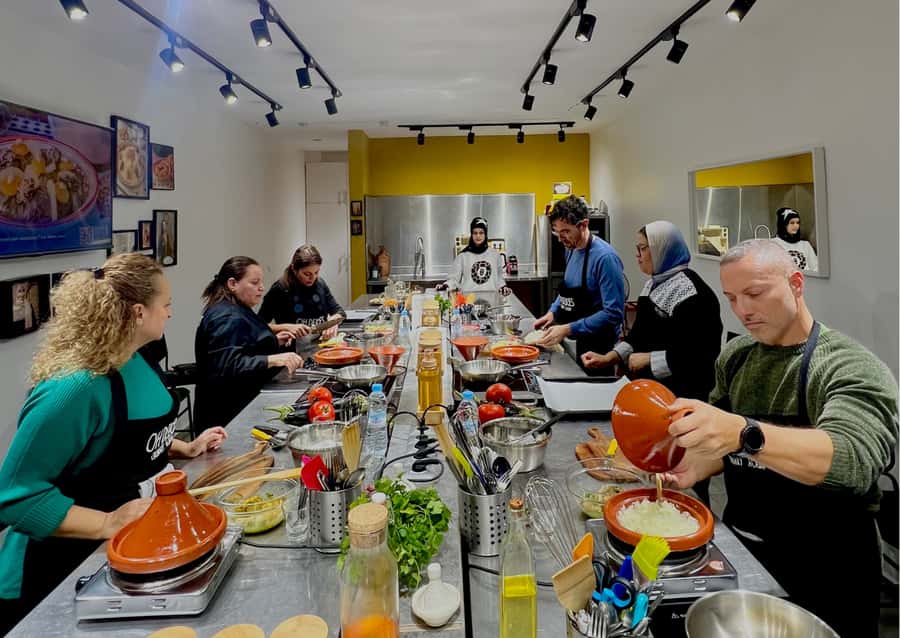
This class takes place at OhDelices Culinary Academy in Rabat, in a purpose-built cooking setting where everything is geared for cooking, not demonstrations. The meeting point is simple: the building is next to the Goethe Center building, so you’re not wandering around looking for a back entrance.
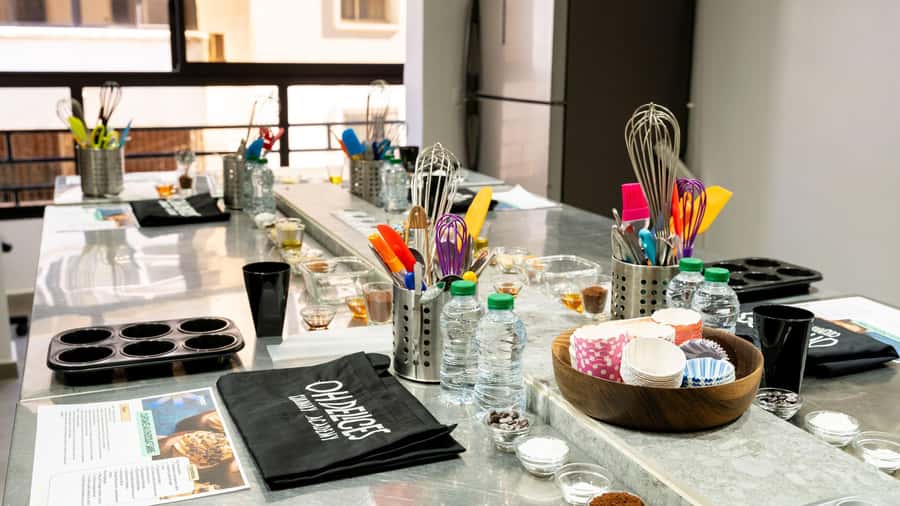
The experience is hands-on from the start, with all ingredients and cooking equipment included. That matters in real travel life. You don’t need to hunt down specialty spices, bring cookware, or figure out what’s missing when you get there. You also know the structure up front: the class runs 3 hours, and you’ll end with the meal you helped make.
Before you go, plan your outfit for cooking. You’re allowed to wear comfortable shoes, but bare feet are not allowed. The studio is set up for cooking and food work, so wear clothing you don’t mind getting a little dusty or smelling faintly like spices later.
And yes, spice smell is real. One review mentioned clothes smelling like spices until the end of the week. I don’t think they mean it as a warning sign—more like proof that you were actually cooking, using real Moroccan ingredients.
You can also read our reviews of more tours and experiences in Rabat.

The 3-hour flow: from starter to tagine to dessert
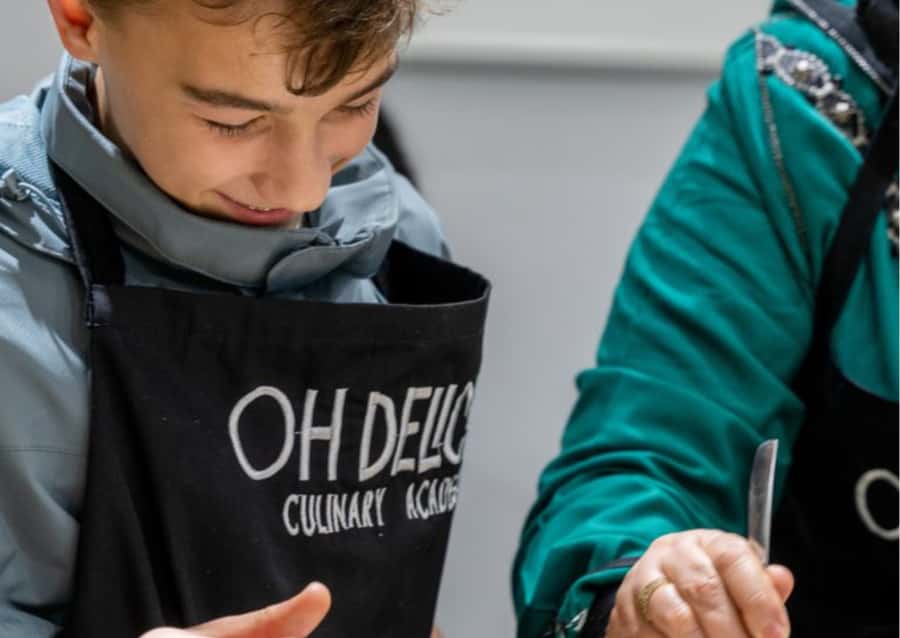
The class is built around preparing a complete traditional Moroccan meal. You’re not just learning one dish; you’re learning how Moroccan cooking moves through the meal—starter, main, sides, and something sweet.
Start with a Moroccan starter (often eggplant)
You’ll begin with an appetizer-style dish. Based on past class menus, eggplant appears as a common starter option, taught in a way that makes it feel both homey and special. This is also when chefs tend to set the tone: they explain ingredient choices, show technique, and keep instructions clear even if you’re a beginner.
This opening part is useful for you because it teaches cooking rhythm. You learn how to taste, adjust, and not rush. Moroccan cooking is rarely about one dramatic moment; it’s about layers.
Move into the tagine and main course
Next comes the main dish, and this is where Moroccan flavor identity really shows. Expect tagine work—often with ingredients that create deep, slow-cooked taste even in a shorter class window.
Two ingredient examples stand out from the teaching style and menus you may encounter:
- Pickled lemon for a bright, almost floral acidity in tagines (like lemon chicken tagine)
- Fermented butter used to add a tangy, mellow richness that changes the whole profile
If you’re thinking, That sounds fancy, you’re right. But it’s also the point of doing a class in Morocco instead of only cooking videos at home. You learn how these ingredients behave, how they smell, and how much they shift the final flavor.
Add couscous and msemen skills (the stuff you’ll repeat at home)
Moroccan cooking isn’t only about saucy mains. The class also targets staples such as couscous and msemen. These take practice because they’re technique-driven: getting the texture right matters.
If you’ve never made couscous or msemen, this is one of the best parts of the experience. Even if your first attempt at home isn’t perfect, you’ll understand the logic behind the method. That makes it easier to improve later without starting from zero.
Finish with a sweet Moroccan dessert
The class wraps with a Moroccan dessert. Reviews mention pastry-style dessert outcomes, but the consistent takeaway is that you’re learning how the meal closes, not just how it begins. Sweet Moroccan desserts often rely on fragrant ingredients and careful shaping or timing, so this final segment helps you see the full range of Moroccan cooking.
You may get a say in what you cook
There’s a chance you’ll be asked what you’d like to cook. In small groups, the menu can sometimes adjust depending on who’s in class. The good news: the experience is still structured around the key dishes—tagine, pastilla, breads, and dessert—so you’re unlikely to end up with a random, off-theme session.
Pastilla, breads, and the real work behind Moroccan comfort food
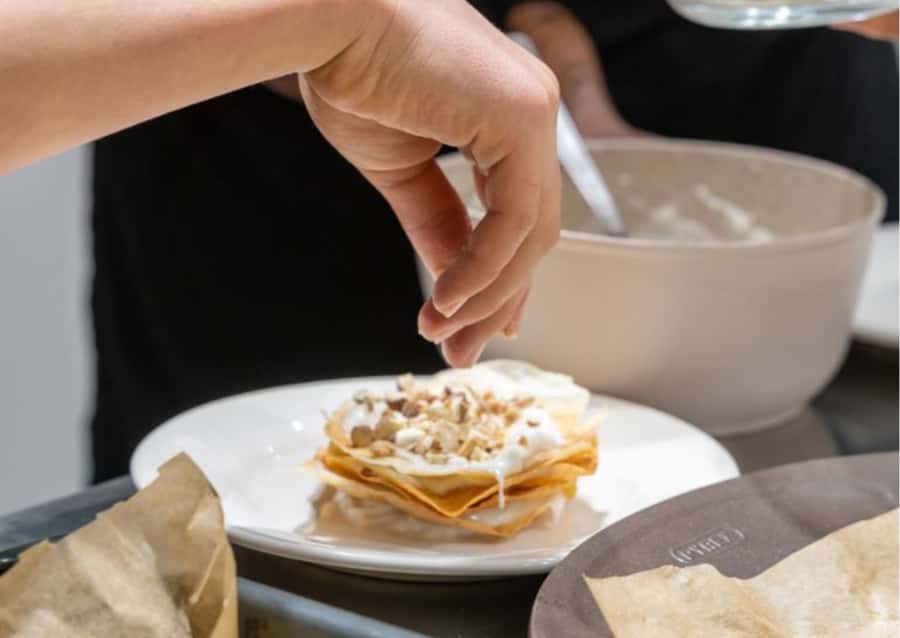
A big draw here is that you learn more than one “headline” dish. Pastilla and traditional breads are included in what the class is designed to cover, and that shifts this from a basic cooking tour to something more useful.
Pastilla has a reputation for being showy, but the cooking lesson is really about fundamentals: layering flavors, building texture, and learning what each component should feel like before you assemble. Even without getting every minute detail in a short class, you can usually walk away with a working understanding of how the dish is put together.
Traditional breads and breads-adjacent techniques also teach you something important: Moroccan kitchens often treat bread as both a tool and a dish. It changes how you eat the rest of the meal. When you make bread yourself, you stop thinking of it as a side and start treating it like part of the main event.
Spices and ingredients: the class teaches flavor, not just recipes
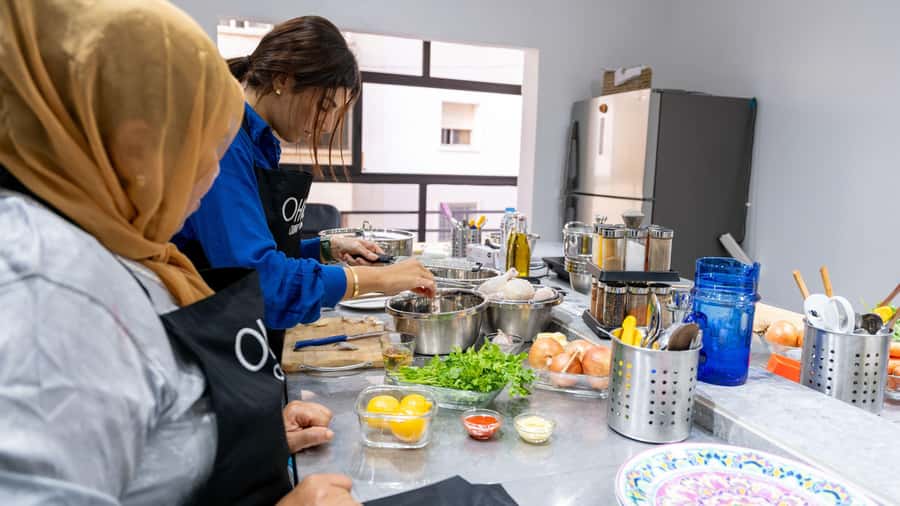
Moroccan spice blends can look simple on paper, but in practice they’re about balance. One reason this class gets consistently strong feedback is the emphasis on the delicate art of Moroccan spices and how they work together.
Here’s what that means for you in plain terms:
- You’re taught how spices behave when cooked with fat and aromatics
- You learn how the same spices taste different depending on timing and heat
- You get a feel for when to add something, not just what to add
The ingredient highlights mentioned by previous participants are especially valuable:
- Fermented butter: adds tangy depth that feels different from regular butter
- Pickled lemon: gives acidity that’s rounded and mellow, not harsh
- Techniques and ingredient choices for tagine and chicken-based mains
This is the part that helps you most after the class. Recipes are helpful, but real cooking skill comes from understanding why the flavor lands the way it does.
The meal after class: mint tea, stories, and a full table payoff
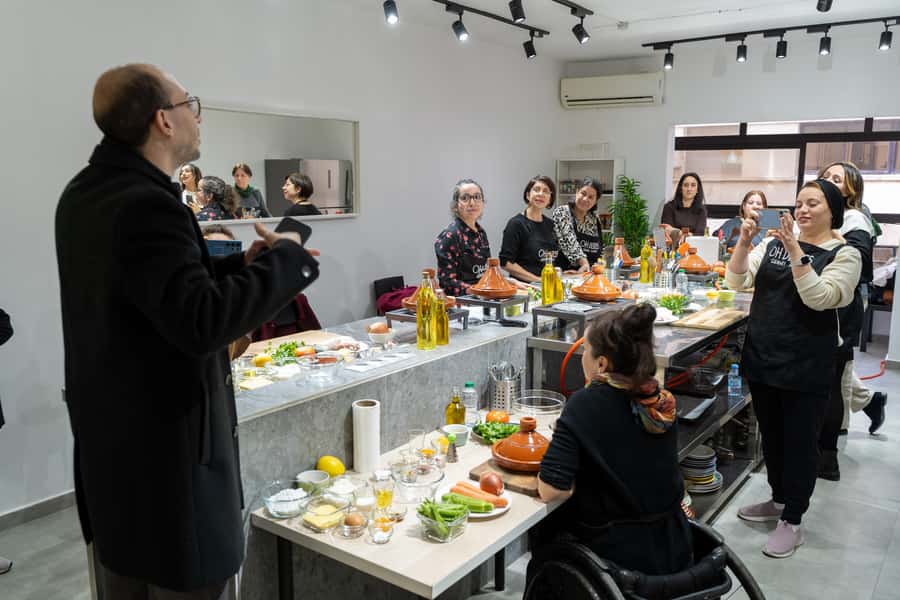
The best part of many cooking classes is eating. This one leans into it. After cooking, you sit down to enjoy a full traditional meal, with complimentary Moroccan mint tea.
That meal is more than “you eat what you made.” It’s where you connect technique to taste. When you’re actively shaping, mixing, or building a component, you often miss how everything comes together. Eating right afterward fixes that. You taste your own spice balance. You notice the texture contrast between components. You start to recognize what makes a tagine different from any other stew.
And the class includes stories shared with participants. That might sound like filler, but it’s usually where the cultural context clicks. You hear why certain dishes show up for certain moments and how cooks think about ingredient availability and flavor tradition.
You leave with recipes too, which helps you replay the experience at home. Not perfectly, but with a better starting point than a generic souvenir recipe.
Language and small-group dynamics: you’ll get help even if your French is rusty
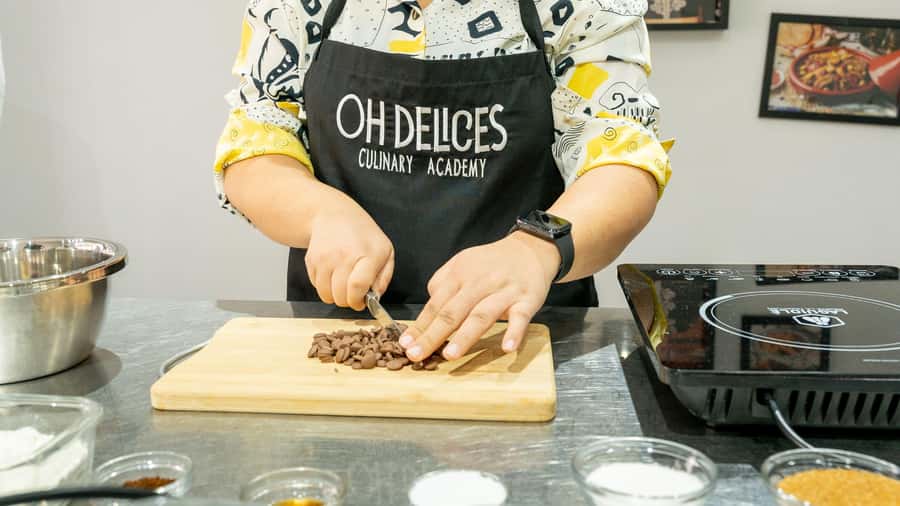
Instruction is offered in Arabic, English, and French. A translator is used, and classes are available in English and French with translation support.
What this means for you practically:
- If you’re comfortable in English or French, you’ll be able to follow key steps and ask questions.
- If you’re starting from zero cooking knowledge, translation support keeps you from feeling lost mid-stir.
The class is limited to 10 participants, so it doesn’t feel like you’re in a crowded kitchen where you’re waiting your turn. Past classes referenced chef-led instruction and translators such as Malak and Oumaima, and hosts like Fatima helped keep the flow smooth. That combination tends to make the session feel organized—less chaos, more learning.
Price and value: what $65 covers and why it makes sense
The price is $65 per person for a 3-hour experience.
Here’s the value logic that matters:
- All ingredients and cooking equipment are included.
- You get professional guidance from experienced chefs.
- You get a full meal after the class, plus mint tea.
- You receive recipes to take home.
So you’re not paying only for instruction. You’re paying for the ingredients, the workspace, and the meal. That shifts the price from “class cost” to “experience cost,” and it’s usually what makes cooking classes worth it while traveling.
Also, the class is designed for different skill levels. That’s important because it reduces risk. Beginners don’t get buried, and experienced cooks still get technique refinement and new ingredient ideas.
Practical tips: shoes, clothes, and how to deal with spice leftovers
Let’s talk about the real-world stuff you can control.
Wear comfortable shoes
Comfortable shoes are required. Cooking involves standing, moving around, and leaning in. Shoes also keep you safe around kitchen surfaces.
Choose clothing you can wash easily
No bare feet. No smoking. No vaping. But the biggest practical note is spice odor. If this is your first night in Rabat, plan to wash or at least air out clothes after. Even a simple strategy helps: bring a spare top or pack a small laundry bag.
Tell the chef about dietary restrictions
Dietary restrictions and preferences should be shared in advance. If you need ingredient swaps, it’s best to handle that early so you’re not trying to solve it on the fly.
Transportation is not included
You’ll need to get to the studio on your own. The meeting point near the Goethe Center is useful for planning, especially if you’re already exploring central Rabat.
Who should book this cooking class in Rabat?
This class is a strong fit if you want more than a sightseeing meal.
Book it if you:
- Want to learn Moroccan cooking basics you can repeat at home
- Like hands-on classes with guidance, not just watching
- Care about authentic ingredients like preserved lemon and fermented butter
- Want a small-group setting where questions are actually possible
It also works well for couples, families, and groups because the format is flexible and runs on a shared cooking flow.
If you dislike kitchen mess or hate long smells on clothes, you might still enjoy it—just prepare. The smell is the trade-off for cooking for real.
FAQ
How long is the Rabat Moroccan cooking class?
It lasts 3 hours.
What does the price include?
All ingredients and cooking equipment, professional guidance from an experienced chef, a full meal to enjoy after the class (including complimentary tea), and recipes to take home.
Do I need to bring ingredients or kitchen tools?
No. Ingredients and cooking equipment are provided.
What languages are available during the class?
The instructor works in Arabic, English, and French, and translation is available (classes are available in English and French with a translator).
Is transportation to the studio included?
No, transportation to and from the culinary studio is not included.
Is the class wheelchair accessible?
Yes, it is wheelchair accessible.
How big is the group?
It’s a small group with a limit of 10 participants.
What should I bring and what rules should I follow?
Bring comfortable shoes and wear clothing suitable for cooking. Bare feet are not allowed, and smoking or vaping are not allowed (including indoors). Alcohol and drugs are also not allowed.
Should you book this Rabat cooking class?
If you like practical learning—where you make the food, understand the spices, and eat your own results—this is a very solid choice. The value isn’t just the $65 price tag; it’s that you get ingredients, equipment, chef coaching, a full meal, and recipes, all in one 3-hour block.
If spice smells on clothing would bother you, plan for a quick wash or change of clothes. If you can handle that, you’ll leave with real Moroccan dishes in your head and on your plate, plus skills that translate back home.