REVIEW · CHENGDU
Half-Day Sichuan Cooking Class Experience in Chengdu
Book on Viator →Operated by Samtour of Chengdu OTC Travel · Bookable on Viator
Sichuan food gets real in a working kitchen. This half-day cooking class in Chengdu is built around small-group attention and a hands-on format where you learn the core techniques behind the heat, sour, and numbing flavors Sichuan is famous for. I like that you don’t just watch—you cook, eat what you make, and leave with recipe cards you can follow at home.
One thing to consider: English support can vary depending on the day’s chef and setup, so if you want lots of background talk about ingredients, plan on relying more on the step-by-step cooking than long lectures.
In This Review
- Key Things to Know Before You Go
- Why This Chengdu Class Hits the Right Tempo
- Meeting Up in Chengdu: Pickup, Small Group, and Timing
- Inside the Kitchen: What You Learn Beyond the Recipes
- The Dishes You’ll Cook: Four Sichuan Classics, One Flavor System
- Kung Pao Chicken: Heat with Structure
- Sweet and Sour Pork: Balance You Can Taste
- Fish-Flavored Eggplant: Sauce Logic, Not Seafood
- Soft Steamed Dumplings: Folding Skill and Timing
- Can You Request Your Own Dish? Your Best Move for Personal Taste
- The Meal Part: Dinner You Earn
- Where You’ll Cook: School Kitchen, Hostel Kitchen, or Chef’s Home
- Price and Value: Is $83.99 Worth It?
- Who This Is Best For in Chengdu
- Practical Tips Before You Walk In
- Should You Book This Sichuan Cooking Class?
- FAQ
- FAQ
- What time does the class start?
- How long is the cooking class?
- Is hotel pickup and drop-off included?
- What’s the maximum group size?
- What dishes will we cook?
- Can I request a dish that’s not on the menu?
- Do we get recipes to take home?
- Is dinner included?
- What is the cancellation policy?
- Final Thought: Your Best Fit
Key Things to Know Before You Go
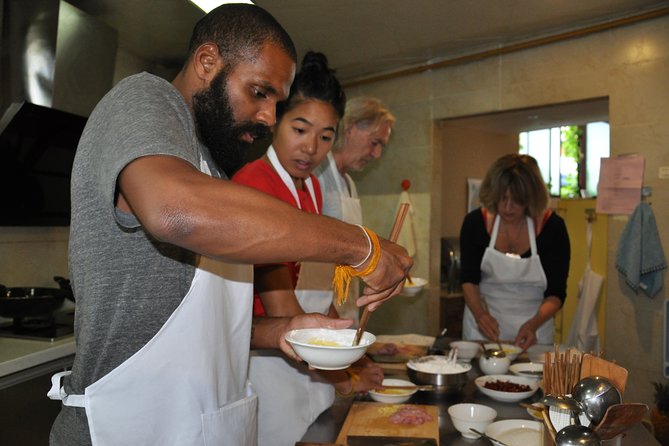
- Max five people means you’re less likely to get lost in the shuffle and more likely to get help while you chop, stir, and fold.
- Hotel pickup and drop-off are included, which makes a 4-hour class much easier to fit into a travel day.
- You cook four classic dishes: Kung Pao chicken, sweet and sour pork, fish-flavored eggplant, and soft steamed dumplings.
- You can request a dish swap in advance (not guaranteed), and the chef will try to accommodate.
- This ends with dinner in the relaxed setting of the cooking school or kitchen where you learn.
Why This Chengdu Class Hits the Right Tempo
A 4-hour cooking class sounds like a nice souvenir idea. In practice, it’s also a smart way to taste Sichuan culture without losing your whole day to logistics. You start at 4:00 pm and move from technique to cooking to eating while everything still feels like one continuous plan.
What makes this experience especially useful is the focus on practical Sichuan basics: spices, flavor layering, and how you time steps. You don’t just end up with a meal. You end up with a method—how to think about the “why” behind the sour-sweet balance, the chili heat, and that signature numbing sensation.
You can also read our reviews of more tours and experiences in Chengdu.
Meeting Up in Chengdu: Pickup, Small Group, and Timing
You’ll get hotel pickup and drop-off, which matters more than it sounds. Chengdu traffic and short timelines can turn a “simple activity” into a stress test. Here, the tour is designed so you leave from your hotel, get to the kitchen, then return after dinner.
The class runs about 4 hours, and the duration can shift based on how many participants show up. That flexible timing is part of the benefit of keeping the group small—your instructor can slow down if needed, or move faster if the kitchen flow is smooth.
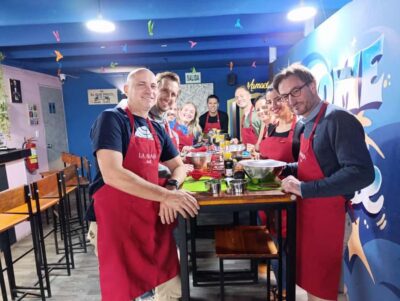
Also note the maximum of 5 travelers. Even when you’re a solo traveler, that cap helps protect the hands-on experience. It’s the difference between “standing near the action” and actually doing the work—like dumpling folding—yourself.
Inside the Kitchen: What You Learn Beyond the Recipes
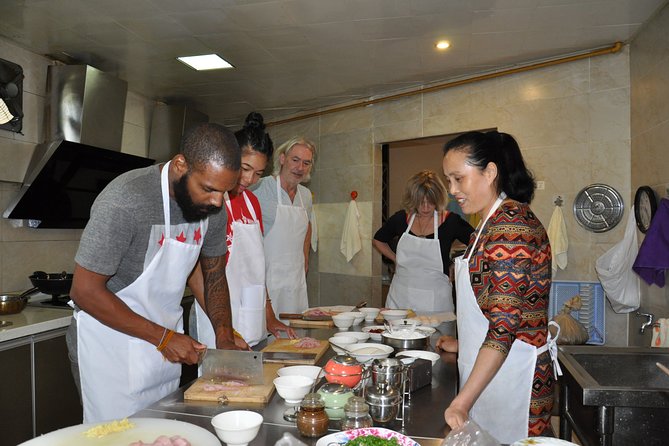
The heart of this class is learning Sichuan cooking techniques from a local chef. The format is straightforward: you’ll hear explanations about the flavor combinations and spices, then you’ll begin cooking in a hands-on way. This is where the class earns its value—Sichuan cooking is not just about being spicy. It’s about balancing heat, acidity, sweetness, and aromatic spice depth.
You should expect a “chef-led” rhythm rather than a long classroom lecture. Some days run with an English-speaking chef as stated, but the real-world factor is that kitchens are busy and communication styles can differ. The best way to approach it is to treat the steps like a recipe with live coaching: watch, copy, ask short questions, then adjust as you go.
In a few setups, there may also be extra help in the kitchen—an assistant or helper to keep things moving and support dishes. That can be a big deal when you’re trying to stir quickly or fold dumplings without freezing up.
The Dishes You’ll Cook: Four Sichuan Classics, One Flavor System
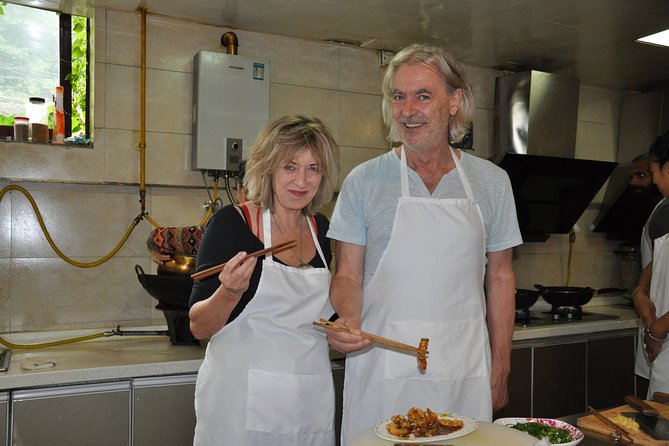
The menu-style expectation is consistent: you’ll make four traditional Sichuan dishes. Based on the class description, plan on:
- Kung Pao chicken
- Sweet and sour pork
- Fish-flavored eggplant
- Soft steamed dumplings
Here’s why those choices work so well for learning. Kung Pao and sweet and sour pork teach you about Sichuan-style seasoning and how to manage contrasting tastes—salty and sweet, spicy and aromatic. Fish-flavored eggplant is a great “aha” dish because the flavor comes from sauce structure and spice layering, not from actual fish. Then dumplings slow you down just enough to learn control: filling, shaping, and steaming technique.
Kung Pao Chicken: Heat with Structure
Kung Pao chicken is often a crowd favorite, but in a class setting it’s a skill builder. You learn how to handle the sauce so it clings instead of pooling, and how the chili heat fits into a broader flavor profile. When it’s done right, it’s lively and punchy without being one-note.
Sweet and Sour Pork: Balance You Can Taste
Sweet and sour dishes are easy to mess up at home because it’s not only vinegar and sugar. You need the right balance so it tastes bright rather than harsh. In a hands-on class, you can correct as you cook—adjusting how you thicken or how the sauce is combined.
Fish-Flavored Eggplant: Sauce Logic, Not Seafood
This dish is a perfect lesson in Sichuan cooking logic. The name can mislead people into thinking it’s fish-based, but the real learning is how chili, aromatics, and savory elements create that “fish-like” savory punch. You’ll come away understanding how a sauce can carry a whole flavor impression.
Soft Steamed Dumplings: Folding Skill and Timing
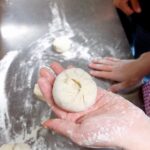
Dumplings are where the class often feels most memorable. If you want an activity that feels hands-on, this is it: you get to fold and shape. Steaming also forces good timing. When dumplings are done well, the texture is soft rather than chewy, and that difference matters.
Can You Request Your Own Dish? Your Best Move for Personal Taste
You can request to cook a Sichuan dish of your own choice by putting it in the Special Requirements box during booking. The chef will try to accommodate, but it can’t be guaranteed.
In practice, this is a great option if you already have a favorite Sichuan dish and want more than the standard four. It’s also useful if you’ve eaten one of the listed dishes before and want something new without giving up the structured learning format.
A smart approach: choose one dish you truly want and keep your expectations flexible. If the swap isn’t possible, you’ll still get the planned Sichuan set.
The Meal Part: Dinner You Earn
After cooking, you sit down to eat the dishes you prepared. This is not just a nice perk—it’s part of the learning loop. When you taste your own Kung Pao or sweet and sour pork right away, you notice how the sauce behaves, how the heat lingers, and what “balance” actually tastes like.
You’ll also chat with fellow food lovers in the relaxed environment of the cooking school or kitchen. Since groups are small, those conversations tend to stay friendly rather than awkward. It’s a nice way to trade tips like spice preferences or what you’ve been eating around Chengdu.
And yes, you get to take recipe cards home. That’s the real ticket value. A class without recipes is a fun night that fades quickly. With take-home cards, you can recreate the dishes and show off to friends.
Where You’ll Cook: School Kitchen, Hostel Kitchen, or Chef’s Home
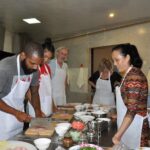
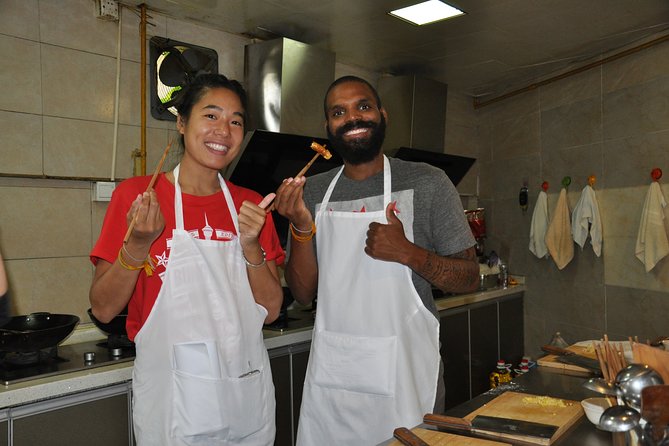
You might cook in an established cooking school kitchen, but the reality is that small classes can run in different setups. Some days may use a working kitchen inside a hostel or guesthouse. Other days may be in a chef’s home.
That doesn’t automatically mean anything is wrong. Smaller spaces can actually support better instruction because there’s less crowding and fewer people to manage. The trade-off is that the kitchen can feel compact, and the cooking flow depends on the day’s setup.
If you’re the type who likes to know the environment in advance, keep your expectations practical. This is a functional kitchen experience built around cooking and eating, not a staged “show kitchen” experience.
Price and Value: Is $83.99 Worth It?
At $83.99 per person, this isn’t a budget cooking class. But value depends on what you’re getting for that cost: hotel pickup/drop-off, a local English-speaking chef, dinner, and a small-group format where you actively cook.
You’re also paying for time efficiency. Four hours with pickup means you don’t have to plan transportation to a kitchen, coordinate a market, or figure out how to learn Sichuan technique on your own. If you’ve tried DIY cooking in an unfamiliar spice system, you know how fast costs add up when you buy ingredients you won’t use again.
The main caution is that it can feel “pricey” if what you want is lots of deep ingredient theory. The class is designed to get you cooking and eating, with instructions that can be more step-by-step than lecture-style.
Who This Is Best For in Chengdu
This class is a great match if you:
- want a hands-on Sichuan experience that fits in a single afternoon
- like the idea of learning while cooking, not just watching
- enjoy food enough to appreciate technique (how sauce thickens, how dumplings steam)
It’s also a good pick if you’re traveling with someone who learns by doing—because dumplings and stir-fry steps naturally involve participation.
If you’re the type who wants a ton of ingredient background and long explanations, you may find the pace more focused on practical steps than full-on theory. For that style of learner, go in ready to ask short questions and watch closely.
Practical Tips Before You Walk In
Keep it simple so you can enjoy the cooking.
- Wear clothes you don’t mind getting a little warm or splashed while cooking.
- Bring a phone or small camera if you want to reference recipe steps later.
- Ask one or two focused questions while the chef is working. Kitchens move fast.
Also, since this is built around Sichuan spices and techniques, it helps to keep your expectations aligned with cooking reality. You might not taste every ingredient individually, but you will understand the recipe logic by the time you eat.
Should You Book This Sichuan Cooking Class?
Book it if you want a structured, small-group Sichuan experience with pickup, dinner, and take-home recipes, and you’re happy to learn by doing. The dish lineup is classic and teachable, and the format makes it easy to fit into a travel schedule.
Skip it or adjust your expectations if your top priority is deep ingredient theory or long English explanations. This class is best when you treat it like a guided cooking workout: watch, cook, taste, then bring the method home.
FAQ
FAQ
What time does the class start?
The class starts at 4:00 pm.
How long is the cooking class?
It runs for about 4 hours. The exact duration depends on the number of participants.
Is hotel pickup and drop-off included?
Yes. Hotel pickup and drop-off are included.
What’s the maximum group size?
The experience has a maximum of 5 travelers.
What dishes will we cook?
The class focuses on Kung Pao chicken, sweet and sour pork, fish-flavored eggplant, and soft steamed dumplings.
Can I request a dish that’s not on the menu?
Yes. You can request a dish in the Special Requirements box when booking. The chef will try to accommodate, but it cannot be guaranteed.
Do we get recipes to take home?
Yes. You’ll leave with recipe cards to help you recreate the dishes at home.
Is dinner included?
Yes. Dinner is included.
What is the cancellation policy?
You can cancel for a full refund if you cancel at least 24 hours before the experience’s start time.
Final Thought: Your Best Fit
If you’re craving Sichuan flavors and you want to leave with real, usable recipes (not just photos), this is a strong Chengdu choice. For the price, you’re buying time saved, pickup handled, dinner included, and a small-group chance to actually cook.