REVIEW · CHENGDU
Half day Chengdu Dumpling Class: Make from Scratch
Book on Viator →Operated by Chilli Cool China · Bookable on Viator
A dumpling class can be street-level magic. In this Chengdu half-day workshop, you start in a real spice market, learn what goes into Sichuan dumpling flavors, then cook in a traditional-style courtyard kitchen.
I really like the hands-on format: you’re not just watching, you’re making dumplings from scratch, step by step. I also like the way the guides work with you, including reported tailoring for preferences (for example, vegetarian options with Jerry and Lance).
One thing to plan around: there’s no pickup/drop-off if your hotel isn’t in Chengdu’s second ring road, so you’ll likely use public transport or a short taxi ride to the meeting area.
In This Review
- Key highlights at a glance
- From spice-market shopping to perfect folds
- The half-day flow: tea, market cues, and a courtyard kitchen
- The Sichuan spice market stop: what you’re learning to taste
- Cooking with Chef support: fillings and technique you can repeat
- What you eat: snacks, tea, and the beer-or-soda finish
- Price and value: $70 for a half-day you can feel
- Logistics in Chengdu: where to meet and how to get there
- Small details that make the difference
- Who should book this dumpling class?
- Should you book this dumpling workshop?
- FAQ
- How long is the dumpling class?
- Where does the experience start and end?
- How much does it cost?
- What’s included in the class?
- Do you make lunch or dinner?
- Is there pickup and drop-off from hotels?
- How many people are in the group?
- What happens if weather is bad?
- Is there free cancellation?
- Are service animals allowed?
Key highlights at a glance
- Real spice market stop to learn what fuels Sichuan flavor
- Traditional-style courtyard kitchen for the hands-on cooking
- Tea as a local welcome with jasmine green tea
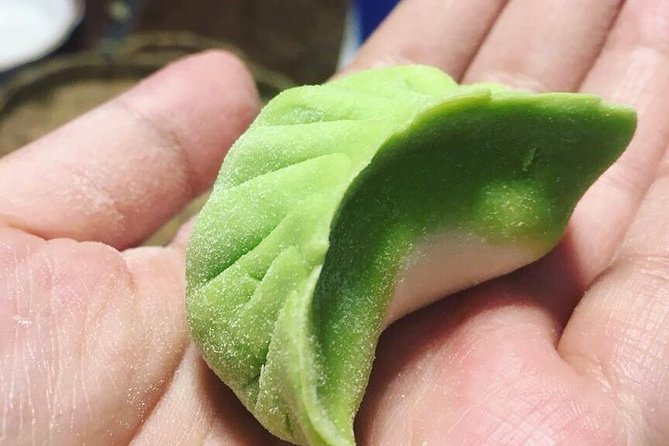
- You eat what you make, with fillings guided by the chef
- Small group size with a maximum of 20 participants
From spice-market shopping to perfect folds
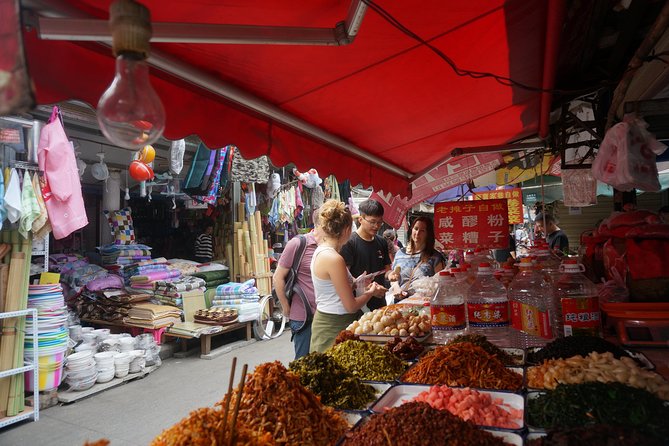
This is the kind of food class that feels practical, not performative. You’ll meet near 梁家巷 (Jinniu District), Chengdu 610051, then head out to a local spice market first. The point isn’t just shopping—it’s training your palate to recognize Sichuan ingredients before you cook with them.
What I like about this setup is that it turns dumplings into a themed learning experience. You’ll see the ingredients up close, then you’ll use them later in your own dumplings. That sequencing matters. By the time you’re folding, you understand why certain flavors are there, and it’s easier to adjust if you want less chili heat or different textures.
You can also read our reviews of more tours and experiences in Chengdu.
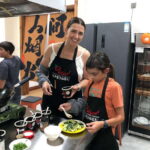
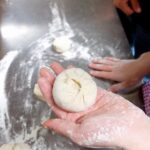
The half-day flow: tea, market cues, and a courtyard kitchen
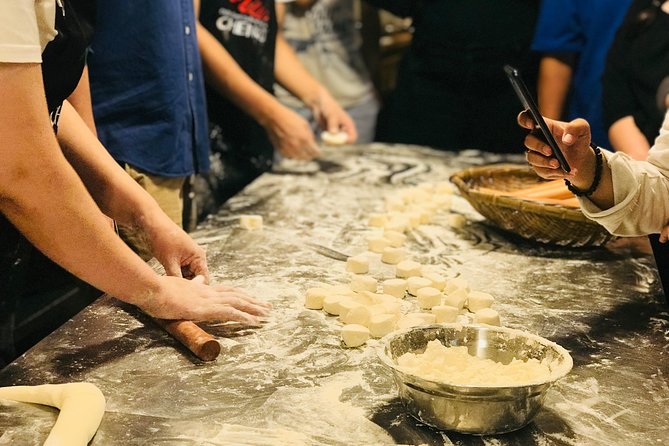
The full experience runs about 4–5 hours, and the rhythm is clear. You start with a spice-market exploration, then move to the cooking space where you’ll work with a professional chef.
A few parts of the flow stand out:
First, the spice market segment is structured around challenges and learning. You’re not wandering randomly. You’re completing tasks that help you understand different species of Sichuan spices and ingredients, which will show up in the dumpling fillings you make.
Second, you’ll get treated with Sichuan local tea—reported as jasmine green tea—because hospitality is part of the format. It’s a small detail, but it sets the tone. You’re not rushed into cooking right away; you get a moment to settle in.
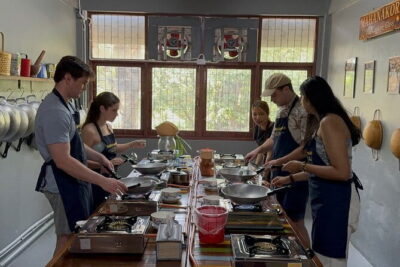
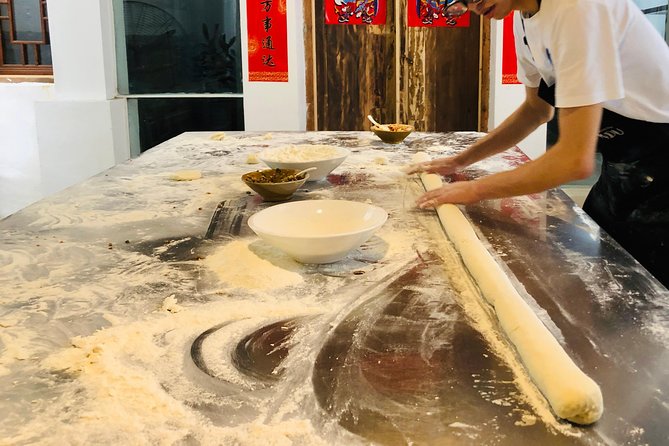
Finally, the class takes place in a cozy, traditional-style courtyard kitchen. That matters because dumpling making rewards focus. If you’re in a cramped setup, it’s harder to follow technique. Here, the goal is that you can actually do the steps cleanly: dough handling, filling placement, and folding.
The Sichuan spice market stop: what you’re learning to taste
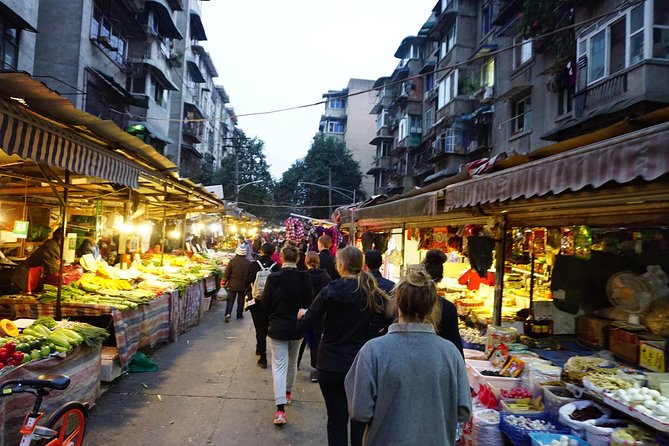
Sichuan flavor isn’t just chili powder. It’s a mix of aroma, heat, and a distinctive numbing sensation that people often associate with Sichuan peppercorns (though the exact spices you’ll focus on can vary by what’s available and what the class emphasizes).
In this class, the market stop is where you start building that understanding. You’ll explore with your guide and complete fun challenges that connect the market ingredients to what you’ll cook later. In reported experiences, guides like Jerry and Lance explain things in a way that makes you feel you’re getting the how and why, not just the what.
This is also the part that makes the class feel more “Chengdu” than generic dumpling cooking. Chengdu has its own ingredient personality, and the market segment helps you catch that.
Cooking with Chef support: fillings and technique you can repeat
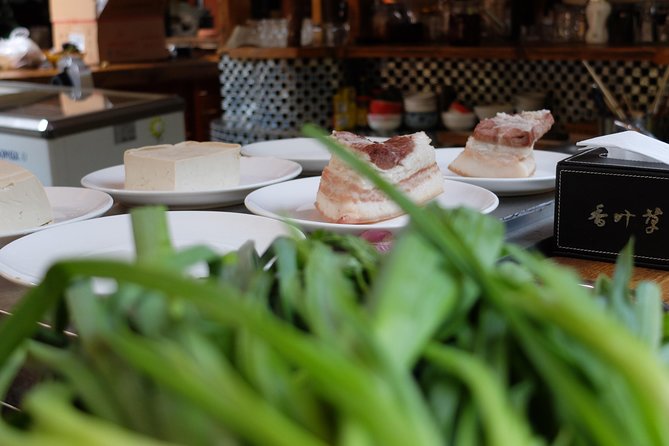
Once you’re in the cooking kitchen, a professional chef leads the process. Your goal is to make dumplings with fillings prepared from what you learned earlier.
Even if you’ve never folded a dumpling before, the pace is built around doing. You’ll work through key technique points: preparing the filling, portioning it properly, and learning the folding style so the dumpling holds together while cooking.
Two things I’d pay attention to while you cook:
- Consistency of filling. If the filling is too wet, dumplings can split. If it’s too dry, it can feel crumbly. The chef’s guidance helps you land in the middle.
- Fold pressure and sealing. This is where small habits matter. Press too lightly and the dumpling may open; press too hard and it can squeeze out filling.
The class is also described as being carried out in a cozy kitchen setting, so you can actually see and copy the method. In one reported case, an instructor named Chef Lee supported the experience and helped make it memorable, which is a nice sign that you’re getting real culinary coaching, not just a casual demo.
What you eat: snacks, tea, and the beer-or-soda finish
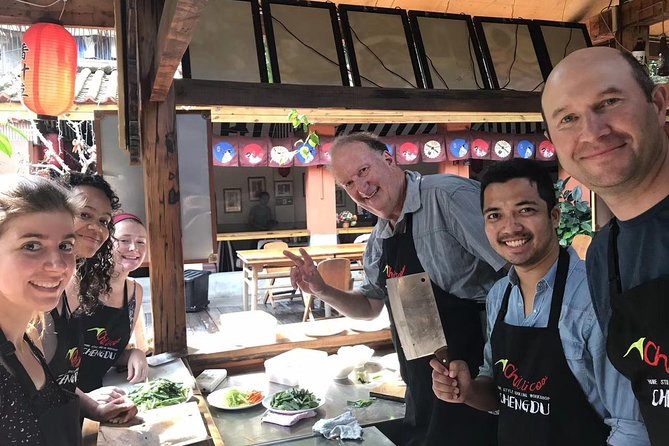
One of the best values in this workshop is that you don’t leave hungry or only vaguely satisfied. You eat dumplings made by your own hands, plus additional food and drinks included in the price.
Depending on whether you join the morning or afternoon class, you’ll make:
- Lunch (if you join the morning)
- Dinner (if you join the afternoon)
In addition, you’ll have snacks such as sunflower seeds and spring rolls, and you’ll get coffee and/or tea (reported as green tea with jasmine). For drinks, you’ll receive a free beer or Coke or Sprite.
That drink choice sounds small, but it actually helps the experience land well. Dumpling classes can be long, and a cold drink or beer makes the tasting moment feel like a meal, not homework.
Price and value: $70 for a half-day you can feel
At $70 per person for about 4 hours, this class sits in the “worth it if you want the real practice” category. You’re paying for more than dumplings—you’re paying for:
- structured market learning
- a chef-led kitchen session
- ingredients and snacks
- and a full meal outcome (lunch or dinner, depending on the session)
If you’ve done cooking classes elsewhere that were mostly watching, this is the kind where your hands are busy. That’s what makes it feel like value. You’re not just collecting photos; you’re taking away technique you can use again.
Also, the group size cap of 20 travelers is a practical advantage. It helps keep attention on technique and questions while you work.
Logistics in Chengdu: where to meet and how to get there
The meeting point is in Jinniu District at 梁家巷 (610051), and the activity ends back at that meeting point.
The main logistics consideration is the second ring road rule. If your hotel isn’t in that zone, there’s no pickup or drop-off. So plan on arriving using public transportation or a short taxi ride.
Good news: the tour is described as near public transportation, so you shouldn’t need a car. Just make sure you know your route to the meeting street and give yourself a few extra minutes to find 梁家巷.
Small details that make the difference
Here are a few practical points that can save you stress:
- Wear sleeves you can move in. You’ll handle dough and filling, and flour gets everywhere.
- Bring a calm attitude about folding. Your first dumpling might look awkward. That’s normal. Focus on sealing and even thickness.
- If heat is an issue, ask early. Sichuan flavor can be spicy and numbing. If you have a preference, mention it at the start.
- Expect a weather dependency. The experience notes that good weather is required, and if it’s canceled for weather, you’ll be offered another date or a full refund.
Also, confirmations happen at booking time, and the tour uses mobile tickets, so keep your phone charged and ready.
Who should book this dumpling class?
This class is a great fit if you want:
- a hands-on experience (not just eating)
- a taste of Sichuan ingredients explained through real market shopping
- a small-group setting that makes it easier to get guidance
- a meal outcome that feels like part of the activity
It’s also ideal for food travelers who like learning patterns: how ingredients connect to flavor and how technique changes the final bite.
If you’re mainly looking for a quick, low-effort snack stop, you might find a cooking class longer than you want. But if you like doing, this is the kind of afternoon that turns into a story you’ll remember.
Should you book this dumpling workshop?
I think you should book if you’re in Chengdu and you want a class that’s more about real technique and real Sichuan ingredients than just a tourist meal. The combination of a local spice market plus chef-led dumpling making plus sitting down to eat what you made is a strong mix for your time.
I’d skip or reconsider if you depend on hotel pickup and your lodging is outside the second ring road. In that case, the experience is still possible, but you’ll want to be comfortable navigating on your own.
FAQ
How long is the dumpling class?
It runs about 4 hours (approximately 4–5 hours).
Where does the experience start and end?
It starts at 梁家巷 (Jinniu District, Chengdu 610051) and ends back at the same meeting point.
How much does it cost?
The price is $70.00 per person.
What’s included in the class?
You’ll get snacks (like sunflower seeds and spring rolls), tea (including jasmine green tea), and a free beer or Coke/Sprite. You also eat dumplings you make, and you’ll make lunch or dinner depending on the session you choose.
Do you make lunch or dinner?
Yes. If you join the morning class, you will make lunch. If you join the afternoon class, you will make dinner.
Is there pickup and drop-off from hotels?
No pickup or drop-off is offered if your hotel is not in the second ring road.
How many people are in the group?
The maximum group size is 20 travelers.
What happens if weather is bad?
The experience requires good weather. If it’s canceled due to poor weather, you’ll be offered a different date or a full refund.
Is there free cancellation?
Yes. You can cancel up to 24 hours in advance for a full refund.
Are service animals allowed?
Yes, service animals are allowed.