REVIEW · ROME
Marilee’s Private Cooking Class in Rome
Book on Viator →Operated by LivTours · Bookable on Viator
A great Roman meal starts before you taste it. This private class with Marilee turns your morning into a hands-on day: pasta dough, cutting and rolling, then a full meal in a real home just north of the city center. It is a smart break from ticket lines, because the focus is technique, not sightseeing boxes.
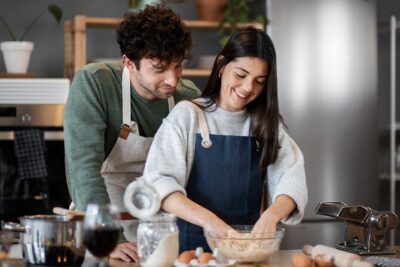
I especially like the private setup for families and groups up to 8, because you get hands-on time and Marilee can slow down or speed up based on who is in the kitchen. I also love the mix of skills you’ll leave with: fresh pasta (ravioli and pappardelle), plus baked biscotti you can actually make again at home.
One thing to consider: you’re trading some central sightseeing time for a 5-hour cooking block that starts at 10:00 am, and the home is north of the center—so plan on the chauffeured ride and be ready for a real cooking rhythm, not a quick demo.
In This Review
- Key moments worth planning for
- Why Marilee’s Roman cooking feels different from a restaurant
- Piazza della Repubblica pickup and the 10:00 am start
- Antipasto, pizzelle, and the real basics: rolling dough
- Pasta from scratch: ravioli, pappardelle, and aiming for al dente
- A Roman secondo moment: building the main course
- Biscotti and coffee on the terrace: the sweet finish
- Price, group size, and whether $457.41 is worth it
- Who this class suits best (and who should rethink)
- Should you book Marilee’s private cooking class?
- FAQ
- Where is the meeting point?
- What time does the class start?
- How long is the cooking class?
- Is pickup offered?
- Is this a private class or shared group?
- What dishes will you learn to make?
- Can the class accommodate dietary restrictions?
- Is there free cancellation?
Key moments worth planning for
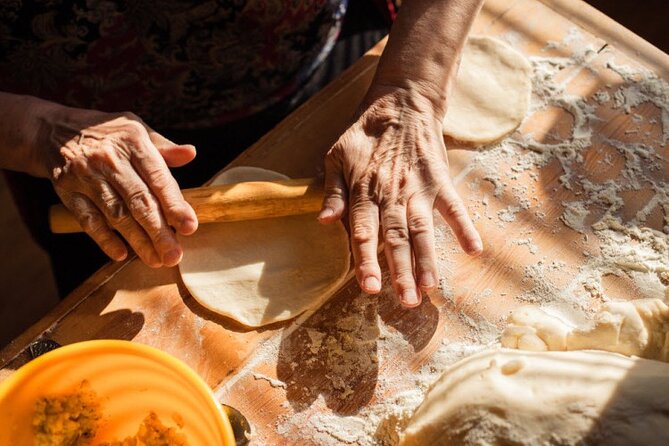
- Marilee’s home kitchen: you learn inside a lived-in Roman setting, not a studio with props
- Fresh pasta practice: you roll, cut, and learn how to aim for al dente
- A full 4-course meal: you cook most of it, then eat it together at the end
- Baked biscotti plus coffee: a sweet finish on the terrace
- Up to 8 people, truly private: only your group cooks, so questions are easier to answer
- Dietary options: vegetarian and gluten-free can be handled if you tell them when booking
Why Marilee’s Roman cooking feels different from a restaurant
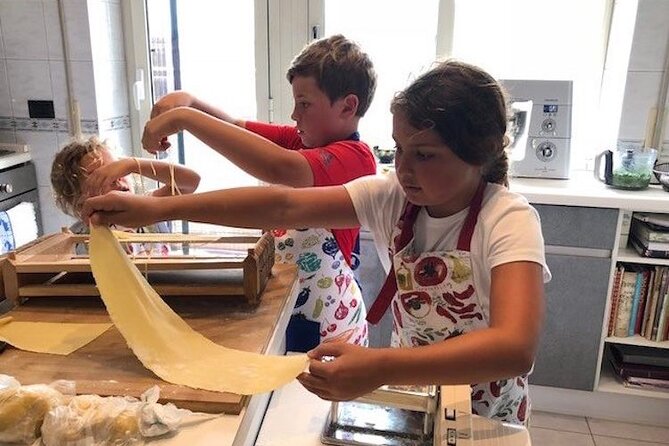
A restaurant in Rome can be delicious. But a cooking class teaches you the logic behind the taste. In Marilee’s kitchen, the day is structured around building meals step by step, starting with dough and moving toward pasta shapes and a Roman-style second course. You end up eating what you make, which makes the whole thing feel personal—and very practical.
You’re also getting something extra that matters in Italy: the host’s point of view. The experience is built around Marilee as a local home cook, sharing how Italian families handle food and kitchen timing. In my kind of travel, that’s what makes a day feel real.
And it’s not just for adults. The class is described as customizable for all ages and skill levels, which is a big deal if you’re traveling with kids who need structure and something physical to do. The result is a lively kitchen day where everyone has a role, from rolling dough to assembling plates.
You can also read our reviews of more tours and experiences in Rome.
Piazza della Repubblica pickup and the 10:00 am start
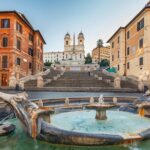
The day begins at Piazza della Repubblica (meeting point at Pia.za della Repubblica, 00185 Roma RM) with a start time of 10:00 am. If you’re staying near public transport, that meeting area is convenient for getting to the right place without stress.
From there, you’re taken by private chauffeur to Marilee’s home just north of the city center. That chauffeured transfer is one of the underrated perks here. You avoid the mental load of navigating to a neighborhood location while also keeping the day on schedule.
Plan for this timing: you’ll want breakfast already taken care of, because your class includes nibbling items while you work and then moves into a full lunch built from the recipes you prepare. You’ll be cooking actively for hours, so don’t schedule a tight museum run right before or after.
Antipasto, pizzelle, and the real basics: rolling dough
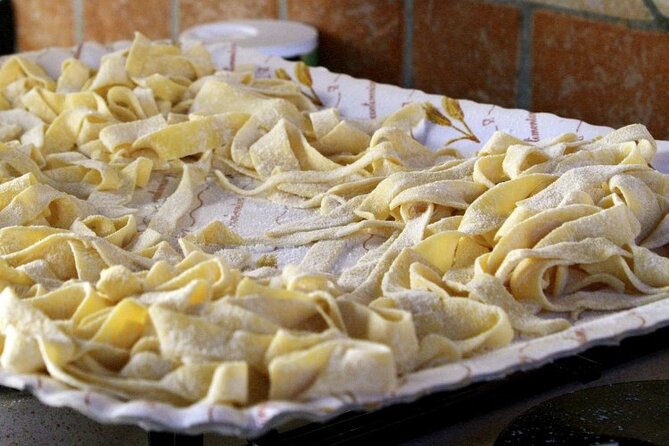
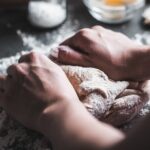
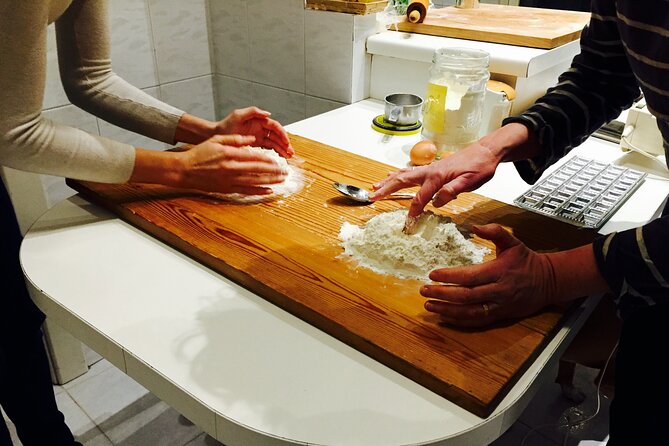
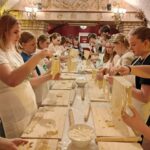
Your class kicks off with the foundation work: learning how to roll dough. This is the moment where the day stops being a cooking show and starts becoming a skill. You’re not just watching someone else work—you’re learning the feel of the dough and the rhythm of the kitchen.
Then you get into early eating while cooking: you’ll make an antipasto and pizzelle for snacking, and you’ll have wine to sip as you cook. That matters more than it sounds. In Italy, good food is part of the lesson, not a reward you wait for later. The snack phase keeps the energy up while you learn hands-on technique.
This part also helps you gauge pacing. If you’re new to cooking, you’ll appreciate that the day begins with steps that are achievable. If you’re experienced, you’ll likely enjoy refining your technique early, so the later pasta work feels more controlled.
Pasta from scratch: ravioli, pappardelle, and aiming for al dente
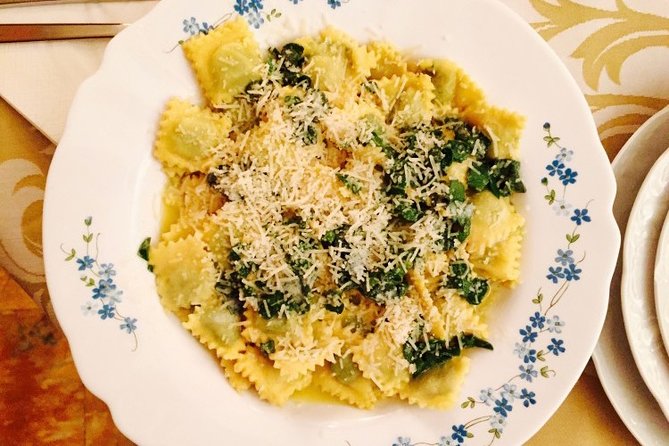
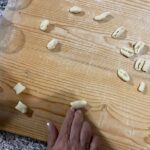
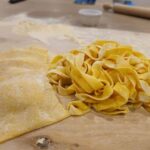
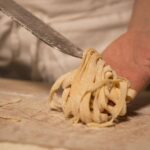
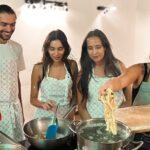
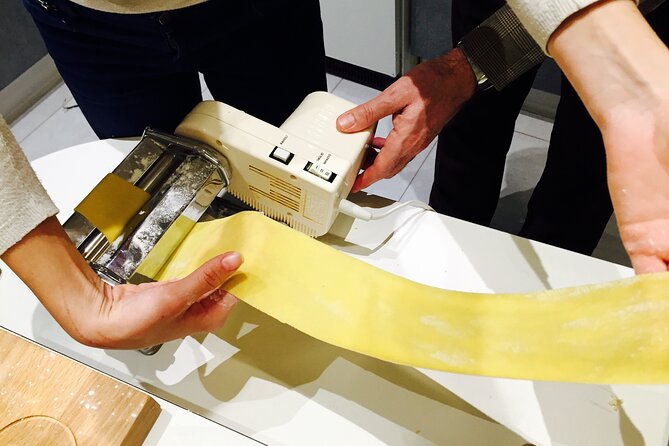
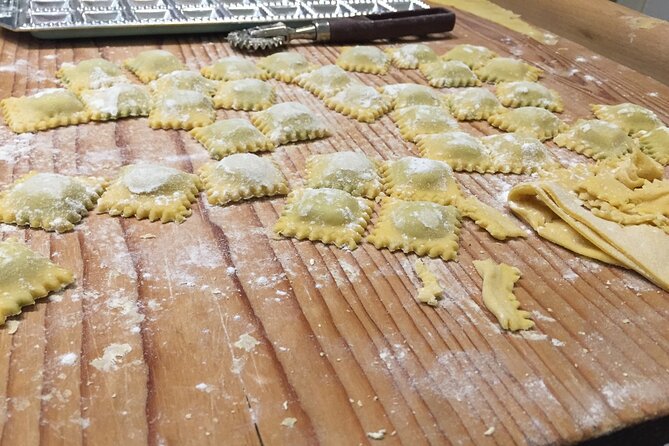
The heart of this experience is pasta. Marilee teaches you how to roll out and cut handmade pasta as you make both ravioli and pappardelle. This isn’t just about making one shape correctly. You’re learning how the dough behaves and how different pasta formats change the workflow.
A key moment is learning the step for pasta al dente. That’s a classic Italian goal: pasta that has bite, not paste. You’ll learn how to think about timing and doneness so your pasta feels right even after you leave the class. For me, that’s the kind of instruction that turns cooking into a repeatable habit.
You’ll also be working directly with dough and portions, which is where many cooking classes either shine—or disappoint. Here, the private setup and the small group size (up to 8) matter. It means you’re not stuck watching the leader while the clock runs. You get time to ask questions and correct your technique while it’s still easy to adjust.
If you’re traveling with kids, this is also one of the best parts to keep them engaged. Cutting and shaping pasta is tactile work, and it gives them a clear sense of progress: dough → shape → plate.
A Roman secondo moment: building the main course
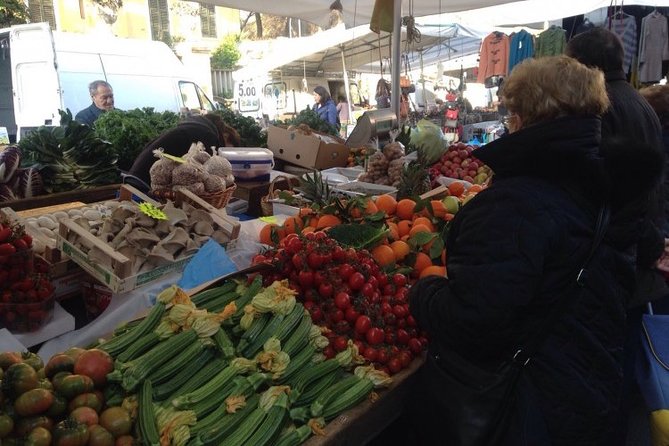
After pasta, the class continues with a typical Roman secondo (or meat dish), served as part of your 4-course meal. The menu is anchored in classic Roman and Italian cooking, so you’ll recognize the structure of a typical Italian meal: pasta first, then the heartier main.
Wine is included alongside the cooking and meal, with the description noting copious wine. If you plan to drink, do it with intention: keep pace with the class, eat what you make, and stay hydrated. If you don’t plan to drink, you can still enjoy the cooking and lunch; just plan to sip something else alongside.
What makes this part valuable is that it connects technique to the broader plate. You’re not learning one dish in isolation. You’re building an entire meal that fits how Italians think about lunch—start lighter, then move into the satisfying main.
If you’re someone who wants to cook Italian food at home later, this is also the part you can translate most easily. Pasta skills are great, but a Roman-style secondo gives you a second anchor dish to practice.
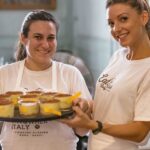

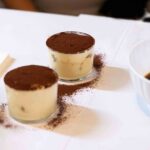
Biscotti and coffee on the terrace: the sweet finish
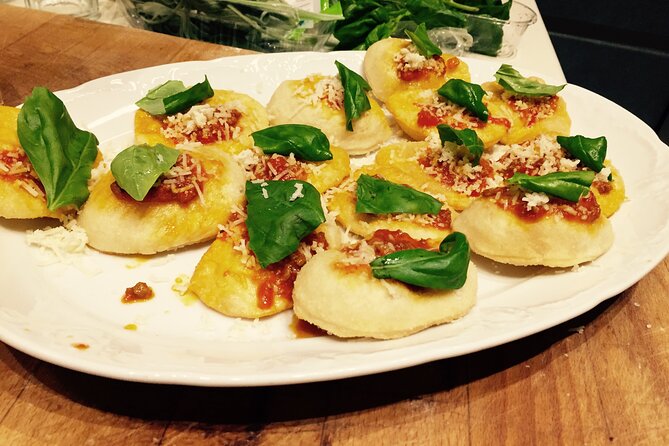
The day ends with biscotti and coffee on the terrace. It’s a small detail, but it’s a smart one. After a few hours of hands-on work, you need a decompression moment where you can enjoy the meal without focusing on technique.
Biscotti is also a practical takeaway. It’s a baked good that many people associate with Italian cafés, but the class turns it into something you can repeat. Instead of buying biscotti and hoping it tastes like the place you liked, you’ll know what to expect from dough texture to baking results.
Sitting together—snacking, sipping coffee, and talking through what you made—also helps the day stick in your memory. You leave with more than recipes. You leave with a sequence of actions you can picture later when you’re in your own kitchen.
Price, group size, and whether $457.41 is worth it
At $457.41 per person for about 5 hours, this isn’t a budget activity. But it can be a strong value if you look at what you get: a fully private class (only your group), chauffeur pickup, and a 4-course meal where you cook the majority of what you eat.
The small group size—up to 8—and the fact it’s private are big components of the price. If you’ve done cooking classes before where you spend half the time waiting your turn, you’ll feel the difference here. You’re paying for access to Marilee’s attention, time in the kitchen, and the real ingredients and instruction needed for fresh pasta work.
The other value factor is that this isn’t just learning to cook once. You learn multiple dishes and skills: pasta rolling and cutting, achieving al dente, plus a sweet course. That’s how a cooking class becomes more than entertainment. It becomes a repeatable skill set.
If you’re comparing it to a single nice dinner for two or three, it can look expensive. But if you’re coming as a family or a small group who will actually cook and eat together, the math improves quickly.
Who this class suits best (and who should rethink)
This works best if you want an authentic food day in Rome that’s hands-on and structured. It is a strong fit for:
- Families with kids who do better with active, guided tasks
- Couples who want more than a meal and prefer learning something to taking photos
- Friends traveling together who can cook as a team
- Anyone who wants fresh pasta skills they can repeat at home
It may be less ideal if you want a low-effort experience. This is a work-kitchen day: rolling dough, making pasta, cooking through multiple courses. If you’re looking for a quick tasting with minimal time in a kitchen, you might prefer a shorter format.
Also consider the north-of-center home location. The chauffeur pickup helps, but you are still leaving the main tourist flow for a few hours. If your schedule is packed tightly, choose your day carefully.
Should you book Marilee’s private cooking class?
I think it’s a yes for most people who enjoy food and want more than a restaurant visit. The private setup for up to 8, the focus on fresh pasta (ravioli and pappardelle), and the ending with biscotti and coffee on the terrace combine into a day that feels like a proper Roman experience—one where you take skills home, not just photos.
Book it if:
- You want a true hands-on cooking day
- Your group includes kids or mixed skill levels
- You care about learning technique like pasta timing and dough handling
- You want lunch built from what you cooked
Consider passing if:
- You hate cooking activities and only want light tastes
- You need a central-only schedule with minimal travel time
- You’re trying to fit too much into a single morning because it starts at 10:00 am
If you can spare the time, this is the kind of Rome activity that turns into a story you can replay for years.
FAQ
Where is the meeting point?
The meeting point is Piazza della Repubblica (Pia.za della Repubblica, 00185 Roma RM, Italy).
What time does the class start?
It starts at 10:00 am.
How long is the cooking class?
It’s about 5 hours.
Is pickup offered?
Yes. Pickup is offered via private chauffeur.
Is this a private class or shared group?
It’s private. Only your group participates, with a maximum of up to 8 people.
What dishes will you learn to make?
You’ll learn pasta from scratch (including ravioli and pappardelle), and you’ll also prepare items like antipasto, pizzelle, and biscotti. The meal includes a Roman secondo/meat dish.
Can the class accommodate dietary restrictions?
Yes. Dietary restrictions such as vegetarian or gluten-free can be accommodated if you specify your needs when booking.
Is there free cancellation?
Yes, you can cancel for a full refund up to 24 hours in advance of the experience’s start time.