REVIEW · ROME
Cesarine: Market Tour & Cooking Class at Local’s Home in Rome
Book on Viator →Operated by Cesarine: Cooking Class · Bookable on Viator
Rome tastes better with your own hands. This Cesarine experience pairs a guided market visit with a hands-on private cooking class in a local home, so you see ingredients being chosen and then watch them turn into a real Roman meal. I love how the day isn’t stuck in a classroom bubble; you shop through the same food world many Romans rely on, then you cook famous staples at your chef host’s table.
I also love the payoff: you finish with a full three-course meal, usually including fresh pasta plus a Roman dessert, served with wine and coffee. One drawback to know upfront: this is a real 4.5-hour, get-your-hands-dirty format, and it’s priced like a private home experience rather than a quick group tasting.
In This Review
- Key Things To Know Before You Go
- Why This Rome Market + Cooking Class Feels More Real Than Sights
- The 10:00am Market Walk: How You Choose Ingredients Like a Roman
- Back at the Cesarina Home: What the Cooking Class Actually Looks Like
- Roman Staples on Your Menu: Pasta Shapes, Carbonara Lessons, and Roman Desserts
- Antipasti to Finish the Learning: Wine, Coffee, and a Real Dinner Table
- Pricing and Value: Why $225.18 Can Make Sense Here
- Logistics That Matter: Group Size, Language, and Timing
- Who Should Book This (and Who Might Not Love It)
- Should You Book Cesarine’s Rome Market Tour and Cooking Class?
- FAQ
- How long is the Cesarine market tour and cooking class in Rome?
- What time does the tour start?
- Is this a private experience?
- Is the tour offered in English?
- What’s included in the meal?
- What sample dishes should I expect?
- What is the cancellation policy?
Key Things To Know Before You Go
- Private home cooking beats a demo: you cook at a set up in the host’s kitchen, not just watch.
- You shop first, then cook: the market run helps you understand what goes into Roman flavors.
- Hosts can be personal and conversational: past sessions have been led by people like Maria and Giorgio, Laura, Valeria, and Ofelia.
- You’ll learn classic Roman dishes: pasta and sauces such as carbonara come up often, plus Roman desserts like tiramisu.
- Wine and coffee are part of the meal: it ends like dinner, not a snack break.
Why This Rome Market + Cooking Class Feels More Real Than Sights
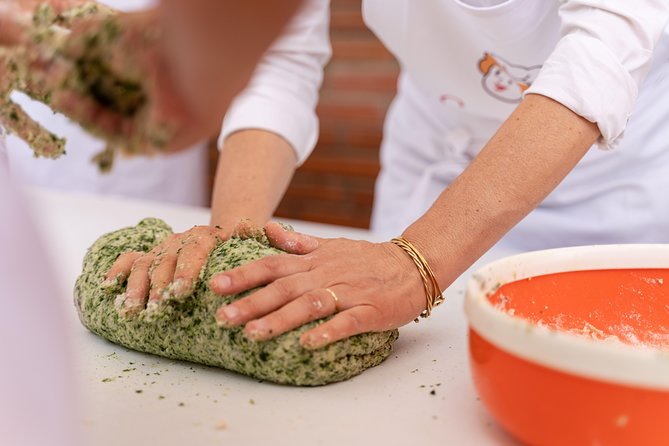
Rome can be all monuments, all day. This experience adds something different: food culture you can taste and repeat at home. You start with a market and shops rhythm, then shift into a residential kitchen where the pace feels familiar and human.
I like that it’s structured but not stiff. You learn while you’re making, and you eat what you make, which turns the whole thing into a memory rather than a checklist item. It also tends to be more relaxed than big attraction days, with a clear meal at the end and wine to match.
You can also read our reviews of more tours and experiences in Rome.
The 10:00am Market Walk: How You Choose Ingredients Like a Roman
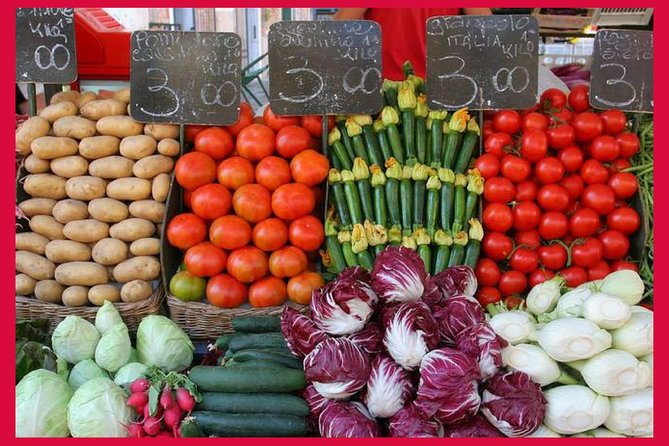
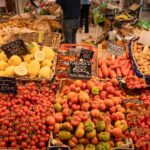
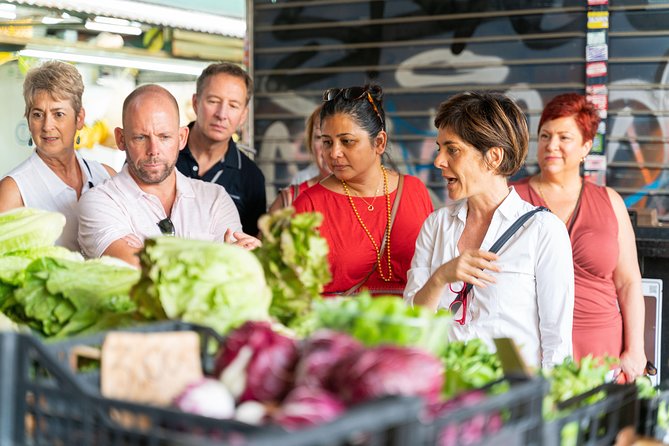
You meet at a location in the Province of Rome area near public transportation, and the day starts at 10:00am. From there, you head into the local market and traditional food shops to pick ingredients for your lunch and dinner-style meal.
This part matters because Roman cooking is ingredient-driven. Even when you’re learning how to cook, the best lesson often comes before the stove: what looks good, what’s in season, and what the host treats as normal. Several sessions are described as including fruit, pork tasting, and other market sampling along the way, which helps you understand why those choices lead to the flavor you’re after.
You’ll also get context for the dishes you’ll cook later. For example, you might talk about how Roman families think about sauce thickness, pasta shape, and how desserts balance sweet with texture. And since this is a private format, you can ask questions as they come up instead of waiting your turn in a larger group.
Back at the Cesarina Home: What the Cooking Class Actually Looks Like
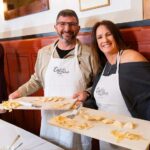
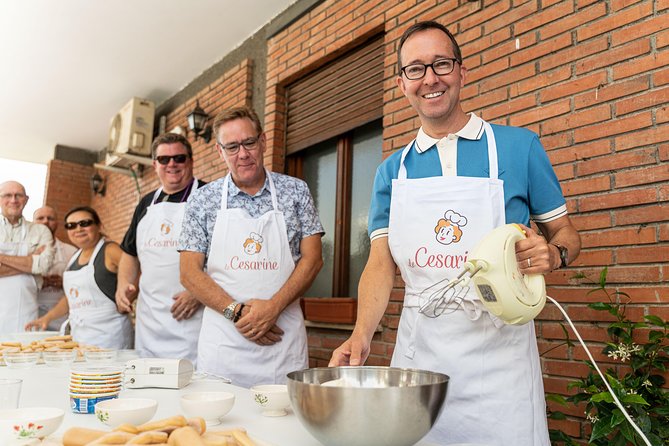
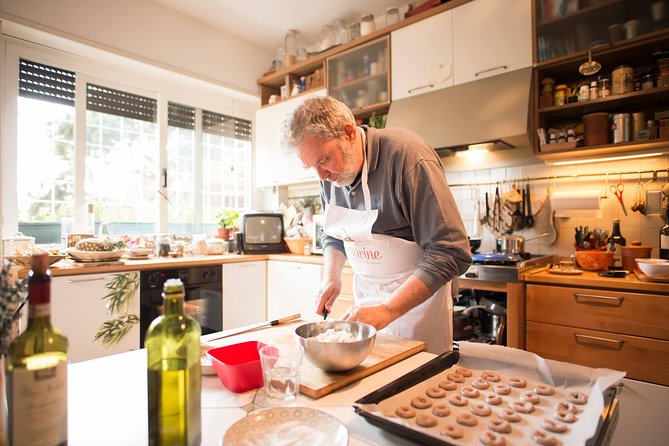
After the market, you return to the Cesarina’s home for the cooking lesson. The tone here is key: it’s a private tour/activity, meaning it’s just your group, not a mixed crowd. That usually makes it easier to learn without feeling rushed, and it’s one reason this style of experience can feel unusually personal.
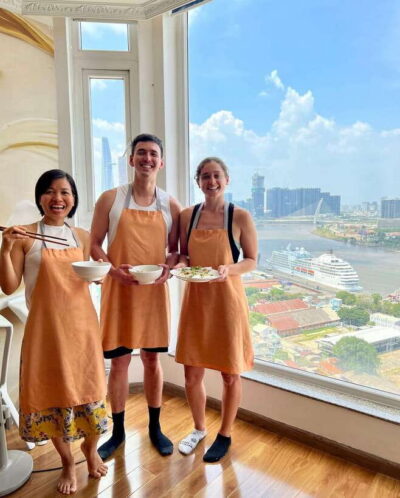
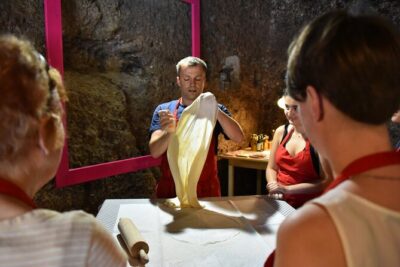
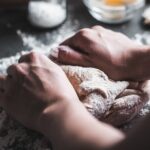
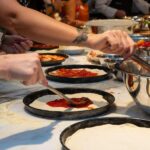
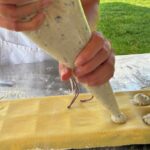
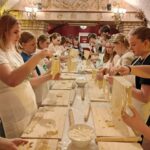
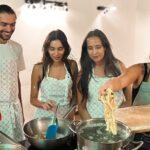
In past sessions, hosts set up cooking stations and provide tools like aprons, and they guide you step-by-step. You’ll typically work together with your instructor (and sometimes a friend of the household) while learning how to build Roman flavor. One session example described making pasta at stations, with the instructor explaining techniques while the group laughed and cooked.
A practical note: you’ll be standing and moving around a real kitchen. Plan for comfort more than fashion, and expect that the class portion is the heart of the experience, not a short warm-up.
Roman Staples on Your Menu: Pasta Shapes, Carbonara Lessons, and Roman Desserts
Your meal structure is built around a classic three-course pattern. The official sample menu includes a seasonal starter, a main of fresh pasta, and a Roman dessert. In practice, the class often focuses on iconic Roman dishes, and you may see lessons like carbonara and tiramisu show up depending on the menu for the day.
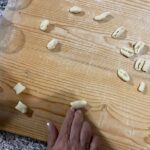
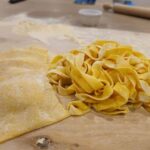
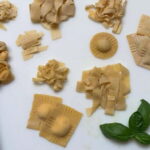
For the pasta, you can expect choices such as rigatoni, bucatini, or gnocchi. That’s more than just a detail; different shapes behave differently. Rigatoni and bucatini hold sauce well, and gnocchi changes the whole eating rhythm, so learning with one of these shapes helps you understand how Romans match pasta type to sauce.
Carbonara is a perfect example of why this experience works. It’s not just a pasta dish; it’s a technique lesson. You learn how to handle ingredients so the sauce turns creamy without turning into a clumpy mess. And because you’re cooking rather than watching, you get that muscle-memory moment that makes it easier to recreate later.
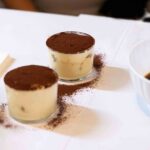
For dessert, the menu lists Roman-style options such as ricotta and cherry tart, Roman tiramisu, or chocolate shortbread. Reviews also mention tiramisu specifically, and some sessions describe a quieter shared moment when the group sits down to eat after cooking. That ending matters: it makes the sweet course feel earned, not like an extra added at the end.
Antipasti to Finish the Learning: Wine, Coffee, and a Real Dinner Table
One of the best parts is how the food flow keeps going after the cooking. Some classes begin with antipasti once you’re back at the home, so you’re tasting while you’re setting up the meal. Others focus more on the cooking stations first and then shift into the full dinner table rhythm.
You’ll end with your three-course meal served with a selection of local wine and coffee. That pairing is a real value because it turns the experience into a full “food day” rather than just a cooking lesson plus a snack. You also get a chance to slow down and talk, which is harder to do when you’re bouncing between restaurants all night.
If you’re planning this after a day of big sightseeing, this timing is smart. The monuments can be loud and fast; the home dinner is quieter and slower. The contrast helps the day feel balanced, and the meal becomes the centerpiece you actually remember.


Pricing and Value: Why $225.18 Can Make Sense Here
At $225.18 per person, this isn’t the cheapest way to do cooking in Rome. But you’re paying for something more specific than a generic class: a private session in a real home, plus market shopping, plus wine and coffee, plus a full three-course meal.
In other words, it’s not just paying for instruction. You’re also covering ingredient selection at the market, the host’s time and kitchen setup, and the fact that you eat what you cook. For many people, that makes the price feel less like a fee and more like buying a complete experience day.
Still, it’s worth sanity-checking your expectations. If you want a quick hands-on snack, you might feel this is too long or too pricey. If you want a structured food day with real technique and a meal at the end, the pricing fits the format.
Logistics That Matter: Group Size, Language, and Timing
This is an English-offered experience with a mobile ticket. Confirmation is received at booking time, and the tour starts at 10:00am. It runs about 4 hours 30 minutes and ends back at the meeting point.
The near-public-transport meeting point is helpful. Even though you’re going to a home kitchen, you’re not expected to navigate far-off countryside on your own. You’ll still want to keep your feet and energy ready, because the market walk and cooking will both involve movement.
Also, because it’s private, your group size can shape the pacing. In a small group, you tend to get more direct attention. In any private setup, you should feel comfortable asking questions and adjusting as the class goes, because the instructor isn’t trying to manage a large crowd at the same stations.
Who Should Book This (and Who Might Not Love It)
This fits best if you want more than a restaurant meal. If you care about Roman food techniques and you want to leave with the confidence to cook something at home—especially pasta sauces and Roman desserts—this experience is a strong match.
It’s also a good fit for couples, food-focused friends, and anyone who enjoys learning through doing. Reviews highlight how welcoming hosts can feel in their homes, and how the day can feel like being treated as family for a few hours.
If you’re the type who prefers strict sightseeing routes and minimal time in kitchens, you may find this heavy on hands-on work. And if you’re very time-pinched, the 4.5-hour block can feel like a bigger commitment than a typical tour.
Should You Book Cesarine’s Rome Market Tour and Cooking Class?
If your ideal Rome day includes market ingredients, hands-on pasta work, and a three-course dinner with wine and coffee, then yes, you should strongly consider booking. The private home setting is the main advantage, and the market-to-kitchen flow makes the experience feel real and repeatable, not staged.
Before you book, check two things in your own planning: first, whether you’re comfortable spending most of the morning to early afternoon cooking and eating; second, whether you’re okay with a format that’s priced for a private home meal rather than a budget group class. If that sounds like your style, this is exactly the kind of Rome food experience that turns into a lasting memory.
FAQ
How long is the Cesarine market tour and cooking class in Rome?
It lasts about 4 hours 30 minutes.
What time does the tour start?
The start time is 10:00am.
Is this a private experience?
Yes. It’s a private tour/activity, with only your group participating.
Is the tour offered in English?
Yes, it’s offered in English.
What’s included in the meal?
You’ll have a three-course meal (starter, fresh pasta main, and a Roman dessert), served with wine and coffee.
What sample dishes should I expect?
The sample menu includes a seasonal starter, fresh pasta such as rigatoni, bucatini, or gnocchi, and a Roman dessert such as ricotta and cherry tart or Roman tiramisu or chocolate shortbread (or similar typical desserts).
What is the cancellation policy?
Free cancellation is available up to 24 hours before the experience start time for a full refund.
If you tell me your travel dates and dietary needs (if any), I can help you decide whether this format fits your Rome schedule.