REVIEW · ROME
Rome: Pasta Cooking Class with Wine, Coffee, and Limoncello
Book on GetYourGuide →Operated by Yellowsquare Rome · Bookable on GetYourGuide
Pasta can feel mysterious. This class makes it practical. In Rome, you’ll learn pasta from scratch with chef Marco, then sit down to eat what you make with wine, coffee, and limoncello. It’s a fun way to turn a tourist stop into an actual skill.
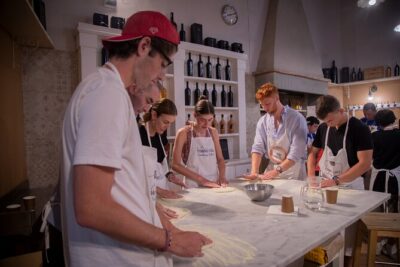
What I like most is the hands-on teaching: you won’t just watch. You’ll make three pasta types—tagliatelle, fettuccine, and ravioli—starting from dough, then tasting them with different condiments.
One thing to plan around: transport isn’t included, so you’ll need to get yourself to the YellowSquare Rome reception meeting point.
In This Review
- Key things you’ll remember from this Rome pasta class
- Why a pasta class hits different in Rome
- Meeting at YellowSquare Rome and how the timing feels
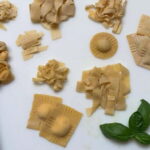
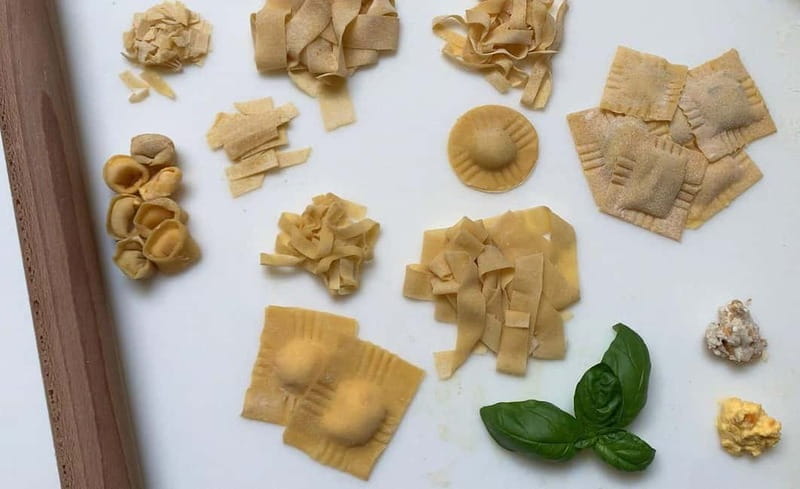
- What you actually make: tagliatelle, fettuccine, and ravioli
- 1) Homemade dough as your foundation
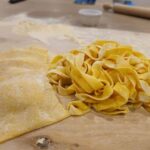
- 2) Tagliatelle and fettuccine—cut noodles, big payoff
- 3) Ravioli—filling and sealing matter
- The chef’s role: authentic sauce while you work your hands
- The meal part: tasting, condiments, and wine
- What’s included—and why that inclusion matters
- Who this class is best for
- Price and value: does $68.33 make sense?
- Practical tips so your class goes smoothly
- Should you book this Rome pasta cooking class?
- FAQ
- How long is the Rome pasta cooking class?
- What pasta types will I learn to make?
- Do I need any previous cooking experience?
- What drinks and food are included?
- Where do I meet for the class?
- Is transportation included?
- What languages is the class taught in?
Key things you’ll remember from this Rome pasta class
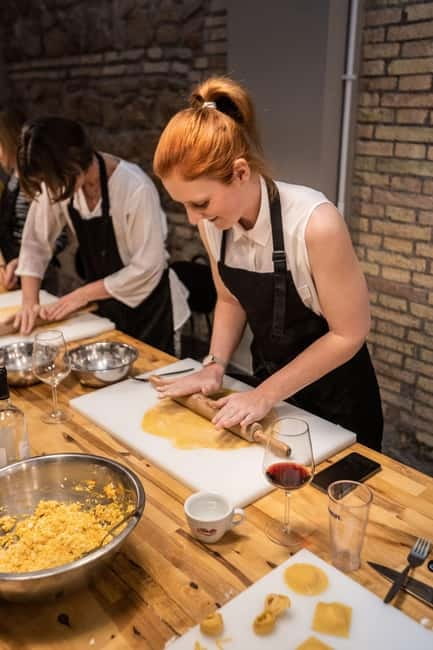
- Chef Marco teaches step-by-step, with clear instructions that keep you moving through the dough, filling, and shaping stages.
- Three pasta styles in one session: tagliatelle, fettuccine, and ravioli.
- You eat your work right after learning it, not later, not “in theory.”
- Wine, coffee, and limoncello make it feel like a proper Italian meal, not a demo.
- You leave with recipes and a certificate, so you can recreate it after your trip.
Why a pasta class hits different in Rome
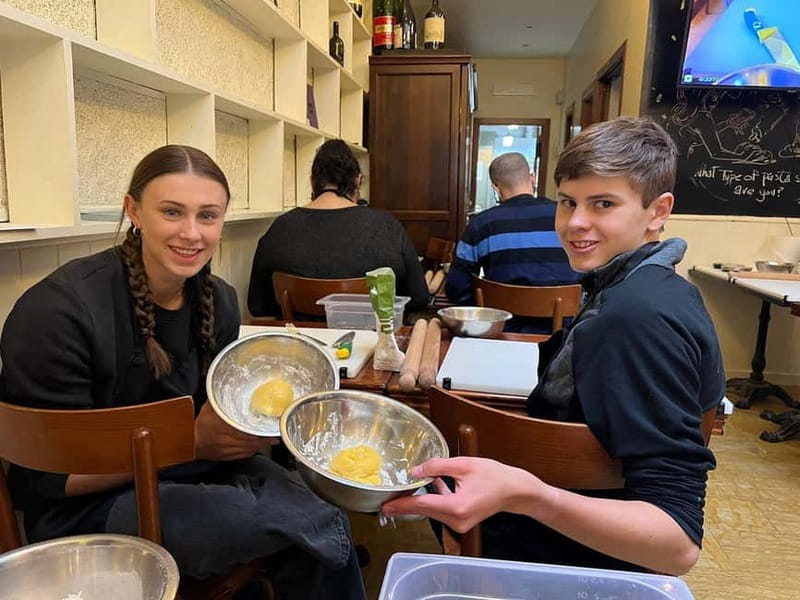
Rome is great at monuments, sure. But there’s another kind of travel that sticks: food you make with your own hands. This 4-hour class is built for that. You’re not taking a drive-by tasting. You’re learning dough. You’re learning filling. You’re learning how pasta changes when you get it right.
The best part is the rhythm. You start with the basics—making dough—then you build toward shaping and filling. Finally, you sit down and eat. That “learn → make → taste” loop is the reason this kind of class becomes a highlight instead of a checkbox.
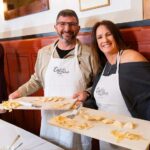
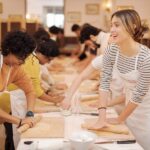
I also like that the class is social without being chaotic. You’ll meet other people, cook alongside them, and learn local stories from the chef. When a class gives you both a skill and the cultural context, you leave with something more useful than photos.
You can also read our reviews of more tours and experiences in Rome.
Meeting at YellowSquare Rome and how the timing feels
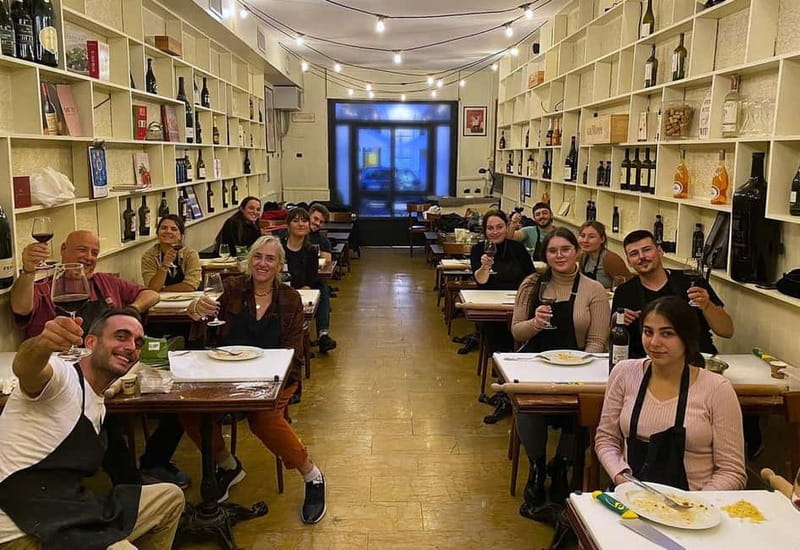
This experience starts and ends at the YellowSquare Rome reception. That makes the logistics simpler than tours that scatter you across town. You’re always headed back to where you began, so you don’t have to think too hard about getting “back.”
It lasts 4 hours, with multiple starting times depending on availability. That matters because it keeps the class from eating your whole day. In Rome, you can usually slot this into a morning or early afternoon plan without wrecking dinner plans later.
Language-wise, you’ll get instruction in English and Italian. If you’re even a little nervous about cooking terms, don’t be. The format is designed for people with no previous experience. The goal is confidence, not credentialing.
What you actually make: tagliatelle, fettuccine, and ravioli
The class is structured around three pasta shapes. Each one teaches you something slightly different, so you don’t spend all your time doing the same motion.
Here’s the practical breakdown:
1) Homemade dough as your foundation
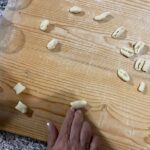
Everything starts with dough. You’ll learn how to prepare it from scratch—so you understand what you’re working with, not just how to assemble it.
This is valuable because store-bought pasta is consistent. Homemade pasta has a personality. When you make dough, you learn what “right” feels like, and that makes the rest of the cooking make sense.
2) Tagliatelle and fettuccine—cut noodles, big payoff
Tagliatelle and fettuccine are both pasta you shape by cutting rolled dough into ribbons. The difference between them is mainly about style and thickness, which is exactly what you want to learn: how small choices change the final bite.
These two also tend to be the most forgiving for first-timers. Even if your cuts aren’t perfect, you’ll still end up with pasta that tastes like pasta.


3) Ravioli—filling and sealing matter
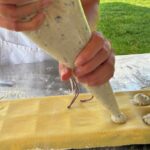
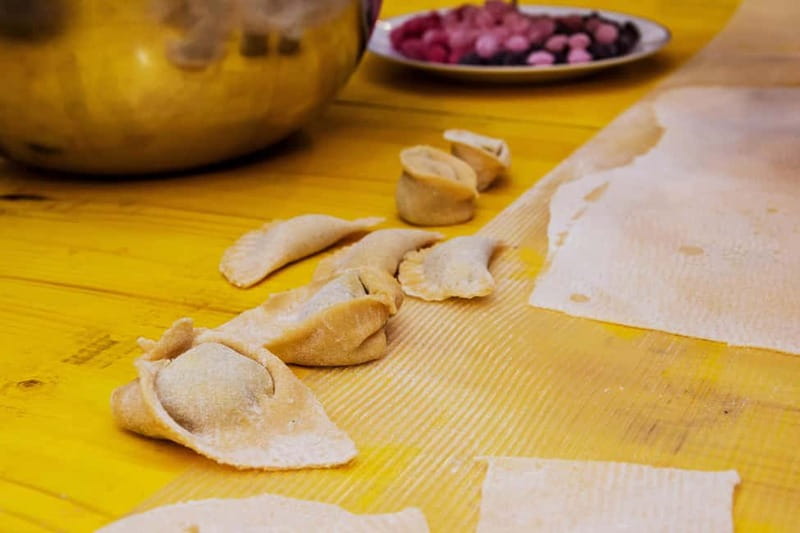
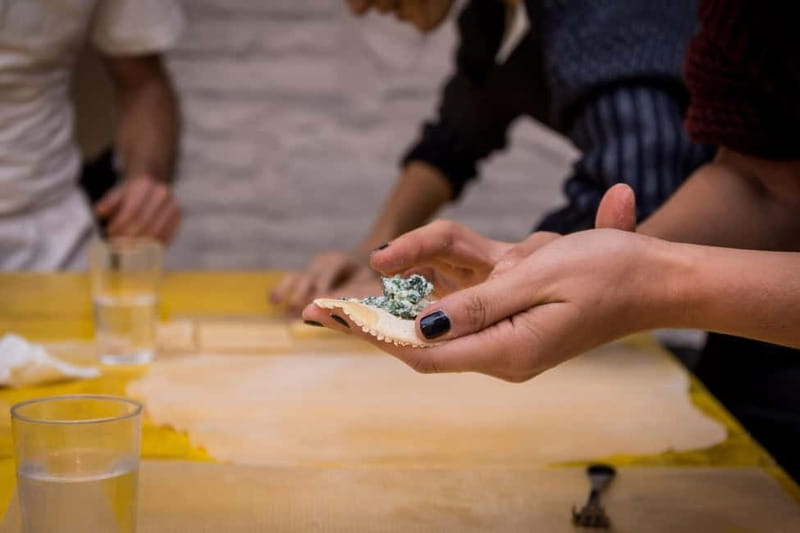
Ravioli is where things get more “hands-on.” You’ll prepare ravioli with filling while the chef handles an authentic sauce. Ravioli demands focus: portioning the filling and sealing so it doesn’t leak.
If you’ve ever been intimidated by stuffed pasta, this is a great way to demystify it. You’re not guessing. You’re guided step-by-step.
The chef’s role: authentic sauce while you work your hands
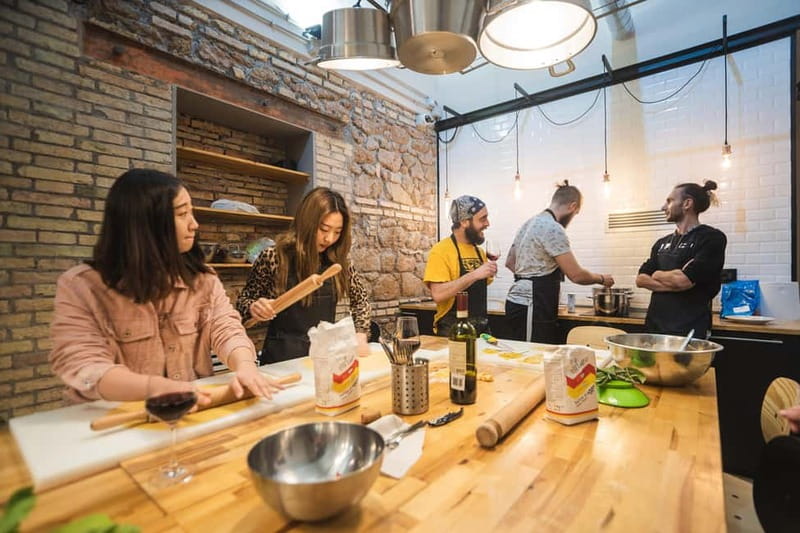
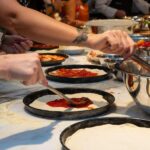
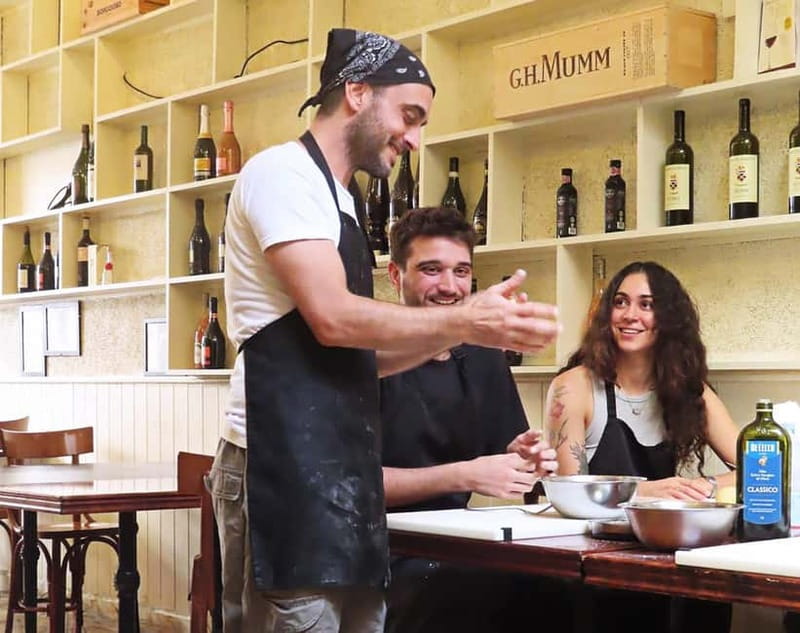
One smart design choice here is how the workload is balanced. You’re actively making pasta from scratch, while the chef prepares an authentic sauce and shares Italian stories during the process.
From a value standpoint, that matters. If the class were only about folding dough and nothing else, it could turn into a long prep session with mediocre payoff. Instead, you get the best of both worlds: your effort in the pasta, plus a sauce that’s being handled by someone who knows the tradition.
In the reviews, the teaching style comes up over and over: chef Marco is both funny and effective, using clear step-by-step instructions. That’s not just nice to hear. It’s the difference between leaving with memories and leaving with a method you can actually repeat at home.
The meal part: tasting, condiments, and wine
After you make the pasta, you taste what you prepared with various condiments. This tasting stage is where you learn quickly. You can see how each pasta type holds sauce and toppings.
And yes, you also get a glass of Italian wine with the meal. It helps the whole thing feel like an actual Italian lunch, not a classroom exercise. If you don’t drink wine, you’ll want to consider that upfront—because the wine is part of what’s included.
Then the fun finishing course: coffee and limoncello. That combination is classic for rounding out a meal and gives the class a “Roman evening” vibe even if you’re doing it earlier in the day.
What’s included—and why that inclusion matters
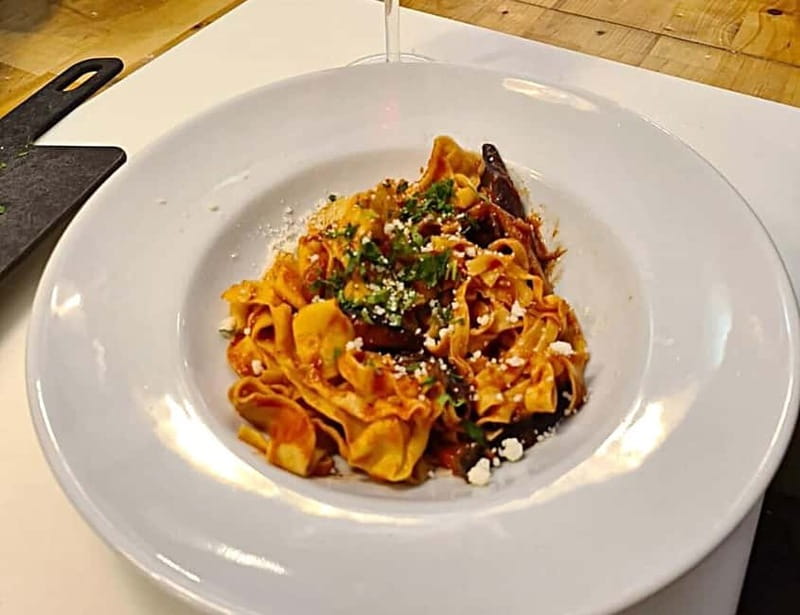
You get more than the cooking lesson. Included items add up, and they change the value equation.
What’s included:
- Local chef as a guide (chef Marco leads the class)
- A pleasant lunch with pasta
- A glass of Italian wine
- Coffee and limoncello
- Participation certificate
- Pasta recipes
That last part is underrated. Recipes let you recreate the key steps after you’re back home, so the experience doesn’t vanish the moment your trip ends. A participation certificate isn’t going to change your life, but it does underline something: this is meant to be a complete activity, not a quick taste stop.
Who this class is best for
This fits a lot of traveler styles.
- Food lovers who want a hands-on souvenir. If you like markets and meals, you’ll enjoy learning the technique behind the dishes.
- Couples and small groups. One chef, one shared process, and then you eat together. It naturally creates conversation.
- Beginners. No previous experience is needed, and the instruction is designed for people who are learning from zero.
If you’re the kind of traveler who hates messy hands or hates structured activities, you might find the hands-on part less fun. But if you’re willing to try, it’s hard to beat the satisfaction of eating pasta you made yourself.
Price and value: does $68.33 make sense?
At $68.33 per person, you’re paying for more than a cooking session. You’re paying for:
- A chef-guided class
- Ingredient time and meal time
- Lunch featuring what you make
- Wine, plus coffee and limoncello
- Recipes and a participation certificate
In Rome, good food experiences can add up quickly—especially when alcohol is involved. This class bundles a lot of those elements into a single, timed activity. The real value is that you get both skill (learning dough and shaping) and meal payoff (you eat what you made).
So for the money, it’s best thought of as an Italian cooking workshop that also includes a proper meal. If you were going to pay separately for a guided meal plus a cooking lesson, this format is the more efficient path.
Practical tips so your class goes smoothly
A few ideas that make a difference for first-timers:
- Arrive a bit early so you can settle in and start with less stress. Since you’re meeting at YellowSquare Rome reception, give yourself buffer time.
- Wear clothes you don’t mind getting floury. Dough happens. It’s part of the fun.
- Ask questions while you’re still learning. Pasta is easier when the steps are fresh in your mind.
- Eat mindfully after the work. You’ll be tempted to rush. But tasting is where you connect the technique to the result.
And don’t worry about perfection. The goal is that you’ll be able to say, in plain terms, I made Italian pasta today—and mean it.
Should you book this Rome pasta cooking class?
Yes—if you want a hands-on, memorable Rome experience that ends with a meal you helped create. The combo of three pasta types, chef-led instruction from Marco, and included wine, coffee, and limoncello makes it feel like more than a single afternoon activity.
Book it if:
- you’re a beginner or returning-to-cooking person
- you want something social that doesn’t feel like a tour bus
- you like leaving with recipes you can use later
Skip it if:
- you really don’t want any cooking mess at all
- you know you won’t be able to get to YellowSquare Rome reception on your own
FAQ
How long is the Rome pasta cooking class?
The class lasts 4 hours. Check availability to see the starting times.
What pasta types will I learn to make?
You’ll make three types of pasta: tagliatelle, fettuccine, and ravioli.
Do I need any previous cooking experience?
No previous experience is needed. The class is set up so you can enjoy making pasta from scratch.
What drinks and food are included?
You’ll have a pleasant lunch with pasta, including a glass of Italian wine. The class also includes coffee and limoncello at the end.
Where do I meet for the class?
The meeting point is the YellowSquare Rome reception, and the activity ends back at the same meeting point.
Is transportation included?
No. Transportation to and from the meeting point is not included.
What languages is the class taught in?
The instructor provides instruction in English and Italian.