REVIEW · PHU QUOC
Phu Quoc Cooking Class
Book on Viator →Operated by Hanoi soul · Bookable on Viator
Cooking here beats watching.
In Phu Quoc, this small-group class happens at The Hidden Garden, where you shop from a real herb patch, cook with guidance, and then sit down to a family-style meal. You also get that Southern Vietnam touch by wearing the ao ba ba outfit.
I especially like two things: the chance to handpick local ingredients (and meet the farmyard animals that make the place feel lived-in), and the way Chef Hong guides you clearly in English so you’re not just copying recipes. The lunch afterward matters too, because you eat what you made as part of the family-style dining rhythm.
One possible drawback: the plan depends on good weather, and parts of the experience lean outdoors—so if you hate any garden time or rain ruins the schedule, you’ll want to stay flexible.
In This Review
- Key highlights you’ll feel right away
- Why The Hidden Garden cooking class in Phu Quoc feels genuinely local
- Price, time, and what you’re actually paying for
- Your small-group flow: what the 10:30 am start means for you
- Stop 1 in Ong Lang: herbal welcome drink before you cook
- Stop 2 in Bai Ong Lang: ao ba ba outfit and hands-on garden fun
- Stop 3: the garden harvest in Phu Quoc (where flavor starts)
- Stop 4: cooking like a local, with Chef Hong’s clear guidance
- Dessert, handicraft, and those little cultural touches that break up the food work
- The meal in Ong Lang: at least 5 local dishes, shared family-style
- Pickup and meeting point: how to make logistics painless
- Who this cooking class is best for
- If weather messes with the plan
- Should you book Phu Quoc Cooking Class at The Hidden Garden?
- FAQ
- How long is the Phu Quoc cooking class?
- Where does the cooking class start and end?
- Is pickup included?
- Is this a private class or shared with strangers?
- Do I wear a traditional outfit during the class?
- Do you eat lunch after cooking?
- Is there a garden ingredient picking part?
- Is there a handicraft activity included?
- What happens if the weather is poor?
Key highlights you’ll feel right away
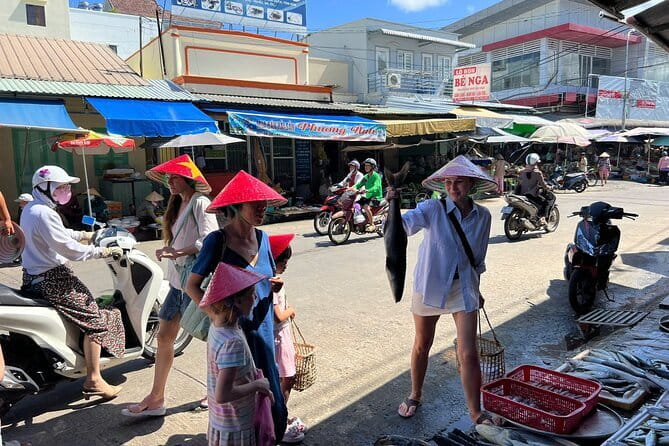
- Max 10 people means real hands-on time, not a photo-op line
- Ao ba ba outfit and local home welcome drink set the tone fast
- Pick herbs in the garden so your flavors start before the stove
- Chef Hong’s clear English makes the cooking steps actually stick
- You eat your work with a lunch that includes at least 5 local dishes
- Handicraft + desserts add a cultural break from just cooking
Why The Hidden Garden cooking class in Phu Quoc feels genuinely local
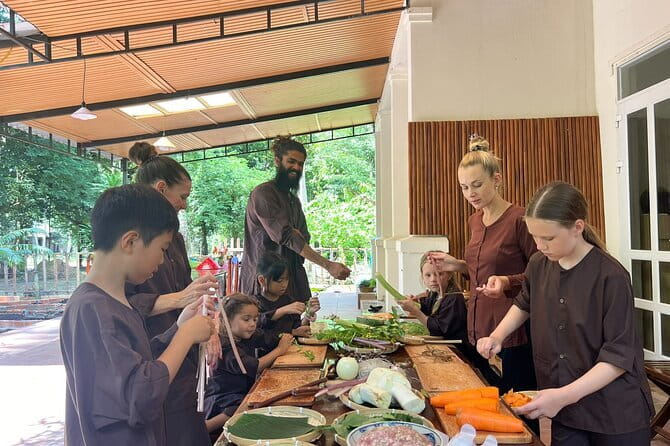
Phu Quoc can be very easy to do on autopilot: beach, scooter loop, seafood dinner, repeat. This class pushes you into the other side of the island—the day-to-day rhythms of a working property where food starts with plants and animals, not a menu.
The big win is the private, small-group setup. With a group limited to 10, you get time to ask questions and adjust what you’re doing. You’re also not shuffled through a crowded “factory kitchen” vibe. The garden setting keeps things calm, and it’s the reason the whole experience doesn’t feel staged.
Another practical plus: you’re not stuck with just standing and watching. You’ll move through the garden, wear the traditional outfit, cook, then eat. It’s a full loop that gives you context for what Vietnamese flavors are doing and why.
Price, time, and what you’re actually paying for
At $59 per person, this is not the cheapest “do-your-own-spring-rolls” option. But it also isn’t pricing you like a fancy restaurant class. What you’re paying for is a complete experience: shopping for herbs, cooking sessions with guidance, and then a meal that includes at least 5 local dishes after class.
Time-wise, plan on about 3 hours from the 10:30 am start. That’s long enough to learn real techniques, but short enough that you won’t wreck your day on the island. If you’re trying to fit one meaningful activity around beach time, this works.
Also, pickup is offered. That matters in Phu Quoc, where distances and traffic can turn a “quick activity” into a half-day. If you can get collected, you’ll arrive less stressed and more ready to cook.
Your small-group flow: what the 10:30 am start means for you
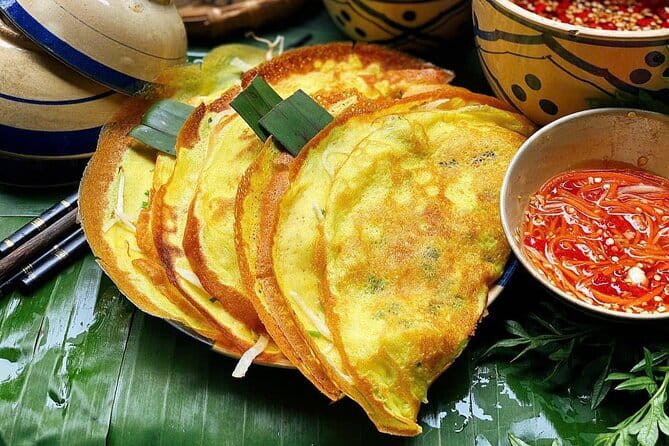
This is a structured experience with set moments. You begin at 10 Đường Dinh Bà, Ông Lang, Phú Quốc (and pickup is available). Expect a welcome drink first, then outfit time, then the garden harvest, then the cooking block, and finally the meal.
Why that order is smart: the early parts reduce confusion later. You warm up with a local welcome, you see the property and the plants, and then you cook with a clear purpose. By the time you sit down to eat, you already understand the dish components instead of guessing what goes where.
Because it’s private for your group, you can also expect less waiting around. You’re not sharing the same stove station with a huge crowd.
Stop 1 in Ong Lang: herbal welcome drink before you cook
Your morning kicks off with a short stop in Ong Lang. You start with a welcome drink at a local home. The aim here is simple: get relaxed, get introduced, and get your taste buds awake before you touch a knife or mortar.
This is also where you get the tone-setting moments that make the class feel like more than cooking. Even the 15 minutes is useful, because it stops the experience from feeling like you were dropped into a random kitchen with instructions only.
If you’re curious about how Southern Vietnamese meals start—before the first dish—this first stop helps you understand it in a casual way, not a lecture.
Stop 2 in Bai Ong Lang: ao ba ba outfit and hands-on garden fun

Next is Bai Ong Lang, where you get to wear the ao ba ba. This outfit is iconic for Southern Vietnam, and wearing it here is more than a costume. It helps you connect to the local identity of the experience and makes the time feel like part of the culture, not just entertainment.
You’ll also join in gardening and cooking fun during this segment. The practical takeaway for you: don’t treat this as a photo moment only. If you’re paying attention, you’ll learn how ingredients are handled and how everyday farm tasks connect to food flavors.
Also, if you’re bringing kids, this part often lands well because it’s active and visual. And if you’re not traveling with kids, it still works—it’s a quick break from heavy talking and a nice reset before the harvest.
Stop 3: the garden harvest in Phu Quoc (where flavor starts)

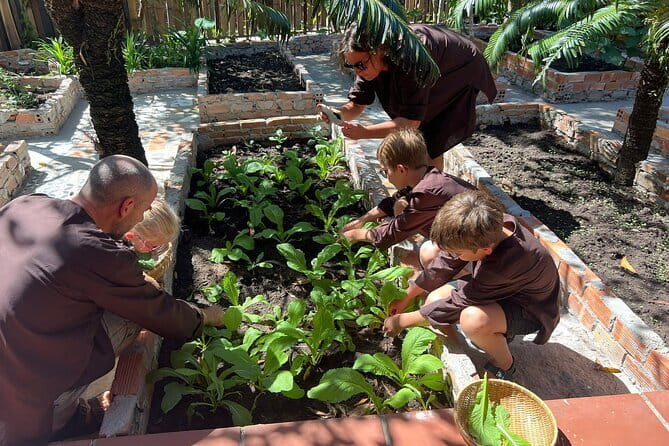
Now comes the part that most cooking classes skip: the harvest. You spend about 30 minutes exploring a local garden and picking veggies and herbs that show up in Vietnamese cooking.
This matters because Vietnamese flavors are plant-driven. The herbs aren’t just garnish. They shape aroma, freshness, and the balance between salty, sour, sweet, and heat. When you pick them yourself, the later cooking steps make more sense. You’ll start to notice which herbs behave like perfume and which ones add body.
If you love farm details, you’ll likely appreciate the place’s lived-in feel. People have highlighted animal presence on the property—ducks, geese, chickens, rabbits—and even opportunities to feed baby ducks. Whether you catch those exact moments depends on timing, but the property style is the point: it’s not a sterile stage. It’s a working garden with real life moving around you.
Stop 4: cooking like a local, with Chef Hong’s clear guidance

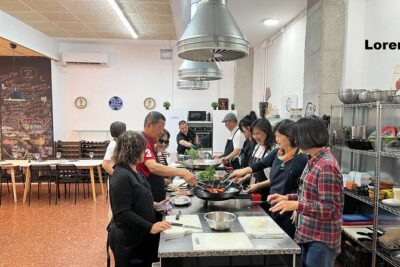
The main cooking block runs about 1 hour. Here you create your dish from scratch and share the meal rhythm that Vietnamese families are known for—everyone involved, everyone tasting, and the conversation tied to what you’re making.
You’re helped step-by-step, and the cooking guidance is delivered in good English, with Chef Hong specifically named for clear explanations. That’s a big deal if you’re worried about a language gap. You want your hands to do the work while your brain understands what the steps are trying to achieve.
You’ll also cook a set number of dishes. One full experience has been described as cooking three dishes, which fits the idea of a structured learning session rather than one endless roll-making station. You’ll likely get repetition on key techniques—chopping, mixing, and combining flavors—so you don’t leave with only one skill.
A small “watch your timing” note: this cooking block is where you’ll feel the heat and pace most. Wear something comfortable for standing and moving. If you’re prone to getting sweaty while cooking, plan on it. You’ll feel much better at lunch if you’re not fighting your outfit.
Dessert, handicraft, and those little cultural touches that break up the food work

This experience doesn’t end at cooking. There’s time for desserts and for a handicraft experience with local people. One highlight described is tasting desserts and decorating typical objects, which adds a hands-on cultural layer after the stove work.
Why this matters: it keeps the afternoon from turning into pure instruction. You get a mental reset. You also walk away with something that feels personal, not just a full stomach.
Even if you’re the kind of traveler who thinks desserts are just dessert, decorating time helps you slow down. You start noticing details about everyday materials and traditions instead of racing for photos.
The meal in Ong Lang: at least 5 local dishes, shared family-style
After cooking, you sit down to the meal. The food part runs about 45 minutes, and it’s explicitly tied to Vietnamese family dining traditions—sharing, talking, and learning what each dish is doing.
You eat what you helped make, plus the meal includes at least 5 local dishes. That’s excellent value because a lot of classes feed you lightly, then let you go. Here, the class finishes with an actual lunch you can feel.
This is also the part where you get meaning, not just calories. If Chef Hong or your hosts explain the stories behind the dishes, you’ll have a better sense of how ingredients and technique show up across regional Vietnamese food—especially the Southern style that’s more garden-forward and suited to local herb profiles.
If you’re traveling as a couple or family, this section is a natural bonding moment. Everyone is eating the same table food you created. You’re not splitting up into “everyone orders something different.”
Pickup and meeting point: how to make logistics painless
The meeting point is clearly listed at 10 Đường Dinh Bà, Ông Lang, Phú Quốc. The experience notes pickup is offered, which is your best bet if you don’t want to worry about navigation or parking.
Also, the location is near public transportation. That doesn’t mean you must use it, but it tells you the area isn’t off-the-grid. You should find it easier to get there than you would with a totally remote workshop.
Since the start time is 10:30 am, aim to be punctual. You’ll want to be present for the welcome drink and the opening flow, which sets the pace for everything that follows.
Who this cooking class is best for
This is a strong fit if you want a hands-on food experience rather than a passive tour. If you like markets, farms, and real ingredient handling, you’ll probably enjoy the garden harvest and the farm feel.
It’s also a great choice for couples. You get shared moments—outfit time, cooking together, then eating together—that feel like more than just a meal.
Families should feel comfortable too. One highlight described kids being happy, and the mixture of animals, garden time, outfit fun, and food makes it less “sit and listen” than many classes.
If you hate outdoors time or you’re traveling with very limited mobility, you might want to reconsider. The experience has outdoor garden segments, so comfort with light movement matters.
If weather messes with the plan
The experience requires good weather. If poor weather cancels it, you’ll be offered a different date or a full refund. That’s the right safety net, because you don’t want your money tied to an outdoor-dependent plan that ruins the timing.
When you book, you’ll do best if you can be flexible with your schedule on Phu Quoc.
Should you book Phu Quoc Cooking Class at The Hidden Garden?
Book it if you want a class that feels like a real local property, with Chef Hong’s clear guidance, ingredient picking, and an actual lunch afterward. The small-group size makes it worth it, especially at $59, because you get full participation instead of a quick demo.
Skip it only if you want something strictly indoor, hands-off, or extremely short. This class is designed to get you moving—wearing ao ba ba, picking herbs, cooking at the stove, and sharing a table after.
If you’re in Phu Quoc for more than a couple days, I’d treat this as one of your most “you’ll remember it” activities. It connects taste to place in a way that a restaurant meal rarely does.
FAQ
How long is the Phu Quoc cooking class?
It runs about 3 hours total.
Where does the cooking class start and end?
It starts at Cooking class Phu Quoc – The Hidden, at 10 Đường Dinh Bà, Ông Lang, Phú Quốc, and it ends back at the meeting point with hotel drop-off.
Is pickup included?
Yes, pickup is offered.
Is this a private class or shared with strangers?
This is a private tour/activity. Only your group participates, and the group is limited to 10 people.
Do I wear a traditional outfit during the class?
Yes. You’ll wear the ao ba ba outfit during the Bai Ong Lang segment.
Do you eat lunch after cooking?
Yes. After the class, you eat lunch, including at least 5 local dishes.
Is there a garden ingredient picking part?
Yes. You’ll explore a local garden and pick veggies and herbs before cooking.
Is there a handicraft activity included?
Yes. You’ll join a handicraft experience with local people.
What happens if the weather is poor?
The experience requires good weather. If it’s canceled due to poor weather, you’ll be offered a different date or a full refund.