REVIEW · TBILISI
Private Cooking Class with a Tbilisi Food and City Expert Dinara
Book on Viator →Bookable on Viator
Cooking Georgian food in a home feels special. This private class brings you into Dinara’s Tbilisi apartment and guides you through traditional recipes, ending with the full meal you make.
I love the hands-on pace, where you’re not just watching—you’re mixing, shaping, and cooking as Dinara explains the why behind each step. I also love that the class includes a real sit-down feast with khachapuri, Georgian salad, khinkali or shkmeruli, pkhali, and a sweet finish like matsoni with honey and nuts.
One possible drawback: it happens in a home kitchen, so if you have strict dietary needs, you’ll want to plan ahead before the meal starts.
In This Review
- Key highlights at a glance
- Step into Dinara’s Tbilisi kitchen (and you’ll taste the difference)
- How the 3.5 hours are structured in real life
- 1) Meet in Saburtalo and head into the apartment kitchen
- 2) Hands-on cooking for about 2.5 hours
- 3) Sit down for a family-style meal
- 4) Dessert to close out the experience
- The dishes you’ll make and why they matter
- Khachapuri: the cheese-and-egg bread everyone recognizes
- Georgian salad: fresh and simple, used as a real course
- Khinkali or Shkmeruli: two very different directions
- Pkhali: vegetables, nuts, herbs, and a bold taste
- Matsoni with honey and nuts: a dessert that fits the meal
- What Dinara brings beyond the recipes
- Price and value: what $148 really buys you
- Who this class is best for (and who should skip it)
- Practical tips so you don’t lose time or comfort
- Should you book Dinara’s private cooking class?
- FAQ
- How long is the private cooking class?
- Where do I meet for the experience?
- Is this a private tour?
- What dishes will I learn to cook?
- Will I eat what I cook?
- Who is Dinara?
- How do I receive my ticket?
- When will I get confirmation after booking?
- Is there free cancellation?
- Are service animals allowed?
Key highlights at a glance
- Meet Dinara at her Saburtalo apartment and cook in a real home setting
- Hands-on instruction as you make 3 dishes from scratch
- A menu built around Georgian favorites: khachapuri, khinkali or shkmeruli, pkhali, Georgian salad
- You eat what you cook, family-style, right after the class
- Dinara’s local perspective adds context (she’s a former café owner and a city guide)
- Mobile ticket + private group format, with group discounts available
Step into Dinara’s Tbilisi kitchen (and you’ll taste the difference)
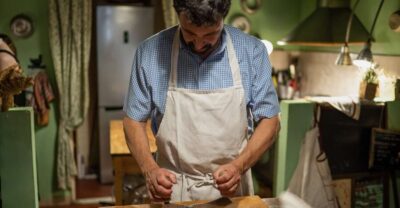
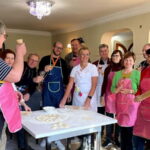
This is the kind of experience that turns a food stop into something personal. You’re in Tbilisi, but the setting is quieter and more real than a restaurant—Dinara welcomes you to her apartment kitchen, shared with her husband, daughter, and a friendly dog. Before you cook, there’s time to settle in with a refreshing drink, which helps you shift gears from the city outside to the slower rhythm of family cooking.
The best part is that you learn Georgian cooking through doing. You’re taught from recipes passed down through Dinara’s family, and the goal isn’t just to produce a pretty plate. You’re learning techniques—how to think about ingredients, how to handle the process, and how Georgian dishes come together in a practical home-kitchen way.
That private format matters. It’s designed for your group only, so you’re not waiting for your turn, and it’s easier to ask questions about the dishes you’re making. The class runs about 3 hours 30 minutes total, with around 2.5 hours of hands-on cooking, so you get enough time to actually make progress rather than just sample a bite.
You can also read our reviews of more tours and experiences in Tbilisi.

How the 3.5 hours are structured in real life
This experience follows a simple flow, and that’s a good thing. Clear steps reduce stress, especially when you’re in someone’s home.
Here’s what you can expect from the start to finish:
1) Meet in Saburtalo and head into the apartment kitchen
The experience begins in Saburtalo, Tbilisi, and it ends back at the meeting point. You meet Dinara at her apartment, get settled, and start with a refreshing drink. Then you move together into her large open kitchen where you’ll do the cooking.
Why this works: meeting at a set location makes it easier to organize your day, and the home setup keeps the class relaxed.
2) Hands-on cooking for about 2.5 hours
Dinara teaches you how to prepare three Georgian dishes from scratch. The class focuses on the recipes and on practical cooking tips and techniques, not just a step-by-step script.
Since you’re making dishes from raw ingredients, expect the class to include real tasks: mixing components, assembling the dishes, and then cooking them. It’s not a quick demo. You’ll feel your way through the process, guided along the way.
3) Sit down for a family-style meal
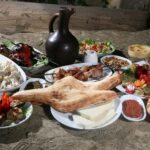
Once the dishes are made, you eat what you cooked together at the table with Dinara. The meal is family-style, which means the food is shared and the vibe stays social instead of formal.
Your meal includes dishes such as:
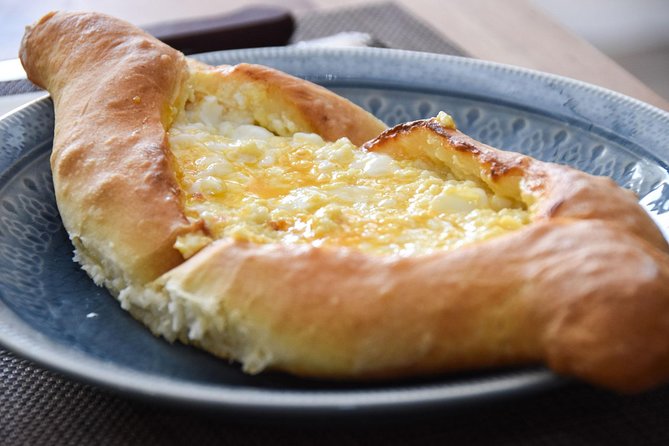
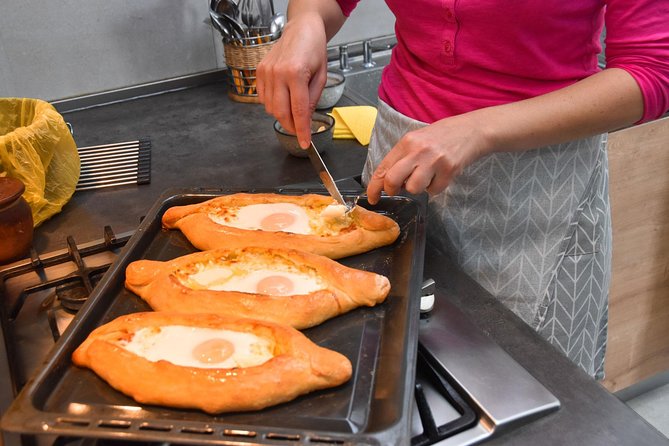
- Khachapuri (cheese and egg filled bread)
- Georgian salad
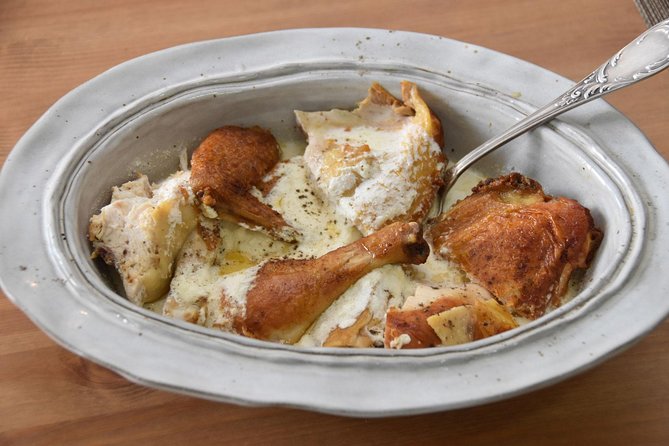
- Khinkali (Georgian dumplings) or Shkmeruli (fried chicken in a garlic sauce)
- Pkhali (minced vegetables, nuts, and herbs)
4) Dessert to close out the experience
The meal ends with a Georgian dessert like matsoni—yoghurt with honey and nuts. It’s a satisfying finish that matches the rest of the menu: dairy-forward, sweet, and clearly at home in Georgian cooking.
The dishes you’ll make and why they matter
Georgian food can look intimidating on a menu, but in this class it turns into something understandable. You’re not just tasting; you’re learning how these dishes work as complete meals.
Khachapuri: the cheese-and-egg bread everyone recognizes
Khachapuri is a centerpiece dish in Georgian cuisine, and in this class it’s one of the dishes you learn to make from scratch. The version you’ll encounter here is cheese and egg filled bread. That combination is the reason khachapuri can feel both comforting and special—soft bread meets warm richness, and the egg element ties it together.
In a cooking class, this dish is also a useful teaching tool. It forces you to think about texture and timing: how the bread holds the filling, and how the final result sets.
Georgian salad: fresh and simple, used as a real course
You’ll also make a Georgian salad. Even though salad isn’t always treated like a highlight at home, it matters here because it gives your meal balance. After richer dishes like khachapuri and dumplings or chicken, salad resets your palate and makes the whole table feel less heavy.
The class includes it as part of the shared meal, so it’s not an afterthought. You’ll leave knowing how Georgian home meals structure courses.
Khinkali or Shkmeruli: two very different directions
You’ll learn either khinkali (Georgian dumplings) or Shkmeruli (fried chicken in a garlic sauce). Both are built for comfort and sharing, but they feel different on the plate.
- Khinkali gives you the experience of working with dumplings, a dish that typically requires patience and care in assembly.
- Shkmeruli is all about the sauce and aroma, with fried chicken in a garlic sauce. This one teaches you a different side of cooking—how to build a flavorful coating.
The menu lists both options, so you might see one more than the other depending on what Dinara is preparing that day. Either way, you’re getting a Georgian-style main that’s meant to be eaten at the table with friends and family.
Pkhali: vegetables, nuts, herbs, and a bold taste
Pkhali is a Georgian dish built from minced vegetables, nuts, and herbs. It’s proof that Georgian cooking isn’t only about bread and dumplings. This dish tends to bring brightness and texture, especially because you’re working with a mix of ingredients rather than a single flavor theme.
In class, pkhali is also a great lesson in how to combine. Minced vegetables + nuts + herbs means the final result depends on balance, not just cooking time.
Matsoni with honey and nuts: a dessert that fits the meal
For dessert, you’ll end with something like matsoni (yoghurt with honey and nuts). It’s the kind of finish that feels connected to the savory dishes. Instead of something separate and overly sweet, it closes the meal with creamy richness, warm sweetness, and crunchy topping.
This matters for value, too. You’re not paying for a class and then hunting for dessert elsewhere. You get the full Georgian menu arc in one sitting.
What Dinara brings beyond the recipes
Dinara isn’t just a cook. She’s a former café owner and a city guide, and that background shows in the class style. You’re learning not only how to cook, but also how the dishes fit into everyday Georgian life and family traditions.
That city-guide angle is useful. Food lessons can become dry if the host only lists steps. Here, the class is tied to context: recipes that have been passed down through generations of her family, plus tips and techniques that make the cooking feel grounded rather than complicated.
If you like travel experiences where the food is also a window into culture, this is a strong match. You leave with a better sense of what people actually make at home, not just what shows up on tourist plates.
Price and value: what $148 really buys you
At $148.00 per person, this isn’t a budget activity. But it’s also not just a bite-sized cooking demo. You’re paying for a private class in a real apartment kitchen, with instruction to make three dishes from scratch, plus a full family-style meal and dessert at the end.
A key value point: this experience includes food you cook and eat. Many “food tours” sell you tastings that barely cover a meal. Here, you finish with multiple courses—bread, salad, a main (dumplings or garlic chicken), pkhali, and dessert.
Also, there are group discounts. If you’re traveling with people you know well, this can become a more sensible price split than booking a solo experience.
Timing-wise, it’s one of those activities that fills up. On average, it’s booked about 17 days in advance, so if you’re traveling during a busy period, earlier booking helps.
Overall, it’s rated 4.2 based on 5 reviews, which is a decent signal of consistency. The strongest praise is about how memorable the class feels—people treat it as a highlight rather than a side activity.
Who this class is best for (and who should skip it)
This private cooking class is ideal if you want:
- A home-cooked meal experience rather than a restaurant meal
- Hands-on practice with Georgian dishes you can recognize by name
- A smaller, calmer setting where you can ask questions and learn at your pace
- A meaningful cultural activity that still ends with dinner
It might not be the best fit if:
- You want something strictly fast-paced or highly scheduled like a big group tour
- You have hard-to-accommodate allergies or dietary restrictions (the menu includes cheese-and-egg bread, dumplings or chicken, nuts and herbs, and dessert with yoghurt)
If you’re the type who likes to cook a few dishes well after a trip, this is also a smart choice. Cooking teaches you faster than eating does.
Practical tips so you don’t lose time or comfort
A few small moves make a big difference with home-kitchen experiences:
- Wear comfortable clothes that you can cook in. Home cooking can mean flour, sauces, and the occasional spill.
- Go with an open mind about the menu. Khachapuri plus Georgian salad plus pkhali plus either khinkali or Shkmeruli is the core plan, and you’ll follow what Dinara is making that day.
- If you’re traveling with a service animal, you’re covered—service animals are allowed.
- Keep your expectations realistic: this is about learning and eating together, not a quick photo-and-leave stop.
Also, because the class is private and group-only, it’s worth showing up on time so you don’t rush the early steps or the meal.
Should you book Dinara’s private cooking class?
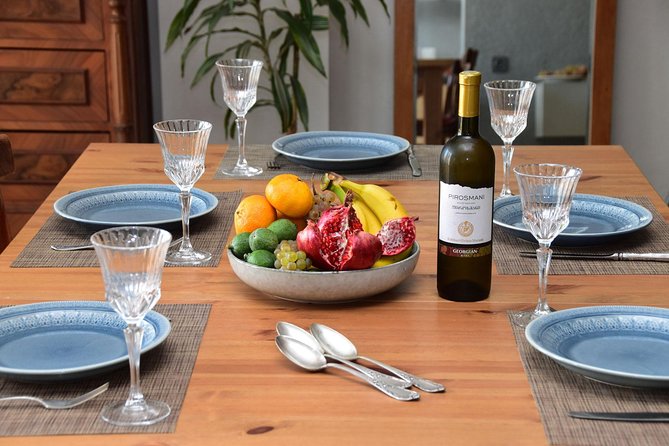
Book it if you want a true Georgian home experience with real instruction and a full meal, not just a sampling. The combination of private apartment setting, hands-on cooking of three dishes, and the sit-down family-style eating at the end makes it feel like your day includes both learning and comfort.
Skip it (or at least think hard) if you’re highly budget-focused or you can’t handle being in a home environment with a working kitchen pace. And if dietary needs are complicated, message or confirm details ahead of time so you’re not guessing when the meal is about to start.
If you fall in love with food through cooking, this class is the kind you’ll remember long after you’ve returned home—because you made the food with your own hands.
FAQ
How long is the private cooking class?
It lasts about 3 hours 30 minutes, including around 2.5 hours of hands-on cooking.
Where do I meet for the experience?
The class starts in Saburtalo, Tbilisi, Georgia and ends back at the meeting point.
Is this a private tour?
Yes. It’s a private tour/activity, and only your group participates.
What dishes will I learn to cook?
The class includes learning to make 3 Georgian dishes from scratch, such as khachapuri, a Georgian salad, khinkali or Shkmeruli, and pkhali.
Will I eat what I cook?
Yes. After you prepare the meal, you sit down to enjoy the food you helped make.
Who is Dinara?
Dinara is the host. She shares her apartment and teaches the cooking, and she is also a city guide. She has been a former café owner.
How do I receive my ticket?
You’ll receive a mobile ticket.
When will I get confirmation after booking?
Confirmation is sent within 48 hours of booking, subject to availability.
Is there free cancellation?
Yes. You can cancel for a full refund up to 24 hours before the experience starts.
Are service animals allowed?
Yes, service animals are allowed.