REVIEW · OSTUNI
Ostuni: Cooking Class at a Local’s Home
Book on GetYourGuide →Operated by Cesarine · Bookable on GetYourGuide
A family kitchen in Ostuni feels like home. You cook three regional dishes with a certified home cook through Cesarina, then eat everything at the table with local wine.
I love how hands-on it is: you get a workstation with utensils and all the ingredients ready, so you can focus on learning technique. I also like that the recipes come with real context from family cookbooks, which makes the food feel personal, not packaged.
One consideration: it’s hosted in a private home, so you’ll be navigating a residential arrival (ringing the doorbell) and it isn’t suitable for wheelchair users.
In This Review
- Key things to know before you go
- A Cesarina Host Kitchen in Ostuni
- Arriving at Your Host Home (and Why It Matters)
- The 3-Hour Flow: Starter, Pasta, Dessert
- Starter: Set the tone
- Pasta: The course most people remember
- Dessert: Finish strong
- Why the Workstation Setup Feels Better Than Cooking Tours
- Tasting What You Cook: Wine, Water, and Coffee at the Table
- The Local-Family Connection (What People Really Love)
- Value: What $164.26 Gets You in Real Terms
- Dietary Needs and Language: How Flexible Is It?
- Who Should Book This Ostuni Cooking Class
- Practical Tips for Getting the Most Out of Your Class
- Should You Book This Ostuni Cooking Class?
- FAQ
- How long is the Ostuni cooking class?
- What will I cook during the class?
- Is food tasting included?
- Are drinks included?
- Is this a private group experience?
- What languages are offered?
- Can the host accommodate dietary requirements?
- Where is the meeting point?
- How do I find the host when I arrive?
- Is this experience wheelchair accessible?
Key things to know before you go
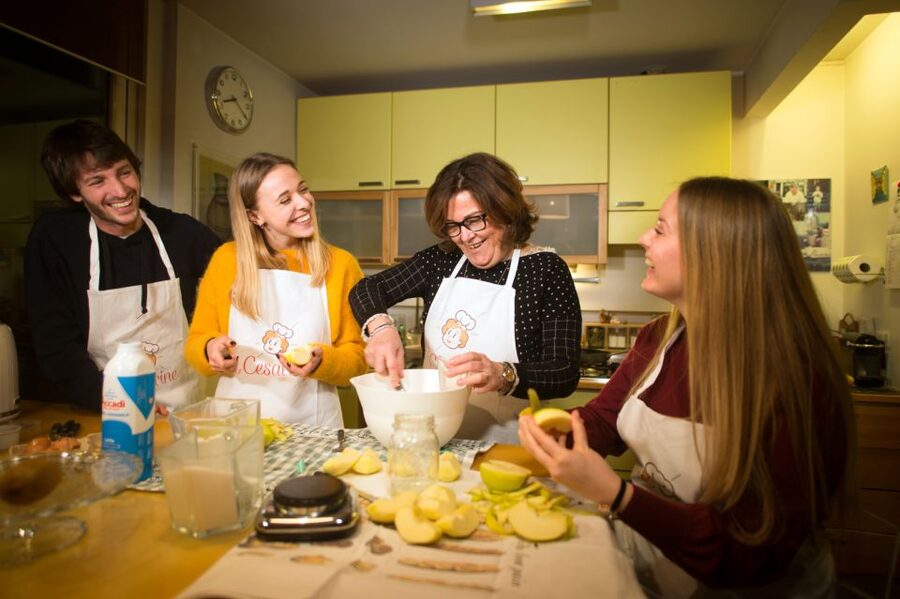
- Private, local-home setting in Ostuni with a Cesarina host welcoming you at their door
- Three-course cooking: starter, pasta, dessert, with a full tasting of everything you make
- Wine included with water and coffee, so the class ends like a proper meal
- Hands-on workstation: ingredients and utensils are provided, not a “watch and leave” format
- Cooks guide in English or Italian, and dietary needs can be handled when requested
- A small, personal experience that feels like you’re learning from family rather than a classroom
A Cesarina Host Kitchen in Ostuni
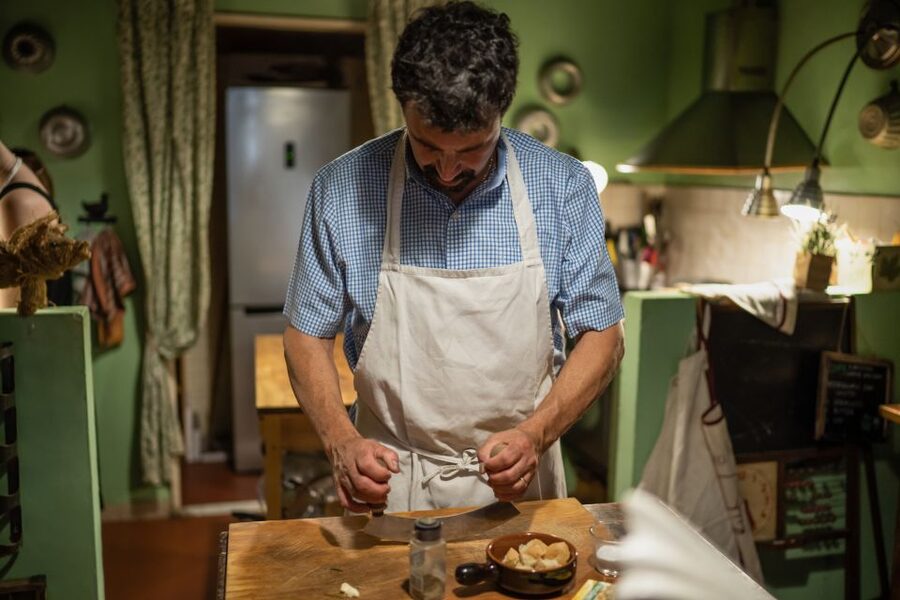
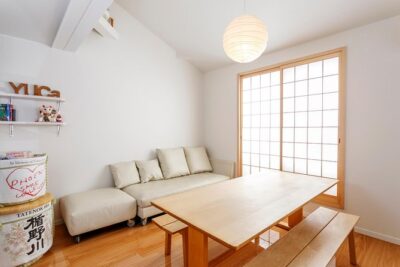
If you want your trip to Apulia to feel like a real day in someone’s life, this kind of class hits the sweet spot. It’s not a demo in a public space. You’re in a local family home in Ostuni, and the host meets you right there at the door.
This is the Cesarine experience: you’re guided by a certified home cook, and the goal is simple—learn regional recipes, then sit down and eat them with wine included. The fact that it’s a private group matters. You’re more likely to get practical coaching (timing, texture, seasoning) instead of being squeezed into a crowded schedule.
And here’s the thing I’d plan for: because it’s a private residence, you won’t have a generic address you can plug into your map app at first. After you book, you receive the full details by email, along with instructions so you can find your host’s home and ring the doorbell when you arrive.
You can also read our reviews of more tours and experiences in Ostuni.
Arriving at Your Host Home (and Why It Matters)
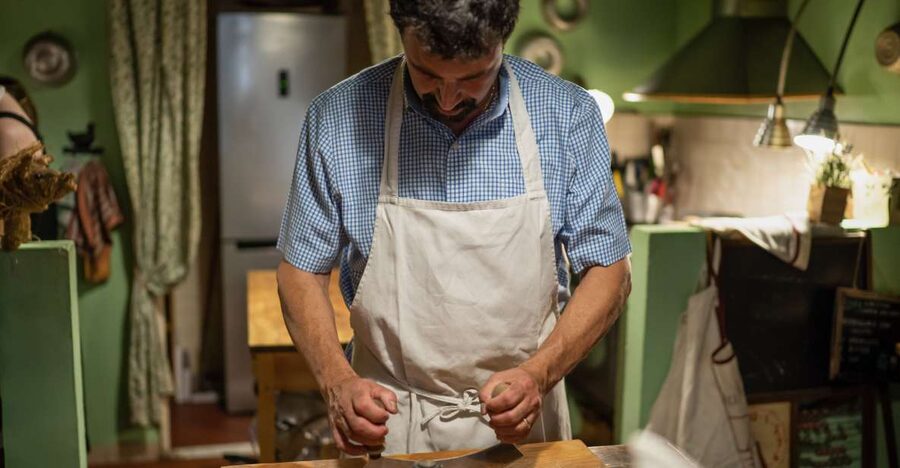
Meeting point details are part of the experience. Once you’ve booked, you get the exact address and the host contact information. When you arrive, you ring the doorbell, and your Cesarina host welcomes you for an authentic Italian food session.
That residential setup changes the vibe. You’re not waiting your turn in line with a group funneling in and out. You’re stepping into the rhythm of a household kitchen—where food is made, shared, and served at a table.
Practical tip: build a little extra buffer time for finding the home. Even if you’re good with navigation, residential streets can be a little confusing the first time—so you’ll feel much calmer if you don’t rush.
The 3-Hour Flow: Starter, Pasta, Dessert
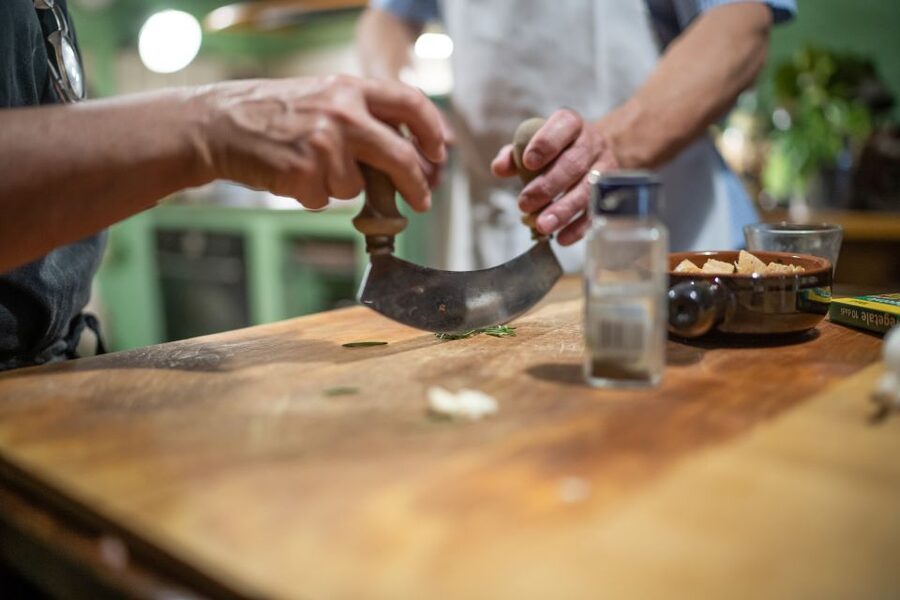
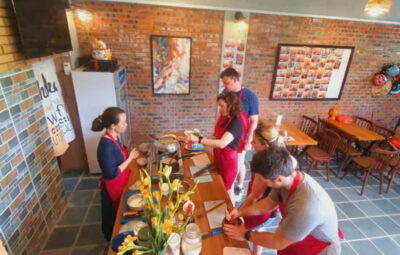
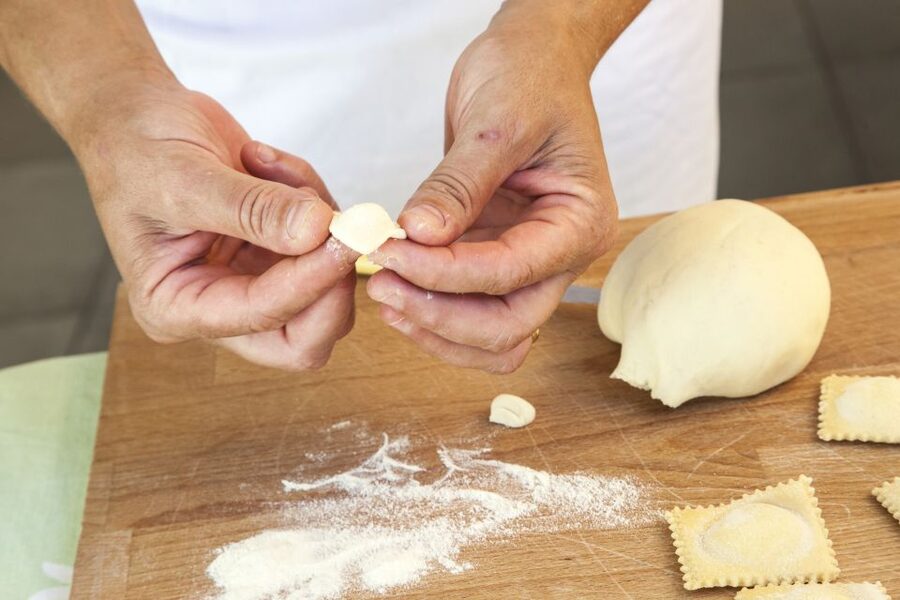
You’ll spend about three hours cooking with an instructor who speaks English and Italian, guided through three authentic local recipes. You’ll work at your own station with utensils and ingredients already provided, which keeps the class focused on what you actually need to learn: how things should look and feel as you cook them.
Starter: Set the tone
The first part is your starter course. This is usually where cooks teach the “foundation moves”—things like how to season, how to balance salt and acid, and how to handle ingredients in a way that tastes right in a regional context.
What I like about starting with a starter is that you build confidence quickly. You’re not thrown straight into pasta mastery without training wheels. You get to learn technique, then taste along the way as the meal starts coming together.
Pasta: The course most people remember
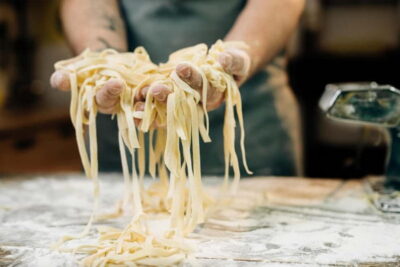
Then comes pasta, the highlight for many visitors because it’s where hands-on coaching really shows. One of the most praised parts of this experience is the pasta lesson itself—learning in a family setting, with care and patience, rather than speed-running steps.
Even without specific dish names listed, you can expect a real pasta-making or pasta-prep focus, taught by someone who cooks at home. That’s the difference. You’re learning what to do when something doesn’t look perfect—how to adjust and keep going.
Dessert: Finish strong
Finally, you make a dessert. This part is more than a sweet ending. It helps you understand how regional cooking ties into the full meal, not just the savory courses.
I like that dessert is included in the same session. It gives you a complete, take-it-home skill set: how to plan a sequence, how to time tasks so everything lands on the table, and how to wrap up with something typically Italian and local.
Why the Workstation Setup Feels Better Than Cooking Tours
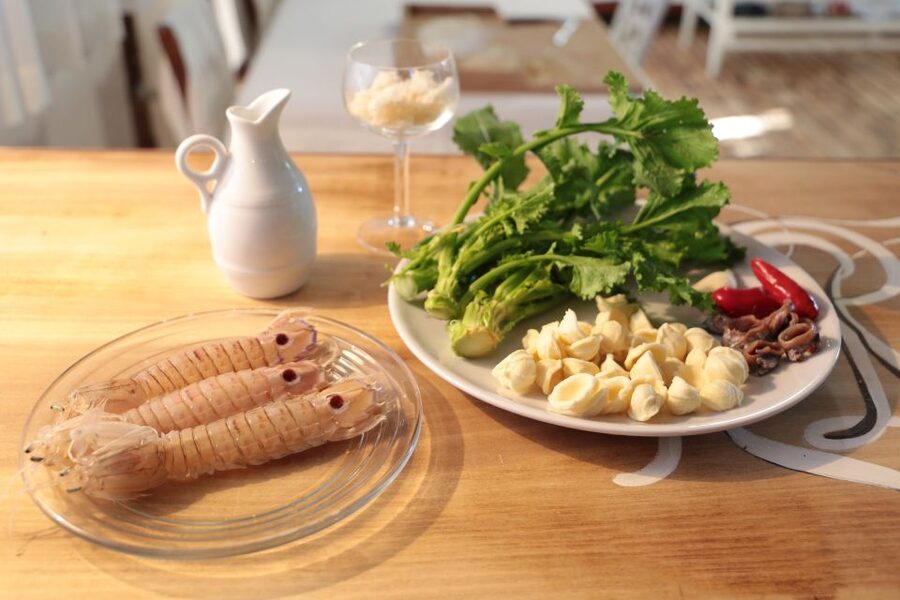
This class isn’t built around watching someone else do the work. You’ll cook at a workstation equipped with utensils and ingredients for the dishes. That matters for two reasons.
First, you can learn with your hands. Pasta technique, sauce timing, and dessert texture all depend on doing, not just listening. Second, it saves time and stress. You’re not hunting down ingredients mid-class, and you’re not stuck without the right tools.
If you’re the type who learns best by trying, this structure will feel rewarding fast. You’ll make mistakes, then correct them with real-time feedback. That’s usually where the “I can do this at home” confidence comes from.
Tasting What You Cook: Wine, Water, and Coffee at the Table
After you finish cooking, you sit down and taste everything you prepared. The food is served as a full meal—starter, pasta, and dessert—and it comes with drinks: a selection of local wines, plus water and coffee.
This is the part I’d plan the rest of your day around. Since you’ll be eating everything you make, you’ll want to avoid squeezing in another activity right afterward. Instead, let the meal be the payoff. It’s also a chance to ask the host questions while food is still fresh in your mind.
A practical note on the wine: you’ll be drinking during a cooking experience, so keep your pace easy. A few sips are part of the fun; a full “let’s test them all” attitude is rarely a good travel move.
The Local-Family Connection (What People Really Love)
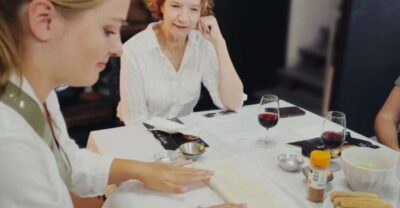
The most consistently praised element is the kindness of the family hosts and the sense that you’re treated like you belong at their table. Hosts are described as welcoming and warm, and the overall feeling is that you’re learning recipes with people who genuinely care.
That’s what makes this different from a standard cooking class where the instructor is a performer. Here, the recipes feel like something passed through the household—taught with patience, not just technique.
You also get a connection through the way the class is explained. Family cookbooks and the stories behind regional recipes add meaning. You’re not just memorizing steps. You’re understanding why a dish works the way it does.
Value: What $164.26 Gets You in Real Terms
At $164.26 per person for a three-hour private-group experience, the price is worth looking at in what’s included.
You’re getting:
- instruction in the kitchen (not just a tasting)
- hands-on cooking with utensils and ingredients provided
- three courses (starter, pasta, dessert)
- tasting of everything you make
- beverages including local wines, water, and coffee
In many cities, you could easily pay that kind of money for a nice restaurant dinner plus a paid class that doesn’t include drinks. Here, you’re paying for both the meal and the cooking skills. The “private” part also helps value, since it’s not a big group where your questions get lost.
If you want to walk away with real technique—especially around pasta—and not just an evening out, this is strong value for Ostuni.
Dietary Needs and Language: How Flexible Is It?
This experience can cater to dietary requirements when requested. If you have allergies or strong dietary preferences, flag them in advance so the host can plan appropriately.
Language is also practical. The instructor can work in English and Italian, which makes it easier for you to understand cues during cooking—like texture checks, timing windows, and how to season.
If you’re not confident with Italian cooking terms, don’t worry. The class is designed to teach you what to do, and the presence of an English option helps you stay engaged rather than translating in your head.
Who Should Book This Ostuni Cooking Class
This class is a great fit if you:
- want a hands-on activity that includes a full meal at the end
- care more about technique and food culture than checking a box of tourist sites
- enjoy smaller, personal experiences where the host can answer your questions
- are excited to learn pasta and bring home practical skills
It’s also a strong choice for couples or friends who want a “shared memory” activity with a friendly, home-kitchen feel.
If you need full wheelchair accessibility, this specific experience isn’t suitable. If that’s a concern, you’ll want to look for another option that explicitly lists accessibility.
Practical Tips for Getting the Most Out of Your Class
Here are a few ways to set yourself up for an easy, enjoyable experience:
- Arrive a few minutes early. With residential addresses, calm is your best navigation tool.
- Eat lightly beforehand. Since you’ll taste starter, pasta, and dessert with wine, you’ll enjoy it more if you’re not starting overly full.
- Ask about adjustments. If you’re unsure about seasoning, timing, or texture, ask the host. That’s where you learn to cook beyond the exact steps.
- Plan for a relaxed finish. You’ll end at the meeting point after the class, so build in buffer time for the evening.
And one more thing: if you’re the type who loves to replicate recipes, take notes during the class—especially on timing and texture cues. That’s the stuff that doesn’t always translate well from memory later.
Should You Book This Ostuni Cooking Class?
If you’re deciding between another tour bus option and something closer to a real day in Ostuni, I’d lean toward this one. The combination of hands-on cooking, a full tasting meal, and wine included makes the experience feel complete. The home-host warmth is a huge part of why people remember it—this isn’t cold, scripted hospitality.
Book it if you want to learn Italian cooking skills you can actually use at home, not just eat a pretty meal and move on. You’ll get three-course practice, guided by someone who cooks in their own kitchen, with the kind of friendly welcome that turns a class into a shared table moment.
FAQ
How long is the Ostuni cooking class?
The cooking class lasts 3 hours.
What will I cook during the class?
You’ll make three local dishes: a starter, pasta, and dessert.
Is food tasting included?
Yes. You taste all three dishes you prepare, served around the table.
Are drinks included?
Yes. The class includes water, local wines, and coffee.
Is this a private group experience?
Yes, it’s listed as a private group.
What languages are offered?
The instructor is available in English and Italian.
Can the host accommodate dietary requirements?
Yes. Dietary requirements can be catered to upon request.
Where is the meeting point?
The class is held in a local family home in Ostuni. For privacy reasons, you receive the exact address after booking.
How do I find the host when I arrive?
You’ll ring the doorbell at your host home. The full meeting details are sent to you after booking.
Is this experience wheelchair accessible?
No, it is not suitable for wheelchair users.