REVIEW · TOKYO
Okonomiyaki & Gyoza Cooking Class with Local Supermarket Visit
Book on Viator →Operated by YUCa's Japanese Cooking · Bookable on Viator
Make lunch in a Tokyo kitchen. This hands-on class with YUCa’s Japanese Cooking is built around two real favorites—okonomiyaki and gyoza—plus a short lecture on ingredients and Japanese food culture before you cook and taste.
What I like most is how practical it feels. You get to make both dishes yourself, and the lunch included means you leave satisfied, not hunting for food after class. I also really like the option to add a local supermarket stop, because it turns what you cooked into what you can buy back home.
One possible drawback: the whole experience is compact—about 2.5 hours total—so it’s not for you if you want a long, wandering food tour with multiple stops.
In This Review
- Quick hits before you go
- A Hands-On Lunch-Plus Cooking Class in Yuca’s Tokyo Kitchen
- What You’ll Make: Okonomiyaki and Gyoza, Both From Scratch
- Okonomiyaki: savory pancake comfort, Tokyo style
- Gyoza: dumplings with a crispy payoff
- The Day’s Flow: Lecture, Cooking & Tasting, Then Optional Shopping
- Before the stove: a short food culture and ingredient lecture
- Hands-on cooking and tasting
- Optional add-on: supermarket visit (about 12:30–13:00)
- Yuca as the Instructor: Small Group Coaching That Actually Helps
- Taxi Ride Included: A Small Convenience With Real Impact
- Supermarket Stop Payoff: Learn What to Buy, Not Just What to Cook
- Price and Value: What $121.89 Buys You in Tokyo Cooking
- Who Should Book This (and Who Might Skip It)
- Practical Tips So You Get the Most Out of Class
- Should You Book Okonomiyaki & Gyoza With Yuca and the Supermarket Stop?
- FAQ
- What dishes will I learn to cook?
- How long is the experience?
- Is lunch included?
- Is the supermarket tour included?
- How many people are in the class?
- Do I need to speak Japanese?
- Is transportation handled?
- What is the cancellation policy?
Quick hits before you go
- Small group (max 7): easier coaching and more time with the instructor.
- Hands-on okonomiyaki + gyoza: you cook, taste, and learn what makes each dish work.
- Lunch included: no guessing about where your meal is coming from.
- Short food culture lecture: quick background on ingredients and technique.
- Optional supermarket visit (after cooking): shop smarter for Japanese pantry basics.
- One-way taxi ride included: it removes one small annoyance from getting there and back.
A Hands-On Lunch-Plus Cooking Class in Yuca’s Tokyo Kitchen
If you’re already eating your way through Tokyo, this kind of experience is a smart switch: you’re not just consuming food. You’re making it, learning the logic behind it, and taking that know-how home.
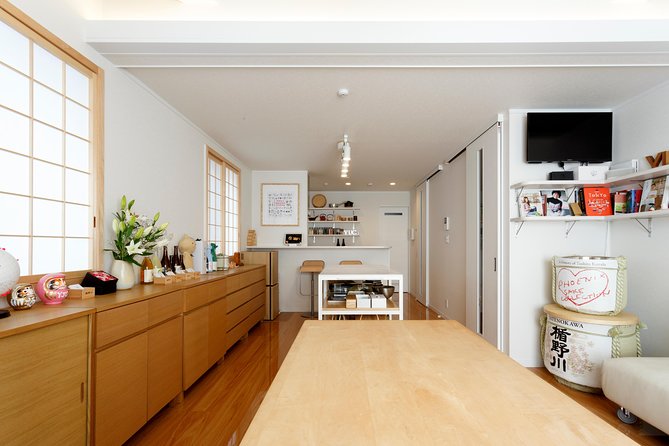
The class meets at YUCa’s Japanese Cooking in Arakawa City (Nishiogu). You’ll meet around 9:50–10:00, and the day is structured to keep things moving without feeling rushed. Also, it’s near public transportation, which matters in Tokyo where taxis can be pricey and trains are usually faster.
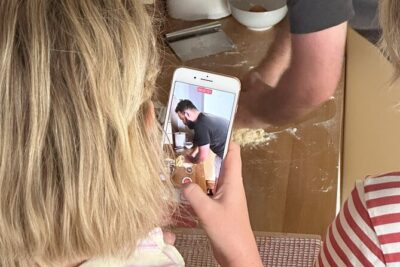
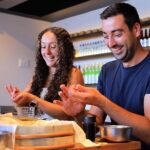
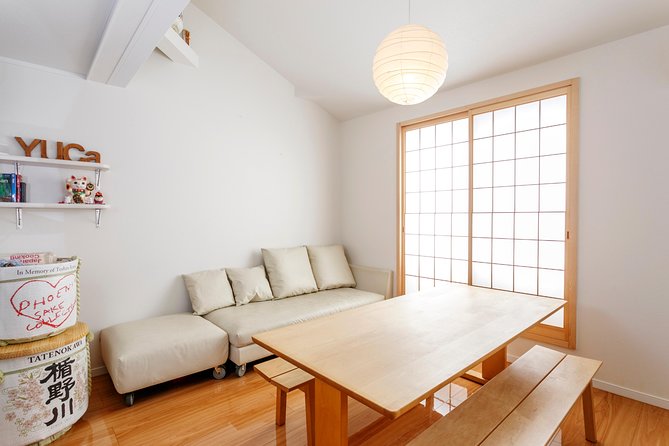
What really sets the tone is that this is taught in Yuca’s kitchen setting, not some giant commercial classroom. That makes the vibe more personal. In plain terms: it feels like you’re being taught by a local who actually cooks these dishes often.
Yuca also teaches in English and keeps instructions straightforward. That’s a big deal for non-Japanese speakers. You don’t need to guess what “looks right” means, because you’re guided step by step while you work.
You can also read our reviews of more tours and experiences in Tokyo.

What You’ll Make: Okonomiyaki and Gyoza, Both From Scratch
This class centers on two dishes that people talk about a lot—and for good reason. But the key isn’t the fame. The key is that you make them yourself.
Okonomiyaki: savory pancake comfort, Tokyo style
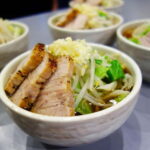
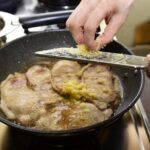
Okonomiyaki is a Japanese savory pancake loaded with vegetables, pork, and egg noodles. The interesting part is that it’s not just mixing and flipping. You’ll learn how the batter and fillings come together so the pancake cooks properly while staying tasty and satisfying.
You’ll also taste what you make. That matters because it gives you instant feedback. If something tastes off, you learn what to adjust next time—texture, thickness, or how ingredients are balanced.
Gyoza: dumplings with a crispy payoff
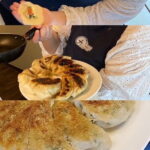
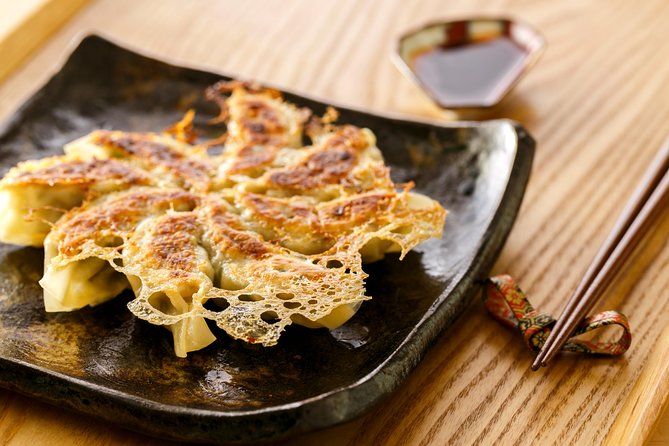
Gyoza are minced pork-and-vegetable dumplings, pan-cooked to get that mix of crisp and tender. This is the part where the hands-on skill shows fast.
You’ll work with the filling and then assemble the dumplings. The payoff is eating them warm and fresh right after cooking. And if you’ve ever been tempted by gyoza at a restaurant, this class helps you understand what makes a good one feel different: how tightly it’s filled, how it’s shaped, and what pan cooking does for flavor.
If you’re traveling with kids, gyoza is especially friendly because kids can participate in a hands-on way. The class is set up for families too, and Yuca’s teaching style is built to be understandable for different ages.
The Day’s Flow: Lecture, Cooking & Tasting, Then Optional Shopping
Here’s how the timing usually works, and why it’s a good setup.

Before the stove: a short food culture and ingredient lecture
From about 10:15–10:30, you’ll get a lecture about Japanese food culture and ingredients. This isn’t a long academic session. It’s a practical warm-up so ingredients make sense before you start mixing and cooking.
For you, that means you can focus on technique instead of learning everything from scratch at the cutting board. For example, understanding how Japanese cooking treats ingredients—like what matters in vegetables or how seasonings behave—helps the dishes come out right.
Hands-on cooking and tasting
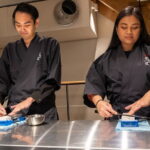
Then it’s into the cooking window, about 10:30–12:30. This is when you’ll prepare both okonomiyaki and gyoza. Expect active participation rather than watching from the sidelines.
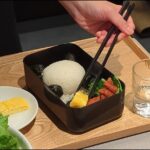
By the time tasting rolls around, you should feel confident that you did the work, not just supervised it. And because lunch is included, you won’t have that classic travel feeling of needing one more meal afterward.
Optional add-on: supermarket visit (about 12:30–13:00)
After cooking, there’s an optional supermarket tour from about 12:30–13:00. This is not a huge shopping spree. It’s a guided look at ingredients, focused on what you cooked and what you might want to recreate later.
This is one of the best values of the class because it answers the question most people don’t ask until later: Where do I find the ingredients? During the supermarket stop, you’re essentially building your own Japanese pantry map.
If you’re short on time, you can skip this add-on and still get a complete, satisfying cooking experience. The main value is the class itself.
Yuca as the Instructor: Small Group Coaching That Actually Helps
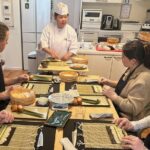
Group size is one of those travel details that quietly changes everything. Here the class is limited to a maximum of 7 travelers. That means you’re not swallowed by the group.
With a small class, Yuca can correct what’s happening in front of you. That’s how you learn faster: not by remembering a recipe later, but by getting feedback while your food is in progress.
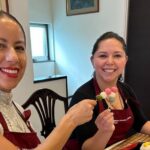
Yuca is also described as warm, friendly, and organized, with English that makes it easier to follow along. I love instruction like that. It reduces stress. You spend more time cooking and less time worrying you’re missing a step.
It also helps that the class setting is described as being in a residential neighborhood and in Yuca’s home. I’m not saying it’s a gimmick—just that it changes the feel. You’re not in a storefront. You’re in a lived-in cooking space, which makes the whole day feel more authentic and grounded.
Taxi Ride Included: A Small Convenience With Real Impact
Tokyo can be amazing, but navigating it with bags and timing isn’t always effortless. This class includes a one-way taxi ride perk, which is a quiet convenience you’ll feel during the day.
Why it matters: it reduces the friction between the main activity and getting there. That’s especially useful if you’re pairing this experience with other plans nearby or if you’re traveling in a group where coordinating train transfers can slow everyone down.
Also, because the activity ends back at the meeting point, the taxi help fits into a simple flow rather than creating more planning work.
Supermarket Stop Payoff: Learn What to Buy, Not Just What to Cook
The optional supermarket visit is short, but it can change how you cook after your trip.
Here’s what you’re really gaining:
- Ingredient names and formats: things in Japan can be packaged differently than what you expect.
- What’s essential vs. optional: you’ll see what the dish depends on.
- How to shop like a beginner: not knowing Japanese labels is common—this helps you get your footing.
Even if you don’t plan to recreate okonomiyaki and gyoza immediately, this kind of shopping lesson makes future dining more fun. You start noticing ingredients and thinking, Oh, that’s what that part does.
Price and Value: What $121.89 Buys You in Tokyo Cooking
Let’s talk straight about cost. At $121.89 per person, this class isn’t a budget “activity.” You’re paying for three things that add real value: instruction, ingredients/lunch, and a one-way taxi perk.
In practical terms, you’re getting:
- A structured two-dish cooking class
- A food culture lecture
- Lunch included so you’re not paying extra for the meal
- A limited group size (max 7)
- An added optional supermarket tour
- A one-way taxi ride included
When I judge value in Tokyo, I ask whether I’m leaving with useful skills, not just a photo. This one leaves you with both: you learn how two dishes are made and you get guidance on ingredients so you can repeat the experience later.
The fact that many people book this around 47 days in advance also tells you it’s popular. That doesn’t automatically mean it’s perfect, but it does mean you should plan ahead if your dates are tight.
Who Should Book This (and Who Might Skip It)
This experience fits best if you:
- Love food and want hands-on skills, not just restaurant meals.
- Prefer a smaller class with more coaching.
- Want a satisfying lunch that’s included in the price.
- Like the idea of an optional ingredient-focused supermarket stop.
It’s also a great family choice. The class has been enjoyed with kids participating, including younger travelers who can jump into hands-on tasks.
You might skip it if:
- You want a long, multi-stop sightseeing-style food tour.
- You only want street food sampling (this is more about cooking than wandering).
- You’re expecting a full day program. This one is compact by design.
Practical Tips So You Get the Most Out of Class
A few things I’d do if it were my first time:
- Arrive on time for the meeting window (9:50–10:00). Cooking starts when you’re gathered.
- Use the supermarket add-on wisely. If you care about recreating dishes later, don’t skip it.
- Take notes while you cook. Not recipes word-for-word—just texture and timing cues.
- Treat the tasting as feedback. If something tastes slightly different, ask what changed and how to adjust.
Also, once you’re back home, it can help to follow Yuca’s other cooking resources. There’s mention of her YouTube channel and food blog (YUCa’s Japanese Cooking), which can be a useful way to keep the dishes fresh in your memory.
Should You Book Okonomiyaki & Gyoza With Yuca and the Supermarket Stop?
If you want a real cooking experience in Tokyo—with two dishes, lunch included, and a small-group setup—this is an easy yes. The included taxi perk and optional supermarket tour make it feel complete without turning into an exhausting day.
I’d book it if your goal is to leave Tokyo with skills you can actually use at home. And I’d especially lean toward it if you like the idea of learning ingredients, not just cooking steps.
One last thought: because it’s only about 2.5 hours, it’s a strong add-on to a Tokyo itinerary that already covers big sights. It won’t replace your sightseeing day—it’ll make your food day smarter.
FAQ
What dishes will I learn to cook?
You’ll learn how to make okonomiyaki and gyoza.
How long is the experience?
It’s about 2 hours 30 minutes.
Is lunch included?
Yes. A delicious lunch is included, and the class is designed so you won’t leave hungry.
Is the supermarket tour included?
The supermarket tour is optional and usually runs after the cooking and tasting.
How many people are in the class?
The group is limited to a maximum of 7 travelers.
Do I need to speak Japanese?
The class is taught in English, and the instruction style is designed to be easy to follow.
Is transportation handled?
There’s a one-way taxi ride included, and the activity is near public transportation. The activity ends back at the meeting point.
What is the cancellation policy?
You can cancel for a full refund up to 24 hours before the experience’s start time. If you cancel less than 24 hours before, the paid amount is not refunded.