REVIEW · TOKYO
Small Group Sushi roll and Tempura Cooking Class in Nakano
Book on Viator →Operated by Calmo Cooking Class in Tokyo Japan · Bookable on Viator
Sushi taught in a Tokyo home kitchen. This Nakano class is interesting because you learn with a real home-kitchen setup while making sushi rolls and tempura from scratch. You’ll get local ingredient know-how and hands-on help, not just a quick plate of food and a nod.
I love the focus on technique: sushi rice tips (including dashi basics), rolling methods with nori, and then the step-by-step tempura frying. I also like that you’ll leave with recipes so you can recreate what you made back home.
One thing to consider: at $160 for about 2.5 hours, it’s a cooking experience, not a budget meal. If you only want a small taste and zero mess, this may feel more work than you hoped.
In This Review
- Key Things I’d Bet You’ll Remember
- Nakano Sushi and Tempura in a Real Tokyo Home
- Getting There: Asagaya Station Meeting Point and Mobile Ticket
- The Big Picture: You’ll Cook 3 Sushi Rolls Plus Tempura
- Sushi Rice Basics and Nori Rolling Tips That Actually Matter
- Rolling 3 Sushi Types: Choosing Fillings and Learning the Rhythm
- Tempura: Picking Seafood and Vegetables and Frying for Crisp Results
- Japanese-Style Table Time: Itadakimasu and Taking Recipes Home
- Price and Value: How $160 Fits a Small-Group Skill Class
- What It’s Like With the Host: Clear Communication and a Welcoming Home
- Who Should Book This Sushi and Tempura Class
- Should You Book? My Decision Guide
- FAQ
- How long is the sushi roll and tempura cooking class?
- Where do we meet for the class?
- Is the class held in someone’s home?
- What will I cook during the class?
- Can I choose ingredients for sushi and tempura?
- Are dietary restrictions accommodated?
- What is the cancellation policy?
Key Things I’d Bet You’ll Remember
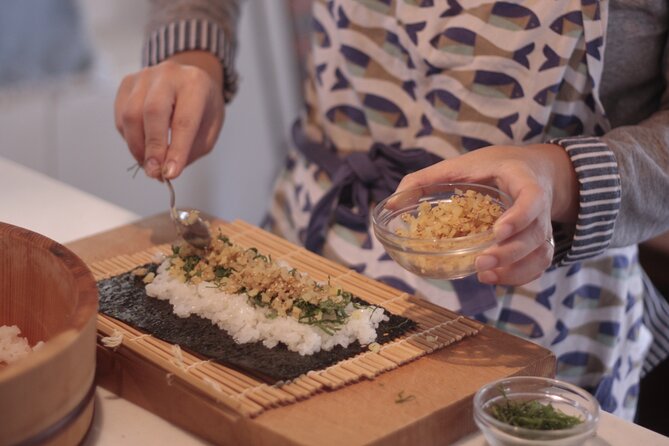
- Small-group, home-based teaching in Nakano so the class feels personal instead of factory-style
- Sushi rice fundamentals with practical tips you can actually repeat later
- Rolling practice for 3 sushi roll types, plus help with neat cutting
- Choose your own fillings for sushi and tempura (with support from the instructor)
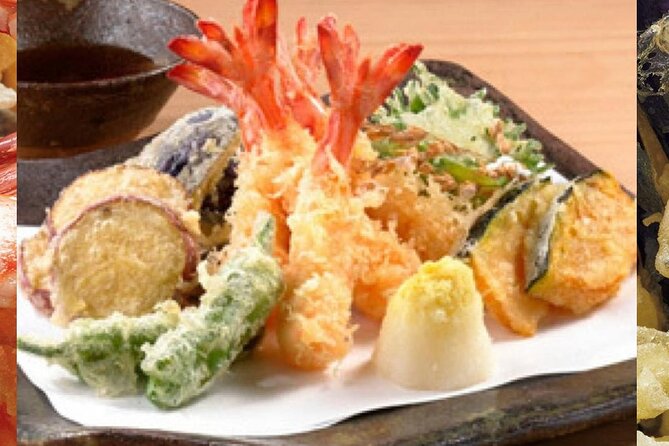
- Real tempura made by you, aiming for fluffy inside and crispy outside
- Dietary adjustments are possible for sushi rolls and tempura
Nakano Sushi and Tempura in a Real Tokyo Home
This class is held in the host’s home in the Nakano area, and that changes the whole vibe. You’re not working around shiny demo counters or watching from the sidelines—you’re right there learning the motions that make sushi rice and tempura come out right.
It also helps you understand how Japanese home cooking actually works: set up the table, use the right ingredients, and treat the meal as something you make and share. In the small-group format, you get more direct guidance than you would in a larger tour setting, and that matters when you’re learning rice handling and frying.
Another smart part: you’re not only eating your way through Japanese food. You’re building the skills to make sushi rolls and tempura at home, including the basics that restaurants usually assume you already know.
You can also read our reviews of more tours and experiences in Tokyo.


Getting There: Asagaya Station Meeting Point and Mobile Ticket
You’ll meet at NewDaysJapan at Asagayakita, Suginami City, Tokyo. The meeting point is near JR 阿佐ヶ谷駅 (Asagaya Station) and it specifies a 2F, outside the ticket gates concourse location, which is the kind of detail that saves time when you’re in a new neighborhood.
You’ll use a mobile ticket, so you don’t need to hunt for printed vouchers. The class is scheduled to end back at the meeting point, which is convenient if you want an easy plan after cooking.
The experience also notes it’s near public transportation. Translation: you’re not being sent to a remote area where you’ll burn half your trip on transit.
The Big Picture: You’ll Cook 3 Sushi Rolls Plus Tempura
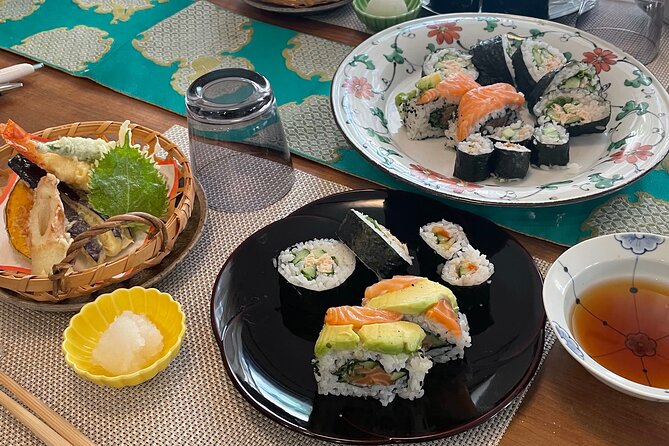
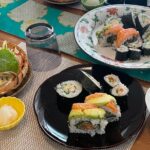
This is a hands-on class focused on two of Japan’s most famous comfort foods: sushi rolls and tempura. The sushi portion includes making 3 different types of sushi rolls, and the tempura portion includes deep-fried seafood and vegetables.
What makes this more valuable than simply watching a demonstration is that you do the work. The class starts with explanations about key ingredients like rice, dashi, and nori (seaweed sheet), and then you practice under support until you can roll and cut neatly.
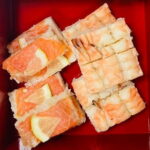
Tempura is similarly hands-on. You’ll cook tempura yourself, aiming for that fluffy interior with a crisp finish. And the ingredient selection isn’t fixed—you can choose what you want to fry, with guidance from your host.
Sushi Rice Basics and Nori Rolling Tips That Actually Matter
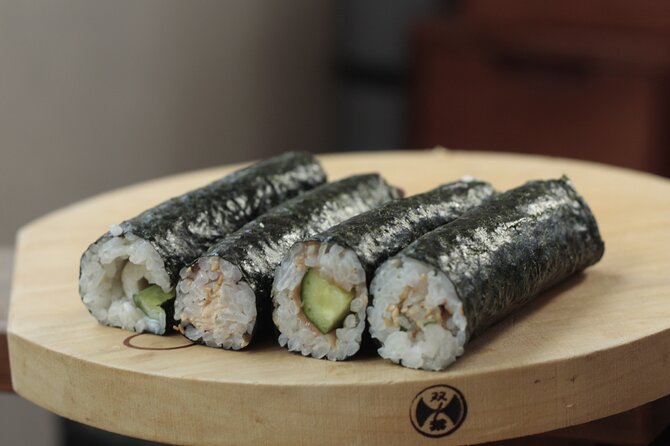
Sushi rice is where most people get stuck at home, so I like that the class starts there. You’ll get tips on making the sushi rice tasty—covering what you need to know so the rice doesn’t end up bland, too sticky, or oddly textured.
From there, you’ll learn how to work with nori and handle the rice and fillings so the roll holds together. This isn’t just about getting food into your mouth; it’s about learning the sequence that prevents messy rolls.
You’ll also learn how to cut sushi beautifully. That’s one of those skills that feels small, but it’s a big difference between sushi that looks homemade and sushi that looks like it belongs on a platter.
Rolling 3 Sushi Types: Choosing Fillings and Learning the Rhythm
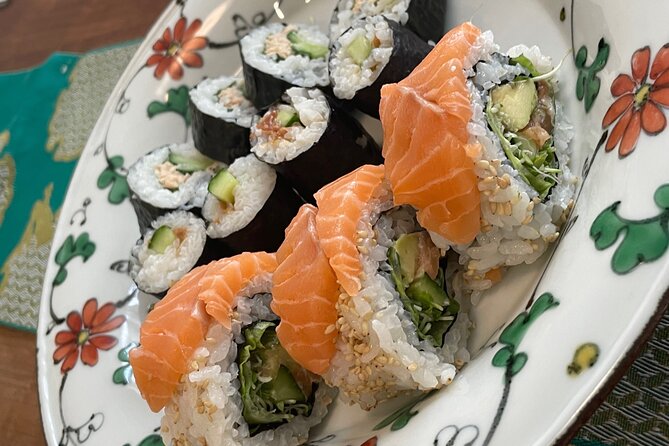
One of my favorite parts of this kind of class is the choice element. You’ll get to choose what goes into your sushi rolls, and that makes the work feel fun instead of scripted.
You’ll roll the sushi yourself with support, which is the real teaching moment. Rolling is a skill with a learning curve—you need the right amount of pressure and distribution, and your host can correct your technique before you repeat mistakes.
Because you’ll make three roll types, you get variety without getting overwhelmed by too many new skills at once. The class also includes help on rolling them neatly, plus guidance on what to do if your roll feels too loose or too tight.
If you’re the type who loves food that looks good, the cutting practice adds a nice finishing touch. Even when flavors are great, a good cut makes the whole thing feel intentional.
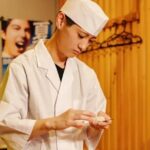
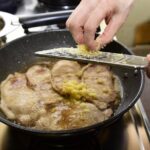
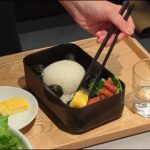

Tempura: Picking Seafood and Vegetables and Frying for Crisp Results
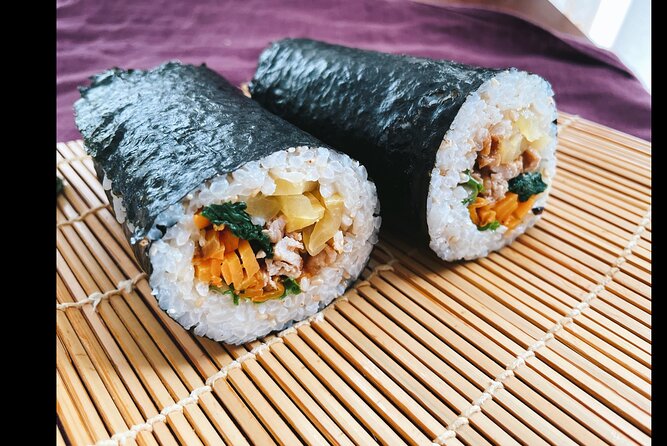
Tempura sounds simple until you try it. This class makes it practical: you’ll learn how to make tempura and you’ll fry it yourself.
You can choose what you want to use for tempura—seafood and vegetables—so you can match it to your tastes. Deep-fried tempura can be heavy if you pick the wrong combination, so having choice is a real advantage.
The instructor supports you while you cook, which is key because tempura is all about details like batter behavior and frying success. The class description specifically frames the goal as fluffy & crispy tempura, and that’s exactly what you’ll be working toward.
Since tempura is so universally loved, this section often becomes the easiest win for home cooks. Once you understand the process, you’ll likely find yourself repeating it after the class instead of letting the skill disappear.
Japanese-Style Table Time: Itadakimasu and Taking Recipes Home
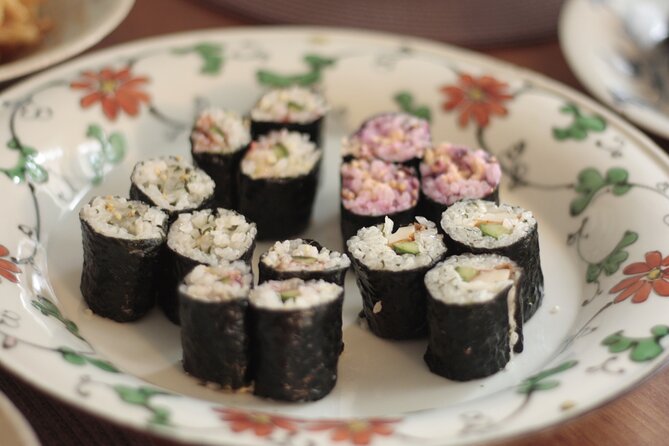
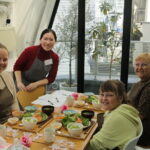
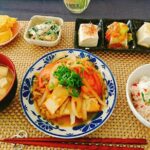
You’ll set the table in a Japanese style way and say Itadakimasu, then enjoy what you cooked. That might sound like a small ritual, but it’s part of what makes the experience feel like a genuine local meal instead of a cooking demo.
The payoff isn’t only the food right now. The class also notes you’ll leave with recipes to make at home. Recipes are what turn a memorable trip into a reusable skill set, especially for sushi rice and tempura—two things that are easy to get slightly wrong without a guide.
Also, since you’re making both sushi rolls and tempura, you’ll get to compare the structure of Japanese home cooking. Sushi is about shaping and assembly. Tempura is about frying technique and texture. Learning both gives you more than one tool for your future cooking.
Price and Value: How $160 Fits a Small-Group Skill Class
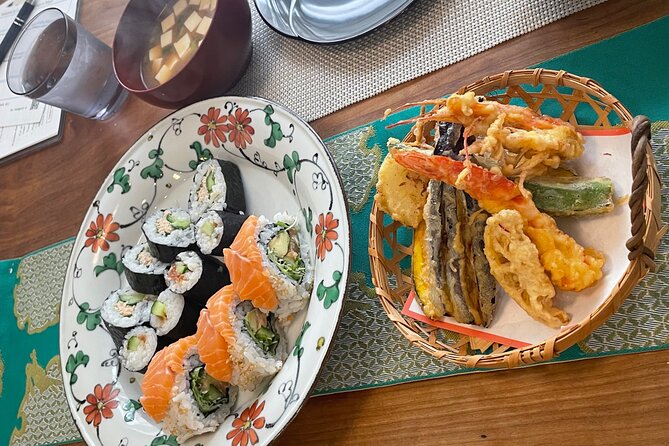
$160 for about 2 hours 30 minutes is not a cheap add-on, and that’s fair to say up front. But it can be good value if you treat it like a skill lesson, not a meal.
Here’s what you’re paying for, based on what’s included:
- A small-group experience with personalized guidance in a host’s home
- Hands-on cooking of sushi rolls (3 types) and tempura you fry yourself
- Ingredient education (rice, dashi, nori) so the food isn’t just mystery flavor
- Recipes to take home, which is the difference between trying once and improving
If you’re the kind of person who likes cooking and wants better results than restaurant copycats, the value makes more sense. You’re essentially buying instruction for two Japanese classics in one sitting.
If you just want a quick snack, you can almost certainly do that cheaper elsewhere. But if you want to return home able to make sushi rolls and tempura that look and taste like you meant it, this price starts to feel reasonable.
What It’s Like With the Host: Clear Communication and a Welcoming Home
One of the best signs for this class is how it’s described as being hosted at home with direct support. In particular, the host named Eri has strong feedback for communication before the class—specifically with directions to meet at the station—and she’s described as being on time.
That matters more than you’d think. When you’re in Tokyo and trying to meet someone in a neighborhood area, clear instructions cut stress fast. A host who starts on schedule also keeps the cooking moving, which affects outcomes with rice and frying.
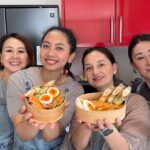
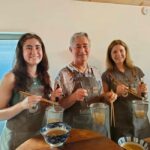
You’ll also get a feeling of being welcomed into someone’s home, not just ushered through a process. That friendly tone can make a class feel less intimidating, especially if sushi rolling is new to you.
Who Should Book This Sushi and Tempura Class
This works best for you if:
- You want hands-on instruction for sushi rolls and tempura, not just food tasting
- You like learning what ingredients do (like dashi and nori) and why the steps matter
- You want to bring home recipes you can use again
- You’re traveling with a small group and prefer a more personal setting
It’s also a good fit if you have dietary restrictions, because the class notes adjustments can be made for vegetarian or other needs for both sushi rolls and tempura.
Consider skipping if you want a fully hands-off experience. This class is built around cooking, rolling, frying, and eating what you make. If that sounds fun, you’re in the right place.
Should You Book? My Decision Guide
Book it if you:
- Like practical cooking classes where you leave with repeatable results
- Want Nakano Tokyo with a local home setting, not a commercial kitchen feel
- Enjoy sushi and tempura enough that you’d actually cook them again at home
Skip it if you’re:
- On a tight budget and mainly want a food experience rather than instruction
- Not interested in rolling sushi or frying tempura yourself
If you meet the first list, this class has a strong mix of technique, choice, and a meal that feels like it belongs to Japanese home life.
FAQ
How long is the sushi roll and tempura cooking class?
It’s about 2 hours 30 minutes.
Where do we meet for the class?
The meeting point is NewDaysJapan at 166-0004 Tokyo, Suginami City, Asagayakita, 3-chōme, 南3361, near JR Asagaya Station, 2F outside the ticket gates concourse.
Is the class held in someone’s home?
Yes. The class is held in the host’s home.
What will I cook during the class?
You’ll learn to make 3 kinds of sushi rolls and make tempura, including deep-fried seafood and vegetable options.
Can I choose ingredients for sushi and tempura?
Yes. You can choose what to use for both the sushi rolls and the tempura, with support from the instructor.
Are dietary restrictions accommodated?
The class notes adjustments can be made for vegetarian or other dietary restrictions for both sushi rolls and tempura.
What is the cancellation policy?
Free cancellation is allowed up to 24 hours in advance for a full refund. If you cancel within 24 hours of the experience start time, the amount paid is not refunded. Cut-off times are based on local time.