REVIEW · TOKYO
Giant Sushi Cooking Class: Make a 1.5m Sushi Roll in Tokyo
Book on Viator →Operated by Japanese Cooking Home ~Wagaya~ · Bookable on Viator
Tokyo has a sushi you can’t ignore, because you’ll roll a 1.5m maki from scratch with local-style guidance in Meguro. I also like that it ends with serving your creation on hand-painted plates made by local artists. The one catch: it’s a long day, about 12 hours, so go in with patience.
This is the kind of Tokyo food activity that’s simple to understand and fun to do. You’ll handle the basics the right way—fish, avocado, nori, and sushi rice—then learn how to roll it with the right pressure, cut it, and plate it. The class keeps things small, with a maximum of 12 travelers, and you’ll get a mobile ticket rather than a paper scramble.
In This Review
- Key highlights you’ll feel right away
- Getting to Wagaya in Meguro: calm start, easy arrival
- What you make: a 1.5m sushi maki, not a snack-size roll
- The class flow: fillings, nori, sushi rice, then the big roll
- Step 1: prepare the core components
- Step 2: lay out and assemble with a group
- Step 3: roll it with the right pressure
- Step 4: cut, serve, and enjoy
- The sushi rice lesson: why “unique” matters for your next meal
- Nori and fillings: how the setup changes the whole result
- Rolling pressure and cutting: the skills you’ll actually reuse
- The cafe vibe: snacks, social games, and an easy start
- Dishware and the onsite shop: a souvenir that makes sense
- Price and value: is $50 a good deal for this?
- Who this is best for (and who should skip it)
- Should you book the giant sushi class in Meguro?
- FAQ
- Where is the meeting point for the Giant Sushi Cooking Class?
- How much does the class cost?
- How long is the experience?
- What will I make during the class?
- What ingredients and sushi components are you taught to prepare?
- How big is the class group?
- Is it near public transportation?
- Do I get a mobile ticket?
- What is the cancellation policy?
- When do I receive confirmation after booking?
Key highlights you’ll feel right away
- A giant 1.5 meter sushi log you actually build, roll, cut, and serve
- Hands-on from rice to rolling pressure, not just watching and eating
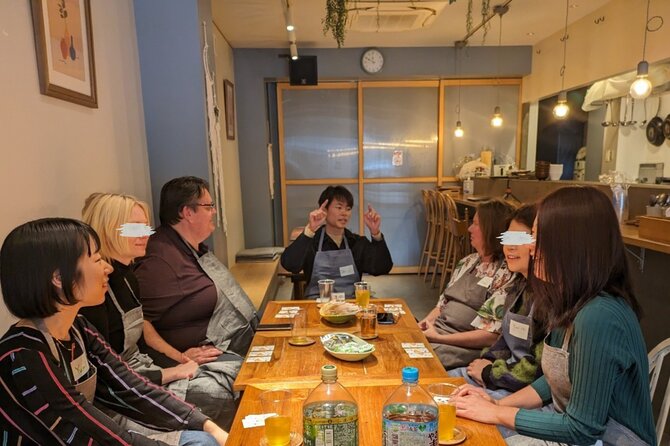
- Meguro location near public transport, with a calm cafe vibe
- Hand-painted Japanese dishware you can buy at the onsite shop
- Small group size (max 12) for better attention and flow
Getting to Wagaya in Meguro: calm start, easy arrival
This class runs from a spot in Meguro (2 Chome-3 Senzoku), and it’s set up in a cafe-style space. One useful detail for planning: it’s near public transportation, and a review notes it’s about a 10-minute walk from the station. That matters because sushi classes can get stressful when you’re trying to arrive hungry and rushed.
The meeting point loops back to the same location at the end, so you’re not hopping across town after you’ve made your roll. For a day-long activity, that kind of “stay put and enjoy it” planning is a win.
If you like food experiences that feel grounded rather than performative, Meguro helps. It’s a neighborhood you can explore on foot before or after, and your class won’t feel like a factory line. You’ll likely share the space with other small groups, but with a max of 12 people, it won’t turn into a crowded scene.
You can also read our reviews of more tours and experiences in Tokyo.

What you make: a 1.5m sushi maki, not a snack-size roll
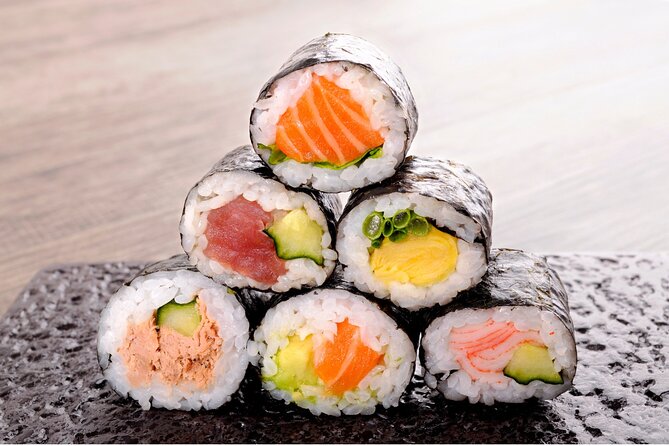
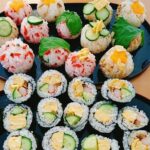
The whole point here is scale. Sushi is usually bite-sized, but this class asks you to make a massive maki roll—about 1.5 meters long. You’ll learn the techniques to assemble it from scratch, then you’ll roll, cut, and serve it like a pro.
That size changes everything. Instead of rolling a compact cylinder, you’re building a long log where your rice distribution, nori placement, and pressure all matter together. It’s also just more satisfying. You can’t hide a messy roll on something this long—you learn fast, adjust, and end up with a finished piece that looks impressive even before you taste it.
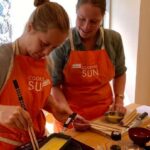
You’ll use everyday kitchen utensils and equipment, which keeps it realistic. This isn’t about mastering some futuristic gadget. It’s about learning the core moves you can repeat later.
The class flow: fillings, nori, sushi rice, then the big roll
Here’s the rhythm of the experience, in plain terms.
Step 1: prepare the core components
You start with the building blocks:
- Fish and avocado fillings
- Nori (seaweed)
- Sushi rice, including what makes it unique
You’re not just given ingredients and told to assemble. Your hosts explain what’s going on and why each piece matters. That’s important because sushi rice isn’t like regular rice. You’re learning how its special qualities show up in the final roll.
You’ll also add sesame seeds as part of the setup. That’s a small detail, but it signals you’re doing more than assembling a “sandwich wrap.” You’re doing sushi the way it’s meant to look and taste.
Step 2: lay out and assemble with a group
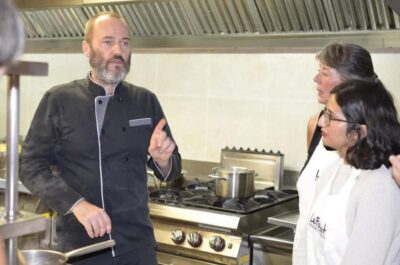
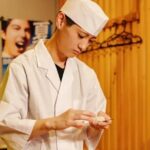
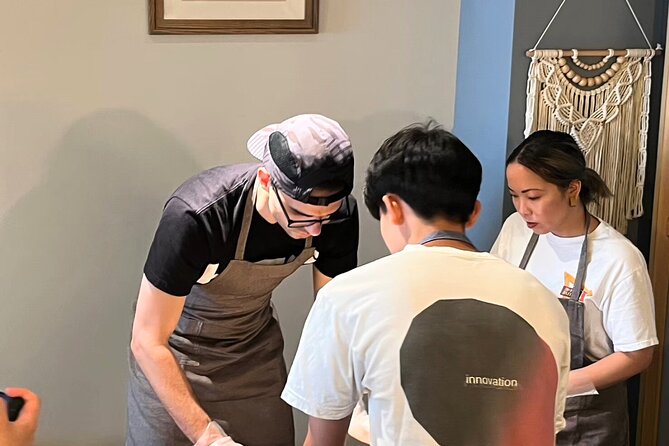
With the chef and other participants, you’ll lay out your nori sheets, then carefully place your rice and fillings. This is one of those “looks easy until you try it” steps. The nori has to sit right, the rice has to be spread evenly, and the fillings need to go in without breaking the roll shape.
If you’ve ever struggled with sushi at home, you’ll probably appreciate that this teaches assembly in a controlled way. A big roll forces discipline, and you learn where common mistakes happen: uneven rice thickness, filling overload, or misalignment.

Step 3: roll it with the right pressure
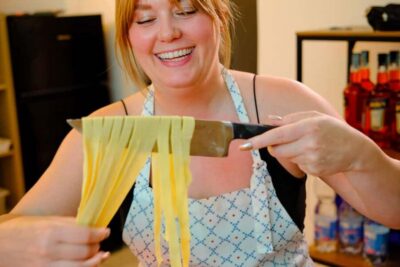
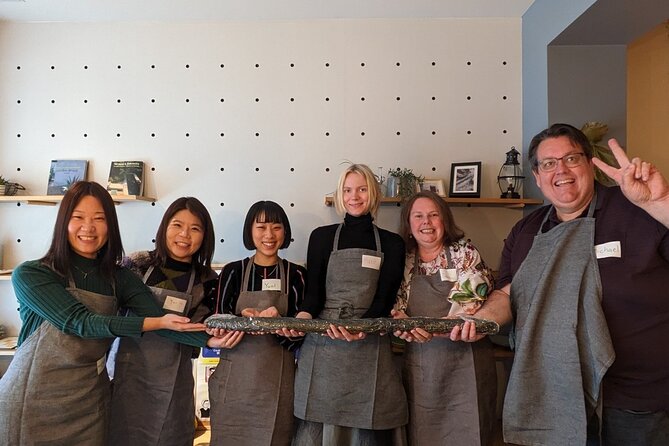
Then comes the star moment: you roll the 1.5m creation into the iconic log shape. The hosts teach the right amount of pressure, which is crucial. Too light and the roll won’t hold together. Too firm and you can squash the texture.
This is hands-on learning at its best. You watch the technique once, try it, and quickly understand what “right pressure” means in real life, not in theory.
Step 4: cut, serve, and enjoy
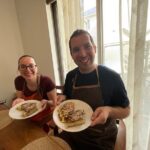
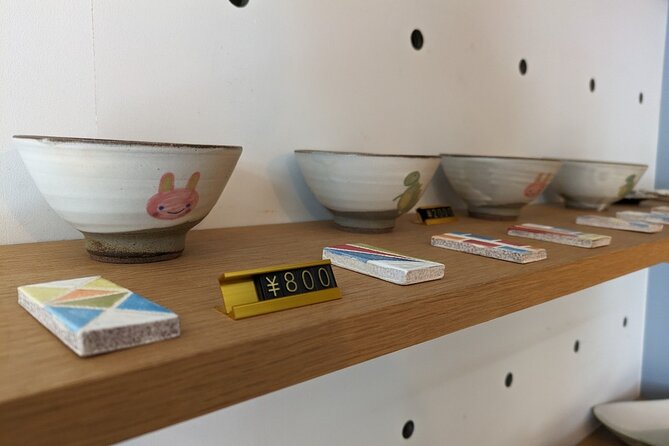
When the roll is ready, it gets cut and served. Your presentation isn’t stuck on plain disposable plates. The class uses beautiful Japanese dishware that’s crafted and painted by hand. Each plate is described as a unique piece designed by local artists, and they’re available to purchase at the onsite shop at the end of class.
That’s a smart touch for people who care about food aesthetics. You’re not only making sushi; you’re getting an experience that ends like a meal, with nice serving ware that feels special.
The sushi rice lesson: why “unique” matters for your next meal
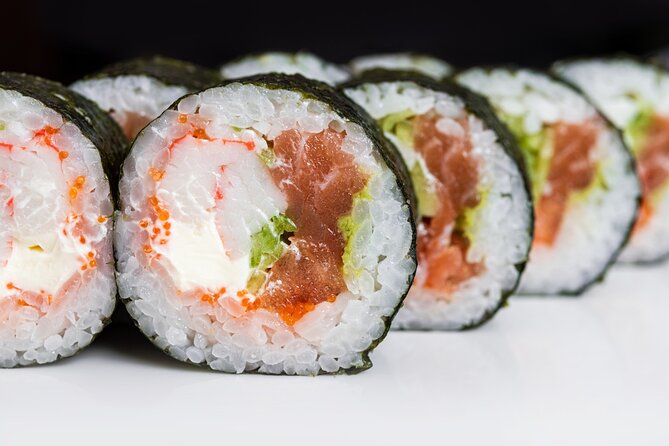
You’ll be taught what makes sushi rice unique, and it’s one of the most valuable parts of the class. Even if you never plan to make a 1.5m roll again, sushi rice is where most home attempts stumble.
In this class, that topic is front and center. You’re not left guessing how rice should be handled or what to prioritize. You’ll learn what your hosts consider important so your rice behaves correctly inside the roll and tastes right when you eat it.
Practical takeaway for you: if you want to recreate sushi later, the rice is where you should focus first. Everything else is adjust-and-tune. Rice is the foundation.
Nori and fillings: how the setup changes the whole result
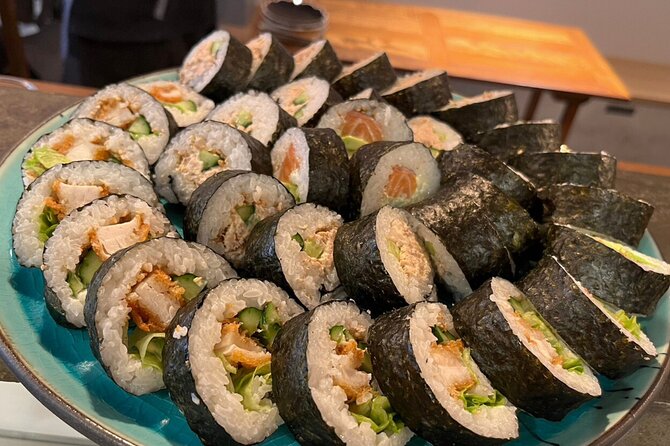
Nori can be one of the trickiest parts of sushi making at home. Too wet, too dry, or placed incorrectly, and the texture falls flat. In this class, you learn the basics of working with nori sheets as part of the assembly process, not as an afterthought.
Fish and avocado fillings also matter, but less in the “hard technique” sense and more in the “balance” sense. You’ll prepare both and then assemble them into the roll with the group. That gives you a clearer sense of how much filling you need and how to keep the roll shape intact.
And yes, there’s sesame seeds in the process. That’s the kind of detail that makes the finished roll feel intentional and complete, not like you improvised a wrap.
Rolling pressure and cutting: the skills you’ll actually reuse
I love that the class doesn’t stop at assembly. The key skills you walk away with are:
- how to roll a long sushi log
- how to control pressure
- how to cut the roll and serve it
Those are exactly the parts you can’t properly learn from watching videos. Rolling pressure is physical and immediate. Cutting is where you learn how the roll holds together. Serving helps you see the final product as a proper meal.
For anyone cooking at home, those are transferable skills. Next time you make sushi rolls, you’ll remember what pressure feels like and how alignment affects the final shape.
The cafe vibe: snacks, social games, and an easy start
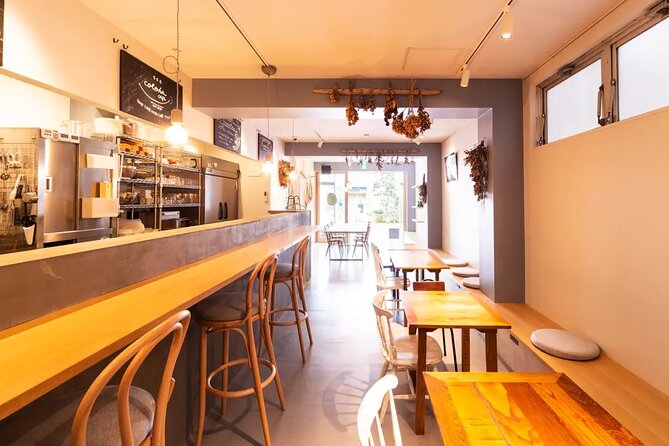
One of the best practical notes from the experience is the setup at the cafe. A review points out it’s near the station (about 10 minutes walk) and that you can get settled with Japanese snacks, casual conversation, and Japanese social games before or during the class flow.
That matters because a food class is still a class, and a calm social warm-up helps. You spend less time feeling awkward and more time focusing on what your hosts are teaching.
If you’re coming solo, this kind of friendly atmosphere can make a big difference. If you’re traveling as a couple or with family, it gives the experience a playful edge without turning it into a chaotic party.
Dishware and the onsite shop: a souvenir that makes sense
Food memories fade, but a useful object sticks around. Here, you’re served on hand-painted Japanese dishware, and the class notes those plates are unique works designed by local artists. They’re also available for purchase at the onsite shop at the end of class.
Even if you don’t buy anything, it changes how you’ll remember the meal. Eating sushi off something made by hand, with a look that feels local, turns the class into more than a cooking lesson. It becomes a small collectible experience.
If you do buy the plate, it’s easy to justify: you get a functional souvenir that doesn’t feel random.
Price and value: is $50 a good deal for this?
$50 sounds simple, but it’s worth thinking through what you’re actually paying for.
You’re paying for:
- a full hands-on session where you build a 1.5m sushi roll
- instruction through each major step: rice, nori, fillings, rolling, cutting, serving
- small group size (max 12), which usually means better attention than big workshops
- a meal-like finish with hand-painted dishware
If you’ve seen Tokyo cooking classes before, you’ll notice many focus on small tasting portions or watching the cook do the hard parts. This one is different because the central act is your work. The “giant” format makes that work visible and memorable, and it’s a fun reason to stay fully engaged the whole time.
If you’re someone who learns by doing, the value is strong. If you only want a quick bite of sushi and don’t care about technique, it might feel like a bigger investment of time than you want.
Who this is best for (and who should skip it)
This works especially well if you:
- like hands-on cooking more than watching
- want a Tokyo food experience that’s different from standard sushi eating
- enjoy learning practical skills you can reuse later
- are traveling with family, as the format is structured but fun
It’s less ideal if:
- you can’t handle a long day (it’s listed at about 12 hours)
- you only want a short, casual activity and don’t care about technique
- you’re hoping for a fast “drop in and snack” option
Should you book the giant sushi class in Meguro?
I’d book it if you want something tactile and memorable in Tokyo—something you’ll remember not just because it tastes good, but because you built it. The combination of giant scale, step-by-step instruction, and the nice finishing touch of hand-painted plates makes it feel like a complete experience rather than a one-off stunt.
I’d hesitate only if the 12-hour timeframe sounds too heavy for your trip rhythm. For most people, though, it’s a great trade: one day of learning and doing, and you’ll leave with sushi-making know-how you can actually use at home.
FAQ
Where is the meeting point for the Giant Sushi Cooking Class?
The start location is 2 Chome-3 Senzoku, Meguro City, Tokyo 152-0012, Japan. The activity ends back at the meeting point.
How much does the class cost?
The price is listed as $50.
How long is the experience?
The duration is listed as about 12 hours.
What will I make during the class?
You’ll make a 1.5m sushi maki roll, then cut, serve, and enjoy what you create.
What ingredients and sushi components are you taught to prepare?
You’ll learn to prepare fish and avocado fillings, work with nori (seaweed), and understand what makes sushi rice unique. You’ll also use sesame seeds.
How big is the class group?
The maximum group size is 12 people.
Is it near public transportation?
Yes, it’s stated to be near public transportation.
Do I get a mobile ticket?
Yes, the tour/activity includes a mobile ticket.
What is the cancellation policy?
Free cancellation is available up to 24 hours in advance of the experience start time for a full refund.
When do I receive confirmation after booking?
Confirmation is received at the time of booking.