REVIEW · TOKYO
Private Gluten-Free Japanese Cooking Class in Tokyo Japan
Book on Viator →Operated by Morimi's Home Kitchen · Bookable on Viator
Gluten-free Japanese cooking sounds tricky until you learn what to check on labels. This private class in Setagaya turns that worry into a plan: you cook Japanese dishes built around rice, tofu, fish, and seaweed, then taste what you make.
I liked the clear focus on gluten-free ingredient checks, especially because common staples in Japanese kitchens can hide wheat (think soy sauce and miso). I also liked that you can pick a course style—Basic, Tofu, or Sushi—so you cook the dishes that fit your appetite and comfort level. One thing to consider: the class follows a home-kitchen setup, so if you need transportation you’ll want to sort that out yourself since private transport isn’t included.
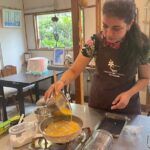
Morimi’s Home Kitchen is a small, practical experience. You get a mobile ticket, you cook for about 3 hours, and you head back to the meeting point afterward—no big-city chaos required.
In This Review
- Key things to know before you book
- Gluten-Free Japanese Cooking in Tokyo: What You Learn That Actually Helps
- Morimi’s Home Kitchen and Your 11:00am Start in Setagaya
- Picking Your Course: Basic, Tofu, or Sushi
- Basic-course
- Tofu-course
- Sushi-course
- Basic-Course Cooking: Onigiri, Karaage, Dashimaki, and More
- Tofu-Course Highlights: Oboro-tofu, Agedashi, and a Tofu Hamburger Steak
- Sushi-Course in Tokyo: Temari and Oshi You Can Recreate
- Optional Japanese Sweets: What Changes by Season
- The Meal Experience: Tasting, Recipes, and Leaving With Real Confidence
- Price and Value: What $84.54 Buys You in Tokyo
- Who Should Book This Class (and Who Might Want to Adjust Expectations)
- Should You Book Morimi’s Gluten-Free Japanese Cooking Class?
- FAQ
- What gluten-free course options are available?
- Does the class include lunch?
- Are Japanese sweets included, and do they vary by season?
- How long is the experience, and when does it start?
- Where do I meet, and is pickup available?
- What’s the cancellation policy?
- Is the class taught in English?
Key things to know before you book
- Label-reading is the real superpower: learn how to spot gluten risks in Japanese seasonings and processed items
- Three course options: Basic, Tofu, or Sushi so you can match your interests
- Lunch is included: you cook and then eat what you made together
- Seasonal sweets are optional: like strawberry daifuku in spring or chestnut yokan in autumn
- Beginner-friendly pacing: you’ll be cooking step-by-step, not just watching
Gluten-Free Japanese Cooking in Tokyo: What You Learn That Actually Helps
Japanese food looks naturally gluten-free at first glance. Rice is everywhere. So are vegetables, tofu, seaweed, and fish. But the gluten surprises usually come from the extras: sauces, seasonings, coatings, and processed products.
In this class, you’ll learn how to check ingredient labels so you can tell what’s safe for you. The key ideas you’ll get are simple and repeatable. You’ll learn that wheat-derived ingredients can show up in things people assume are fine—like soy sauce, miso, and mirin—and also in items that get coated or fried, such as tempura and other fried foods. Even seafood products can be a problem, like fish cakes, and some noodles are obviously tricky.
Why this matters: once you can read labels with confidence, you stop eating Japan on hard mode. You can order more than just plain rice and grilled fish. You can cook at home with fewer “uh-oh” moments.
And since you cook real dishes (not just theory), the label skills stick.
You can also read our reviews of more tours and experiences in Tokyo.

Morimi’s Home Kitchen and Your 11:00am Start in Setagaya
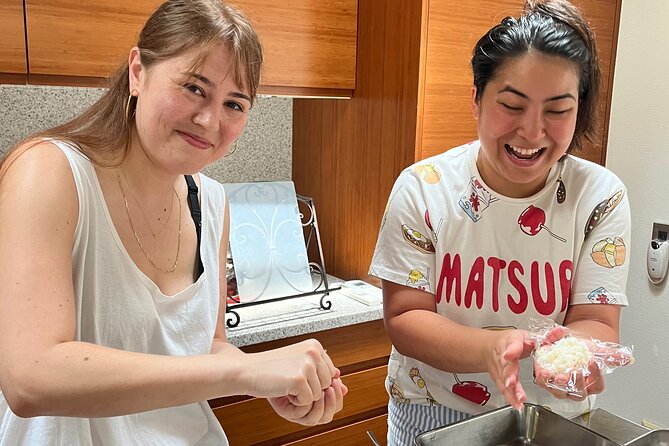
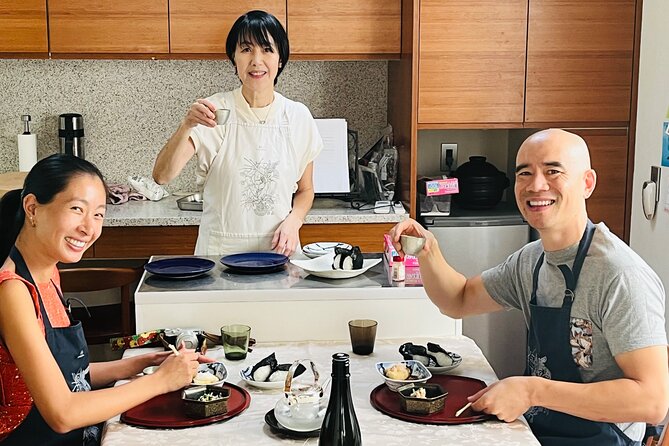
This is a private class, so it’s just your group—no joining strangers. The start time is 11:00am, and the whole experience is about 3 hours. It ends back at the meeting point, so you don’t have to figure out how to get home afterward.
You’ll meet at Meidaimae Station, 2 Chome-45 Matsubara, Setagaya City, Tokyo 156-0043, Japan. The location is described as near public transportation, which is a big deal in Tokyo—easy logistics are underrated.
Pickup is offered, and you’ll get a mobile ticket. Private transportation isn’t included, so if you’re coming from far out or you want a door-to-door ride, you’ll need to arrange that separately.
One practical bonus from the experience itself: Morimi’s communication is strong in English. In one case, she even worried her English might not be enough, but the teaching was clearly understood. That’s the kind of comfort you want when you’re dealing with dietary restrictions.
Picking Your Course: Basic, Tofu, or Sushi
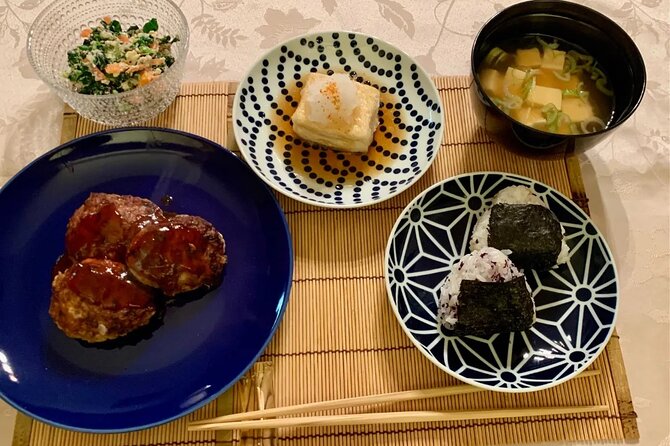
You don’t have to force yourself into one menu. You choose from three gluten-free courses, each with a different rhythm and set of dishes.
Basic-course
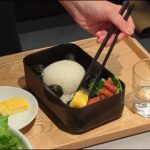
A well-rounded sampler. You cook a mix of hands-on items (like onigiri and fried chicken), plus sides that make the meal feel complete.
Tofu-course
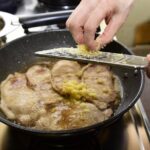
If you want a plant-forward meal that still feels like Japanese comfort food, this one is made for you. You’ll work with tofu in multiple forms, including dishes that rely on different textures.

Sushi-course
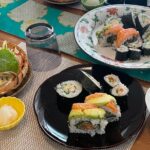
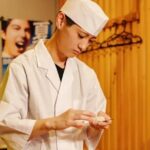
More hands-on work with shaping and assembling. You’ll do both temari (hand-formed ball sushi) and oshi (pressed sushi), plus soup.
What I like about this structure is it gives you control over the experience. If you’re nervous in the kitchen, you can pick the course that matches what you already enjoy eating. If you want a bigger challenge, sushi tends to feel a bit more hands-on.
Basic-Course Cooking: Onigiri, Karaage, Dashimaki, and More
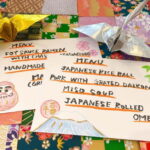
In the Basic-course, you’ll cook enough dishes to leave the class full and confident. Here’s what’s on the menu:
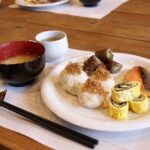
- Onigiri (2 rice balls)
- Chicken karaage
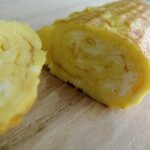
- Dashimaki tamago (Japanese rolled omelet)
- Shiraae (tofu and vegetable salad)
- Kinpira (stir-fried potatoes and carrots)
- Miso-soup
This course is a smart first pick because it teaches you how gluten-free Japanese meals are built. You’ll see how rice anchors the meal, and how flavorful sides come from ingredients that can be selected safely once you know what to check.
Onigiri are a great confidence builder. If you can shape a rice ball and season it correctly, you’re already doing a classic Japanese technique. Chicken karaage is useful too, because fried foods are where gluten can hide. The class setting gives you a direct path to make it gluten-free the right way.
Dashimaki tamago is another practical skill. It’s a rolled omelet you can recreate at home. And miso-soup ties it together—miso is one of those ingredients you really want to verify on labels.
Side dishes like shiraae and kinpira also show you that Japanese cooking isn’t only about one main dish. It’s about balancing texture and taste: cool tofu salad, and hearty stir-fry.
Tofu-Course Highlights: Oboro-tofu, Agedashi, and a Tofu Hamburger Steak
The Tofu-course leans into what Japanese cuisine does unusually well: turning one ingredient into multiple textures and moods. Your menu includes:
- Onigiri (2 rice balls)
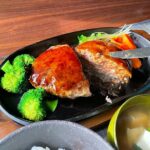
- Tofu hamburger steak
- Shiraae (tofu and vegetable salad)
- Agedashi tofu (deep-fried tofu in broth)
- Tofu miso soup or clear soup
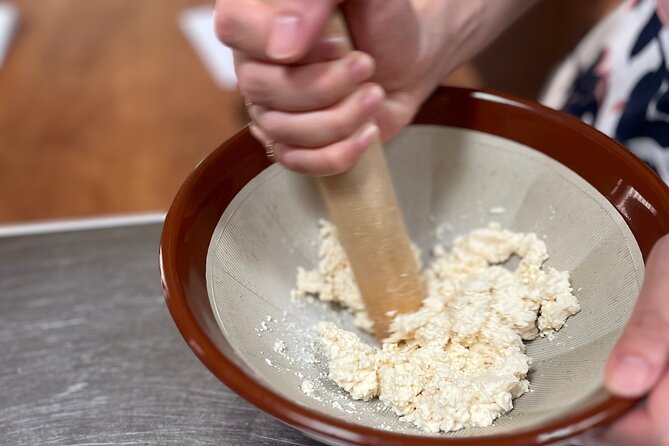
- Oboro-tofu (freshly made soft tofu)
If you’re trying to eat gluten-free but still want comfort food, this course makes that goal feel realistic. Tofu becomes the star, but it doesn’t feel repetitive because the dishes use different cooking methods and different seasonings.
What’s especially helpful here is learning how tofu-based dishes can be adjusted for gluten-free needs. Agedashi tofu involves deep-frying—another spot where gluten can sneak in via coatings or packaged ingredients. In class, you’re not just told what to avoid. You learn how to approach it step by step.
Oboro-tofu is a nice “fresh skill.” Being freshly made soft tofu gives you something you can actually bring home and remake, not just a dish that happens once.
And again, you’ll end up with miso soup or clear soup, which helps you practice the difference between relying on Japanese flavors and still confirming the ingredients are safe for you.
Sushi-Course in Tokyo: Temari and Oshi You Can Recreate
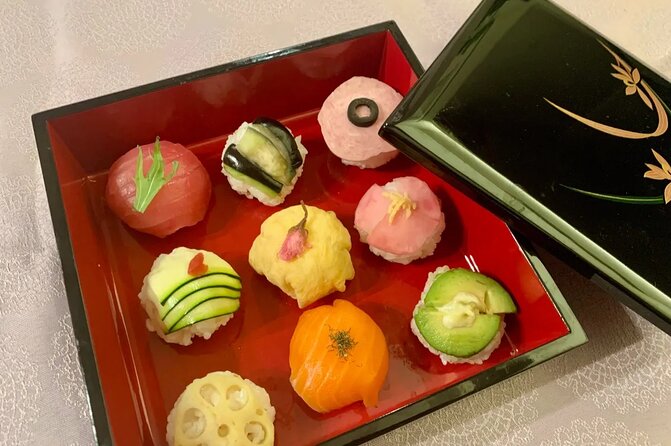
The Sushi-course is built around shaping and presentation. You’ll make:
- 6 pieces of temari-sushi (ball sushi)
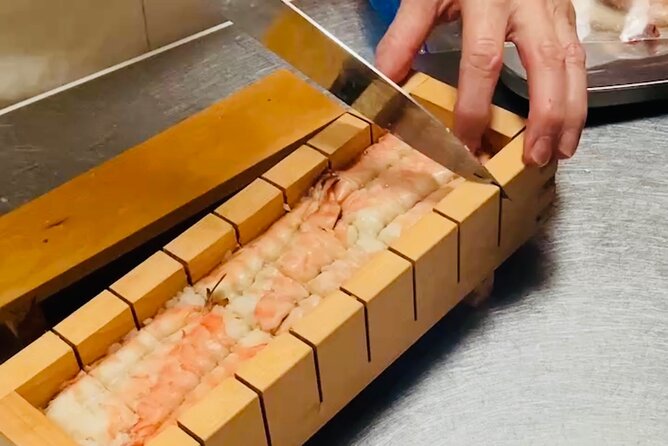
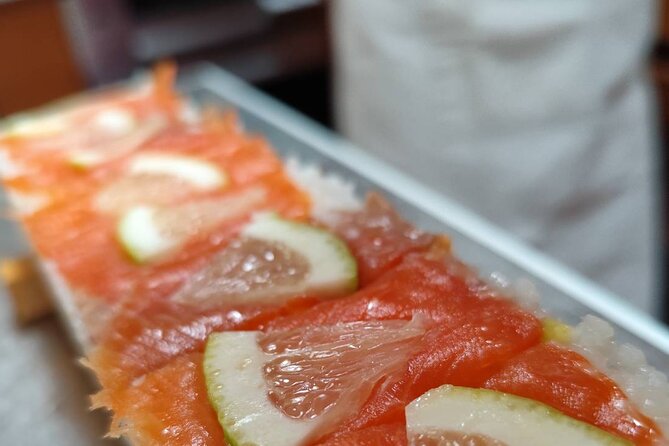
- oshi-sushi (pressed sushi)
- Tofu miso soup or clear soup
This is a great option if you want something that feels special. Sushi is one of those foods many people assume is either safe or too risky. Here, you get hands-on control.
Temari-sushi gives you a way to practice portioning and molding without needing a full roll-making setup. Oshi-sushi is a different technique entirely—pressed sushi focuses on structure, so your pieces come out neat and even.
You’ll also be making soup, which is a smart pairing. It balances the meal and also gives you another chance to practice safe Japanese flavor habits (especially since miso is part of the options).
If you’re a beginner, this course can still work, especially if you’re okay with slow-and-steady cooking. The class is described as doable even if you don’t cook much, and you’ll get guidance through the process.
Optional Japanese Sweets: What Changes by Season
After you cook your meal, you have the option to add Japanese sweets. These change by season:
- Spring: strawberry daifuku (mochi with sweet red bean paste and strawberry)
- Summer: chilled sweet red bean soup with shiratama dumplings
- Autumn: chestnut yokan (sweet bean jelly)
- Winter: shiratama zenzai (sweet red bean soup with rice flour dumplings)
Why this is worth mentioning for gluten-free travelers: sweets often use ingredients that aren’t always obvious at a glance. Having a prepared, instructor-led option means you can enjoy the seasonal side without turning it into a mystery.
Daifuku and yokan also give you variety in texture—chewy mochi, jelly-like sweetness, and warm or chilled dumplings depending on the season. It’s a nice way to round out the meal with something clearly Japanese, not just “a safe dessert.”
The Meal Experience: Tasting, Recipes, and Leaving With Real Confidence
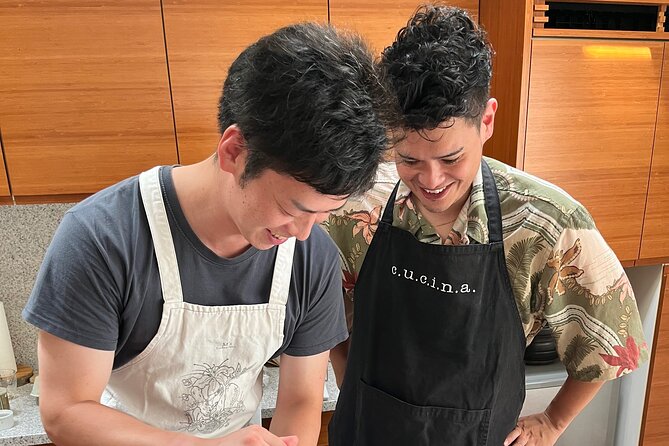
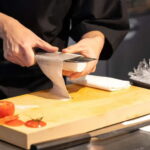
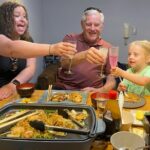
This class isn’t just a cooking demo. You cook and then eat lunch together. The teaching approach is careful, and it’s designed so you can actually finish the dishes—not just watch them happen.
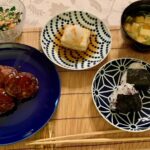
One of the stand-out notes from the experience is the amount of food. You should expect to eat well. It’s not a tiny tasting plate where you leave hungry and sad. This feels like a real meal, built from multiple dishes.
Another huge practical win: you receive recipes. That changes the value of the class. After cooking, you’re not stuck with memories and vague impressions. You have a written path to reproduce the dishes at home, which is exactly what you want with a gluten-free routine.
And since Morimi’s approach focuses on ingredient label reading, the recipes aren’t just a list. They also reinforce the thinking process behind the choices.
Price and Value: What $84.54 Buys You in Tokyo
At $84.54 per person for about 3 hours, this sits in the “worth it if you’ll use the skills” category. Here’s why.
You’re paying for more than cooking. You’re paying for:
- Diet-specific instruction (ingredient label checking for gluten-free needs)
- Hands-on practice with multiple Japanese dishes
- A private group format inside a home kitchen
- Lunch included
- Recipes to take home
Tokyo pricing can be wild, so I judge value by outcomes. For me, the best sign of value is whether you leave with something usable. In this case, you do: cooking ability you can repeat, plus recipes.
The average booking window is about 70 days in advance, which suggests people plan this ahead—usually a good sign for a niche class that sells out. Still, you’ll receive confirmation within 48 hours of booking, subject to availability.
Who Should Book This Class (and Who Might Want to Adjust Expectations)
This is a great fit if:
- You follow a gluten-free diet and want to understand how Japanese ingredients work in real cooking
- You want label-reading tips you can use in grocery stores and restaurants later
- You’d like a private, calm class time instead of a crowded group tour
- You want Japanese home cooking skills, not just sushi knowledge
It may be less ideal if:
- You’re expecting a large restaurant-style production with lots of dining space (this is a home-kitchen format)
- You rely on included transportation. Pickup is offered, but private transportation isn’t included
- You want only one specific type of sushi or one specific dish. You’ll choose among the set-course menus.
One encouraging note from real-world use: a family dealing with celiac restrictions found the class worked well for them. An Italian friend with a gluten allergy also joined, and the experience was described as enjoyable and understandable. That doesn’t guarantee your exact needs, but it does point to a teaching style that takes gluten concerns seriously.
Should You Book Morimi’s Gluten-Free Japanese Cooking Class?
If you want gluten-free Japanese food that you can cook and understand, I’d book this. The standout reason is that you learn the method, not just the meals: how to check labels and how to translate Japanese flavors into a gluten-free approach.
Choose it especially if you care about repeating what you learned later. The recipes and the hands-on cooking are the big wins. And with three courses, you can pick the menu that matches your comfort level.
If you’re the kind of person who wants to get good at ingredient decisions once and stop panicking later, this class delivers that.
FAQ
What gluten-free course options are available?
You can choose one of three courses: Basic-course, Tofu-course, or Sushi-course. Each course includes a set menu of Japanese dishes, plus soup.
Does the class include lunch?
Yes. Lunch is included, and you’ll eat what you cook during the class.
Are Japanese sweets included, and do they vary by season?
Japanese sweets are optional. The menu changes by season: spring strawberry daifuku, summer chilled sweet red bean soup with shiratama dumplings, autumn chestnut yokan, and winter shiratama zenzai.
How long is the experience, and when does it start?
The cooking class lasts about 3 hours and starts at 11:00am.
Where do I meet, and is pickup available?
You meet at Meidaimae Station, 2 Chome-45 Matsubara, Setagaya City, Tokyo 156-0043, Japan. Pickup is offered, and the activity ends back at the meeting point.
What’s the cancellation policy?
You can cancel for a full refund up to 24 hours in advance of the experience start time. If you cancel less than 24 hours before, the amount paid won’t be refunded.
Is the class taught in English?
Morimi’s teaching is described as being in English that is very good, and she uses explanation that supports understanding.