REVIEW · TOKYO
Ebisu Food Tasting Experience with Japanese Cooking Class
Book on Viator →Operated by HomeTaste JapaneseCookingClass · Bookable on Viator
Cooking in a real Tokyo kitchen beats watching videos.
This experience is led by Mari and her daughter Ayumi, and I love how practical the lessons feel, step-by-step, in fluent English. I also like that you start with an ingredient run in the Ebisu area, so you understand what you’re buying and why. The main thing to consider: the vegetarian choice depends on which course you pick—vegetarian options are available for the temaki sushi course, but there’s no vegetarian option for the Japanese hamburger steak set meal.
You’ll keep it small too, with a maximum of 4 travelers, so you’re not just “in the room,” you’re actually cooking. Plan on around 3 hours, come hungry, and leave with a couple of dishes you can repeat at home without guessing.
In This Review
- Key highlights worth showing up for
- Ebisu Garden Place area: Why this meeting spot makes sense
- Mari and Ayumi: the warm, English-friendly way they teach
- The ingredient hunt in the Ebisu area: learn what you’re actually cooking
- Temaki sushi course: tamagoyaki, teriyaki chicken, then roll your own
- Hamburger steak set meal: hambāgu with miso soup and potato salad
- Eating together: the part that turns skills into a Tokyo memory
- Price and value: why $78.04 can make sense in Tokyo
- Who should book this Ebisu cooking class
- Tips to make the most of your 3-hour session
- Should you book? My practical decision guide
- FAQ
- What happens during the Ebisu food tasting experience?
- How long is the class?
- Is the cooking class taught in English?
- Do I need any cooking experience?
- What course options are available?
- Is there a vegetarian option?
- Is it a small group?
- Are drinks included?
- Where do I meet the group in Tokyo?
- Can I cancel for a full refund?
Key highlights worth showing up for
- A mother-daughter team that teaches in English and walks you through each step.
- A real supermarket ingredient stop before you cook, so flavors make sense.
- Two hands-on menu options: temaki sushi or hambāgu with classic sides.
- A small group size (max 4) for more personal help while you cook.
- Optional sake or craft beer with your meal, if you want to make it extra Tokyo.
Ebisu Garden Place area: Why this meeting spot makes sense
Ebisu is one of those Tokyo neighborhoods that feels both local and easy to navigate. Your start point is at the Ebisu Station Police Box area, then you’ll move through the neighborhood to begin your class day. It’s a good setup if you want your cooking experience to feel grounded, not like a staged studio lesson.
Also, since you end back at the meeting point, you don’t have to worry about “getting home” right after you’re done eating. You’ll still be full and happy, but you won’t be stuck planning a route in the middle of a food coma.
One practical note: this is a 3-hour activity, so it’s not a half-day tourist detour. Think of it as a focused window where you trade a bit of sightseeing time for a skill and a meal you’ll remember.
You can also read our reviews of more tours and experiences in Tokyo.

Mari and Ayumi: the warm, English-friendly way they teach
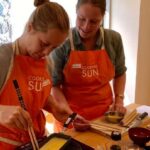
The heart of the experience is the mother-daughter duo: Mari (the culinary expert featured in TV programs and magazines) and Ayumi (the bilingual interpreter and assistant). I like that the instruction is described as entirely in English, not “mostly English with occasional gaps.” That matters because cooking terms and ingredient differences can get confusing fast—especially when you’re learning by doing.
With a group capped at 4 travelers, you’re likely to get more than generic directions. Even if you’re a first-timer, they guide you through each step, which keeps the class from turning into awkward trial-and-error.
And from the overall tone of the experience, this doesn’t feel like a transaction. The way Mari and Ayumi explain ingredients and products—plus the extra effort they put into helping you find what you’re curious about—adds that family vibe people remember. It’s the kind of atmosphere that makes asking questions feel natural.
The ingredient hunt in the Ebisu area: learn what you’re actually cooking
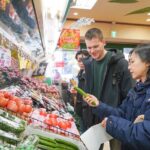
You don’t begin at a cutting board. You begin with a local Japanese supermarket. That’s one of the smartest parts of the experience, because Japanese home cooking relies on ingredients that behave differently than what you might expect.
You’ll learn about essential items you’ll use back in the kitchen, and that changes how you cook later. Instead of following a recipe blindly, you understand the role of ingredients like Japanese omelet components, sushi rice building blocks, or the right approach for sauces used in teriyaki-style cooking.
This is also where you get comfortable with the shopping logic. Even if you don’t buy everything to recreate the meal later, you’ll leave knowing what to look for when you’re standing in a store back home (or even in Tokyo again).
Expect plenty of explanation as you go—Mari and Ayumi can answer questions along the way, and if something catches your eye, you may get extra help finding it.
Temaki sushi course: tamagoyaki, teriyaki chicken, then roll your own
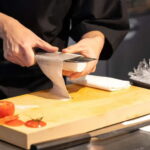
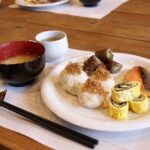
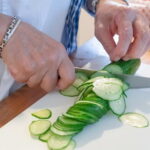
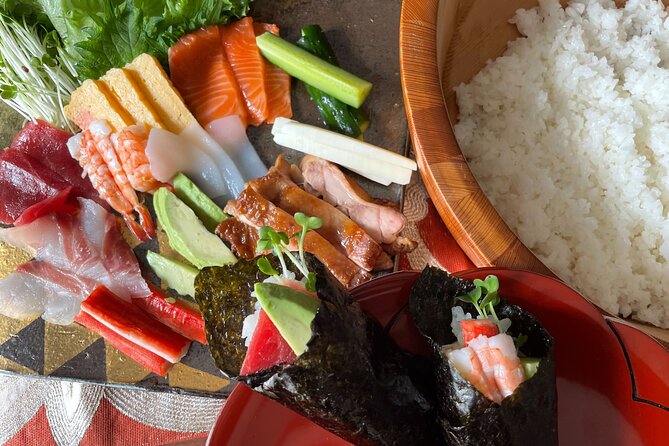
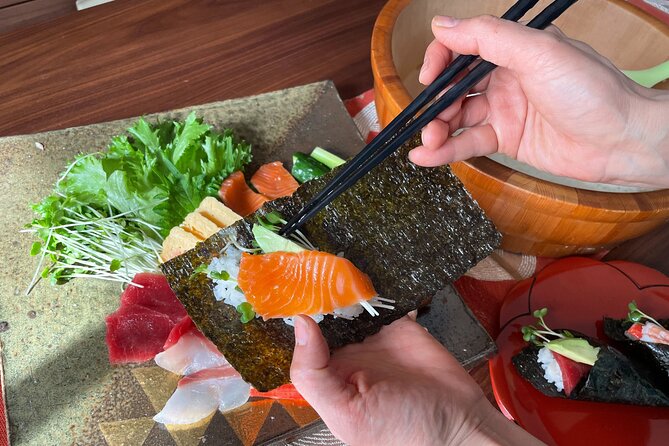
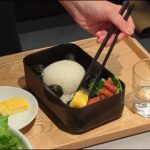
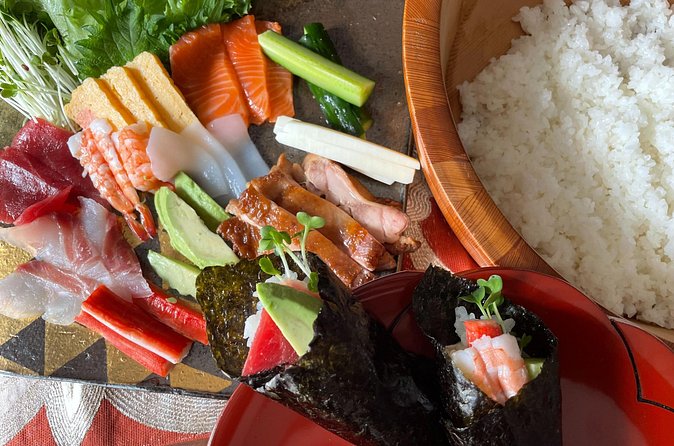
If you pick the Temaki Sushi Course, you’re not just assembling rolls—you’re building key components. The course focuses on making sushi rice, tamagoyaki (Japanese omelet), and teriyaki chicken first. Then comes the fun part: you roll your own sushi.
Here’s what that means for you in real terms:
- You’ll learn how the rice comes together, so it doesn’t just look right—it behaves right.
- Tamagoyaki is its own skill. Making a Japanese omelet isn’t complicated, but it does require attention, and that attention teaches you control.
- Teriyaki chicken gives you a sweet-savory anchor for your hand-rolled sushi.
You’ll then roll with fresh fish plus vegetables or tofu (vegetarian options are available). The course design is great if you like variety in one meal—different textures, different flavors, and a final dish you personally shaped.
Potential drawback: if you’re hoping for purely “raw fish sushi” with zero cooking, this course still teaches prep steps like rice building and cooking components. It’s hands-on, which is the point—but plan your mindset for cooking, not just assembly.
Tip: if you’re vegetarian, choose this option on purpose. The course offers vegetarian paths, while the hamburger steak course does not.
Hamburger steak set meal: hambāgu with miso soup and potato salad
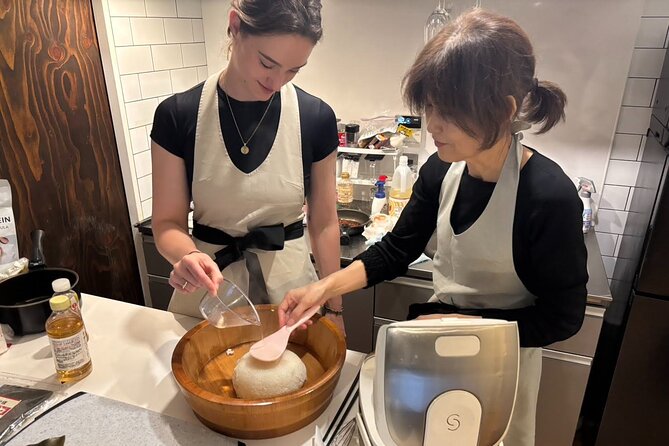
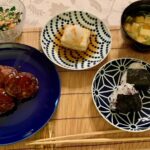
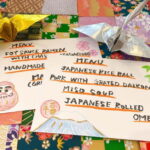
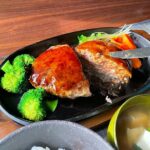
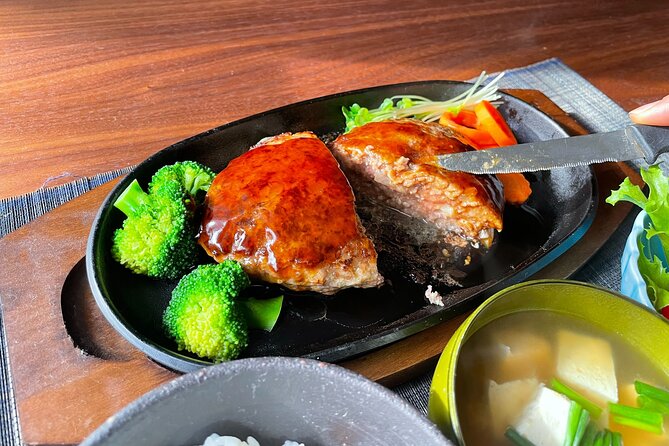
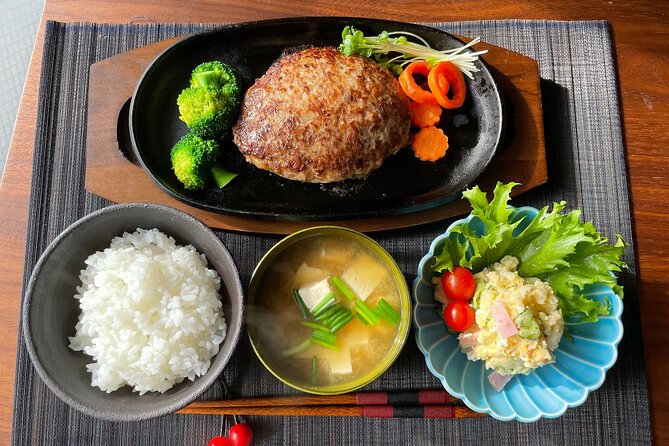
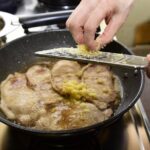
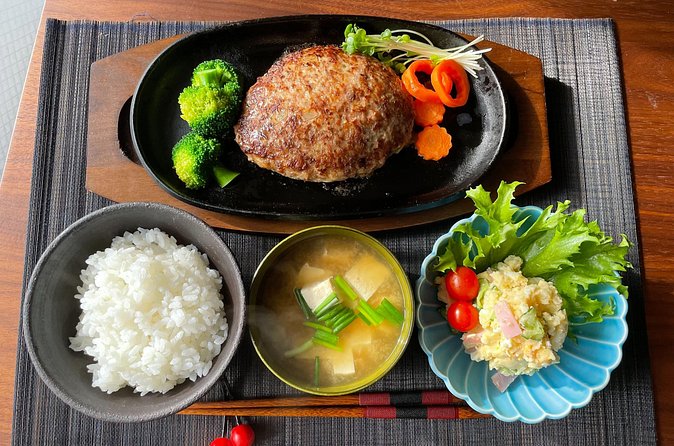
The Japanese Hamburger Steak Course is a different kind of comfort. You’ll prepare a full set meal centered on juicy hambāgu, plus potato salad and miso soup. No vegetarian option is offered here, so if you need vegetarian food, don’t count on a swap.
This course is ideal if you want something that tastes familiar but is still distinctly Japanese. Hambāgu is not “just a burger”—it’s made and served with a Japanese home-cooking rhythm, and you’ll get practice with how it’s built as a cohesive dish.
The sides matter too. Potato salad adds creaminess and contrast, while miso soup brings the salty warmth that makes the meal feel complete instead of random. This set format is how Japanese home meals often work: one main, one supporting side that adds texture, and soup to tie it together.
If you’re cooking for beginners, this course can feel easier to structure than sushi, because the “components” are straightforward: make the hambāgu, assemble the sides, then eat. Just be ready to commit to meat-focused cooking.

Eating together: the part that turns skills into a Tokyo memory
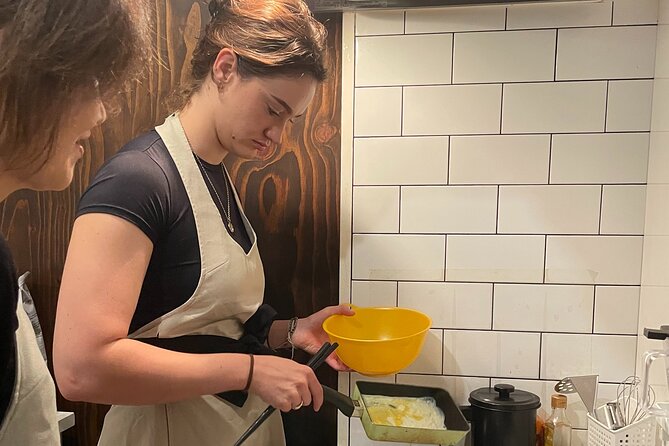
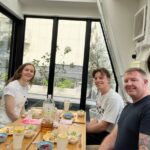
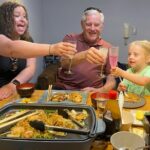
Once you finish cooking, you sit down and enjoy the meal together. This is more than a reward—it’s where the learning sticks. You taste what you made while the guidance is still fresh, so you understand how the flavors land and what each dish contributes.
You can also choose optional drinks like sake or craft beer. That’s not required, but it does help make the experience feel like a real Japanese table moment rather than a class that ends the second you wipe your hands.
Another big plus: Mari and Ayumi share local tips and help you plan your Tokyo trip after the cooking. Since they’ve lived in Tokyo for over 15 years and work around food daily, the advice tends to feel practical. You’ll get suggestions that match your interests, not generic “see these three spots” lists.
And yes—you’ll leave full. That’s not a side benefit. It’s part of the value.
Price and value: why $78.04 can make sense in Tokyo
At $78.04 per person for about 3 hours, this class isn’t a bargain-in-the-rain kind of deal. It’s priced like what it is: a small-group, home-kitchen cooking lesson with expert teaching in English, an ingredient shopping stop, and a meal you eat at the table.
Here’s why I think the value holds up:
- You get structured cooking instruction for multiple dishes (not just one).
- You learn ingredient choices through a supermarket walk, which helps you cook later.
- The group is capped at 4, which increases the chance of actual help while you work.
- You’re also buying access to Mari and Ayumi’s Tokyo perspective and local tips—not just recipes.
If you’re deciding between a generic cooking class and this one, the difference is the “real life” angle: a home kitchen, a local ingredient stop, and a family-style atmosphere. In Tokyo, that combination is hard to beat.
Who should book this Ebisu cooking class
This is a strong match for:
- Solo travelers who want conversation and a warm welcome without the pressure of group tours.
- Couples and small groups who like shared tasks and a meal as the payoff.
- Families and beginners, because the pace is explained and there’s no cooking experience required.
It’s especially good if you want more than a souvenir. You’ll take home techniques—temaki sushi building blocks like sushi rice and tamagoyaki, or a complete Japanese set meal with hambāgu, potato salad, and miso soup.
The clearest “maybe” is for anyone with vegetarian needs:
- Choose the temaki sushi course for vegetarian options.
- If you care about avoiding meat entirely, skip the hamburger steak course because there’s no vegetarian option.
Tips to make the most of your 3-hour session
Come hungry, but not so hungry you’re thinking only about eating. The first part matters: if you pay attention during the ingredient stop and ask questions, cooking goes smoother later.
Wear comfortable clothes you can move in. You’ll be cooking in a home kitchen setting, and you’ll likely be standing, mixing, and rolling.
And here’s a quiet strategy that pays off: ask one or two ingredient questions early. Mari and Ayumi are there to explain, and you’ll better understand how different products affect taste. If you’re the type who likes taking notes, write down what you used and what you think you’d try again.
Should you book? My practical decision guide
Book this if you want a genuine Tokyo home-cooking experience in English, with a small group and a meal that actually feels earned. The ingredient shopping start and the mother-daughter teaching style are the two big reasons this works, because you don’t just learn recipes—you learn how ingredients fit together.
Don’t book it if you’re set on a vegetarian meal regardless of menu choice. The courses split by diet needs, and the hamburger steak option won’t accommodate vegetarian diners.
If you’re on the fence, choose the course that matches your eating style:
- Pick temaki sushi for variety and vegetarian possibilities.
- Pick hambāgu if you want a Japanese comfort set meal built around meat.
FAQ
What happens during the Ebisu food tasting experience?
You’ll start by exploring a local Japanese supermarket to learn about essential ingredients. Then you’ll cook at a cozy Tokyo home kitchen with Mari and Ayumi, and finally you’ll eat the meal together.
How long is the class?
It runs for about 3 hours.
Is the cooking class taught in English?
Yes. The lessons are taught entirely in English.
Do I need any cooking experience?
No cooking experience is required. You’ll be guided through each step.
What course options are available?
There are two options: a Temaki Sushi Course or a Japanese Hamburger Steak Course.
Is there a vegetarian option?
Vegetarian options are available for the Temaki Sushi Course. There is no vegetarian option for the Japanese Hamburger Steak Course.
Is it a small group?
Yes. The experience has a maximum of 4 travelers.
Are drinks included?
Optional drinks like sake or craft beer are available.
Where do I meet the group in Tokyo?
Meet at Ebisu Station Police Box, 1-chōme-5-5 Ebisuminami, Shibuya, Tokyo 150-0022, Japan, and the activity ends back at the meeting point.
Can I cancel for a full refund?
Yes. You can cancel up to 24 hours in advance for a full refund.