REVIEW · CHIANG MAI
Chiang Mai: Local Northern Thai Cooking Class at Grandma’s
Book on GetYourGuide →Operated by Grandma's Home Cooking School · Bookable on GetYourGuide
This cooking class turns Chiang Mai into a working kitchen. You learn Lanna-style dishes with real techniques like starting a charcoal grill, milling flour on a stone mill, and grating coconut the traditional way.
I especially like the market-to-meal flow, where the ingredients and seasonings make sense before they hit your cutting board. I also like the small-group feel praised in past bookings, where you’re guided step-by-step and end up with your own portion to enjoy.
One thing to consider: this is not a sit-and-watch class. You’ll be active for about 6 hours, using hands-on prep methods that can get a little messy—so comfy shoes matter.
In This Review
- Key moments worth showing up for
- Why Grandma’s Lanna Cooking Class Feels Like a Real Local Day
- Morning Pickup and the Market Stop: Picking Flavor Before You Cook
- Organic Farm + Herb Picking (Plus Eggs) and Why That Matters
- The Hands-On Cooking Lab: Charcoal, Washing Veg, Stone-Milled Flour
- The Five Northern Thai Dishes You’ll Cook (And the Skills Behind Them)
- Northern Thai Sausage
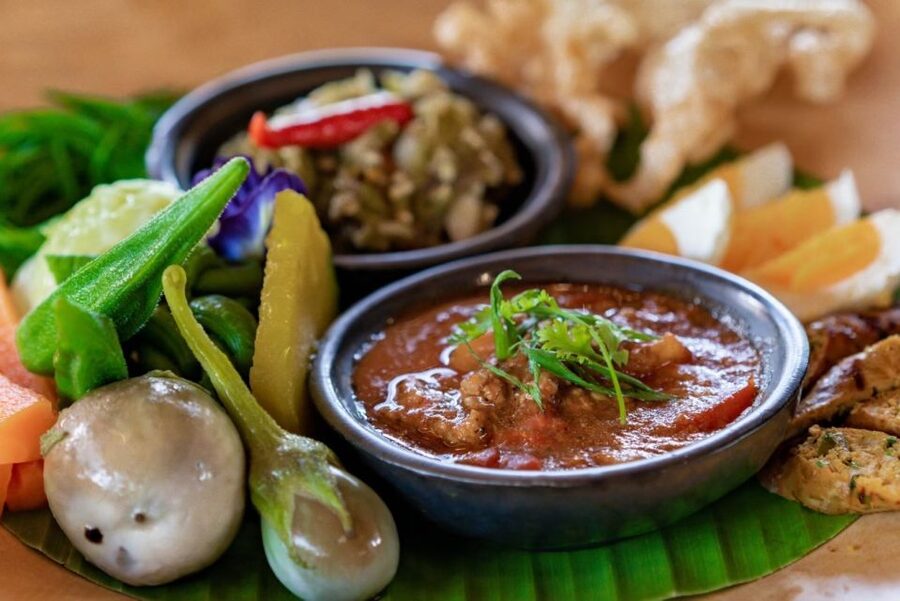
- Nam Prik Ong (Spicy Northern Thai Pork and Tomato) OR Nam Prik Num (Northern Thai Green Chilli Dip)
- Northern Pork Belly Curry (Hang Lay Curry)
- Curry Young Jackfruit (Kraeng Khanun-on)
- Stuffed Dough Pyramid (Ka Nhom Tian / Kanomjok)
- Lunch + Dessert and Refreshments: Taste What You Made, Not Just What You Watched
- Group Size, Comfort, and the Pace of Cooking Together
- Price and Value: Is $48 Fair for This Much Hands-On?
- Who Should Book This Class (and Who Might Skip It)
- Should You Book This 6-Hour Northern Thai Class?
- FAQ
- How long is the Chiang Mai Northern Thai cooking class?
- Does this experience include hotel pickup and drop-off?
- What dishes will I learn to cook?
- Do you visit a market and an organic farm?
- Is the class taught in English, and can dietary requirements be accommodated?
- What should I bring?
- Is there a cancellation option for a refund?
Key moments worth showing up for
- Local market ingredient lessons: learn seasonings and what to look for before you cook
- Organic farm + herb picking: see and choose Thai herbs and vegetables for your dishes
- Charcoal grill basics: learn how to get it going and cook with it
- Traditional tools in action: stone-milled flour and hand-grated coconut
- Dinner-table payoff: lunch plus a dessert and refreshment tasting session
Why Grandma’s Lanna Cooking Class Feels Like a Real Local Day
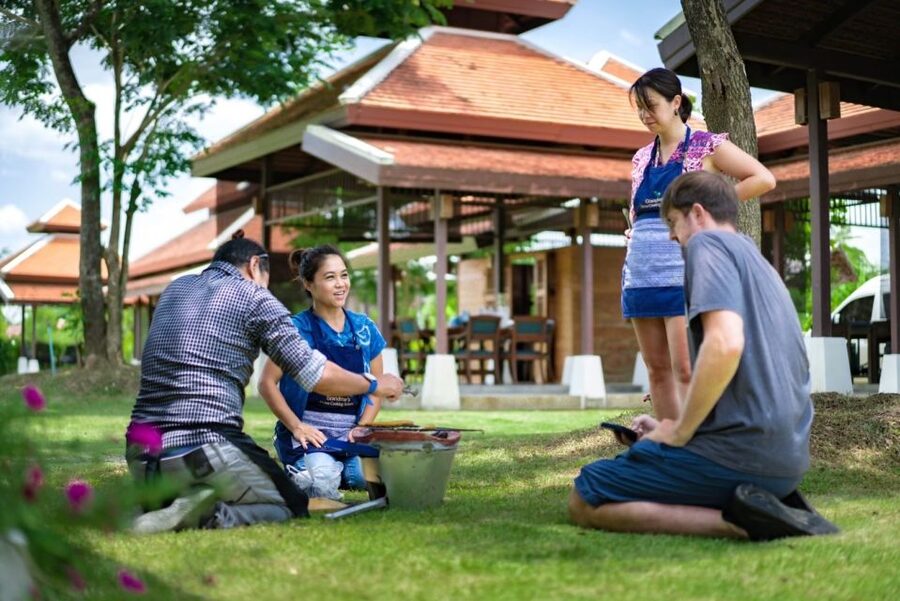
Grandma’s Home Cooking School runs a 6-hour Northern Thai class that doesn’t just teach recipes. It teaches the logic behind them—what you pick, how you prep it, and why certain textures matter in Lanna food.
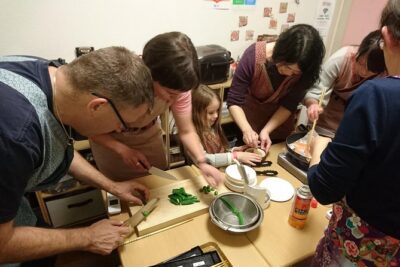
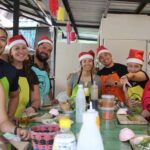
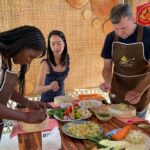
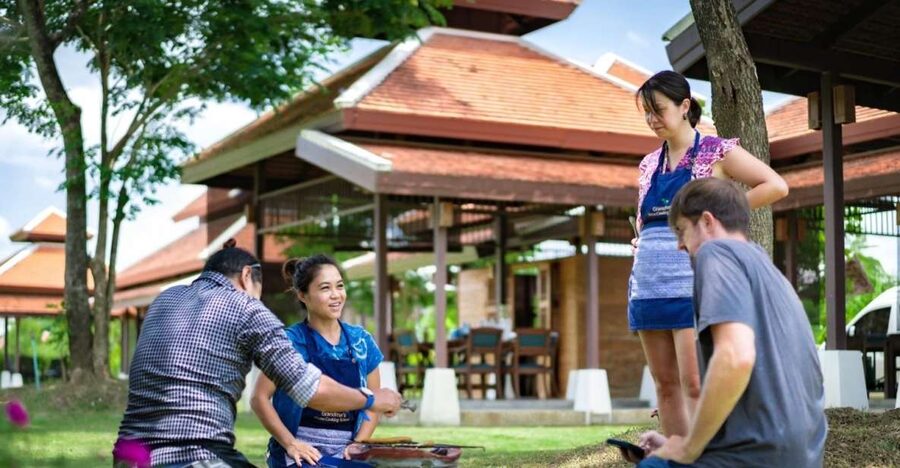
The vibe is practical and calm. You cook together with English-speaking instructors, and the pacing is built around group work: wash, chop, mix, cook, taste, repeat. If you’ve ever done a cooking class where everyone rushes and you barely understand what you’re doing, this is the opposite style.
It also helps that the experience has a track record of feeling organized and clean. In feedback, people called out how tidy the space is (including the toilets), which sounds boring until you’ve been somewhere hot and sweaty and still want to feel comfortable.
You can also read our reviews of more tours and experiences in Chiang Mai.
Morning Pickup and the Market Stop: Picking Flavor Before You Cook
The day starts early, with hotel pickup around 8:30–9:00am. That timing is your friend, because it gives you the best chance to learn ingredients without the market feeling chaotic.
The market visit isn’t just a quick look. The instructors walk you through what Northern Thai cooking relies on—ingredients and seasonings that don’t always show up in standard Western grocery lists. You’re not memorizing a cookbook. You’re learning what each ingredient does and how it fits into a dish you’ll actually cook.
Practical advice: wear comfortable shoes. Markets involve uneven surfaces and lots of standing, and you’ll want your legs ready for the farm and the cooking stations later.
Organic Farm + Herb Picking (Plus Eggs) and Why That Matters
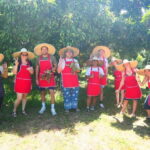
After the market, you head out to an organic farm. This is where the class becomes more than technique—it becomes ingredient literacy. You’ll see Thai herbs and vegetables up close and learn how they’re used, then you help pick items you’ll cook with.
The farm part also includes a visit to the chicken coop to collect eggs. That detail sounds small, but it changes how you think about what’s on your plate. When you’ve handled an ingredient yourself—especially something as simple as an egg—you cook with more attention, and you taste more carefully.
If you’re the type who loves learning why something tastes the way it does, this stop is a big value add. You don’t just get recipes; you get the “where it comes from” part that helps the dish make sense.
The Hands-On Cooking Lab: Charcoal, Washing Veg, Stone-Milled Flour
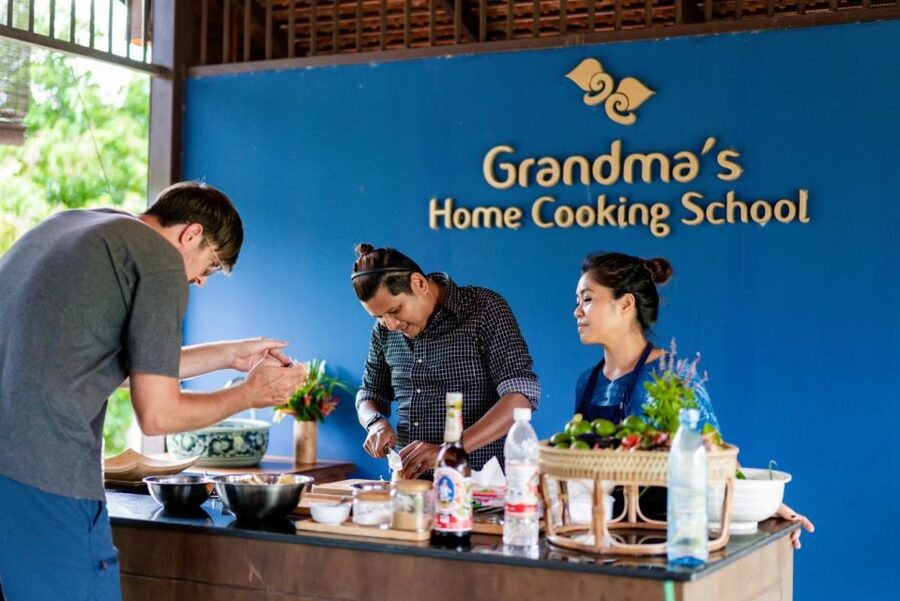
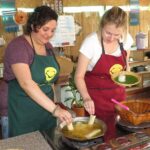
Once you’re back to the cooking area, the class leans hard into real work: you’ll prep, cook, and practice traditional methods. One of the most memorable parts is learning to light a charcoal grill, because that’s not something many cooking courses teach properly.
You also learn basic prep steps that are surprisingly important. You’ll practice washing vegetables, and you’ll work with traditional tools like a stone mill for flour and a coconut grater for coconut meat. These steps give you a different feel for ingredients—especially coconut, where texture really matters.
Even if you’re a beginner, the format helps. English-speaking instructors guide you, and participants support each other. In past bookings, people praised the guide for being friendly and helpful, including a case where the English-speaking guide Best was noted for humor and for taking good care of small groups.
The Five Northern Thai Dishes You’ll Cook (And the Skills Behind Them)
This class centers on cooking Northern Thai dishes that teach different flavors and textures. You’re not doing five variations of the same sauce; you’re practicing different core building blocks of Lanna cooking.
Here are the dishes included:



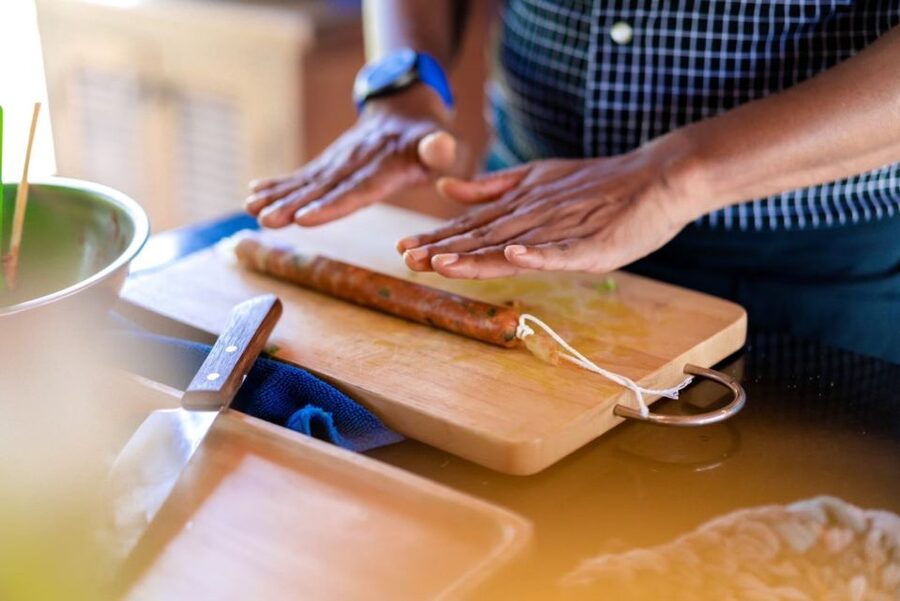
Northern Thai Sausage
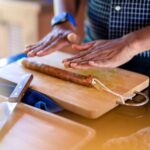
This gives you a taste of Northern Thailand’s spice and pork traditions. It’s also a dish where seasoning balance matters—so your earlier market stop actually pays off.
Nam Prik Ong (Spicy Northern Thai Pork and Tomato) OR Nam Prik Num (Northern Thai Green Chilli Dip)
You’ll learn the difference between a chili-and-tomato approach and a green-chili approach. Either way, you’ll get hands-on with how heat and tang work together in Northern Thai dips.
Northern Pork Belly Curry (Hang Lay Curry)
Curry day in Chiang Mai often means you’ll learn how rich flavors come from the right mix of ingredients and the right cooking rhythm. Pork belly also teaches patience, because fat needs time to become smooth and satisfying.
Curry Young Jackfruit (Kraeng Khanun-on)
Jackfruit curry adds a unique texture challenge. You’ll see how sour, spicy, and fragrant elements line up around a vegetable-based ingredient that can be surprisingly hearty.
Stuffed Dough Pyramid (Ka Nhom Tian / Kanomjok)
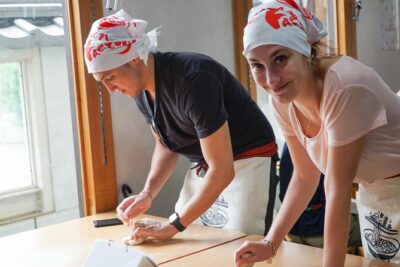
This dish is more than flavor—it’s shaping and handling. It’s also the kind of food you can make again later because you’ll remember the visual steps and the feel of the dough.
You’ll also make Thai coconut pancakes in the traditional way, which ties the day together with the coconut grating and flour milling you practice earlier.
Lunch + Dessert and Refreshments: Taste What You Made, Not Just What You Watched
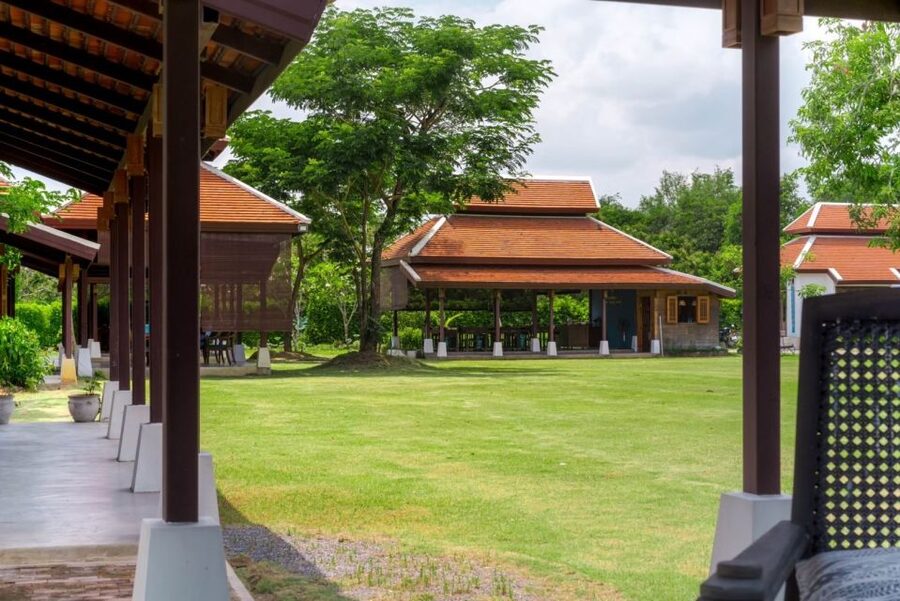
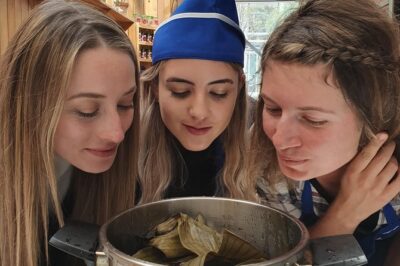
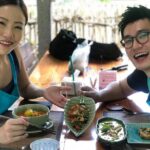
You get a lunch break to taste your creations. This is a key part of the value: it’s not just eat after the class. You eat what you cooked, while the flavor memories are fresh.
Then comes the dessert and refreshment session. Northern Thai desserts often rely on coconut, sweet-tart balance, and comforting textures. Even if you’re not a big dessert person, it’s a nice reset after spicy cooking and hands-on prep.
One small detail that people love: leftovers can be taken home, and you’re provided with disposable containers for that. If you cooked a little more than you expected, or you just want to bring a taste of Chiang Mai back to your hotel, this is a smart bonus.
Group Size, Comfort, and the Pace of Cooking Together
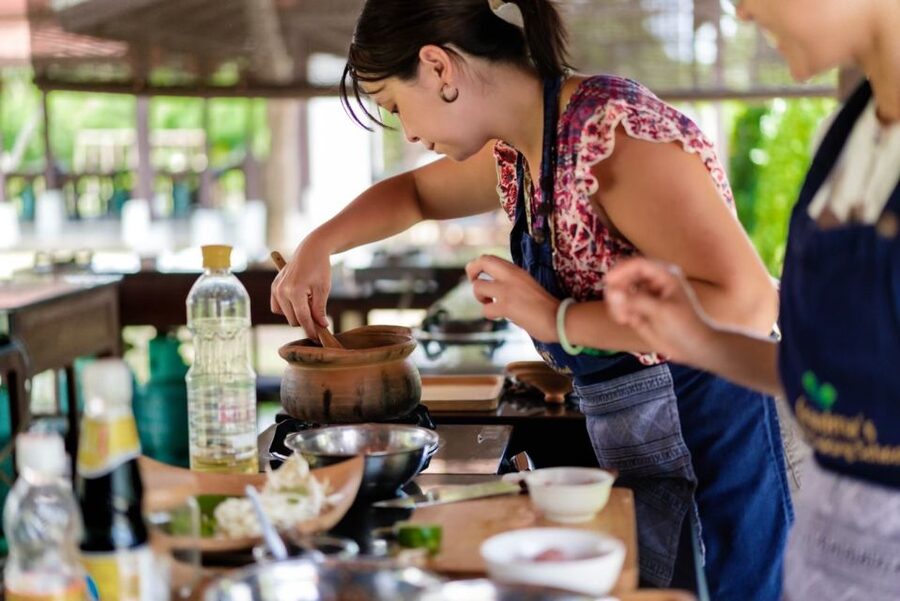
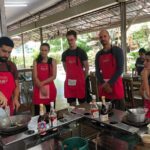
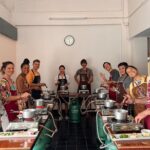
The class can run with small groups, and feedback points out that people have had experiences with about 5 people or around 8. That matters because it usually means less waiting and more personal guidance at your station.
There’s also a sense of separation in how portions get prepared, so you’re not stuck hovering over someone else’s plates. In one highlight from past bookings, people said they stayed in their own cooking zone, with careful handling so they received their own portion.
This is also a class where you’ll want to be mentally ready to participate. You’ll wash, prep, mix, and cook. If you prefer a quieter cultural experience, you might find it more active than you planned.
Price and Value: Is $48 Fair for This Much Hands-On?
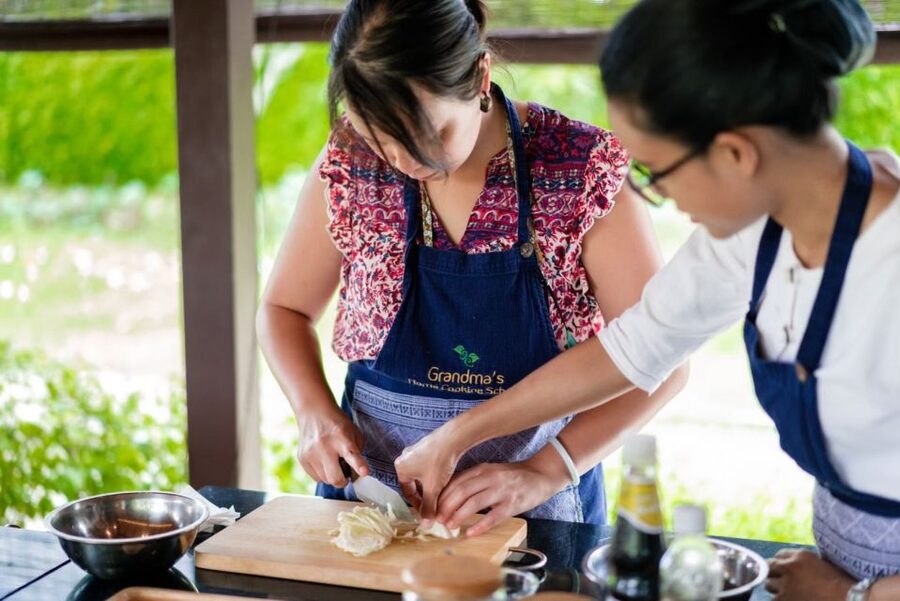
At $48 per person, the big question is what you actually get for the money. Here’s the honest math from the inclusions:
- Market and organic farm visits
- Hands-on cooking with an English-speaking instructor
- Lunch plus dessert and refreshment tasting
- Use of traditional methods and tools (charcoal grill, stone mill, coconut grater)
- Round-trip hotel transfers
- A recipe book you can download to practice later
When you factor in transportation, meals, and the fact that you’re doing multiple dishes plus dessert, $48 starts to look reasonable for a full half-day. Many cooking classes charge similar money but don’t include both the market and the farm learning piece.
If you’re traveling with a friend and want a day that feels like you learned something real (not just took photos), this is strong value.
Who Should Book This Class (and Who Might Skip It)
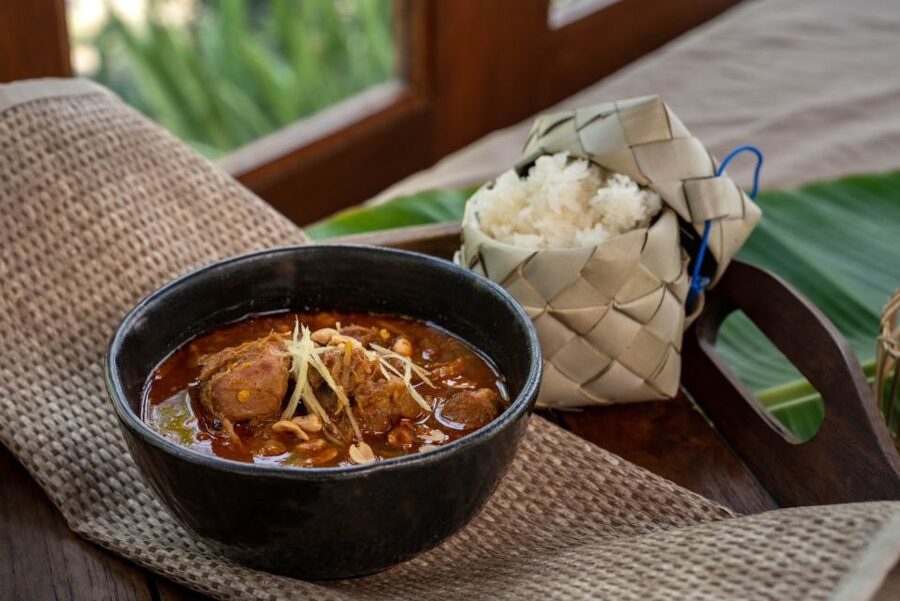
I’d book this if you want:
- Hands-on cooking in Northern Thai flavors, not just tasting
- Traditional techniques like stone-milled flour and coconut grating
- A structured experience that still leaves room for questions
- A class with English instruction and ingredients chosen from a market and farm
It might be less ideal if:
- You hate mess and hands-on prep
- You want a very casual, mostly observational activity
- You’re short on morning time, since pickup happens around 8:30–9:00am
Good news: the class can accommodate special dietary needs, and the activity is open to all dietary requirements. Children aged 0–10 can join as observers, which makes it easier to include family without forcing a kid into cooking tasks.
Should You Book This 6-Hour Northern Thai Class?
Yes, you should book it if you want a real Northern Thai cooking day with ingredients you picked yourself and techniques you’ll remember. The combination of market learning, farm herb picking, and traditional prep tools makes it feel like you’re learning how Lanna cooking works, not just copying a dish.
If you’re chasing the cheapest option, you might find shorter, simpler classes elsewhere. But if you care about understanding flavor and practicing traditional steps, Grandma’s Home Cooking School is a solid choice at $48.
FAQ
How long is the Chiang Mai Northern Thai cooking class?
The class lasts 6 hours.
Does this experience include hotel pickup and drop-off?
Yes. Round-trip transfers to and from your hotel are included, with pickup around 8:30–9:00am.
What dishes will I learn to cook?
You’ll learn to cook five traditional Northern Thai dishes: Northern Thai Sausage, Nam Prik Ong (Spicy Northern Thai Pork and Tomato) or Nam Prik Num (Northern Thai Green Chilli Dip), Northern Pork Belly Curry (Hang Lay Curry), Curry Young Jackfruit (Kraeng Khanun-on), and Stuffed Dough Pyramid (Ka Nhom Tian or Kanomjok). You’ll also make Thai coconut pancakes.
Do you visit a market and an organic farm?
Yes. You visit a local market to learn about ingredients and seasonings, and you tour an organic farm to see Thai herbs and vegetables.
Is the class taught in English, and can dietary requirements be accommodated?
The class uses an English-speaking instructor, and it can accommodate special dietary requirements.
What should I bring?
Bring comfortable shoes and sunglasses.
Is there a cancellation option for a refund?
Yes. You can cancel up to 24 hours in advance for a full refund.