REVIEW · CHIANG MAI
Morning Cooking Class in Traditional Pavilion with Beautiful Garden – Chiang Mai
Book on Viator →Operated by Oh-Hoo · Bookable on Viator
Cooking Thai food in a real farm setting.
This morning class takes you from a local market to an organic farm and then into traditional pavilions surrounded by a beautiful garden. You start by learning how to pick key Thai ingredients, then you get hands-on with farm life before you ever touch a stove.
I especially like that this isn’t just watching. You get your own individual cooking station, and the instructors go step by step so you can actually cook (not just stand there feeling amazed). You’ll work with classics like Tom Yam and Pad Thai style techniques, then finish with curry and dessert.
One thing to keep in mind: pickup is offered, but it can occasionally be a bit shaky. I’d plan to arrive at the meeting point area near Tha Phae Gate just in case, and keep your phone handy for updates.
In This Review
- Key highlights I’d plan around
- Market Morning: Shopping Like a Thai Cook
- Organic Farm Time: Mushrooms, Eggs, and Real-Life Rhythm
- Cooking in a Traditional Pavilion: How the Class Keeps You Moving
- The Dishes You’ll Cook: Three Core Items and How Choices Work
- Soup, Stir-Fry, Curry: What You Learn in Each Course
- Soup (Tom Yam or Tom Kha style)
- Stir-fry (Pad Thai style)
- Curry (Green or Red, plus curry technique)
- Refreshments and Dessert: Mango Sticky Rice Plus One Pick
- Group Size, Stations, and the Value of This Price
- Meeting Point Reality: Tha Phae Gate and Getting There Smoothly
- Who This Is Best For (and When to Skip)
- Should You Book This Chiang Mai Cooking Class?
- FAQ
- How long is the morning cooking class?
- Where does the experience start, and what time?
- Is pickup offered?
- What dishes will I cook?
- Will the menu always be the same?
- What’s the cancellation policy and what happens with weather?
Key highlights I’d plan around
- Market-first ingredient education so you understand what you’re buying and why
- Organic farm activities like harvesting mushrooms and collecting chicken eggs
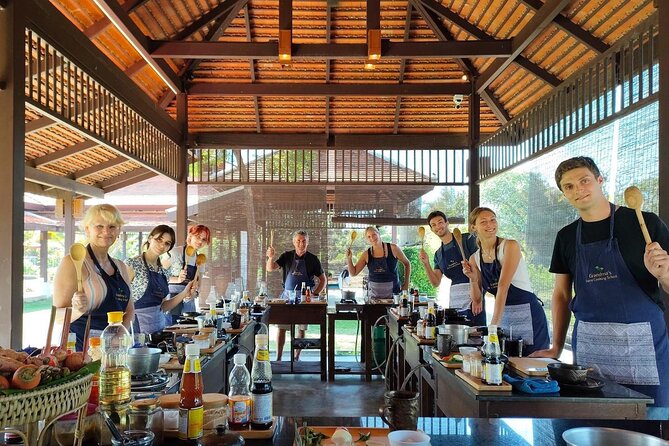
- Small group size (max 8) with your own cooking station
- Step-by-step instruction so you cook three core dishes yourself
- Seasonal menu flexibility (your exact dishes may shift with ingredient availability)
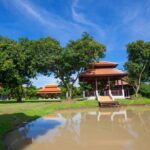
- Traditional garden setting in Thai-style pavilions, not a crowded studio
Market Morning: Shopping Like a Thai Cook
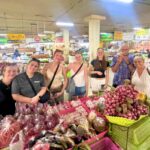
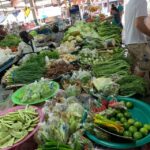
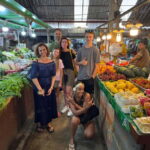
This class starts with a calm, focused run through a local market. Instead of rushing past stalls, you get taught the basics of what Thai cuisine relies on: how ingredients work together and how to select them properly. That might sound simple, but it’s the kind of skill that makes everything you cook later taste more like Thailand and less like “restaurant copy.”
You’ll also get an introduction to herbs and produce you’ll likely see at the farm. I like this sequencing because it builds a mental map before you go out into the garden and fields. You can look at something later and think, Oh, this is the herb we discussed and that’s why it matters.
Practical tip: wear shoes you don’t mind getting slightly dirty. Markets can be uneven, and you’ll be walking and standing while the instructor points out items.
You can also read our reviews of more tours and experiences in Chiang Mai.
Organic Farm Time: Mushrooms, Eggs, and Real-Life Rhythm
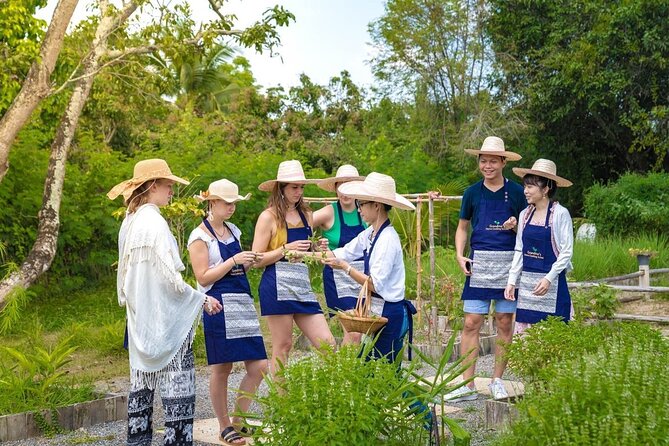
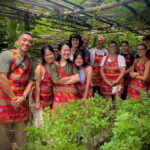
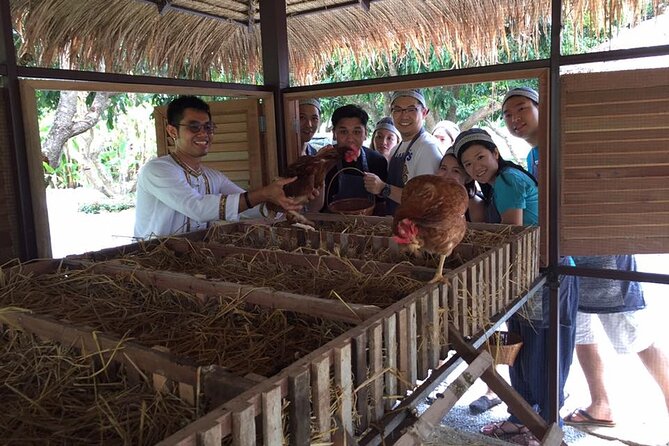
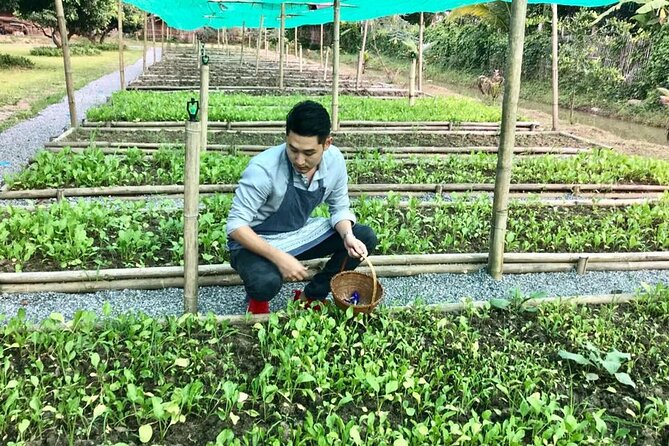
After the market, the tour shifts from shopping to work. You’ll go to an organic farm where you learn more about Thai herbs and vegetables, and you’ll also get hands-on farm activities. Based on the description, you can expect things like harvesting mushrooms and collecting chicken eggs.
This is where the experience feels most different from typical cooking classes. You’re not just learning recipes; you’re learning how ingredients come from the ground and the coop. That context helps when you’re later making soup, curry, or stir-fry, because you understand the ingredients as living things, not just pre-cut items.
Also, the setting is described as clean and well kept, with a strong “garden” feel. That matters because you’re there for a few hours in the morning. It’s not just a quick photo stop; you’ll actually hang around, listen, and participate.
Cooking in a Traditional Pavilion: How the Class Keeps You Moving
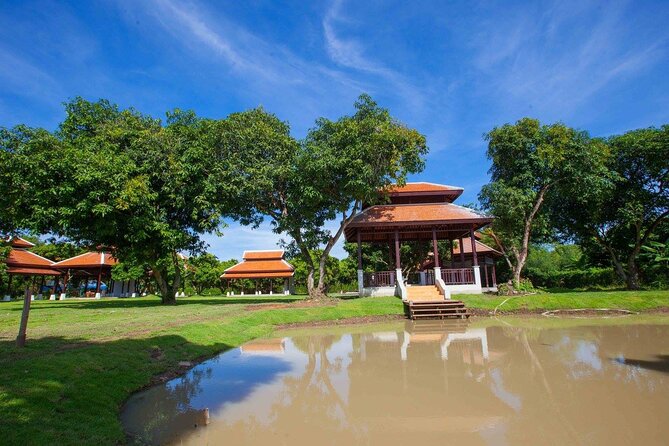
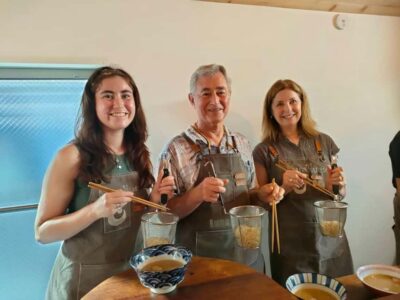
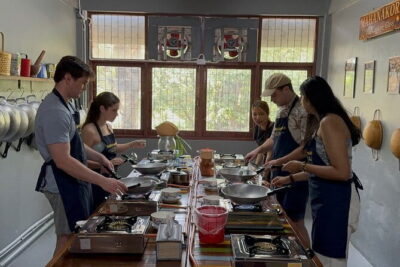
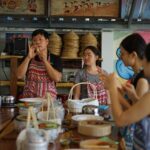
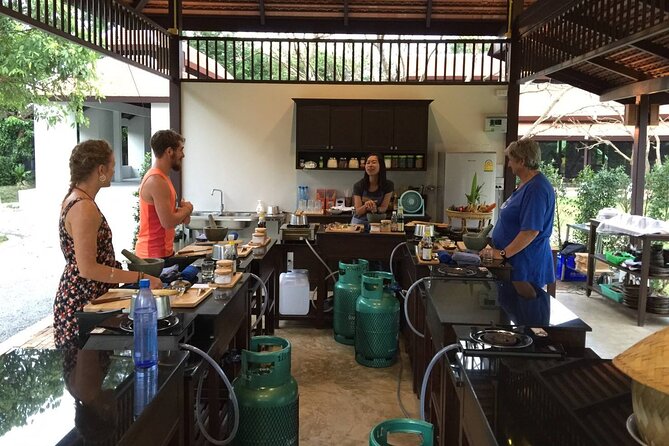
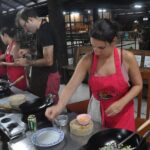
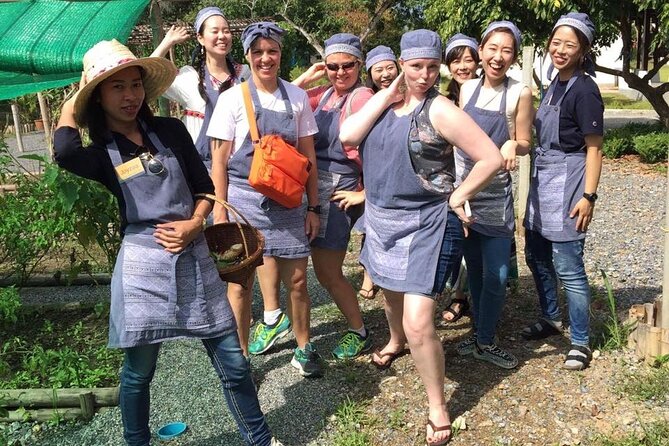
Once you get to the Thai-style pavilions, the class structure becomes the real value. There’s a maximum of 8 participants, and you have an individual cooking station. That’s a big deal for your learning. When a group is small, you can ask questions and get corrected without waiting forever.
The instructors demonstrate first, then it’s your turn. You’ll learn techniques step by step, which is exactly what you want if your cooking background is more “I can boil water” than “I own a wok thermometer.” The goal here is confidence: you should leave knowing what to do, not just what the dish is called.
One small caution: you’re cooking multiple dishes in one morning, so pace yourself. Even with step-by-step help, it helps to stay mentally present and follow the workflow rather than getting distracted by the garden or taking too many photos mid-cook.
The Dishes You’ll Cook: Three Core Items and How Choices Work
This class focuses on cooking three dishes across soup, stir-fry, and curry categories. The description lists options such as:
- Tom Yam (Hot and Sour Soup)
- Tom Kha (Coconut Soup)
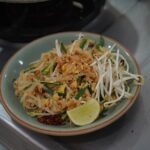
- Pad Thai (Thai Stir-Fried Rice Noodles)
- Green Curry
- Red Curry
In addition, dessert is served, with Mango Sticky Rice listed as the dessert option. There’s also mention that you’ll select one refreshment and one dish from categories including appetizer, stir fry, soup, curry, and dessert. In practice, what you end up cooking comes down to the menu options available that day and how your choices are slotted into the class plan.
The menu is also subject to change depending on the season and ingredient availability. I like that reality check. Thai cooking is seasonal by nature, so a class that adapts usually tastes more current and less “made-for-tourists.”
Soup, Stir-Fry, Curry: What You Learn in Each Course
You don’t just get random recipes here. The three categories are a smart way to learn Thai cooking because each one teaches different fundamentals.
Soup (Tom Yam or Tom Kha style)
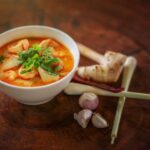
Thai soups rely heavily on balance—heat, sourness, and aromatic herbs. With options like Tom Yam and Tom Kha, you’re also exposed to two directions:
- the hot-and-sour vibe
- the creamy coconut side
Stir-fry (Pad Thai style)
Stir-fry is where timing matters. Noodles and aromatics can go from perfect to overcooked fast, so the step-by-step approach is useful. You’ll practice building flavor in stages and managing heat so you get that satisfying toss-and-mix texture.
Curry (Green or Red, plus curry technique)
Curry is where paste, herbs, and coconut (or other base flavors) come together. Even without every ingredient being explained like a science lab, the cooking process helps you understand what curry needs early versus what it needs later.
The biggest takeaway for you: you’ll come away with a framework for how Thai dishes are built, not only a list of ingredients.
Refreshments and Dessert: Mango Sticky Rice Plus One Pick
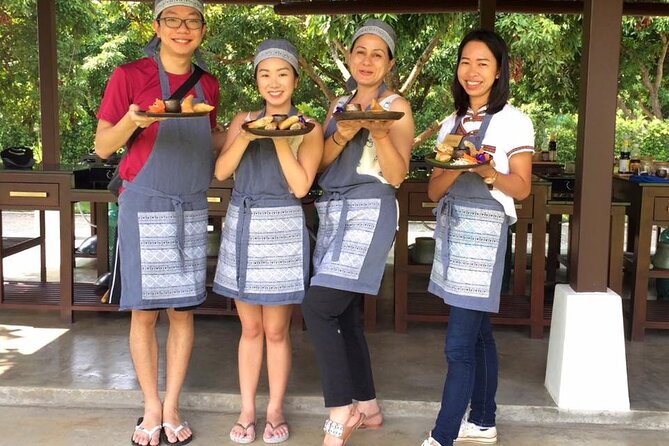
You’ll also have time for a refreshment choice and then dessert served. Mango Sticky Rice is specifically called out as the dessert. That’s a classic ending because it’s familiar enough to enjoy easily, but it still tastes like Thailand—sweet, creamy, and grounded by sticky rice texture.
I like dessert in a class setting because it gives you a natural finish line. You’ll have cooked three dishes, you’ll have tasted everything you made, and then you can relax without worrying about the “what next” feeling that some food tours create.
Group Size, Stations, and the Value of This Price
At $50.50 per person for about 4 hours, this is one of those deals that works best if you care about doing real prep and real cooking. You’re paying for:
- market ingredient instruction
- farm activities like mushroom harvesting and egg collecting
- a small-group cooking environment (max 8)
- step-by-step teaching
- three cooked dishes plus dessert served
- pickup offered (for many bookings)
The “value” here is not just the meal. It’s the combination of farm context + instruction + active cooking in a smaller group. If you’ve done cooking classes where everyone cooks the same basic dish and you’re basically waiting, this format should feel more worth your time.
Still, a practical note: if you’re very sensitive to morning schedules, 9:00 am starts can feel early. This is designed as a morning experience, so treat it like a morning plan, not a late brunch.
Meeting Point Reality: Tha Phae Gate and Getting There Smoothly
The class meets at Tha Phae Gate on Tha Phae Road, near the Chang Khlan area. It starts at 9:00 am and ends back at the meeting point.
The activity is near public transportation, which is helpful if you don’t want to depend entirely on pickup. And while pickup is offered, there’s been at least one experience where pickup didn’t happen on time and the school handled a taxi solution. That’s not the norm you should count on, but it’s enough that you should make a sensible plan for yourself.
My recommendation: confirm your pickup details before the morning, and keep the meeting point in mind as your backup route.
Who This Is Best For (and When to Skip)
This experience fits you best if you want Thai cooking taught with context—ingredients, herbs, and farm-life touches—not just a recipe sheet.
You’ll likely enjoy it if you:
- like hands-on learning more than watching
- want small-group attention (max 8)
- enjoy Thai classics such as Tom Yam, Tom Kha, Pad Thai, and curry dishes
- don’t mind a structured morning schedule
You might want to consider skipping if:
- you’re only interested in tasting and prefer not to cook
- you hate any possibility of logistics hiccups in the morning (even though the experience is described as well organized)
Should You Book This Chiang Mai Cooking Class?
If you’re choosing one cooking class in Chiang Mai and you care about authenticity and active participation, I think this one makes sense. The market-to-farm flow gives you a real sense of where ingredients come from, and the small-group format with individual stations makes it easier to learn.
Just go in with the right expectations: it’s a hands-on morning, the menu can shift with seasonal ingredients, and pickup should be treated as a helpful add-on—not your only lifeline. If that fits your travel style, this class is the kind of experience that leaves you with skills you can use long after you’ve left Thailand.
FAQ
How long is the morning cooking class?
It runs for about 4 hours.
Where does the experience start, and what time?
You meet at Tha Phae Gate (Tha Phae Road, Chang Khlan) with a start time of 9:00 am. The tour ends back at the meeting point.
Is pickup offered?
Pickup is offered.
What dishes will I cook?
You will cook 3 dishes, covering soup, stir-fry, and curry. Options include Tom Yam, Tom Kha, Pad Thai, and either Green or Red Curry, plus dessert is served.
Will the menu always be the same?
No. The menu can change depending on the season and the availability of ingredients.
What’s the cancellation policy and what happens with weather?
You can cancel for a full refund up to 24 hours before the start time. The experience requires good weather, and if it’s canceled due to poor weather, you’ll be offered a different date or a full refund.