REVIEW · TOKYO
Tokyo: Real Ramen & Dumpling Cooking with Master Chef
Book on GetYourGuide →Operated by LLC en · Bookable on GetYourGuide
Cooking ramen in Tokyo beats eating it out. This 2-hour class in Ekoda (Nerima) is a practical way to learn real ramen and gyoza from a pro, starting right at the station and ending with a bowl you built step by step. It’s also set up as a small group when possible, so you get more attention than you would in a big cooking room.
I especially liked how Yoshi and Amo teach in clear English, with patience and lots of small answers to big ramen questions. Second, I really value that you make the key components yourself: semi-soft eggs, toppings, chashu, gyoza, the noodles, and the final assembly.
One thing to plan around: the schedule is tight, and vegetarian ramen requires advance notice. If you arrive late, you may cut into class time, and same-day dietary changes might not work.
In This Review
- Key things to know before you book
- Ramen Lessons in Ekoda: Meeting Point and Timing That Actually Works
- Meet Yoshi and Amo: A Real-World Ramen Team Who Teach in English
- Your 2-Hour Plan: What You’ll Make, in Order
- From Nitamago to Soup Base: The Key Skills That Make Ramen Make Sense
- Semi-soft eggs and nitamago texture
- Ramen sauce and fragrant oil
- The broth stage
- Gyoza Folding and the Pan: How Dumplings Become a Skill
- Toppings, Noodles, and the Draining Trick That Changes the Bowl
- Vegetarian Ramen: How to Make It Work Without Losing Your Time
- What $99 Buys: Value Beyond the Bowl
- Who This Class Is For (and Who Should Skip It)
- Final Verdict: Should You Book This Ramen and Gyoza Class?
- FAQ
- How long is the cooking class?
- Where do we meet in Tokyo?
- Is pickup included, and what if I’m late?
- What language is the instruction in?
- What do we cook during the class?
- Is vegetarian ramen available?
- How many people are in a group?
- Do you get recipes to take home?
- What’s included in the meal?
Key things to know before you book
- Ekoda Station meeting point: pickup/wait happens at the out of ticket gate, and you should arrive 15 minutes early.
- English instruction: Yoshi and Amo keep things clear and answer questions as you cook.
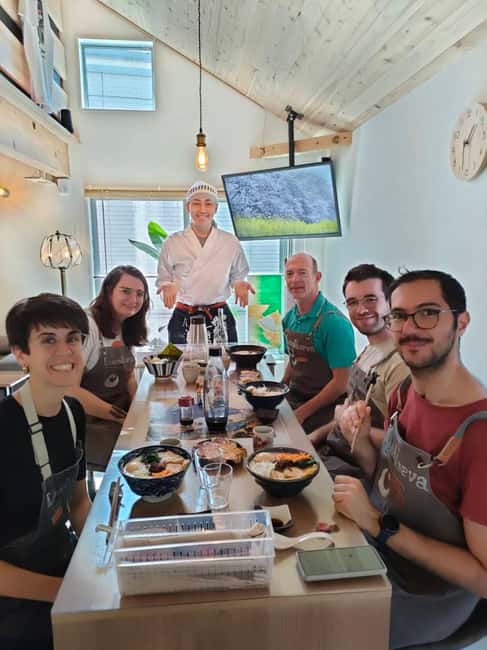
- Small group possibility: there may be up to four participants for more hands-on time.
- You build ramen from components: eggs, chashu, soup, noodles, toppings, then assemble.
- Vegetarian option needs planning: request it in advance so they can set it up for you.
Ramen Lessons in Ekoda: Meeting Point and Timing That Actually Works
This class starts with a simple goal: get you to the kitchen without stress. Your meeting point is Ekoda (Egota) Station in Nerima. The address given is 1 Chome-78 Asahigaoka, Nerima City, Tokyo 176-0005. The pickup is included, but you need to be where they tell you to be—specifically at the out of ticket gate area.
They’ll wait for you for about 15 minutes before the class starts. That’s not just politeness; it’s because the kitchen routine is timed. Late arrival might reduce your class time, and with ramen, every step has a clock attached (eggs, gyoza timing, noodle boil).
Two transport tips matter here:
- Use the Seibu Ikebukuro Line route, not JR.
- Don’t take the Rapid. It may skip Ekoda. Use the Local train so you actually stop at Ekoda (Egota) Station.
If you’re landing in Tokyo with limited cell service, this is a good place to be prepared. They suggest saving their phone number to WhatsApp so you can message/call when WiFi is the only option.
You can also read our reviews of more tours and experiences in Tokyo.

Meet Yoshi and Amo: A Real-World Ramen Team Who Teach in English
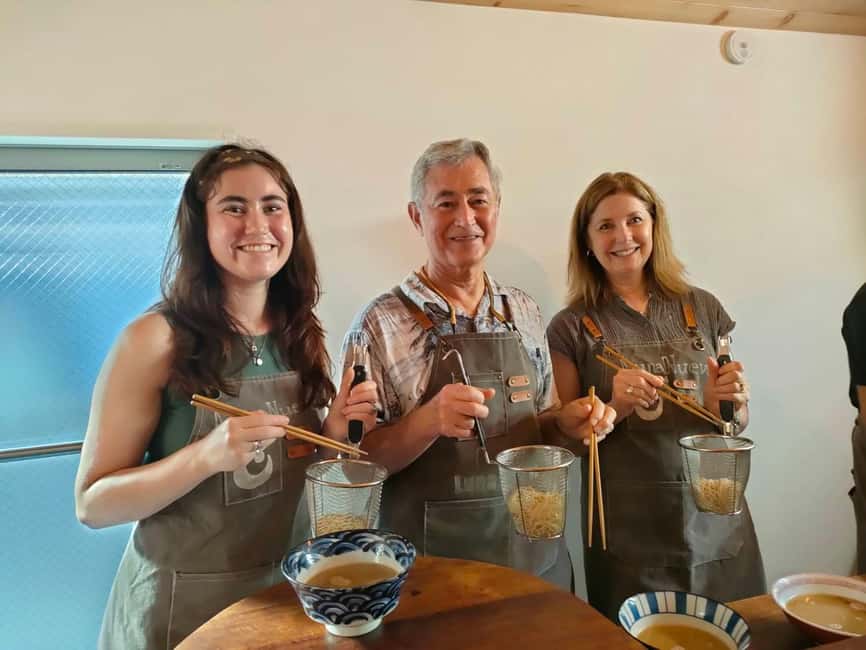
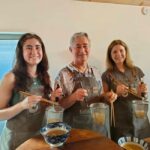
The heart of the class is the teaching duo: Yoshi and Amo. Yoshi is the main ramen chef instructor. He’s not just a home-cook type of teacher—he’s described as having run restaurants, including with experience abroad, and he even had his own restaurant in Sydney, Australia. Amo is there to keep the flow smooth and help with communication.
In English, that matters a lot. Ramen can feel like a mystery dish if you only watch it happen. Here, you get explanations you can actually use: what each part does, why timing matters, and how to handle techniques like draining and assembling. Even when you’re not a confident cook, the class tone stays supportive rather than intimidating.
And because this is a smaller group when possible, you’ll likely get answers that fit your questions, not a generic lecture you can’t pause.
Your 2-Hour Plan: What You’ll Make, in Order
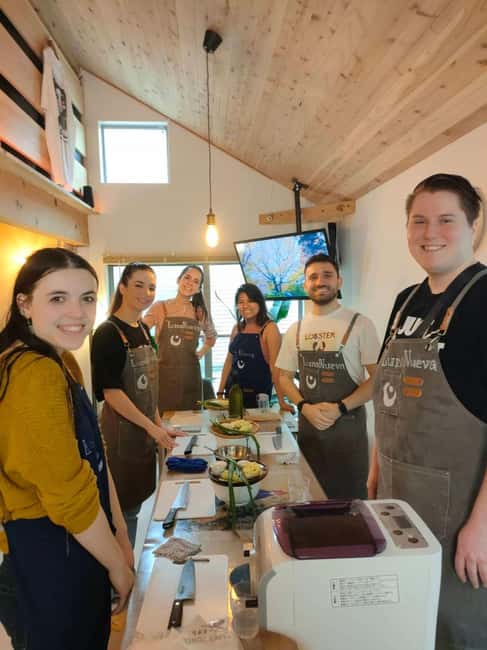
The class runs for 2 hours, and it follows a clear sequence so you always know what’s coming next. Expect a hands-on rhythm rather than standing around.
Here’s the practical flow you should anticipate:
First, you’ll craft semi-soft boiled eggs. These are a big deal in ramen culture because the yolk texture is part of the experience, not just a garnish. You’ll also work with nitamago (a seasoned running yolk egg), which is listed as included.
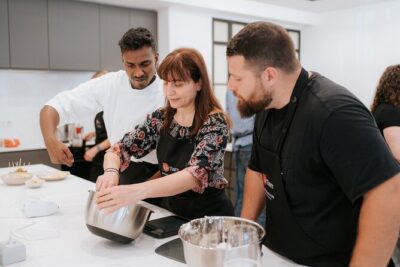
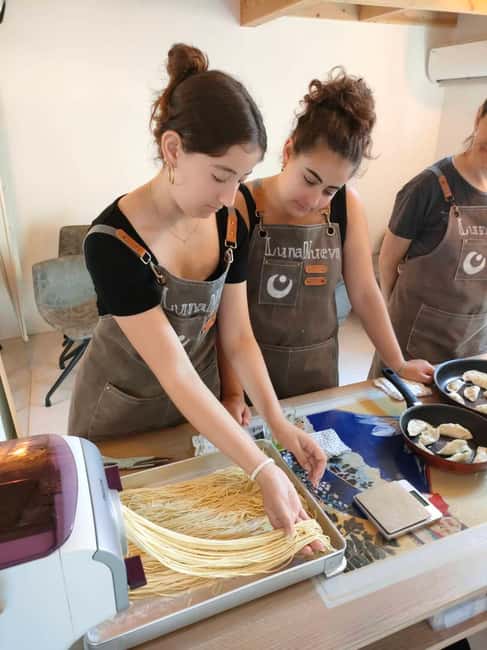
Next, you prep ramen toppings. Then the work shifts to dumplings: you slice and combine ingredients for gyoza, and you’ll fold them—so you aren’t just watching anyone else shape the dumplings.
After that comes the part people remember: chashu. You’ll infuse and handle the flavors for the slow-cooked pork component, described in the included list as chashu (slow cooked chicken) for this specific class menu.
Then the gyoza gets cooked. You’ll sizzle them up, timing it so they come out properly rather than soggy.
The grand finale is the ramen build:
- You’ll craft the soup
- Boil the noodles
- Use the noodle draining technique that gets attention because it’s a simple step with noticeable results
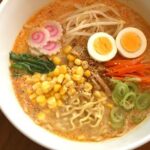
- Assemble toppings onto the finished ramen bowl
At the end, you eat what you made. And you also get recipes after the lesson.
From Nitamago to Soup Base: The Key Skills That Make Ramen Make Sense
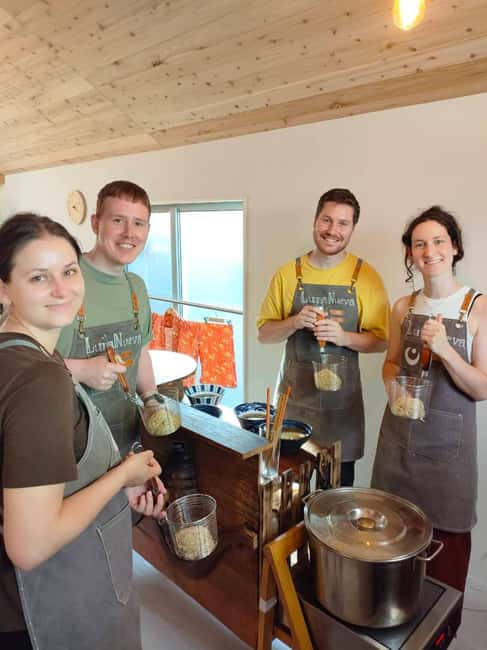
A ramen bowl is more than noodles and broth. This class teaches you the logic of ramen, one component at a time.
Semi-soft eggs and nitamago texture
They start with semi-soft boiled eggs, then you work with nitamago—a running-yolk style egg. The value here is the technique. When you understand how to hit the yolk texture, you can replicate the look and mouthfeel at home without guessing.



Ramen sauce and fragrant oil
They set up core ingredients for you ahead of time—soup and ramen sauce, along with fragrant oil and chashu—so you can focus on learning the steps that matter most. You still do the real prep and assembly work, but you’re not stuck doing every single production step from scratch in two hours.
The broth stage
When it’s time to craft the soup, you learn the sequencing of combining broth elements so flavors come together. Even if you don’t become a ramen chemist afterward, you’ll walk away with a clearer idea of what makes ramen taste like ramen instead of just warm noodles in salty water.
If you want practical value, this is where it lands. You’re not just making food. You’re learning a repeatable method.
Gyoza Folding and the Pan: How Dumplings Become a Skill
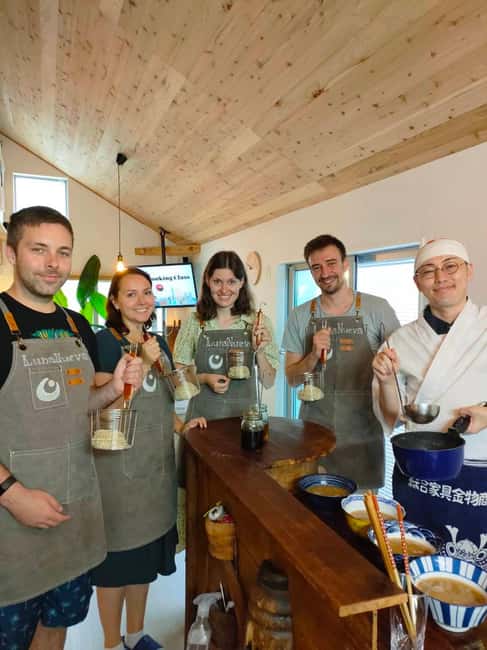
Gyoza is the other main event here, and it’s handled in a very teachable way.
You’ll:
- Slice and combine gyoza ingredients
- Fold the dumplings yourself
- Cook them so you get the right result from heat and timing
That folding step is surprisingly satisfying. It’s also one of the best learning moments because it forces you to slow down and understand structure. If you’ve ever eaten gyoza and wondered why some are crisp and others aren’t, this is the part that gives you the answer in your hands.
The class menu also lists wood ear fungus and seaweed as toppings/components you’ll work with. Those ingredients matter in ramen culture because they add texture and depth, not just flavor.
Toppings, Noodles, and the Draining Trick That Changes the Bowl
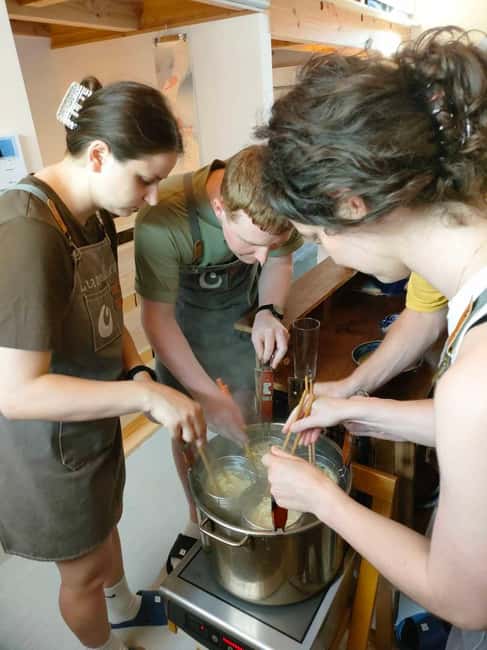
This is where you get the final assembly—and the part you’ll be proud to photograph before you eat.
You’ll add:
- Nitamago (seasoned running yolk egg)
- Chashu (listed for this class as slow cooked chicken)
- Seaweed
- Sliced spring onion
- Wood ear fungus
- Plus whatever ramen topping elements you prep during class
But the standout technique people notice is the noodle draining method. It’s described as a cool technique and, in ramen, it’s also a practical one. Drain too loosely and noodles sit in water. Drain too hard and you lose the exact texture you’re aiming for. Doing it together once makes it much easier to remember when you cook later.
The teaching point: ramen isn’t only about flavor. Texture matters just as much.
Vegetarian Ramen: How to Make It Work Without Losing Your Time
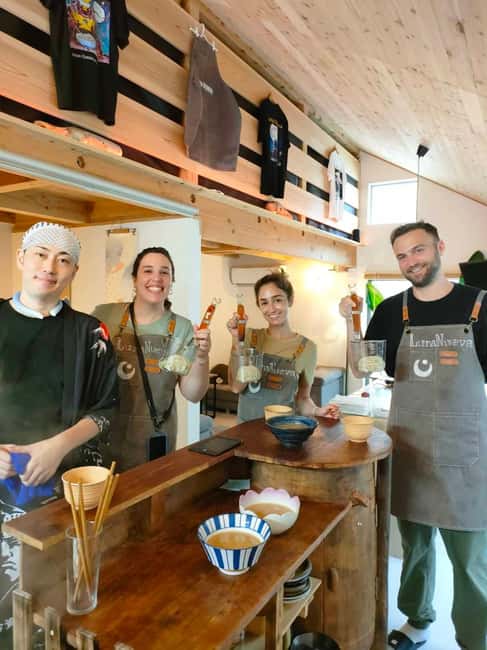
If you want the vegetarian ramen option, the biggest rule is simple: inform them in advance. The class explicitly says they can’t accommodate vegetarian requests on the same day without prior notice.
So before you go, decide how strict you want to be and message your preference early. Once they know, they can set up the ingredients so you can follow the class flow without major changes midstream.
This matters for value. The class is timed. If your dietary option triggers last-minute swaps, you could lose time on prep or assembly. Planning ahead keeps the experience smooth.
What $99 Buys: Value Beyond the Bowl
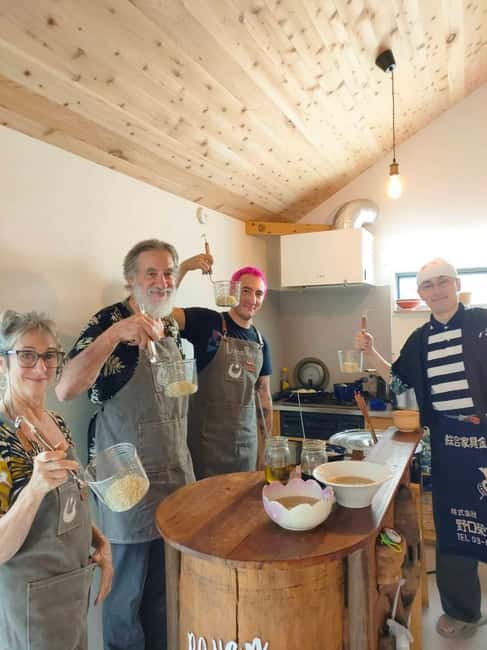
At $99 per person for 2 hours, you’re paying for much more than a meal. You’re paying for instruction, ingredients, and the chance to make a dish you can recreate.
Here’s what’s included on the menu:
- Ramen and gyoza (5 pieces)
- Ramen topping components
- Nitamago (seasoned running yolk egg)
- Chashu (slow cooked chicken for this class)
- Seaweed, sliced spring onion, and wood ear fungus
Also, the recipes are part of the deal. They mention that after the lesson, they’ll send all recipes by email. Multiple people highlight that the written recipes come afterward, which turns this from a one-time stunt into something you can actually cook again.
In addition, there are small extra perks that show up in the experience:
- You might receive complimentary merchandise
- You may see t-shirts sold (self-designed)
- There’s mention of buying a custom apron so you can keep cooking at home
Those aren’t required. But they add a fun Tokyo souvenir layer that feels connected to the lesson, not random.
If you’re doing multiple food experiences while in Tokyo, this one is strong value because you leave with a skill, not only memories.
Who This Class Is For (and Who Should Skip It)
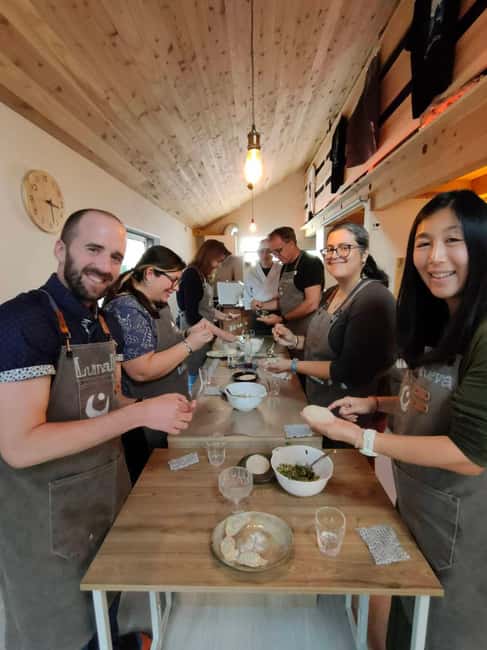
This class fits best if you want:
- A hands-on cooking experience in Tokyo
- To learn ramen in English with a real chef background
- A step-by-step method you can repeat at home
- Something family-friendly in spirit, since you cook with your group during the session
It’s especially good if ramen has been on your Tokyo “eat and hope” list. After this, you’ll know what you’re tasting.
You might consider skipping or at least planning carefully if:
- Your schedule is tight and you can’t reliably arrive on time for the station meeting
- You need vegetarian ramen but didn’t arrange it in advance
- You prefer purely observational experiences (this is hands-on by design)
Final Verdict: Should You Book This Ramen and Gyoza Class?
I’d book it if you want Tokyo food knowledge with real output. The best part is the teaching: Yoshi and Amo guide you through the whole ramen logic, from eggs to noodle timing to assembling toppings. You get a small-group feel at times, and you’re not left guessing.
If you show up prepared—local train, correct station, early arrival—and you message about vegetarian needs ahead of time, the class runs like it should: smooth steps, clear English, and a bowl you earned.
FAQ
How long is the cooking class?
The class duration is 2 hours.
Where do we meet in Tokyo?
You meet at Ekoda (Egoda) Station, out of the ticket gate area. The address listed is 1 Chome-78 Asahigaoka, Nerima City, Tokyo 176-0005, Japan.
Is pickup included, and what if I’m late?
Pickup is included in the sense that the instructor will wait for you for 15 minutes at the out of ticket gate area. Late arrival might reduce the class.
What language is the instruction in?
The class instruction is English.
What do we cook during the class?
You’ll make ramen and gyoza. The menu also includes nitamago (seasoned running yolk egg) and chashu (slow cooked chicken), plus ramen toppings like seaweed, spring onion, and wood ear fungus.
Is vegetarian ramen available?
Yes, vegetarian ramen is available, but you need to inform them in advance. Same-day requests may not be accommodated.
How many people are in a group?
There’s a possibility of a small group up to four participants.
Do you get recipes to take home?
Yes. The class says they will send the recipes after the lesson.
What’s included in the meal?
You’ll get ramen and gyoza (5 pieces), along with ramen toppings and the listed components such as nitamago, chashu, seaweed, spring onion, and wood ear fungus.