REVIEW · KYOTO
Private Kyoto Sushi Cooking Class & Tea Ceremony with Emika
Book on Viator →Bookable on Viator
Cook Kyoto comfort food in a real home. The matcha ritual starts you gently, and the tea ceremony at the end gives the whole 3 hours a calm, complete feeling. What I like most is the hands-on Obanzai focus and the fact that Emika uses vegetables she grows herself, so the ingredients aren’t just “local,” they’re personal to the lesson.
One thing to plan for: there’s no hotel pickup, and the meeting point is a short walk from public transport, so build in time to find the neighborhood streets.
In This Review
- Key Things That Make This Class Worth Your Time
- A Kyoto Cooking Class That Actually Feels Like Kyoto
- Finding Emika in Nishikyo Ward (And Why the Walk Is Part of It)
- Matcha First: How the Tea Shapes the Whole Experience
- The Main Lesson: Sushi of Your Choice Plus Kyoto Vegetable Dishes
- What the Cooking Skills Actually Look Like
- Lunch or Dinner Together: The Meal You Make and Eat
- Drinks Pairing: Local Alcohol and Matcha with Food
- Optional Market Tour: Shop for Ingredients Like a Local (After You Cook)
- Value: What $109 Buys You in Kyoto
- Who This Fits Best (And Who Might Want to Think Twice)
- My Practical Advice Before You Book
- Should You Book Emika’s Kyoto Sushi Cooking Class and Tea Ceremony?
- FAQ
- How long does the cooking class last?
- Is this experience private?
- Where do I meet Emika?
- Does it include matcha tea?
- What will I cook during the class?
- Can I choose between sushi and Obanzai menus?
- Is lunch or dinner offered?
- What’s included in the drinks?
- If I choose the Market tour, when does it happen?
- Do I need hotel pickup?
- Sources of Practical Planning Questions (Quick Reminders)
Key Things That Make This Class Worth Your Time
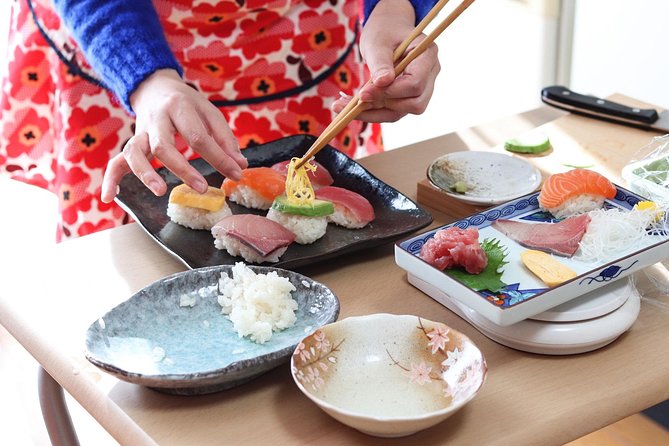
- Matcha at the start, tea ceremony at the end for a full Kyoto-style rhythm
- Garden-fresh vegetables used in the dishes, including Obanzai sides
- Sushi menu choice (sushi or an Obanzai-leaning meal) based on what you request
- Private group setup so you can ask questions and move at a comfortable pace
- Optional market tour after lunch, so you cook first, shop second
- Alcohol and matcha pairings included (1–2 glasses of local drink)
A Kyoto Cooking Class That Actually Feels Like Kyoto
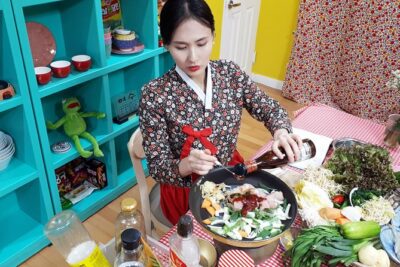
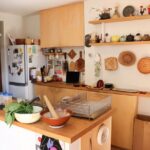
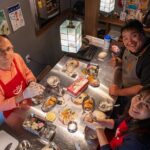
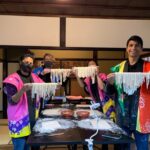
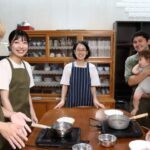
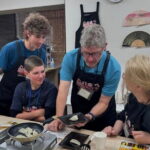
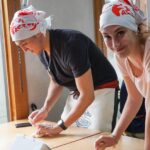
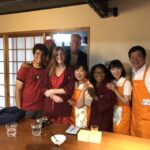
Kyoto is famous for looking composed. This class is the opposite of staged. Emika opens her home to visitors so you can learn cooking the way it happens around a real kitchen table: talk, cook, taste, adjust, ask questions, and eat what you made.
The lesson centers on Japanese home cooking, especially Obanzai style dishes. Think seasonal vegetables treated with care. It’s not about flashy presentation. It’s about balance, texture, and ingredients that taste like they came from a morning harvest.
I also like that this isn’t a one-note experience. You’re not only making sushi. You’re also making miso soup and tofu-style dishes, plus two vegetable sides in the Obanzai tradition. That gives you a wider view of Kyoto flavors, not just one technique.
You can also read our reviews of more tours and experiences in Kyoto.
Finding Emika in Nishikyo Ward (And Why the Walk Is Part of It)
The meeting point is 31-30 Katsurainariyamachō, Nishikyo Ward, Kyoto, 615-8025. There’s no hotel pickup, so you’ll go on your own using public transportation.
In practice, this means a short walk from the nearest station. The route is the kind of Kyoto street experience that feels charming, but it’s also winding and easy to misread if you’re rushing. If you rely on your phone, use offline maps or keep the route open so you don’t lose time. It’s worth it: the neighborhood walk sets you up for the fact that this is a home visit, not a commercial cooking school.
Matcha First: How the Tea Shapes the Whole Experience
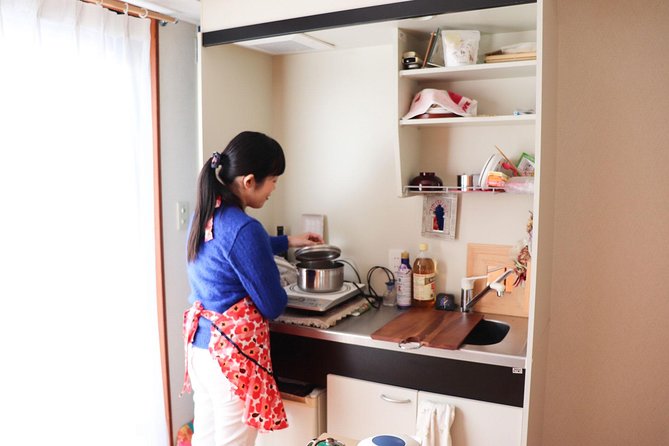
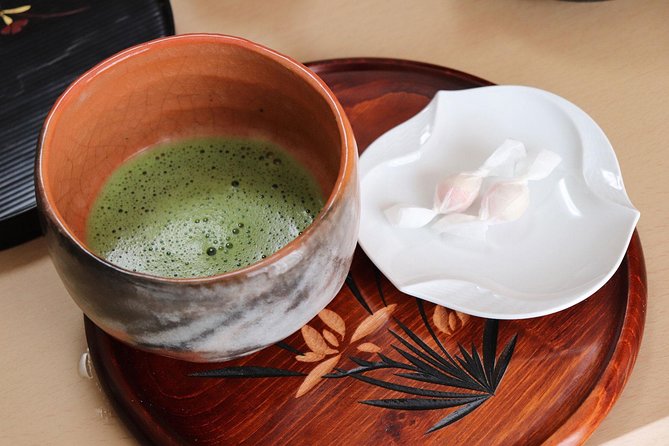
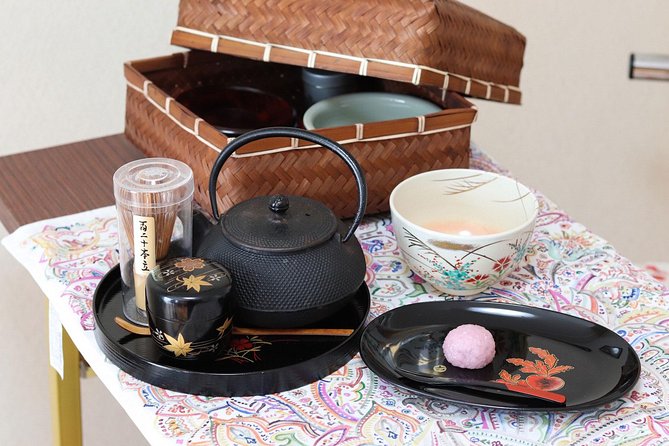
This class starts with a cup of traditional matcha green tea, freshly prepared by Emika or her father. That first drink matters more than it sounds. It’s a little reset. It also puts you in the right mood for Kyoto-style pacing—measured, attentive, and not rushed.
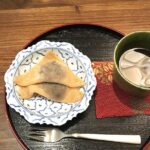
Then, after cooking and eating, the experience ends with a tea ceremony. The sequence is smart: you learn the food, you eat it, and you close with tea, so everything you tasted has a calm landing point.
If you’re a tea person, you’ll enjoy how matcha isn’t treated as a random beverage. It’s part of the flow, from start to finish.
The Main Lesson: Sushi of Your Choice Plus Kyoto Vegetable Dishes
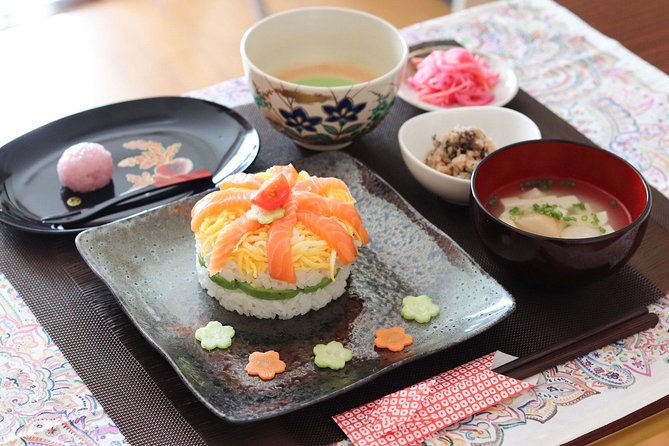
The cooking portion runs about an hour before you sit down together. During that hour, you’ll make either sushi of your choice or a traditional main, plus two Obanzai style vegetable dishes.
Here’s how to think about the menu options. When you book, you can tell Emika if you’d prefer a sushi menu or an Obanzai-focused menu. If you have dietary restrictions or allergies, you should also share them at booking time so she can plan appropriately.
In terms of dishes, the class leans into what Kyoto homes tend to make:
- marinated mushrooms
- slow-cooked vegetables
- miso soup
- tofu-based dishes
- seasonal vegetables that change with the ingredients available
You won’t just be following steps. You’ll learn the why behind key moments—how sushi rice should feel, how miso soup is built, and how vegetable sides get their flavor.
What the Cooking Skills Actually Look Like
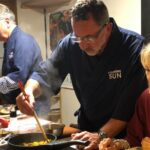
You don’t need cooking confidence to enjoy this. The teaching approach is patient and structured, with clear instructions and room for questions. That matters, because sushi can feel intimidating until someone shows you the rhythm.
From the dishes you’re making, you’re likely to come away with practical skills like:
- how to prepare sushi rice properly
- how to assemble nigiri-style sushi pieces (or your chosen sushi format)
- how miso soup is put together and served
- how to season and handle vegetables for Obanzai-style sides
More than recipes, you’re learning technique and order. That’s what helps you repeat the meal at home without turning your kitchen into a stressful experiment.
Lunch or Dinner Together: The Meal You Make and Eat
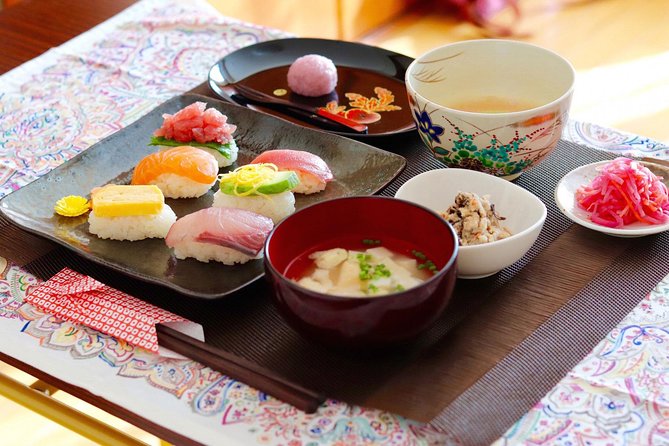
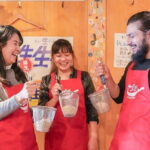
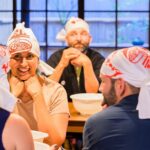
After the cooking hour, you eat what you cooked. The shared meal is a big part of why this format is so satisfying. You don’t just get a plate at the end. You get to taste your results immediately, while the kitchen lesson is still fresh in your head.
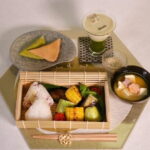
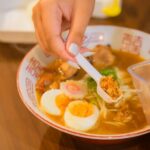
The menu structure usually follows the Kyoto home-cooking pattern: sushi plus miso soup and vegetable sides. It’s a comfortable spread that feels balanced rather than heavy.
If you’re someone who likes understanding a cuisine through multiple courses, this works well. You’ll get both the hands-on fun of sushi making and the gentler, everyday flavors of Obanzai.
Drinks Pairing: Local Alcohol and Matcha with Food
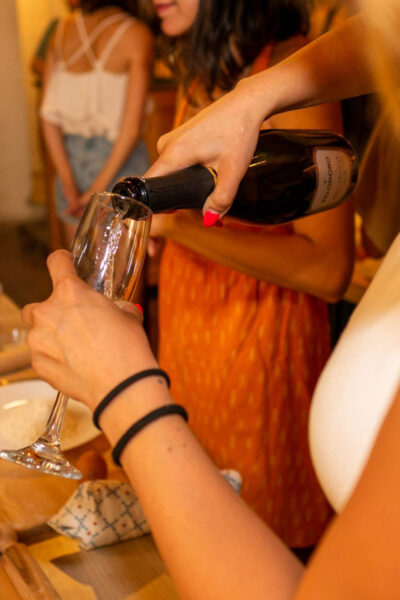
This experience includes local alcohol—typically 1–2 glasses—plus matcha as part of the tea experience. One review notes nigori sake as a choice, and that’s exactly the kind of detail that helps you understand the vibe: the drinks are there to support the meal, not distract from it.
If you prefer tea over alcohol, matcha is already a core part of the experience. Either way, you’ll be eating foods that match nicely with something warm and slightly sweet, or with the earthy brightness of green tea.
Optional Market Tour: Shop for Ingredients Like a Local (After You Cook)
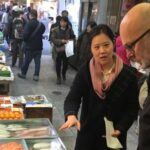
If you choose the Market tour option, Emika adds a 1-hour tour to a supermarket and produce store where locals shop. This happens after your cooking class and after lunch (not before).
Once the meal is done, you walk about 10 minutes to the market area. The timing is smart: you already cooked, so you can connect ingredients to what you tasted.
In the market, Emika can point out Japanese food products and spices that people use often at home. You can also ask for help purchasing ingredients you want to take back.
Practical note: this option is best if you’re the type who likes recreating meals at home. If you only want the cooking and eating part, you can skip it and keep your schedule simpler.
Value: What $109 Buys You in Kyoto
At $109 per person for about 3 hours, the value comes from how the time is used. You’re paying for:
- private, home-based instruction
- cooking plus a shared meal
- matcha service at the start and a tea ceremony at the end
- local drinks (1–2 glasses)
- and, if you add it, a market tour afterward
It’s also booked fairly far in advance on average, which usually signals something. When a class consistently sells, it’s often because people feel they got more than a worksheet and a quick demo.
You can think of this as three experiences folded together: cooking lesson, sit-down meal, and cultural tea closure. Even if you’re not a “food hobbyist,” that structure gives you a complete evening or lunch plan.
Who This Fits Best (And Who Might Want to Think Twice)
This is a strong fit if:
- you want a private Kyoto experience rather than a crowded classroom
- you like hands-on cooking with clear guidance
- you want Obanzai vegetables, not just one sushi technique
- you enjoy cultural details like tea customs
- you’re traveling with a range of ages and skill levels (the relaxed setup works well for families)
It can also work well for vegetarians. One review specifically highlights that Emika accommodated a vegetarian preference, which tells me she’s used to planning around different needs when you communicate ahead.
One consideration: it’s not an “easy button” if you rely on hotel pickup. You’ll need to manage your own arrival and meeting time, and then return to the meeting point. If that’s a hassle for your trip style, you might prefer an experience with pickup.
My Practical Advice Before You Book
Here’s what I’d do to get the best experience:
- Choose your menu preference when booking so Emika prepares the flow that matches what you want.
- Send dietary needs early if you have allergies or restrictions. This experience explicitly asks you to advise at booking time.
- Plan your day around a relaxed 3 hours. This is not a quick stop between trains.
- If you want ingredients to take home, pick the Market option and bring a little space in your luggage.
Also, check whether your schedule is better for lunch or dinner. Either option is offered, and you’ll enjoy the food more if you match it to your energy level that day.
Should You Book Emika’s Kyoto Sushi Cooking Class and Tea Ceremony?
I’d book it if you want Kyoto in a format that’s personal, food-focused, and calm. The standout value is the combination: matcha + hands-on cooking + Obanzai sides + meal + tea ceremony, all taught in a private home setting with garden-fresh ingredients.
Skip it only if you strongly dislike planning your own transport or you want a more generic, studio-style class. This one is designed for people who like real kitchens, real conversation, and learning food you can repeat later.
If that sounds like you, Emika’s class is one of the easiest “yes” calls you can make in Kyoto.
FAQ
How long does the cooking class last?
It’s listed as about 3 hours (approximately).
Is this experience private?
Yes. It’s a private tour/activity, and only your group participates.
Where do I meet Emika?
You meet at 31-30 Katsurainariyamachō, Nishikyo Ward, Kyoto, 615-8025, Japan.
Does it include matcha tea?
Yes. The experience starts with a freshly made cup of traditional matcha green tea, prepared by Emika or her father, and it ends with a tea ceremony.
What will I cook during the class?
You’ll learn to make sushi of your choice or a traditional main, plus two Obanzai style vegetable dishes. The meal may include items like miso soup and tofu dishes.
Can I choose between sushi and Obanzai menus?
Yes. You should inform Emika if you would prefer a sushi or Obanzai (native Kyoto) menu when making your booking.
Is lunch or dinner offered?
Yes. You can choose lunch or dinner.
What’s included in the drinks?
The class includes local alcohol (1–2 glasses).
If I choose the Market tour, when does it happen?
If you choose the Market tour option, the 1-hour supermarket/produce tour happens after your cooking class and lunch. You’ll walk about 10 minutes to the supermarket.
Do I need hotel pickup?
No. Hotel pickup and drop-off are not included.
Sources of Practical Planning Questions (Quick Reminders)
- The experience allows service animals.
- If you need help due to allergies, dietary restrictions, or cooking preferences, you must advise Emika at booking time.
- Free cancellation is offered up to 24 hours in advance for a full refund.