REVIEW · KYOTO
Kyoto Ramen Spoon Painting & Michelin Cooking Class
Book on Viator →Operated by 無双心ラーメンアカデミー · Bookable on Viator
Ramen, then a souvenir you bake. This Kyoto experience pairs ramen spoon painting with hands-on ramen cooking, all tied together inside a real ramen restaurant. I like that it’s small-group (up to 12) and run by Musoshin Ramen Academy, so you get real step-by-step help. One possible drawback: the spoon is baked in a kiln overnight, so it’s more of a keepsake process than a quick paint-and-leave moment.
Here’s the clever part: you start the day with temple stops in Kyoto, then shift gears to a practical cooking lesson where you learn how ramen actually comes together. The chef-led pace is friendly, and the result is dinner you made with your own hands.
If you’re hoping for a long sightseeing day with lots of wandering time, this isn’t that. It’s a tight, focused class (about 1 hour 30 minutes), built around making and eating ramen.
In This Review
- Key things I’d watch for before you book
- Temple-to-ramen flow: three Kyoto stops before the kitchen
- Ramen spoon painting: a souvenir you actually craft
- Inside Musoshin Ramen Academy: learning with a chef in a real kitchen
- The Michelin-style lesson: how ramen gets built, piece by piece
- Ingredients you learn to handle: noodles, broth, soy sauce, pork, and options
- Eating your results: no sad waiting, your bowl ends the session
- Small-group format (max 12): better pace, more hands-on time
- Price and value check for $65.89: what you’re really paying for
- Who should book this class in Kyoto, and who might hesitate
- Should you book Kyoto Ramen Spoon Painting & Michelin Cooking Class?
- FAQ
- How long is the Kyoto ramen spoon painting and cooking class?
- What does the experience cost?
- Is this a small-group activity?
- What do I make during the class?
- Will I get to eat the ramen I help make?
- Are vegetarian or vegan options available?
- How does the ramen spoon souvenir work?
- What is the cancellation policy?
Key things I’d watch for before you book
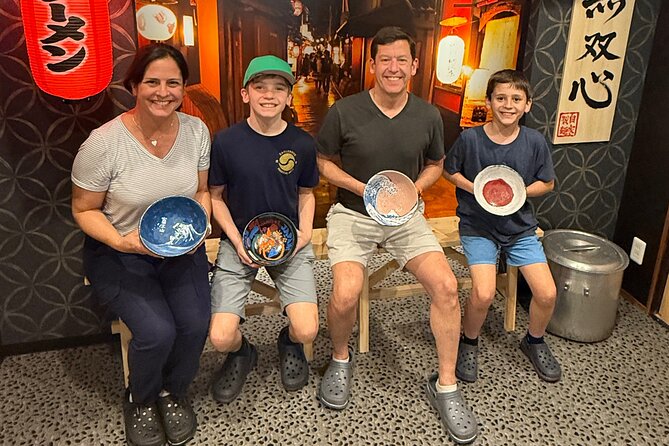
- You paint a ceramic ramen spoon that gets kiln-baked overnight, then becomes your souvenir
- You cook ramen components in a professional setup with chef-led instruction
- Musoshin’s in-house approach matters: noodles made in the shop, soup simmered for 12 hours, handmade soy sauce and roast pork
- Small group size (max 12) keeps the room from turning into a production line
- You can eat what you make at the end, so you’re not doing class-work on an empty stomach
- Vegetarian and vegan options are available, and allergies are handled
Temple-to-ramen flow: three Kyoto stops before the kitchen
This experience is built as a day-flow, not just a classroom. You’ll start near public transportation at the meeting point, then make stops at Kiyomizu-dera Temple, Kennin-ji Temple, and Sanjusangendo Temple before you move into the ramen workshop.
What I like about this combo is the rhythm. Kyoto can feel like a blur of shrines and streets, then you get a clear switch into something hands-on and modern. You also get a reason to keep your energy up: once the class starts, you’ll eventually eat the ramen you helped prepare.
A practical consideration: because the time window is about 1 hour 30 minutes total, you shouldn’t expect long pauses at each temple. Treat the temple stops as part of the atmosphere and context, not a full guided tour where you linger forever. If you want slow, deep temple time, pair this with extra independent sightseeing on a different day.
You can also read our reviews of more tours and experiences in Kyoto.
Ramen spoon painting: a souvenir you actually craft
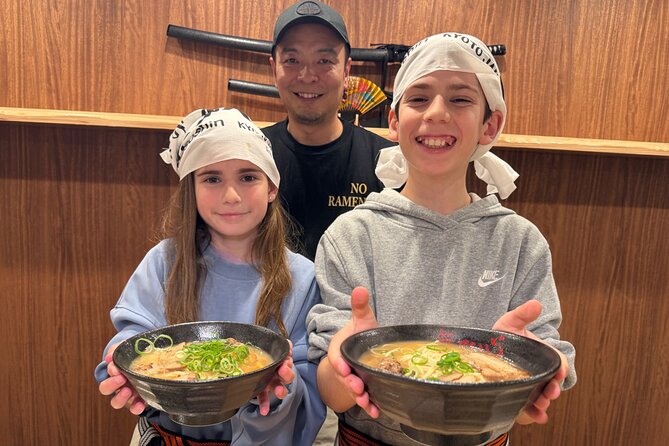
The ramen spoon is the star craft. In the restaurant workshop, you paint your own ceramic spoon, apron on, hands ready, and then the workshop handles the baking process. The information is clear: your spoon is baked in a kiln overnight.
That matters more than it sounds. Ceramic painting is one of those activities where the workshop’s follow-through is everything. If the baking didn’t happen correctly, your design would chip or fade. Here, the class is set up so the souvenir is more than a temporary decoration. One review even flags that people should not rush assuming they’ll finish everything in minutes.
You’ll also use tools and have parts of the meal connected to the class, including a ramen bowl and part of what you’ll eat. In plain terms, you leave with something you made, and it’s tied directly to the theme of your ramen.
Space note: one visitor described painting on the second floor and then going downstairs for the cooking prep. Even if your layout is a little different, expect a restaurant-style flow where you move between areas for the craft and the cooking.
Inside Musoshin Ramen Academy: learning with a chef in a real kitchen

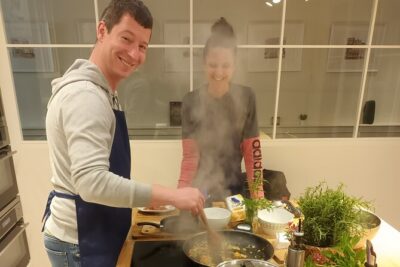
This isn’t a demo show where you watch and leave. You learn ramen methodology from a chef in a professional kitchen setting, and you cook alongside the instruction.
The tour is run by Musoshin Ramen Academy (無双心ラーメンアカデミー). Musoshin Ramen started in Kyoto in 2022 and now has six restaurants across Kyoto and Toronto. Musoshin in Toronto has been nominated for Michelin for three consecutive years, and the recipe is the same across locations.
I like that they don’t hide behind “secret sauce” talk. The teaching is step by step, including ramen components and even background about how ramen fits into the bigger story of what you’re making. In other words, you’re not only chasing a tasty bowl. You’re learning why each part exists.
You may meet instructors known from the program, including Master Shin and Chef Amiru (names mentioned by different participants). Either way, the tone comes through in how the class is run: energetic, patient, and hands-on, even for families.
Best fit: if you enjoy cooking and you want a skill you can repeat at home, this class is built for you. If you’re the kind of person who only wants to eat ramen and doesn’t care about technique, the craft plus cooking may feel like more effort than you planned.
The Michelin-style lesson: how ramen gets built, piece by piece
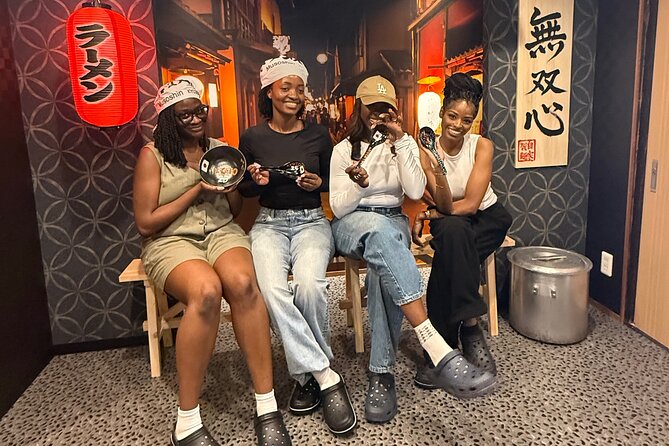
The class focuses on constructing ramen using components, not just boiling noodles and adding toppings. The structure is practical:
- You learn the ramen methodology behind how it’s assembled
- You handle ingredient prep and cooking steps in the workshop kitchen
- You finish by eating your ramen at the end
What makes the instruction feel credible is the way Musoshin describes their process. They insist on making ingredients in-house:
- Noodles made every morning in their shop
- Noodles left to sit overnight to use the next day
- Ramen soup simmered for 12 hours
- Ramen soy sauce and roast pork are handmade
That’s not random trivia. It’s the lesson behind the flavor. When a ramen shop controls the noodles, the broth time, and the sauce and pork, the cooking class can show you how those pieces influence taste. So even if you’re not matching their exact kitchen equipment at home, you’ll understand what to prioritize.
There’s also an important practical angle: if you want to recreate a similar result, you now know what’s driving the bowl. People often assume ramen is one recipe. This class nudges you to think like a builder.
Ingredients you learn to handle: noodles, broth, soy sauce, pork, and options
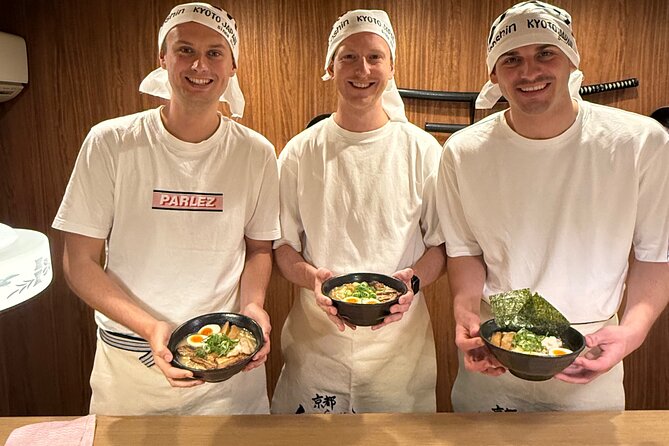
Musoshin’s approach is built around in-house production, and that shapes what you cook in the class. You’ll cook ramen components using ingredients brought from the restaurant.
From what’s described, you get a well-rounded lineup rather than only one step. For example, one participant specifically noted cooking the pork broth and vegetarian options. Another mentioned vegan/vegetarian options being available, and the class staff being patient and helpful for kids too.
Allergy handling also came up. If you have dietary restrictions, this is the kind of class where staff attention matters, because ramen involves multiple components. The information you’re given suggests they take allergies seriously, not as an afterthought.
One more consideration: because the ingredients are part of a structured workshop plan, you’re not ordering toppings à la carte. You’re cooking within the class format, with options available when requested. If you’re a picky eater and want full control, you might feel slightly limited.



Eating your results: no sad waiting, your bowl ends the session
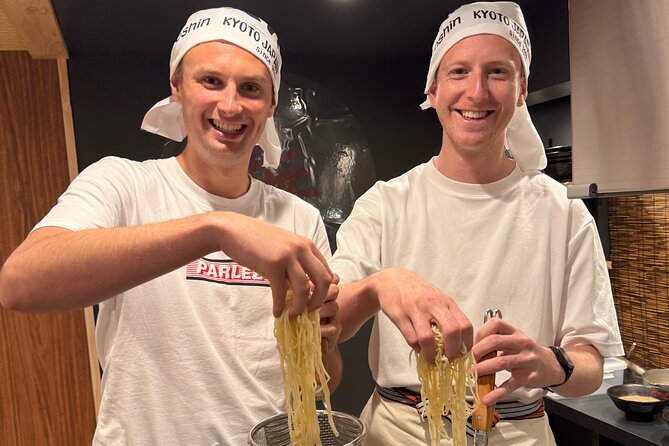
A lot of cooking classes end with a vague snack. This one ends with what you made, so the payoff arrives when you’re still in the middle of the experience.
The expectation is straightforward: no hunger pangs. You’ll feast on your delicious ramen at the end. That also changes the emotional feel of the class. You’re not spending money on learning alone. You’re spending money on learning plus dinner.
One nice bonus: you’re not just eating. You’ve painted the spoon, you’ve cooked the components, and you’ve connected the craft to the meal. That’s how this experience becomes a real memory, not just a ticket.
Small-group format (max 12): better pace, more hands-on time
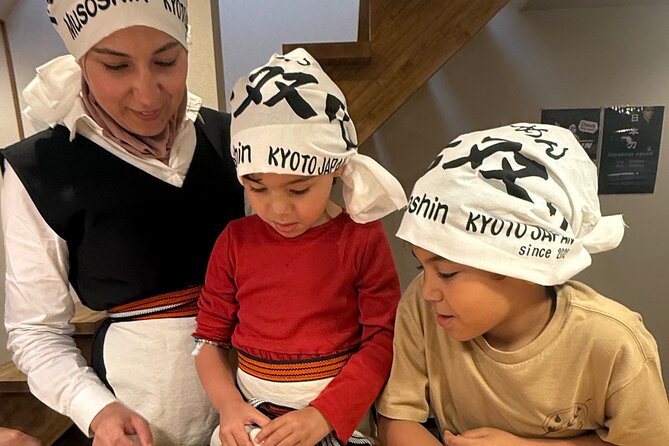
This is capped at 12 travelers. That small-group size is a big deal in a cooking class.
When groups are large, the chef has to move fast and you spend time waiting for your turn. With a smaller group, you’re more likely to get real feedback and help if you’re unsure about a step. That matches what people highlight: step-by-step teaching, energetic instructors, and a welcoming feel.
If you’re traveling with kids, this size also helps. Multiple participants mention the experience worked well for families, with instructors being gentle and engaging. A busy room can be stressful for children; a capped group feels more manageable.
Price and value check for $65.89: what you’re really paying for
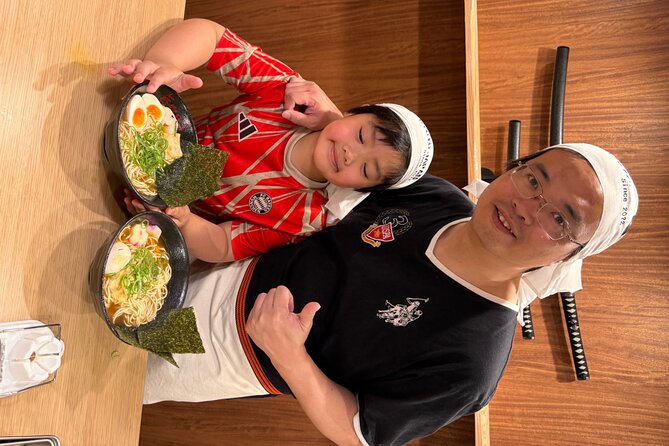
The price is $65.89 per person for an experience that runs about 1 hour 30 minutes, includes a mobile ticket, and centers on two main activities: craft and cooking.
Is it expensive? Compared to a casual ramen meal, yes. But you’re not just eating ramen. You’re:
- making a ceramic spoon souvenir
- learning ramen methodology in a professional kitchen
- using ingredients that come from the restaurant
- ending with a ramen meal you helped prepare
The value gets even clearer when you consider Musoshin’s process claims: noodles made daily, overnight resting, soup simmered for 12 hours, and handmade soy sauce and roast pork. You’re paying for access to that know-how in a format that turns techniques into something you can try yourself.
My practical advice: treat this as a skill-and-food experience, not a cheap attraction. If you’re a ramen person, the price starts to feel fair fast.
Who should book this class in Kyoto, and who might hesitate
I’d book this if you:
- love ramen and want to learn the “why” behind the flavor
- enjoy hands-on workshops and making something you can take home
- want a small-group experience where you’re not lost in the shuffle
- need vegetarian and/or vegan options and want a chef-run class
- are traveling as a couple, friends, or family and want one focused activity
I’d think twice if you:
- want long temple time and lots of wandering
- dislike structured cooking steps and prefer freeform dining
- need a very flexible schedule, since this runs as a specific class block
Also, plan your expectations around the spoon. It’s baked in a kiln overnight, so the souvenir experience has a built-in time component. The class is still set up so you end up with something to keep, but it’s not a one-minute paint session.
Should you book Kyoto Ramen Spoon Painting & Michelin Cooking Class?
If you’re planning a Kyoto trip and you want one experience that feels both local and hands-on, I’d say yes. This class gives you ramen cooking skills plus a ramen spoon craft that isn’t just decoration. The shop’s in-house approach to noodles, broth time, and handmade soy sauce and pork turns the lesson into something practical, not vague.
Book it if ramen is a priority and you like learning by doing. Consider it less if you’re temple-first and don’t want a timed workshop day.
If you’re on the fence, here’s the quick test: if you’d happily spend time cooking ramen even at home, you’ll love this. If you only want to eat ramen and move on, pick a bowl somewhere else and keep your day unstructured.
FAQ
How long is the Kyoto ramen spoon painting and cooking class?
It’s approximately 1 hour 30 minutes.
What does the experience cost?
The price is $65.89 per person.
Is this a small-group activity?
Yes. The maximum group size is 12 travelers.
What do I make during the class?
You paint a ceramic ramen spoon, and you also cook ramen during the workshop.
Will I get to eat the ramen I help make?
Yes. You’ll feast on your delicious ramen at the end of the class.
Are vegetarian or vegan options available?
Yes. Vegetarian and vegan options are available.
How does the ramen spoon souvenir work?
You paint your ramen spoon, and it’s baked in a kiln overnight.
What is the cancellation policy?
Free cancellation is available up to 24 hours in advance for a full refund.