REVIEW · KYOTO
Gyoza Cooking Class in Kyoto: Traditional Japanese Dumplings
Book on GetYourGuide →Operated by Factory Alliance · Bookable on GetYourGuide
Gyoza in Kyoto is the hands-on kind of fun. This 90-minute cooking class teaches you how to choose fillings, wrap dumplings, and pan-cook them so you get that crisp bottom and juicy bite people chase in Japan. I like that it works for both beginners and people who already cook, with patient, practical guidance that keeps the class feeling relaxed.
Two things I’d highlight: you get to personalize your meat and vegetable fillings, and you finish with dumplings you actually made. One possible drawback is simple: it is not suitable for wheelchair users, so you’ll want to plan for standing and moving around the workspace.
In This Review
- Key Points I Think You’ll Care About
- Kyoto Gyoza Class: A 90-Minute Skill You Can Reuse at Home
- Finding the Class Near Karasuma Oike Station (No Guesswork)
- Start With Ingredients and Fillings You Choose
- Wrapping Gyoza: The Technique That Makes Them Look Right
- Pan-Cooking: How to Get Crispy Bottoms (Without Guessing)
- The Photo With a Samurai: A Fun Kyoto Keepsake Moment
- What You Actually Eat (and Why It Feels Like the Point)
- English Support and the Instructor Style That Makes It Work
- Price and Value: Is $127 Worth It?
- Who Should Book This Kyoto Gyoza Workshop
- Should You Book This Kyoto Gyoza Workshop?
- FAQ
- How long is the gyoza cooking class?
- Where is the meeting point in Kyoto?
- What does the class cost?
- What’s included in the price?
- Are transportation costs included?
- What languages are offered?
- Can I choose between meat and vegetable fillings?
- Do I receive a recipe to cook gyoza at home?
- Is the class wheelchair accessible?
- What if I have allergies or dietary restrictions?
- What is the cancellation policy?
- Can I reserve now and pay later?
Key Points I Think You’ll Care About
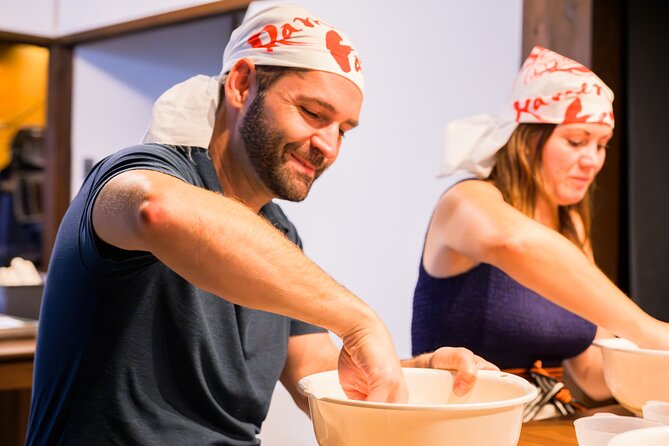
- Pick your own fillings with options that include meat and vegetables
- Learn wrapping technique so your gyoza don’t turn into dumpling confetti
- Cook in a pan and understand how that classic crispy-bottom method works
- Get a photo with a Samurai, a fun Kyoto keepsake moment
- Leave with the full recipe, so you can recreate gyoza at home
- English-speaking help plus tools included, which keeps the experience from feeling DIY-chaotic
Kyoto Gyoza Class: A 90-Minute Skill You Can Reuse at Home
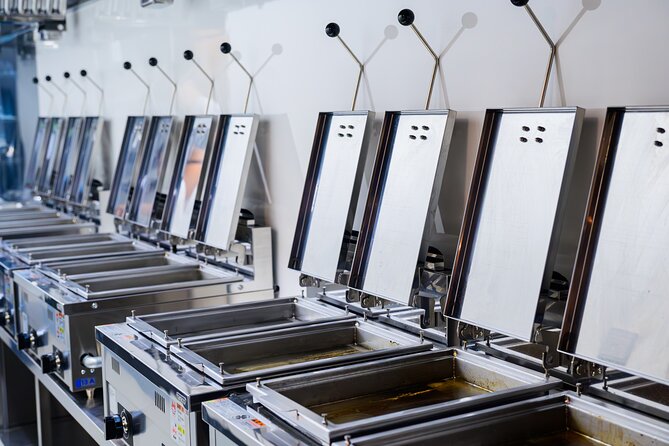
Kyoto has a way of making everyday food feel ceremonial. In this class, the focus stays practical: you’ll learn gyoza the way it’s done in Japanese kitchens—by doing it yourself, step by step, instead of watching from the sidelines.
The class runs 90 minutes, which is the sweet spot for a vacation activity. Long enough for you to really handle ingredients and get your hands on the technique, but not so long that you’re wiped out afterward. You’ll also get one free drink, so you’re not constantly looking for a place to buy something mid-class.
What you’re really buying is instruction plus confidence. Once you’ve made gyoza once, you’ll understand why some dumplings come out crisp and others turn soft. That “why” part matters, and it’s the difference between eating gyoza and cooking gyoza.
You can also read our reviews of more tours and experiences in Kyoto.
Finding the Class Near Karasuma Oike Station (No Guesswork)
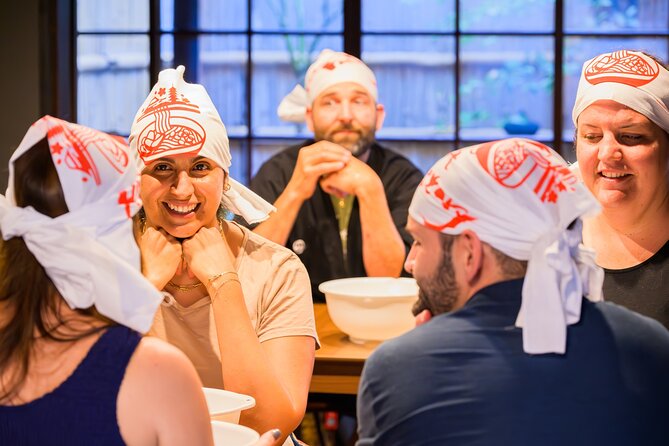
You meet close to public transit, which is a big deal in Kyoto where plans can fall apart if you waste time walking. The meeting point is a 5-minute walk from Exit 2 of Karasuma Oike Station (Kyoto City Subway Karasuma Line and Tozai Line). It’s listed as about 362 meters from the station, so even if you’re arriving right on time, you shouldn’t feel lost.
If you’re mapping it on your phone, save the station first. Then do the short walk after you exit—Kyoto station exits can be confusing at peak times, and this makes things easier.
Because transportation expenses aren’t included, plan to cover your own subway or taxi ride. I suggest arriving 10 minutes early so you can settle in without stress, especially if you’re hungry.
Start With Ingredients and Fillings You Choose
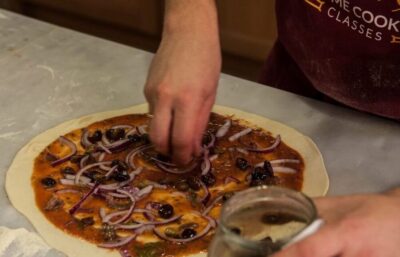
The heart of gyoza is the filling. Here’s what you can expect: you’ll learn how to select ingredients, then choose from a variety of meat and vegetable fillings. That matters because gyoza isn’t one fixed recipe. It’s a format you can customize.
I like that the class doesn’t force everyone into one “standard” option. People who want a lighter gyoza can lean into vegetable choices, while meat lovers can go deeper into flavor. One booking even noted they requested a veggie option and it worked well, which tells you this isn’t a rigid, one-size-fits-all situation.
You’ll also get guidance on how fillings should feel and taste before they hit the dumpling wrapper. That’s where the class earns its value—you’re learning to think like the cook, not just follow a step.
Wrapping Gyoza: The Technique That Makes Them Look Right
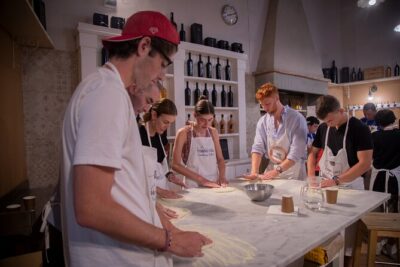
Wrapping gyoza is where most beginners worry they’ll mess up. The good news is that the class is built for real skill building: whether you’re a complete beginner or you’ve cooked before, you’ll practice authentic wrapping technique with an instructor’s help.
The technique is what gives gyoza its identity:
- A tight seal so the filling doesn’t leak
- A pleated edge that helps you get that classic shape
- Even thickness so the dumpling cooks properly
One of the most praised aspects from recent bookings is how patient and clear the instruction is, especially for people who don’t have much kitchen experience. Several reviews mention that the instructors explain each step with calm confidence, and that relaxed pace is important. If the group feels rushed, wrapping turns into frustration. Here, it sounds like the focus stays on helping you succeed.
There’s also a fun element: you’re not just learning “how,” you’re learning “how to do it again.” That’s what you’ll want later when you’re standing in your own kitchen back home.
Pan-Cooking: How to Get Crispy Bottoms (Without Guessing)
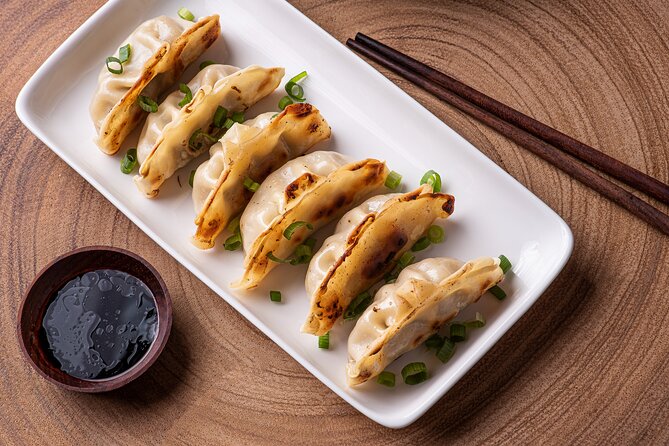
Once your dumplings are wrapped, it’s time for the part you can taste immediately: cooking them in a pan.
This class teaches you how to cook your gyoza so you get that balance:
- Crisp texture on the bottom
- Juicy filling inside
- The right overall doneness
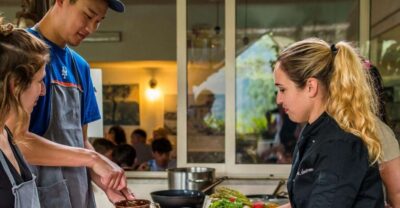
The method matters. A lot of home cooks try to treat gyoza like simple boiled dumplings. Pan-cooking changes the game. You’ll learn how heat and timing affect the wrapper and filling, which is why gyoza at a restaurant can feel magically different from what you get at home.
One review described their result as crisp outside and juicy inside, even saying it was better than gyoza they’d had at some restaurants. That’s not a guarantee for every batch, but it’s a strong sign the class teaches the method effectively rather than just handing you a pan and hope.



The Photo With a Samurai: A Fun Kyoto Keepsake Moment
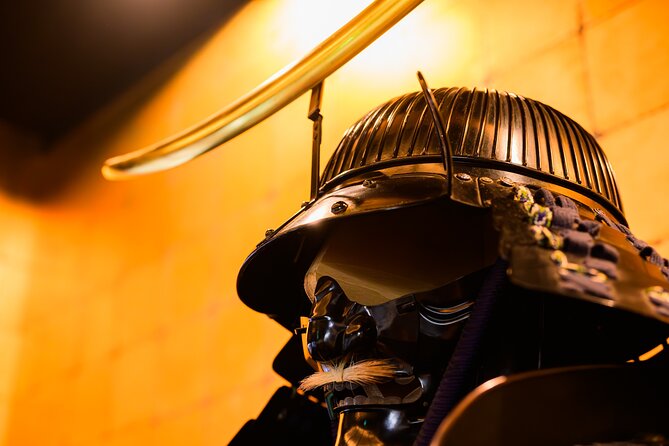
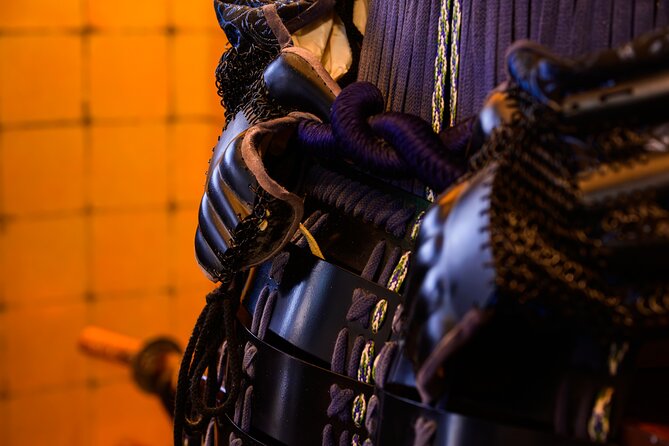
Yes, there’s a cultural add-on here: you get to take a photo with a Samurai. It’s not the same thing as learning cooking technique, but it’s a memorable “Kyoto moment” that ties the experience to local storytelling.
If you like having a tangible souvenir—something more personal than a postcard—this is a nice touch. And it doesn’t interrupt the core value of the class. You’re still there for the cooking, not a long detour into entertainment.
What You Actually Eat (and Why It Feels Like the Point)
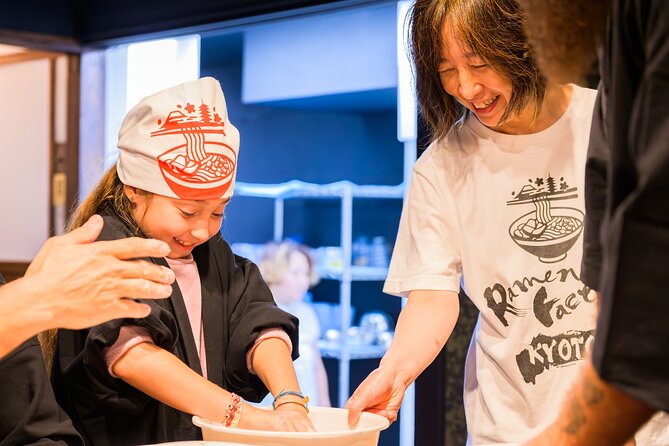
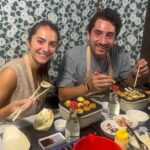
When you finish cooking, you eat the gyoza you made. That’s a key part of the value. You’re not just touring a kitchen or sampling pre-made food. You get to taste the result of your work right away.
That matters for two reasons:
- You can connect technique to flavor while it’s fresh in your brain.
- You can tell immediately if something needs changing—more careful pleating, a different filling balance, or better timing next round.
One booking also mentioned the class was a great dinner-time activity, especially after arriving by train. The timing works well if you want an early evening plan that doesn’t require a restaurant reservation.
English Support and the Instructor Style That Makes It Work
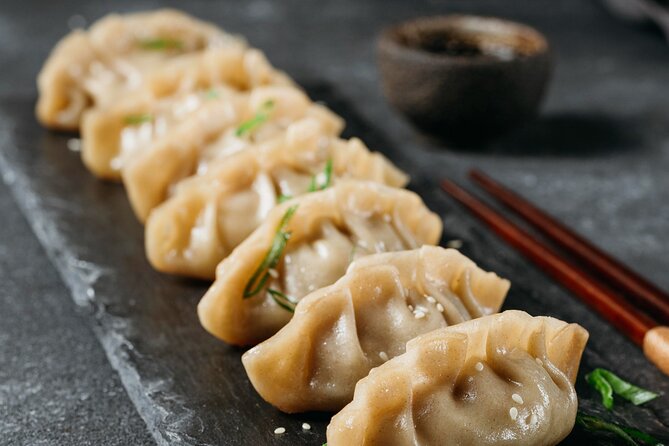
This workshop includes an English-speaking instructor, and the materials and support are described as available in English and Japanese. That dual-language setup helps if you’re traveling with someone who wants Japanese phrases, or if you just want clear instruction without a language barrier.
Multiple reviews praise the instructors for being funny, friendly, and patient. One person specifically referenced a teacher named Hama, describing the experience as guided and encouraging. That kind of instructor energy changes everything for a hands-on class. You feel like you’re learning, not performing.
A detail I’m glad you have: cooking tools are provided. It means you can focus on the technique rather than worrying about what to bring.
Price and Value: Is $127 Worth It?

At $127 per person for 90 minutes, this isn’t a budget “snack class.” It’s more in the category of a paid cooking experience, which means you should expect instruction and equipment—not just a quick demo.
So, what are you getting for that money?
- English-speaking instruction
- Cooking tools provided
- One free drink
- You eat the gyoza that you make
- You also get the full recipe to cook Japanese gyoza at home
For me, the strongest value signals are the recipe and the tools included. If you leave with dumplings and a technique you can repeat, you’re getting a lasting souvenir that isn’t only edible once. Also, the recipe makes it realistic to cook later, instead of relying on memory.
If you’re the kind of traveler who learns best by doing—chopping, mixing, folding, pan-cooking—this class is a good fit. If you just want a meal with no desire to learn technique, you might question whether it’s worth the price versus a restaurant.
Who Should Book This Kyoto Gyoza Workshop
This class is especially good for:
- Beginner cooks who want a clear path and gentle correction
- People who enjoy food as a skill, not just sightseeing
- Groups who want a social evening activity in Kyoto
One review noted it worked well even with kids around age 11, which suggests the class environment can accommodate different experience levels. Another review described it as a highlight of the trip, and others called it fun and memorable.
You’ll want to consider skipping it if:
- Wheelchair use is required (it’s listed as not suitable)
- You have strict dietary restrictions you can’t accommodate, since you should inform the organizers in advance about allergies or dietary restrictions
Should You Book This Kyoto Gyoza Workshop?
If you want a Kyoto experience that’s practical, tasty, and skill-based, I think you’ll enjoy this. The class structure hits the right notes: you choose fillings, you learn wrapping, you cook in a pan, and you leave with the recipe.
I’d book it if you’re excited to get hands-on and you value instruction plus a take-home plan. I’d hesitate only if mobility is an issue or if you’d rather spend your evening eating at a restaurant than learning technique.
If that sounds like you, reserve a spot and show up hungry. Gyoza rewards attention—and after 90 minutes, you’ll have more than a memory. You’ll have dinner you can recreate.
FAQ
How long is the gyoza cooking class?
The class lasts 90 minutes.
Where is the meeting point in Kyoto?
It’s about a 5-minute walk from Exit 2 of Karasuma Oike Station on the Kyoto City Subway Karasuma Line and Tozai Line, roughly 362 meters from the station.
What does the class cost?
The price is $127 per person.
What’s included in the price?
You get an English-speaking instructor, cooking tools, one free drink, and the gyoza you make.
Are transportation costs included?
No. Transportation expenses are not included.
What languages are offered?
The class is listed as English and Japanese, and the instructor is available in English and Japanese.
Can I choose between meat and vegetable fillings?
Yes. You can choose from a variety of meat and vegetable fillings.
Do I receive a recipe to cook gyoza at home?
Yes. You’ll get the full recipe to cook Japanese gyoza at home.
Is the class wheelchair accessible?
No. It is not suitable for wheelchair users.
What if I have allergies or dietary restrictions?
You should inform the organizers in advance about any allergies or dietary restrictions.
What is the cancellation policy?
You can cancel up to 24 hours in advance for a full refund.
Can I reserve now and pay later?
Yes. You can reserve now & pay later.