REVIEW · KYOTO
Japanese Cuisine Cooking Class in Kyoto
Book on Viator →Operated by Iku · Bookable on Viator
Kyoto tastes change fast in three hours. This small-group cooking class happens in a classic machiya near Toji Temple, where you’ll learn core Japanese basics and Kyoto-ingredient ideas you can actually use at home.
I like how Iku blends cooking with nutrition-minded choices, so the class feels both authentic and practical. I also love the hands-on flow: you help make rice, soup, and multiple side dishes, then you plate it and eat.
One possible drawback: the menu is mostly vegan, with fish and eggs possible, so if you’re expecting a meat-forward feast you may need to plan what you’re comfortable eating.
In This Review
- Key Highlights at a Glance
- A Machiya Kitchen Near Toji Temple: Setting Matters
- Meet Iku: Healthy Japanese Cooking With Kyoto Ingredients
- What You’ll Cook: Clay-Pot Rice, Miso, and Kyoto-Style Sides
- The Meal Format: One Soup, Five Side Dishes, Plus Matcha
- How the Class Works: Hands-On, Small Group, Bilingual Teaching
- Price and Value: What $71.67 Covers (and Why It Works)
- Dietary Fit: Vegan-Friendly Kyoto With Clear Options
- Logistics That Affect Your Experience (Meeting Point and Timing)
- Who Should Book This Kyoto Cooking Class?
- Should You Book This Cooking Class in Kyoto?
- FAQ
- Where does the cooking class take place?
- What time does the class start?
- How long is the cooking class?
- What will I cook and eat?
- Is the class vegan?
- Are allergies accommodated?
- What languages are used during the class?
- Is this a private experience?
- What’s included in the price?
Key Highlights at a Glance
- Machiya setting near Toji Temple: a short walk from Kyoto Station for an easy, atmospheric start
- Clay-pot rice + homemade miso: two signature skills you can repeat at home
- One soup and five side dishes: meal pacing that’s filling without dragging
- Small group feel: classes are built for interaction and questions
- English and Japanese instruction: less guesswork, smoother participation
- Matcha tea after you eat: a simple Kyoto finish
A Machiya Kitchen Near Toji Temple: Setting Matters
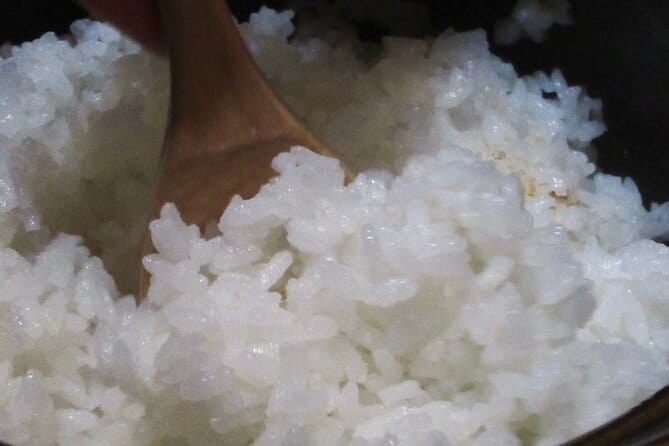
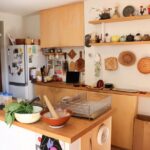
This class takes place in a Kyoto machiya exhibition room, close to Toji Temple and about a 5-minute walk from Kyoto Station. That location is a big deal. It means you can pair the cooking class with other central Kyoto sights without burning time on long transfers.
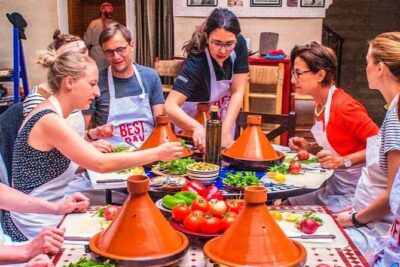
The room setup is the classic “home-meets-workshop” vibe. You’re not stuck watching from a distance. The format is designed for overseas visitors, and the kitchen is where things happen: demos first, then you step in.
You can also read our reviews of more tours and experiences in Kyoto.
Meet Iku: Healthy Japanese Cooking With Kyoto Ingredients

You’ll be taught by Iku, who isn’t just a chef. The background here matters because it shapes the way the class is explained. Iku has experience running a French restaurant serving home-style meals on Yakushima, and in this class the emphasis turns toward healthy Japanese cuisine.
In practice, that shows up in how you’ll approach ingredients. Instead of treating Japanese food as only sushi or ramen, you’re shown how Kyoto-style dishes lean on vegetables, fermented staples, and careful technique. You’ll also hear culture and history tied to ingredients unique to Kyoto, which helps you understand what you’re tasting and why it works.
If you have allergies, tell Iku in advance. The class uses many vegan ingredients, but fish and eggs may be used depending on the recipe flow. If you want a completely vegan diet, you’ll need to message ahead so the menu can fit that.
What You’ll Cook: Clay-Pot Rice, Miso, and Kyoto-Style Sides
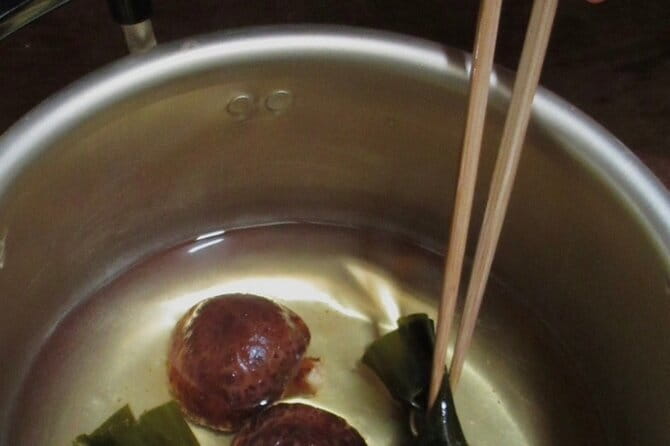
The class centers on core skills, not just plate-and-smile sampling. You’ll start with two key demos: how to cook rice in a clay pot and how to make miso, the fermented base that anchors so much Japanese flavor.
Clay-pot rice is a technique you’ll actually remember because it’s tactile. You’ll see how the cooking vessel changes the process compared with typical stovetop rice. You also get guided help, which is useful if you’re traveling with limited pantry tools. The goal isn’t to make you a rice wizard in three hours. It’s to give you a method you can repeat at home.
Then comes miso-making. Even if you’re familiar with miso soup, the class approach is about understanding the ingredient logic behind fermentation flavors. You’re not just hearing a food trivia fact. You’re learning how the kitchen treats miso as something alive and transformative.
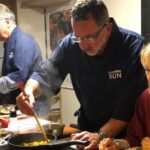
After the demos, you’ll get help making rice, soup, and several side dishes. The side dishes are generally based on vegetables. That’s one of the reasons this class works so well for picky eaters too: you can focus on texture and seasoning, not just protein.
The Meal Format: One Soup, Five Side Dishes, Plus Matcha
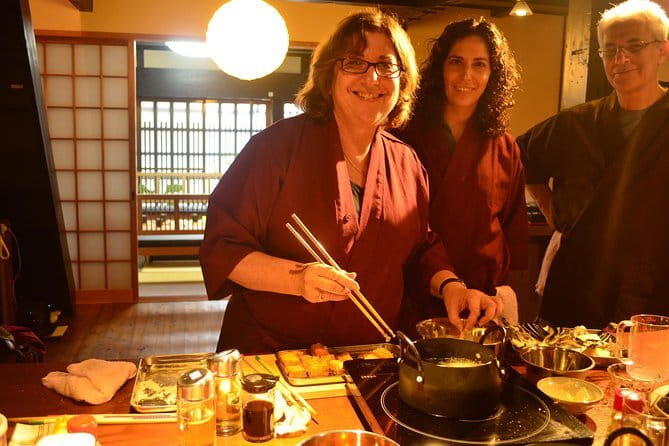
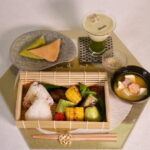
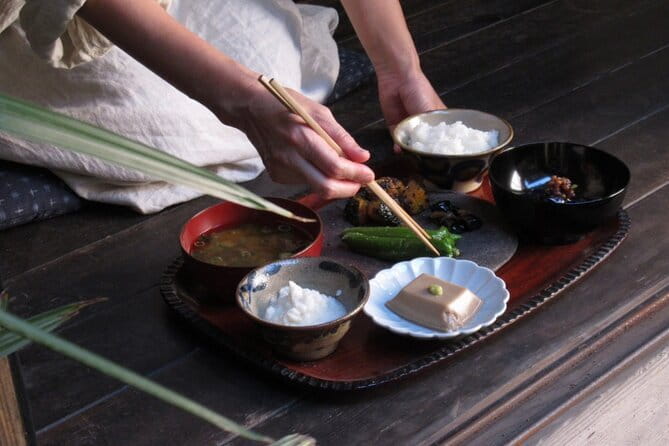
By the time you sit down, you’ll eat a meal that’s structured and satisfying: one soup and five side dishes, and then matcha tea after.
I love this format because it feels like a real Kyoto meal rather than a set of small bites. The soup gives you warmth and contrast. The five sides teach you how Japanese flavors stack: something savory, something seasoned, something fermented, something lightly dressed, and so on.
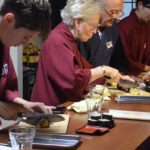
You’ll also plate the food yourself before eating. That small step is more useful than it sounds. It helps you pay attention to portioning and how dishes work together on the table. When you cook later at home, you’ll remember the “set” feeling, not just one recipe.
How the Class Works: Hands-On, Small Group, Bilingual Teaching
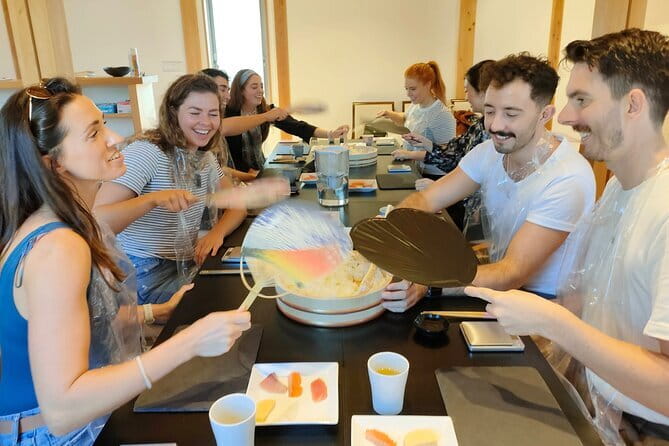
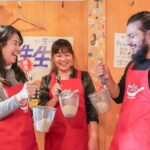
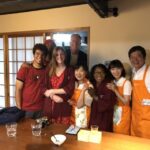
This is a small-group cooking class. The value of a small group is simple: you can ask questions without feeling rushed. The instruction style is meant for overseas visitors, and the class supports communication in both English and Japanese.
The flow is typically:
- you watch a demo (rice in a clay pot, miso),
- then you assist in making the components,
- you plate,
- and you eat together.
That pacing matters because Japanese cooking has a few places where timing and technique make the difference. Watching once helps, but doing the steps lets you feel the process. In particular, people tend to appreciate the chance to take notes, taste, and then try parts themselves rather than only observing.
If you like a class where questions are welcome, this fits. You can ask about utensils, culture, or why a certain ingredient is treated a certain way. It’s not just instruction; it’s explanation.

Price and Value: What $71.67 Covers (and Why It Works)
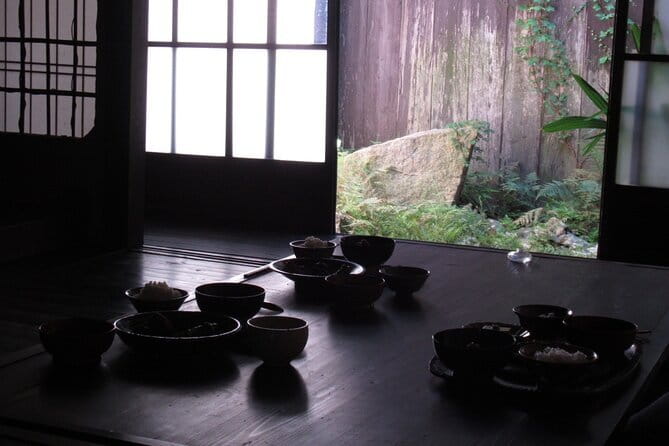
The price is $71.67 per person for about 3 hours. For Kyoto, that’s not a bargain-kiosk cost, but it’s also not in the “private chef fantasy budget” zone. What you get helps justify it.
You’re paying for:
- the teaching time in a dedicated kitchen,
- cooking utensils and recipes,
- writing implements so you can actually bring the method home,
- and the meal itself (soup, five sides, plus matcha).
You’re also getting a cultural angle through ingredients unique to Kyoto, which is harder to get from generic cooking tours that only show one famous dish. If your goal is to leave with repeatable skills, this class has the right kind of focus: rice, miso, and Kyoto-style side-dish thinking.
One practical detail: the tour includes all fees and taxes, but private transportation is not included. Because it’s near Kyoto Station, you’ll likely handle getting there on your own with public transit or short taxi rides.
Dietary Fit: Vegan-Friendly Kyoto With Clear Options
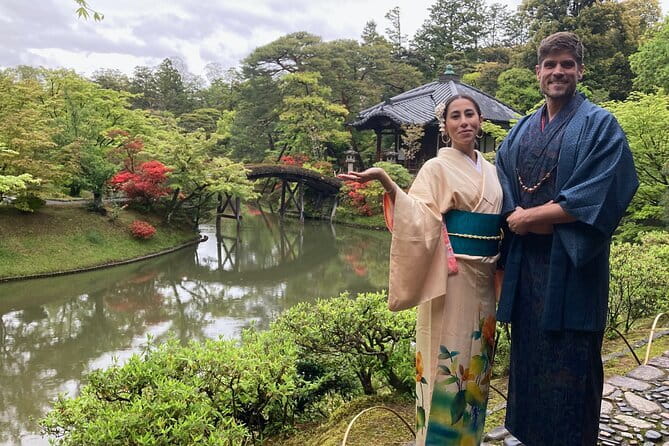
The class uses ingredients that are mostly vegan, with fish and eggs also possible. That’s a helpful middle ground for many diets, especially if you want vegetables to take center stage.
If you’re vegetarian, you’re likely to find plenty to enjoy. If you’re vegan, you should message in advance for a completely vegan setup. This matters because miso and side ingredients can vary by recipe, and the class menu can be adjusted based on your message.
If you’re traveling with allergies, you also need to notify ahead. The class is built for small groups, so adjustments are more realistic than in a large buffet-style setting.
Logistics That Affect Your Experience (Meeting Point and Timing)
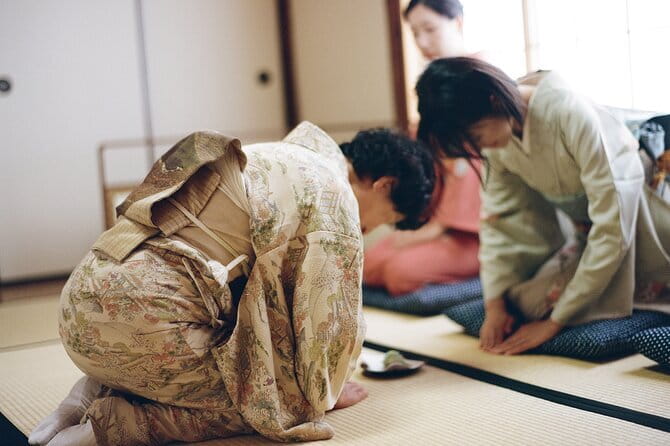
Start time is 11:30 am, and the class runs for about 3 hours. It ends back at the meeting point, so you don’t have to plan a complicated return.
Meeting point address: 411-2 Kujōchō, Minami Ward, Kyoto, 601-8473, Japan. It’s near public transportation, and it’s close to Kyoto Station. If you’re doing this on a Tuesday, plan around that fixed weekly schedule.
You’ll receive a mobile ticket, which is convenient when you’re bouncing between temples and trains. Service animals are allowed, which is worth noting if you need it.
Who Should Book This Kyoto Cooking Class?
This class is best for you if:
- you want practical Japanese cooking skills you can recreate,
- you prefer a small-group experience where questions are answered,
- you like food that’s technique-driven (rice and miso) rather than only trendy dishes,
- you want Kyoto-flavored ingredients and ideas, not just generic cooking steps.
It’s also a solid choice for couples or small travel groups who like a calmer activity on a day when Kyoto temples and streets can feel crowded.
If you only want a fast souvenir activity or you’re looking for a meat-heavy menu, you might feel mismatched. The menu here leans toward vegetables, with fish and eggs only as part of possible recipe choices.
Should You Book This Cooking Class in Kyoto?
Book it if you’re the type of traveler who likes learning the method behind the flavor. The clay-pot rice and miso focus gives you two anchors you can use again and again, and the meal structure (one soup plus five sides with matcha) keeps it satisfying. The small-group setup plus bilingual teaching makes it easy to participate without feeling lost.
Skip it only if your diet requires strict non-vegan choices and you can’t be flexible. Also, remember it’s held every Tuesday, so if your dates don’t line up, it may not work.
If you do book it, show up a little hungry and ready to ask questions. That’s when the class becomes more than cooking, and turns into Kyoto food thinking you can carry home.
FAQ
Where does the cooking class take place?
It’s held in a Kyoto machiya exhibition room near Toji Temple, about a 5-minute walk from Kyoto Station. The meeting point address is 411-2 Kujōchō, Minami Ward, Kyoto, 601-8473, Japan.
What time does the class start?
The class starts at 11:30 am.
How long is the cooking class?
The duration is about 3 hours.
What will I cook and eat?
You’ll learn how to cook rice in a clay pot and how to make miso. You’ll also help make rice, soup, and several side dishes. The meal includes one soup and five side dishes, and matcha tea is served after.
Is the class vegan?
Most of the ingredients used in class are vegan, but fish and eggs may also be used. If you want a completely vegan diet, you should send a message in advance.
Are allergies accommodated?
Yes. If you have any allergies, you should let the provider know in advance.
What languages are used during the class?
The instruction is provided in both English and Japanese so you can communicate.
Is this a private experience?
Yes. It’s a private tour or activity, so only your group will participate.
What’s included in the price?
All fees and taxes are included, along with cooking utensils, recipes, and writing implements. Private transportation is not included.