REVIEW · KYOTO
Kyoto Sushi & Takoyaki Cooking Class near Gion and Kiyomizu-dera!
Book on Viator →Operated by OTAKU hopper · Bookable on Viator
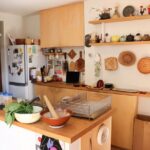
A Kyoto machiya kitchen makes food lessons stick. You’ll learn to make rolled sushi and takoyaki step-by-step in a traditional Higashiyama setting, guided by HANA, an English-speaking local instructor who shares food culture as you cook. I especially like the hands-on pace (you’re not just watching) and the meal feel—lunch plus drinks plus a sweet matcha ending. One thing to consider: there’s no hotel pick-up, so you’ll want to arrive on your own near the meeting spot.
With a small max group size (6 travelers), the class doesn’t get crowded fast, and questions are easy to ask. I also like that you get take-home recipes and tips, so you can recreate the dishes later without guessing. If you’re traveling with kids, note that children under 6 can’t join for safety reasons.
In This Review
- Key Highlights You’ll Feel Right Away
- Why a Kyoto Machiya Sushi Class Near Gion Feels Worth It
- Your 2-Hour Plan: Rolled Sushi and Takoyaki, Step by Step
- Making Rolled Sushi
- Making Takoyaki
- Why Two Dishes Is the Right Amount
- Eating What You Make: Sake Pairing and a Matcha Dessert Finish
- Drinks with Your Lunch
- The Sweet Ending: Matcha Mochi Ice Cream
- HANA’s Teaching Style and the Benefit of a Max-6 Group
- What You Can Recreate Later: Recipes and Tips for Your Kitchen
- Price and Value: Is $96.19 Fair for Kyoto?
- Logistics You Should Know Before You Go
- Who This Kyoto Cooking Class Is Best For
- Should You Book It? My Practical Verdict
- FAQ
- What dishes will I make in the class?
- What’s included with the price?
- How long is the class?
- How big is the group?
- Is hotel pick-up included?
- What’s the age limit?
Key Highlights You’ll Feel Right Away
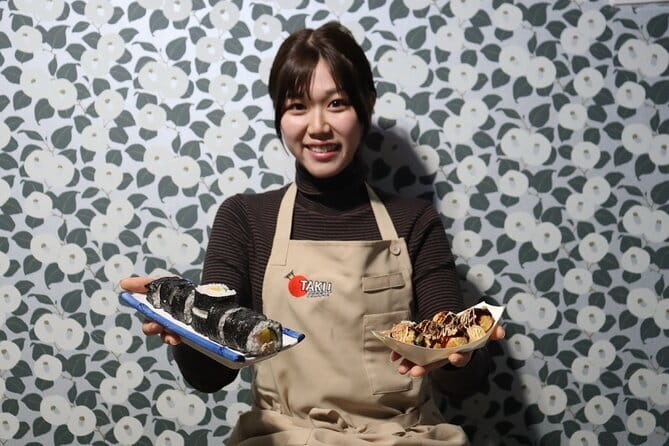
- Traditional machiya setting in Higashiyama: the space matches the food lesson.
- Two Kyoto staples: rolled sushi and takoyaki, both taught hands-on.
- HANA, your English-speaking instructor: expect clear guidance plus stories about food culture and daily life.
- Lunch + drinks included: you’re eating what you make, paired with sake (or beer/juice).
- Matcha mochi ice cream for dessert: the sweet finish is part of the program.
- Small group (max 6): more attention, less waiting around.
Why a Kyoto Machiya Sushi Class Near Gion Feels Worth It
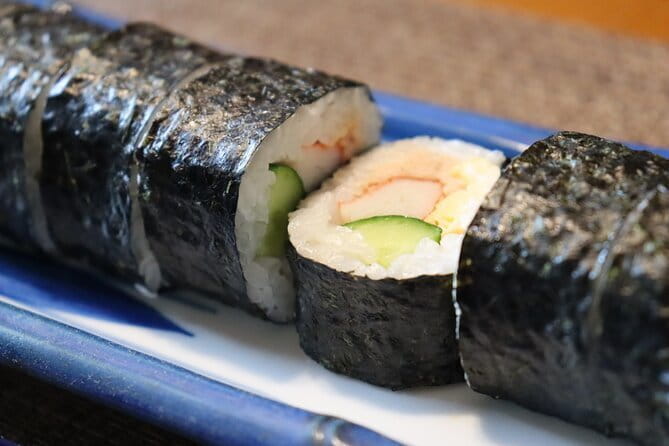
Kyoto has a way of making even routine activities feel special. Doing sushi and takoyaki in a traditional machiya—instead of a generic studio—helps you understand the “why” behind the “how.” The setting matters here because it matches the tone of the class: careful, practical, and rooted in local daily life.
I also like that this is not a lecture. You’re working with ingredients and tools from the start, so the skills feel real quickly. And since you’re making two different dishes, you get variety without paying for two separate experiences.
The location is ideal if you’re already exploring around Gion and Kiyomizu-dera. After your class, you’ll be in the right mood to wander streets, snack on small bites, and spot the kinds of places locals actually use.
You can also read our reviews of more tours and experiences in Kyoto.
Your 2-Hour Plan: Rolled Sushi and Takoyaki, Step by Step
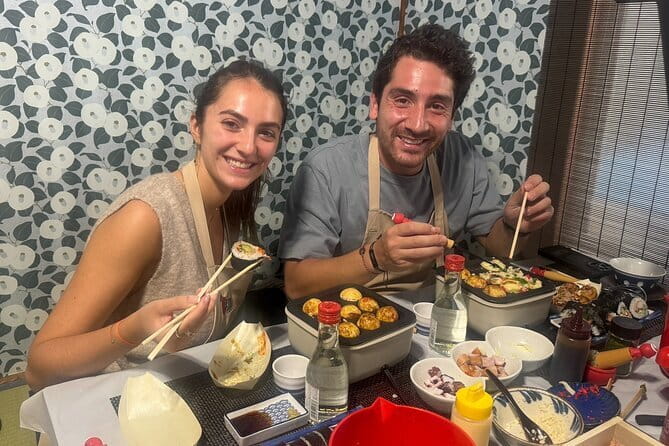
The class runs about 2 hours, and the structure is simple: cook, taste, and learn. You’ll start in the machiya with HANA, then move into the two main projects—rolled sushi and takoyaki.
Making Rolled Sushi
Rolled sushi is one of those foods that looks quick when you see it on a tray, but it’s really a technique game. In this class, you’ll get the basics for putting it together correctly, not just a “pretty end result.” You’ll also learn what to watch for as you work—things that change the texture and the bite.
Think of this as learning a reliable framework. Once you understand the method, it’s much easier to recreate at home later, even if you change fillings.
Making Takoyaki
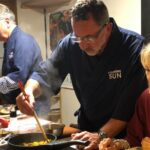
Takoyaki is fun because it’s hands-on and forgiving in a way that helps beginners build confidence. You’ll make the batter-to-cook process and learn how the shaping works so the little balls become those classic rounded bites.
The best part of doing takoyaki here is that it’s not treated like a street snack you order and forget. It’s taught as a craft, with attention to how the food behaves during cooking.
Why Two Dishes Is the Right Amount
Some classes try to cram in too much. Two dishes in about two hours is a good pace: enough variety to feel like you gained skills, but not so rushed that you miss the details. If you like Japanese food but you’re only comfortable with “order it and eat it,” this format is a smart stepping stone.
Eating What You Make: Sake Pairing and a Matcha Dessert Finish
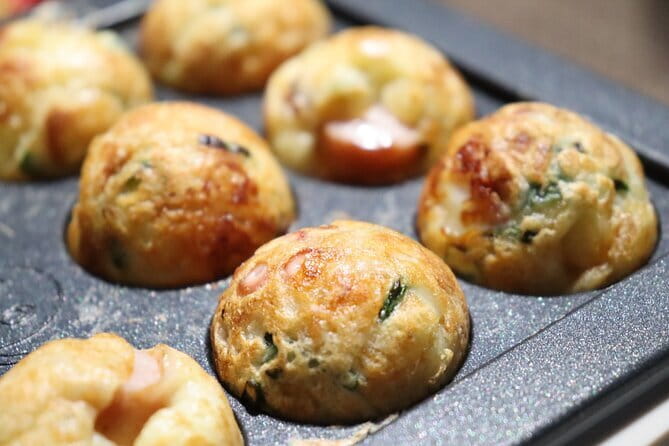
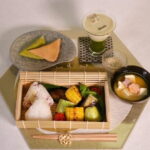
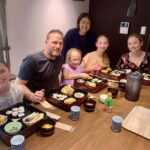
This isn’t just a cooking session where you snack. Your lunch is included because you’re making rolled sushi and takoyaki and then eating your own creations. That changes the whole value equation. You’re paying for a class and a meal, not two separate things.
Drinks with Your Lunch
As part of the experience, you’ll have a drink—sake, beer, or juice (your pick). That’s a nice touch because it turns the meal into something closer to how people actually enjoy food: not just eating, but pairing and relaxing.
If you’re curious about Japanese alcohol, this is a low-pressure way to try sake in a context that’s connected to the food.
The Sweet Ending: Matcha Mochi Ice Cream
The class finishes with matcha mochi ice cream. It’s a fitting Kyoto-style closer—tea flavor, soft texture, and that gentle sweet tone that doesn’t feel heavy after a savory meal.
If you’ve had matcha before and it tasted flat or too bitter, a dessert like this can change your mind. It’s designed to be creamy and easy to love.
HANA’s Teaching Style and the Benefit of a Max-6 Group
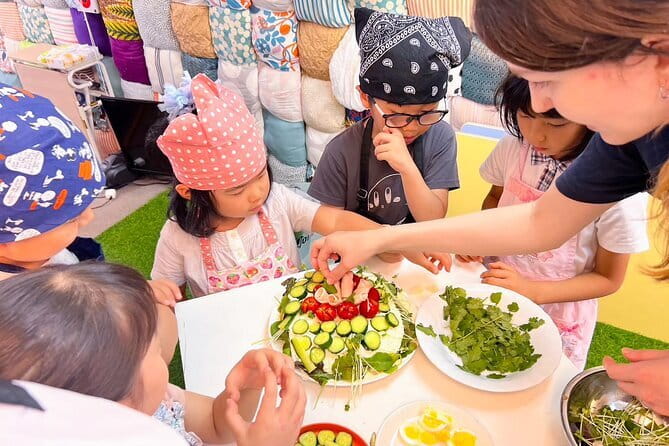
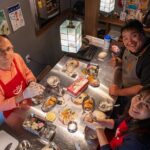
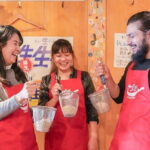
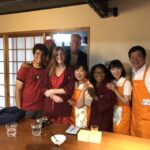
The instructor here is HANA, a local cook and English-speaking guide. The class is designed so you’re not standing around waiting for your turn. With a maximum of 6 travelers, you tend to get more real feedback: questions answered, techniques corrected, and encouragement when your first attempt doesn’t look like the example.
This is one of those “small details” that matters. When you’re learning a skill like rolling sushi or shaping takoyaki, speed isn’t the point—accuracy is. A smaller group helps the process stay calm and personal.
I also appreciate that the class includes stories about Japanese culinary traditions and daily life. Food lessons go deeper when you understand context—why ingredients are used, what habits exist at home, and what’s considered normal versus special.
What You Can Recreate Later: Recipes and Tips for Your Kitchen
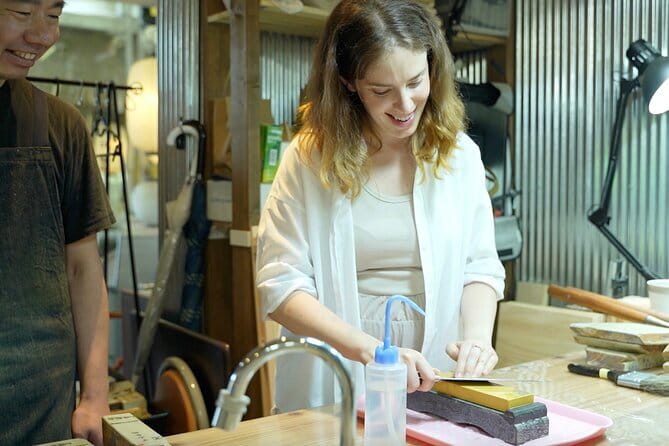
A cooking class is only worth it if it changes what you do next week. Here, you get take-home recipes and tips, which is the difference between a fun activity and real learning.
So when you get home, you’re not hunting for instructions from scratch. You’ll have a starting point for ingredients, steps, and the little “watch for this” notes that make homemade food less guessy.
Practical tip for your own kitchen: take photos while you’re cooking only if the instructor says it’s okay. Focus on the process while you’re doing it, then use the take-home materials to polish your next attempt.
Price and Value: Is $96.19 Fair for Kyoto?
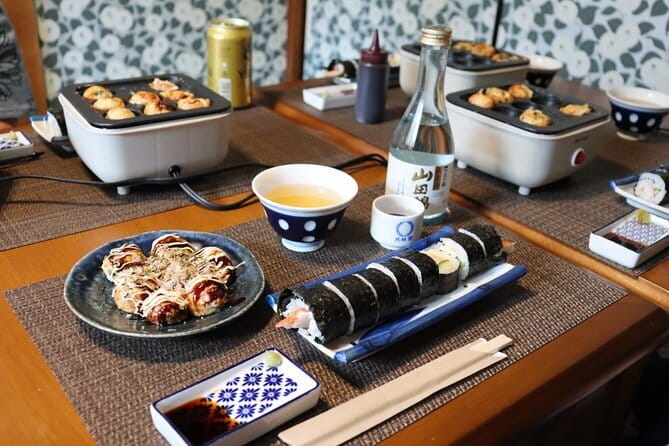
At $96.19 per person for about two hours, this class is priced like a premium cultural food workshop—and it can be good value if you treat it as a combo deal.
Here’s what you’re getting that justifies the cost:
- Two full dishes you make yourself (rolled sushi + takoyaki)
- All ingredients and cooking tools included
- Lunch built into the cooking
- A drink included (sake/beer/juice)
- Dessert included (matcha mochi ice cream)
- Recipes and tips to take home
- A local English-speaking instructor guiding the whole process
- A small group size (max 6), which affects how much help you get
If you’re comparing prices, don’t just compare the cooking time. Compare what you’d otherwise pay for: a meal, plus a workshop, plus an instructor, plus ingredients. When you add it up, $96.19 starts to look less like a splurge and more like a smart way to learn and eat in one shot.
Logistics You Should Know Before You Go
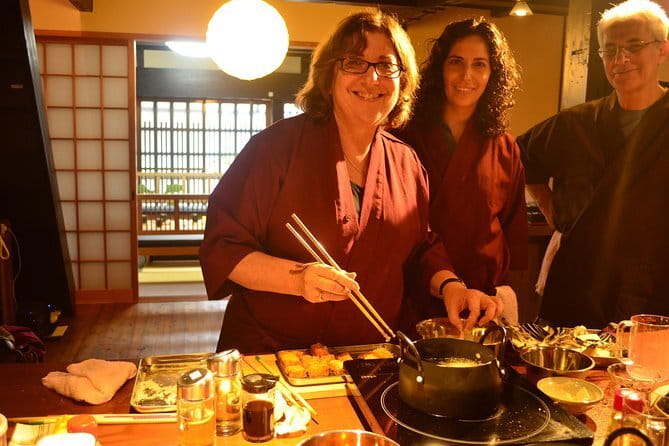
This class uses a mobile ticket, and it runs near public transportation. There’s no hotel pick-up, so plan to get yourself to the meeting point.
The start location is at Hanakiya Inn, 6-chōme-583-101 Gojōbashihigashi, Higashiyama Ward, Kyoto, 605-0846, Japan. The tour ends back at the meeting point, which makes it easier to continue your day without a strange “drop-off” problem.
One more practical note: children under 6 aren’t permitted for safety reasons. If you’re traveling with younger kids, check other family-friendly options first.
Who This Kyoto Cooking Class Is Best For
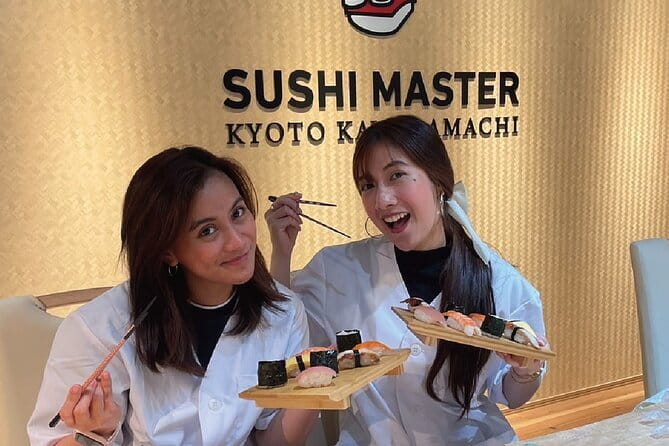
This works especially well if:
- You want a hands-on Kyoto food experience, not a passive tasting
- You’re into learning skills you can actually repeat at home
- You enjoy small-group classes with real instructor attention
- You’re pairing the class with walking around Higashiyama sights near Gion and Kiyomizu-dera
If you’re someone who already knows how to cook sushi and takoyaki perfectly, you might find it more beginner-to-intermediate focused. But even then, the cultural stories and the included meal/drinks can still make it a fun, satisfying afternoon.
Should You Book It? My Practical Verdict
If you like the idea of eating what you make, in a real machiya setting, this is an easy “yes.” The combination of two dishes, a small group size, and the fact that lunch, drinks, and dessert are built in makes it feel efficient and good value for Kyoto.
Book it now if you want a break from temple lines and shopping crowds—a calm, tasty experience where learning happens naturally. I’d skip it only if you hate structured activities, you need a hotel pick-up, or you’re traveling with a child under 6.
FAQ
What dishes will I make in the class?
You’ll make rolled sushi and takoyaki, and then enjoy what you cook for lunch.
What’s included with the price?
The price includes an English-speaking local cooking instructor (HANA), all ingredients and cooking tools, lunch (rolled sushi and takoyaki), dessert (matcha mochi ice-cream), and a drink (sake, beer, or juice).
How long is the class?
It lasts about 2 hours.
How big is the group?
The class has a maximum of 6 travelers.
Is hotel pick-up included?
No. You’ll meet at the listed location near public transportation.
What’s the age limit?
Children under 6 years old are not permitted to participate for safety reasons.