REVIEW · KOLKATA
Authentic Bengali Cooking Class in a Local Kolkata Home
Book on Viator →Operated by Traveling Spoon · Bookable on Viator
A Bengali cooking class in Kolkata feels personal. I like the hands-on private format and the chance to eat a home-cooked meal you helped make, not just watch from the sidelines. One thing to consider: the kitchen is small, so expect close, cozy working space while you cook.
This experience centers on Zinnia teaching you the basics of Bengali flavor, then bringing you to the family table when they’re at home. You can also choose morning or afternoon timing, and there’s a vegetarian option if you ask ahead.
In This Review
- Key things to know before you cook in Kolkata
- Bengali cooking at Zinnia’s Kolkata home kitchen
- What makes it feel authentic
- The spice lesson: panch phoran and mustard oil basics
- Why this matters for your cooking
- Rolling luchi and building shorshe chingri plus chutney
- Luchi dough work and frying
- Shorshe chingri: prawns in mustard gravy
- Tomato and dates chutney from scratch
- A note on pace
- What your Bengali feast looks like after cooking
- Why sitting at the family table is the value
- Paayesh rice pudding and the drinks that keep it easy
- How the drink plan affects the experience
- Price and what $66 gets you in real terms
- The best value for the right traveler
- Who this Kolkata Bengali class suits (and who might want a different plan)
- Good to know for different dietary needs
- One consideration if you’re not comfortable with close quarters
- Practical tips for booking and showing up ready
- Should you book this Bengali home cooking class?
- FAQ
- How long is the Bengali cooking class in Kolkata?
- What dishes will I learn to cook?
- Is a vegetarian option available?
- Are drinks included with the meal?
- Does the menu stay the same all year?
- Do I get hotel pickup and drop-off?
Key things to know before you cook in Kolkata
- Learn panch phoran firsthand: cumin, brown mustard, fenugreek, nigella, and fennel—used in Eastern India cooking.
- Mustard oil gets explained: why it matters in Bengali food, plus how mustard seeds turn into a paste.
- You’ll roll and fry luchi: the dough work plus the deep-fried flatbread payoff.
- Cook signature dishes: shorshe chingri (prawns in mustard gravy) and a tomato-and-dates chutney from scratch.
- Eat family-style at the dining table: rice or flatbread with classics like cholar dal, aaloo posto, begun bhaaja, or mutton curry (season and menu dependent).
- Finish with paayesh: the Bengali rice pudding dessert served for special occasions in the home.
Bengali cooking at Zinnia’s Kolkata home kitchen
If you want Kolkata flavor without the tourist wrapper, this private class does the job. You’ll work with Zinnia in her small kitchen, learning how Bengali staples come together, then sit down to eat what you helped create. It’s a simple setup, but that’s the point: you’re focused on taste and technique, not a lecture you’ll forget later.
The private part matters. You’re not juggling a big group, so you can ask the practical questions that come up when you’re rolling dough or adjusting a sauce. And since you’ll also share the meal, the class feels like a full evening (or lunch) experience instead of just a cooking demo.
What makes it feel authentic
This isn’t cooking at a studio kitchen with identical ingredients and identical plates. It’s a local-home setting where Bengali cooking is part of daily life—right down to the spice logic and the dinner-table rhythm.
That also means you should go in with curiosity and a little flexibility. Menu items can vary by season, and some dishes might swap based on what’s best at the time.
The spice lesson: panch phoran and mustard oil basics
The class starts with the flavors behind Bengali cooking, and the first lesson is right on target. Zinnia introduces Indian spices, then walks you through panch phoran—a blended mix used in Eastern India cooking. The exact spices listed are cumin, brown mustard, fenugreek, nigella, and fennel, and you’ll see how they fit into the dishes you’ll cook.
Then comes the centerpiece for many Bengali meals: mustard oil. Zinnia explains why it’s used in Bengali cuisine and shows how mustard seeds are ground into a paste. That’s useful even if you never cook Bengali food again, because it teaches you what makes the flavor profile work—sharpness, warmth, and the way the paste integrates into sauces.
Why this matters for your cooking
Many people try Bengali dishes and know they taste specific, but they can’t say why. This lesson gives you the vocabulary and the mechanics. You’re not just learning recipes; you’re learning how the spices behave and why the sauces taste the way they do.
Also, even if you’re not a confident cook, you’re being guided step-by-step. The class is built around doable actions you can actually perform: ingredient prep, dough work, and cooking tasks.
Rolling luchi and building shorshe chingri plus chutney
Once the spice foundations are in place, you move into hands-on cooking. The session is designed around classic Bengali textures: fried bread, saucy mustard-forward dishes, and a chutney balance that brings sweetness and tang.
Luchi dough work and frying
You’ll learn to roll out the dough and fry luchi, the deep-fried flatbread that shows up in many Bengali meals. The fun part here is the transformation: dough becomes something crisp and puffed after frying. It’s also the kind of technique that makes you feel like you’re cooking for real, not just assembling plates.
Shorshe chingri: prawns in mustard gravy
Next up is shorshe chingri, prawns in mustard gravy. You’ll prepare it with guidance from Zinnia, using the mustard flavor logic you just learned. This is one of the signature dishes in the class, and it’s the reason many people book a Bengali mustard-based cooking experience in the first place.
Tomato and dates chutney from scratch
You’ll also make a chutney from scratch using tomatoes and dates. It’s a great counterpoint to the heavier, fried, and saucy parts of the meal. Even if your cooking skills are still growing, chutney is the kind of task you can follow and learn from quickly because the ingredients have clear roles.
A note on pace
This is an active class, and the timeline is built to keep moving. It’s designed to fit into an overall 2 to 3 hour experience, with a hands-on portion described as about one hour plus the meal time afterward. If you’re the type who needs long pauses to catch up, you’ll want to keep your expectations realistic and just focus on doing one step at a time.
What your Bengali feast looks like after cooking
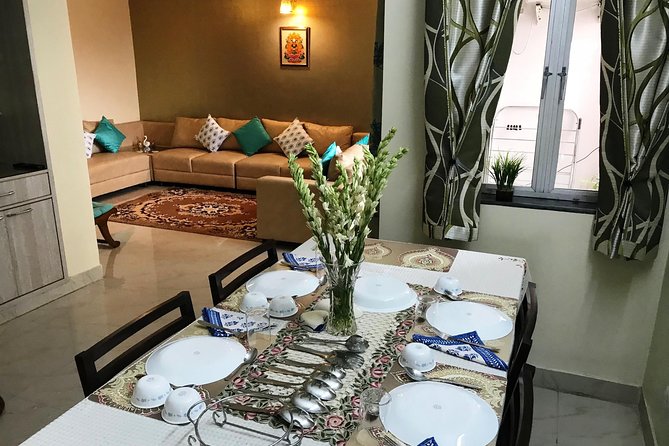
After you cook, you join Zinnia and her family for the meal. When the family is at home, you’ll eat at their dining table—an experience that’s more intimate than a restaurant dinner because you’re part of the home rhythm.
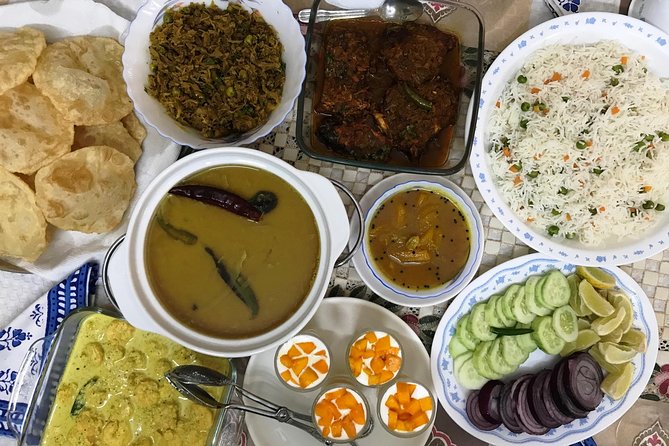
The meal can include several classic dishes, and the menu may vary depending on the season. Dishes you might see include:
- Shorshe maach: fish cooked in mustard sauce
- Kosha maangsho: mutton curry
- Aaloo posto: potatoes with poppy seeds
- Begun bhaaja: fried eggplant/aubergine
- Cholar dal: lentils served with rice or flatbread
And you’ll also have that tomato-and-dates chutney again as part of the overall meal balance.
Why sitting at the family table is the value
The biggest value isn’t only the recipes—it’s the context. When you eat right after cooking, you understand how the fried bread, mustard-based sauce, lentils, and chutney work together as a full plate.
That also makes it easier to remember what to taste for later. You’ll notice sweetness and tang, the sharp mustard bite, and how lentils round out the meal.
Paayesh rice pudding and the drinks that keep it easy
A meal like this ends the way Bengali home dinners often do: with dessert. In this class, you’ll finish with paayesh, the Bengali rice pudding, described as the favored dessert for any occasion in Bengali homes.
You’ll also have drinks included with your meal: tea, coffee, water, and a little beer. The class includes 1 to 2 glasses of local beer, plus other beverages, so you can choose what fits your comfort level.
How the drink plan affects the experience
This isn’t an open-ended party. It’s a small pairing meant to round out the meal. If you’re curious, try a small beer pour alongside the food. If you’d rather keep it tea-and-water, you still get the full dinner experience with no pressure.
Price and what $66 gets you in real terms
At $66 per person, this class isn’t cheap in a typical budget sense—but it also isn’t priced like a big-city commercial cooking studio. What you’re paying for is:
- A private class (just your group)
- Hands-on time with Zinnia in her home kitchen
- A full home cooked meal (lunch or dinner)
- Drinks during the meal, including local beer
- All taxes and fees included (so you’re not hit with add-ons later)
Also, it’s noted that this is typically booked around 14 days in advance. That’s a good sign: it suggests the class schedule and demand are real, and it’s not always available on short notice.
The best value for the right traveler
This is best value if you want more than cooking techniques. If you want to taste Bengali food the way a home does—spice logic, dinner-table pacing, and dessert afterward—then the price starts making sense fast.
If you only want a quick cooking skill with no meal and no home setting, you might compare against other food experiences. But if you’re excited about mustard-forward Bengali dishes and don’t mind getting hands-on, this is a strong use of time in Kolkata.
Who this Kolkata Bengali class suits (and who might want a different plan)
This private cooking class fits food lovers who like practical learning. You’ll enjoy it if you:
- Want to cook Bengali classics like luchi, shorshe chingri, and chutney
- Care about the flavor foundation (panch phoran, mustard oil, and mustard paste)
- Prefer a local-home vibe over a restaurant meal alone
- Travel with at least one person who’s happy to cook and eat at the same time
Good to know for different dietary needs
Vegetarian meals are available if you ask when booking, and you should mention any allergies, dietary restrictions, or cooking preferences up front so Zinnia can adapt.
One consideration if you’re not comfortable with close quarters
The kitchen is described as small. Since this is hands-on cooking, you’ll likely be working in close proximity. If you dislike tight working spaces, it’s worth planning for that reality.
Practical tips for booking and showing up ready
A few simple moves will make your cooking day smoother:
- Ask for vegetarian options at booking if that applies to you.
- Bring comfort-focused clothes you don’t mind getting touched by kitchen work.
- Since hotel pickup and drop-off aren’t included, plan your own way to the meeting location in Kolkata.
- Keep your schedule flexible: the class runs 2 to 3 hours, and you’ll be cooking first, then eating.
Also, menus can vary by season. Instead of treating the dish list as a rigid guarantee, treat it as the set of classics you’ll likely cook and eat, with swaps depending on what’s available.
Should you book this Bengali home cooking class?
Book it if you want a Kolkata experience that’s built around taste, technique, and eating at the table right after you cook. The private format plus the home meal is the real draw, and the spice-focused start (panch phoran and mustard oil) gives you something you can carry into future cooking.
Skip it only if you’d rather avoid close kitchen space, aren’t interested in the mustard-forward Bengali flavors, or you need hotel pickup and door-to-door convenience.
If those aren’t dealbreakers, this is an efficient, memorable way to spend a few hours in Kolkata: cook, eat, learn the why behind the flavors, then end with paayesh.
FAQ
How long is the Bengali cooking class in Kolkata?
The experience runs about 2 to 3 hours total, with a hands-on cooking class portion of about one hour.
What dishes will I learn to cook?
You’ll learn to roll out dough and fry luchi, prepare shorshe chingri (prawns in mustard gravy), and make tomato and dates chutney from scratch. The full meal may also include other Bengali dishes depending on the season.
Is a vegetarian option available?
Yes. Vegetarian meals can be offered if you request it when booking. Share any allergies or dietary restrictions as well.
Are drinks included with the meal?
Yes. You’ll have tea, coffee, water, and more. Local beer is included as 1 to 2 glasses.
Does the menu stay the same all year?
No. The menu may vary depending on the season, but it will focus on Bengali classics.
Do I get hotel pickup and drop-off?
No. Hotel pickup and drop-off are not included.