REVIEW · MUNNAR
WE COOKS- Home Cooking Class in Munnar
Book on Viator →Operated by Munnar Info · Bookable on Viator
Kerala cooking starts at 2 pm, in a real home. What makes We Cooks worth your time is the hands-on way the lesson works, plus the host explains the health angle behind the flavors and spices. One practical consideration: it’s a fixed-time class, and you’ll want to be on time for the pickup point at Munnar Info.
I especially like that this isn’t a big show for strangers. It’s up to 6 people, so you get personal attention while you learn and taste what you’re making. Dinner is included, so your evening plans get simpler.
In This Review
- Key things that make We Cooks a smart Munnar food choice
- Munnar Info, a 2 pm start, and why timing matters
- Inside the home: what you do during a Kerala cooking class
- The Kerala food behind the menu: breakfast ideas and Sadhya context
- What to expect at each stage of the cooking class
- Pickup and arrival: get settled before you start cooking
- Cooking mode: hands-on for around six Kerala dishes
- Health benefits explained along the way
- Dinner and tasting: the payoff is included
- Ending back at the meeting point
- Vegetarian notes you should not skip
- Price and value: why $23 can actually be a good deal
- Who this class suits best (and who may not)
- Practical tips to get the most from your 2 pm kitchen session
- FAQ
- FAQ
- Where does the We Cooks cooking class start?
- What time does the class begin?
- How long is the cooking class?
- Is pickup included?
- Is dinner part of the experience?
- How many dishes are demonstrated?
- Is this class vegetarian-friendly?
- How big is the group?
- What is the cancellation window?
- Should you book We Cooks in Munnar?
Key things that make We Cooks a smart Munnar food choice
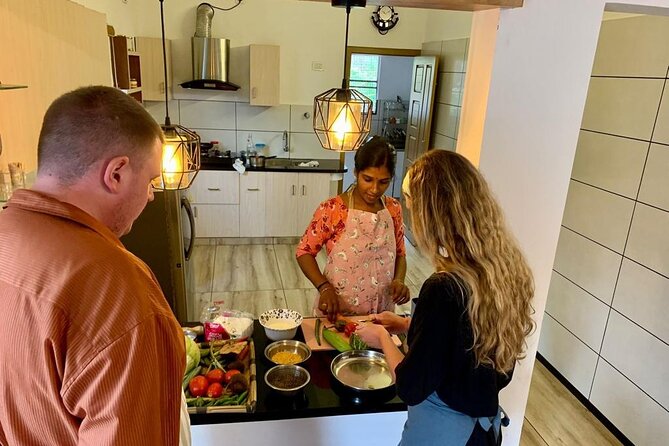
- A home-kitchen class: you learn like someone’s helping in the kitchen, not like you’re watching a demo
- About six Kerala dishes: you get a crash-course feel without being rushed
- Health benefits explained: spices and ingredients get context, not just instructions
- Small group size (max 6): easier Q&A and more “hands-on” time for each person
- Dinner included: you cook, then you actually eat what you made
Munnar Info, a 2 pm start, and why timing matters
This experience is built around an early start to your evening. The class begins at 2:00 pm, and pickup is offered from Munnar Info, Chithirapuram, Kerala 685565. The activity runs for about 4 hours, and then you return back to the meeting point at the end.
If you’re mapping out your day in Munnar, think of this as your “food-anchor” activity. Four hours plus travel time to/from the meeting point can be a lot to stack with other plans. If you’re already spending the morning on tea viewpoints or a plantation stop, this 2 pm slot is a nice break: you shift from sightseeing into something hands-on that ends with a full dinner.
Also note: the class is near public transportation. That matters if you’re traveling without private transport, because getting to the pickup point is simpler.
You can also read our reviews of more tours and experiences in Munnar.
Inside the home: what you do during a Kerala cooking class
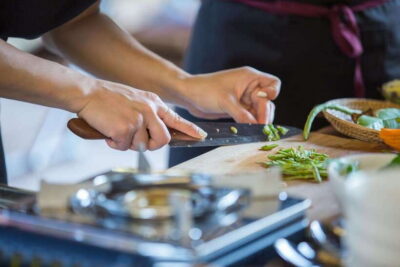
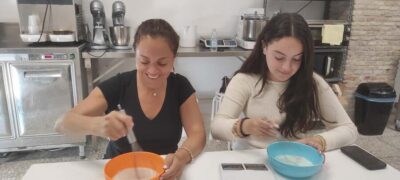
The core of We Cooks is straightforward: you cook, you learn, and you leave with a real understanding of how Kerala flavors come together. The format is hands-on, with the host showing and guiding you through about six Kerala dishes. In other words, you’re not just taking notes. You’re getting your hands involved as each dish comes together.
Because it’s in a home, the pace usually feels more relaxed than a restaurant kitchen class. That home setting also changes how you experience “authentic.” Instead of a performance built for tourists, you get a window into how everyday Kerala home cooking works.
One thing I like about this setup is how it encourages practical learning. You’re hearing why ingredients are added and what role spices play, which helps when you try to recreate dishes later. You’re also eating as part of the same experience, so you can connect the final flavor to the steps you just did.
And yes, you should expect the lesson to include the health benefits of the dishes. That doesn’t mean it turns into a nutrition lecture. It’s more like, you learn how Kerala cooks think about ingredients—spices, cooking methods, and balanced meals—so you understand what you’re tasting.
The Kerala food behind the menu: breakfast ideas and Sadhya context
Even though you’ll cook only a limited set during the session, the class is firmly rooted in Kerala’s food culture. The idea is that Kerala cuisine is loved far beyond the state, and the host aims to spread that taste around the world.
To help you orient, you’ll likely hear about classic staples that define Kerala’s daily eating. Traditional Kerala breakfast often includes items like appam, dosa, idli, puttu, and tapioca. These aren’t random examples; they show the mix of rice-based comfort and creative textures that Kerala cooking does so well.
The class also ties into the famous Onam Sadhya concept. A Sadhya is typically served with rice and a set of curries and sides—things like sambar, aviyal, kichadi, thoran, pappadom, curd, and rasam. Even if you don’t cook every single one of these during your session, this background matters. It helps you see Kerala meals as something more structured than “a curry and a side.”
That context is valuable because it changes how you’ll remember the flavors. You won’t just say, That was spicy. You’ll be able to place why it tasted the way it did: the spice choices, the balance between tangy and creamy, and how curries and sides work together on the plate.
What to expect at each stage of the cooking class
Here’s a realistic flow of how the class experience typically feels, based on what the program is designed to deliver.
Pickup and arrival: get settled before you start cooking
You’ll meet at Munnar Info and join the group pickup for the 2 pm start. From there, you’ll be taken to the home kitchen where the session happens. Since the group is capped at 6 people, the setup supports personal attention rather than mass organization.
This also means you’ll want to arrive with a clear mindset. You’re not just popping in for one dish—you’ll be learning through multiple dishes over the full four-hour session.
Cooking mode: hands-on for around six Kerala dishes
The program focuses on demonstrating and teaching about six Kerala dishes. Expect step-by-step guidance that helps you understand technique, not just outcomes. You’ll likely move through different prep tasks and cooking steps as each dish comes together.
The big advantage here is learning by doing. Kerala cooking isn’t only about spice blends; it’s also about timing and texture—how something thickens, how flavors balance, and how a side complements a curry. When you’re actively making components, those details stick.
Health benefits explained along the way
A distinctive part of this class is that the host explains the health benefits of the dishes as you go. That changes the learning experience for many people. Spices and ingredients stop being “mystery flavor makers” and start being practical tools.
You may come away with ideas like how certain ingredients support digestion or why dishes are built with a balance of heat, sour notes, and cooling elements. Even if you don’t memorize every reason, you’ll remember the logic, and that makes the cooking easier to repeat later.
Dinner and tasting: the payoff is included
Dinner is included in the price. That matters because it turns the class into a complete experience: you cook, then you eat what you cooked.
This also helps you judge results immediately. If a dish tastes slightly different from what you expected, you can connect that back to what you did in the kitchen. It’s one of the best ways to learn cooking fast without feeling like you’re studying theory.
Ending back at the meeting point
After the session wraps, the activity ends back at the meeting point. So you don’t need to plan an extra transit step to get back out of the area.
Vegetarian notes you should not skip
If you eat vegetarian, make sure you inform the organizer before the class. The program specifically notes that vegetarian options should be communicated in advance.
Also, keep your expectations realistic. The class is centered on Kerala home cooking, and Kerala cuisine includes both vegetarian and non-vegetarian dishes. With advance notice, the kitchen can adjust the session appropriately for your diet, but you should still treat your confirmation as important.
If you have allergies or strict dietary rules beyond vegetarian, the data you provided doesn’t spell those out. In that case, I’d message the provider before booking and get a clear answer on what can be accommodated.
Price and value: why $23 can actually be a good deal
The price is $23.00 per person, and it includes dinner, plus all fees and taxes. For Munnar, that’s a price point that stays reasonable for a focused 4-hour activity, especially because you’re not paying separately for food at the end.
What makes it good value is the structure:
- You learn technique across multiple dishes (not just one bowl)
- You get a meal that’s part of the learning outcome
- The group size is limited to max 6, which supports real interaction
There is also pickup offered, but private transportation outside the set pickup point isn’t included. That means your total cost depends on how you’re getting to Munnar Info in the first place. If you’re already in the area or can use public transport, you’ll likely keep costs down.
Who this class suits best (and who may not)
This is a great fit if you want:
- A hands-on Kerala cooking class rather than a lecture
- A small-group experience where you can ask questions and actually cook
- A dinner plan that’s included, so you don’t have to figure out food after
It’s also well suited for people who like understanding the “why” behind flavors. Since the class includes explanations of health benefits, it’s not only about taste but also about ingredient logic.
It may be less ideal if you prefer:
- A self-paced experience where you move at your own speed
- A broader multi-stop tour with sightseeing beats (this is concentrated around the cooking session)
Practical tips to get the most from your 2 pm kitchen session
A few small choices can make the day smoother.
Wear comfortable clothes and expect kitchen heat. Even if the home kitchen is not overly hot, cooking involves movement, steam, and hands-on tasks.
Bring a curious attitude. The class is designed as a guided lesson, and you’ll get more from it if you’re willing to ask what each spice or step is doing.
If you’re considering this as part of a trip that also includes tea gardens and viewpoints, keep your next day lighter. Cooking lessons can be a lot of sensory input, and it’s nice to give yourself time to recover after.
And if you’re vegetarian, plan ahead. Make sure you’ve told the team in advance so the session matches your needs.
FAQ
FAQ
Where does the We Cooks cooking class start?
The class starts at Munnar Info, Chithirapuram, Kerala 685565, India.
What time does the class begin?
The start time is 2:00 pm.
How long is the cooking class?
The duration is about 4 hours.
Is pickup included?
Pickup is offered, but private transportation outside the set pickup point is not included.
Is dinner part of the experience?
Yes. Dinner is included.
How many dishes are demonstrated?
Mainly 6 Kerala dishes are demonstrated during the session.
Is this class vegetarian-friendly?
Vegetarian participants should inform the organizer before the class.
How big is the group?
The session allows a maximum of 6 persons.
What is the cancellation window?
You can cancel for a full refund up to 24 hours before the experience’s start time. If you cancel within 24 hours, the amount paid is not refunded. Weather issues may lead to a different date or a full refund.
Should you book We Cooks in Munnar?
If you want a real Kerala food experience without guessing at recipes or doing a generic food tour, We Cooks is an easy yes. The small group size, the hands-on cooking for around six dishes, and the fact that dinner is included make it good value for a 2 pm start.
Book it especially if you’re the type who likes learning how food works: spices, health context, and meal structure like the Kerala favorites and the Sadhya tradition. Just make sure you’re on time at Munnar Info and message ahead if you’re vegetarian, so the kitchen can set things up correctly for your session.