REVIEW · HOI AN
Hoi An Cooking Class – Traditional Chinese Dumpling
Book on Viator →Operated by Hoi An Cooking Class - Dumplings Class · Bookable on Viator
Dumplings taste better when you make them. This Hoi An dumpling class takes you into Bồng Farm’s peaceful countryside setting, where you’ll learn dough and fillings from scratch, then shape, steam, and fry your own dumplings. If you like food that’s practical, hands-on, and rooted in real ingredients, this is an easy choice.
I especially like two things: the hands-on cooking (you make the dough and fillings, then build the dumplings yourself), and the farm-fresh ingredient focus (organic, homegrown herbs and vegetables). The only real drawback to consider is simple logistics: you’re heading to Cẩm Hà, outside central Hoi An, so plan how you’ll get there.
In This Review
- Quick hits
- Finding Calm at Bồng Farm in the Countryside
- Arriving at Bong Farm Restaurant and Getting Started
- The Dough Lesson: Getting Dumplings to Hold Together
- Fillings and Flavor: Vegetarian Options Included
- Shaping Dumplings: Where It Gets Fun
- Cooking Your Results: Steam and Fry
- The Farm-Fresh Meal: Salad and Eating Where Ingredients Grow
- Why This Class Feels Personal (and Not Like a Factory)
- Price and Value: Is $18.08 Worth It?
- Timing and Logistics: 3 Hours That Don’t Drag
- Tips to Make the Most of Your Dumpling Class
- Who Should Book This Dumpling Class in Hoi An?
- Should You Book Bồng Farm’s Dumpling Cooking Class?
- FAQ
- How long is the Hoi An cooking class?
- What will I make during the class?
- Is a vegetarian filling option available?
- Where do I meet for the class?
- Is this activity private or shared with other groups?
- Do I need a printed ticket?
Quick hits
- 3 hours of focused instruction, capped by a meal you helped create
- Make-from-scratch dumpling dough plus filling options, including vegetarian
- Fresh garden herbs and homegrown produce in the class process
- Cook your dumplings three ways in practice: fill, then steam and fry
- Private setup for your group, with a personal, family-style vibe
- A take-home recipe so you can repeat the dumplings after you go
Finding Calm at Bồng Farm in the Countryside
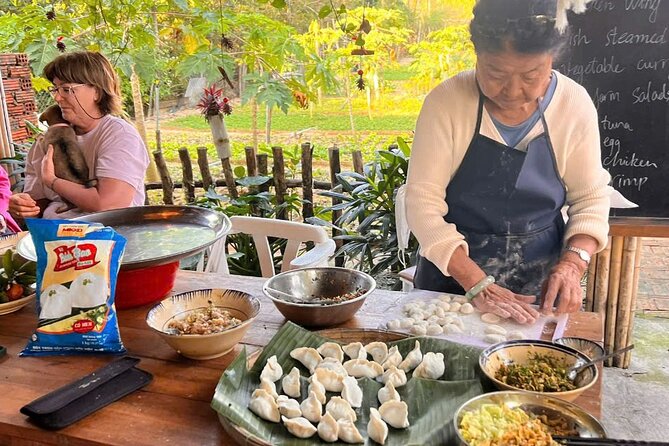
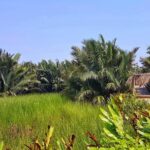
Hoi An can be all scooters, lanterns, and quick snacks. This class gives you a different rhythm. You start at Bong Farm Restaurant – Farm Fresh Food, at Tổ 30 bến trễ, Cẩm Hà, Hội An, Quảng Nam, Vietnam. From there, the day shifts into a quieter, farm-based atmosphere that feels more like joining a family kitchen than sitting in a demo.
What you’re really buying here is time plus technique. In about three hours, you’ll get the basics that make dumplings work: dough texture, filling balance, how much to put inside, and how to shape so they don’t fall apart. That’s useful back home, because dumpling success is mostly about feel, not fancy equipment.
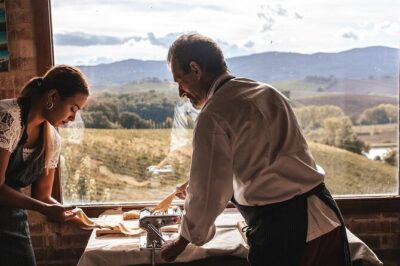
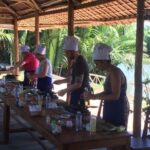
Also, the setting matters. The experience happens in a rustic farm setup with nature around you. You’re not trying to squeeze flavor out of a rushed schedule. You’re learning slowly enough to get it right, and you’re eating where the ingredients are coming from.
You can also read our reviews of more tours and experiences in Hoi An.
Arriving at Bong Farm Restaurant and Getting Started
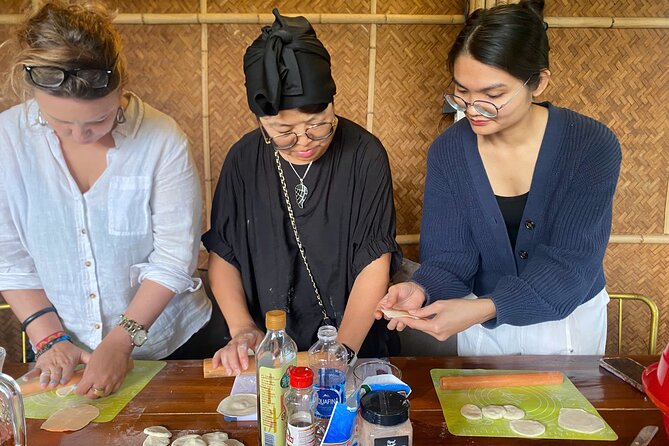
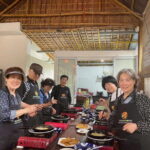
Your experience starts at the Bong Farm Restaurant – Farm Fresh Food meeting point. You’ll use a mobile ticket, and confirmation happens at booking. It’s a private activity, meaning it’s just your group, not a giant mix of random people. That alone makes the class feel calmer, especially if you’re traveling with kids or want a more relaxed pace.
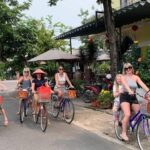
A practical note: because you’re near public transportation, it’s not totally out in the middle of nowhere. Still, treat this as a “leave the center” plan. If you’re basing yourself in central Hoi An, give yourself buffer time to get out and back without stress.
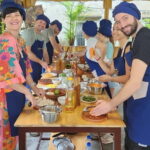
Once you arrive, you’ll settle into the farm environment and get oriented before cooking ramps up. This matters more than you might think. Dumplings are hands-on; if you’re scrambling for instructions or tools, the whole thing turns frustrating instead of fun. Here, the structure is straightforward, and the class style is friendly and welcoming—exactly what you want when your hands are covered in dough.
The Dough Lesson: Getting Dumplings to Hold Together
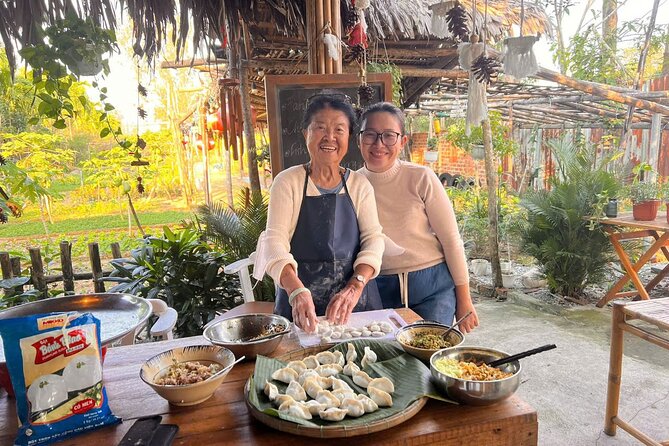
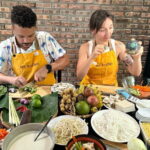
The class focuses on traditional dumpling-making from scratch. You learn how to make the dough, not just how to wrap ingredients. That’s a big deal because homemade dumpling dough teaches you how to work with the texture.
Here’s what you can expect in practical terms:
- You’ll get instruction on mixing and kneading so the dough behaves when you roll and fold.
- You’ll learn how to handle dough consistently, so it doesn’t crack or become sticky.
This is the part of dumpling class that pays off later. When you make dough yourself, you can adjust next time at home. Flour brands vary. Humidity varies. Temperature varies. Knowing the process helps you troubleshoot.
And if you’re doing this with kids: dough work is messy in a good way. It’s tactile learning—hands-on, and it gives everyone something to do instead of just watching.
Fillings and Flavor: Vegetarian Options Included
After the dough, you move into fillings. This is where dumplings start tasting like something you’d actually want again.
The class offers filling options, including a vegetarian option. That means vegetarians aren’t “stuck with a side dish.” You’re building the dumplings with a filling style that fits dietary needs.
Even beyond dietary choices, fillings are about balance:
- You want enough filling to taste good, but not so much that wrapping becomes impossible.
- You want herbs and ingredients that smell fresh, not flat.
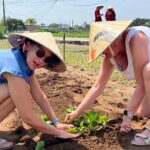
The farm ingredient angle is a major plus. You’ll be working with fresh herbs and produce in the flow of the class. That matters for two reasons. First, it improves flavor immediately. Second, it teaches you what kind of ingredients to seek if you want to recreate the dumplings later.
Shaping Dumplings: Where It Gets Fun
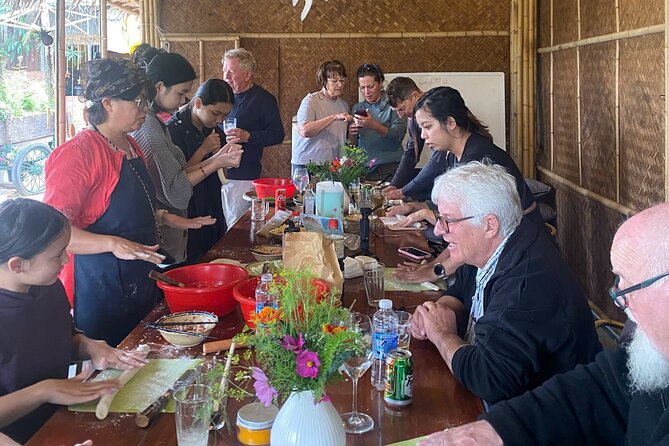
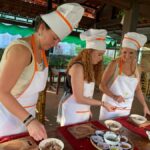
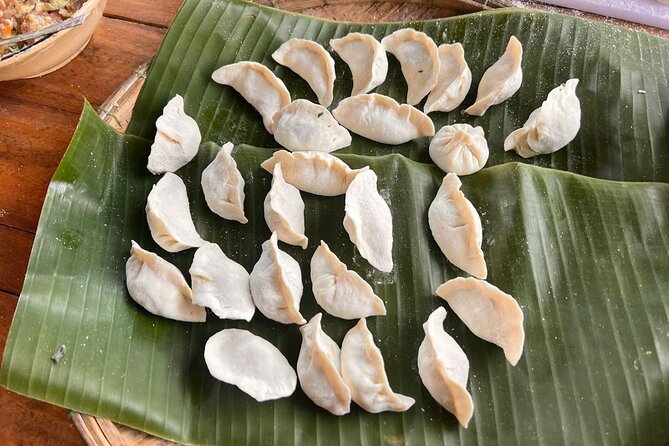
Once the dough and fillings are ready, you’ll assemble your dumplings. The class encourages you to create your own stylish dumplings—not just generic folded shapes. That turns the “technical” part into something visual and satisfying.
This is also the moment you see whether your dough and filling quantities are working. If the dough is right and the filling isn’t overloaded, shaping becomes smooth. If something is off, you’ll learn quickly why. That’s the real advantage of a guided class: you correct problems in the moment instead of guessing later.
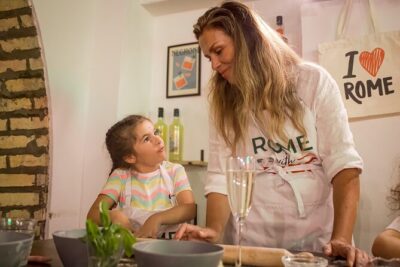
If you’re doing this as a family activity, shaping is the easiest win. Everyone can form something, and it doesn’t require culinary confidence. Plus, you’ll end with dumplings you can point to and say, I made that.
Cooking Your Results: Steam and Fry
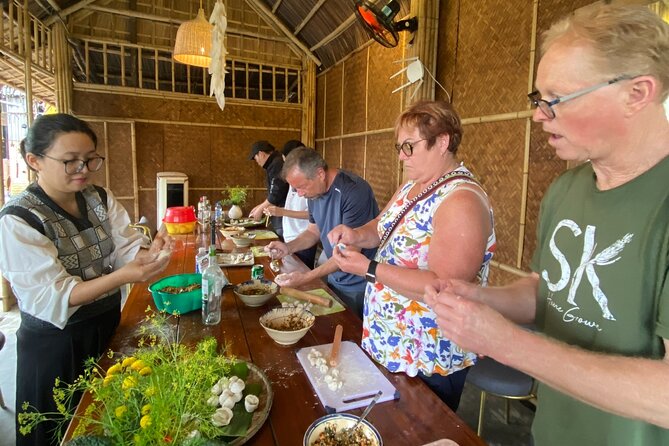
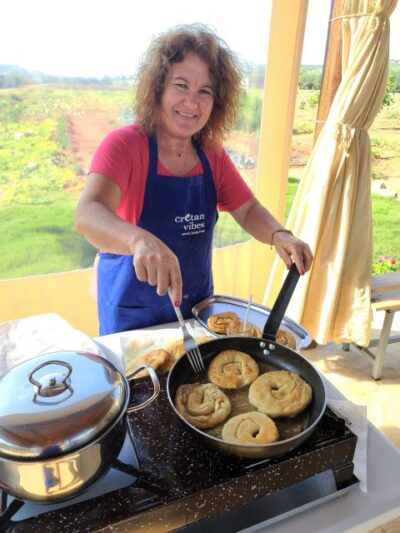
After shaping, the process continues with cooking. You’ll steam and fry your dumplings as part of the class flow. That gives you two different textures and helps you understand how dumplings can be prepared depending on what you want to emphasize—softness from steaming, crisp edges from frying.
This also changes how you perceive what you made. Raw dumplings are just dough and filling. Cooked dumplings show you whether:
- your dough thickness was appropriate,
- your seals held,
- your filling didn’t throw off texture.
By the time you sit down to eat, you’re not waiting for a mysterious finished product. You’re eating your own output—still warm, fresh, and clearly made with care.
The Farm-Fresh Meal: Salad and Eating Where Ingredients Grow
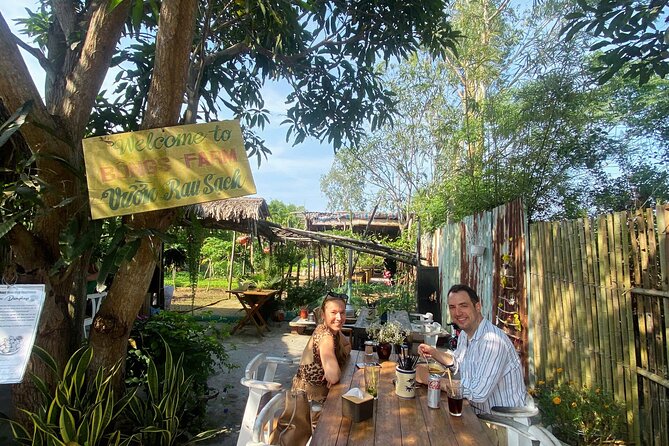
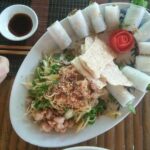
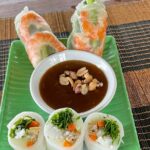
You’ll enjoy a meal that includes your dumplings, plus farm-fresh salad served alongside. This is a smart pairing. Dumplings can be rich, so the salad keeps the meal light and clean. It’s also a nice reminder that you’re eating a farm-oriented version of Vietnamese cuisine—fresh produce and simple, honest flavors.
What makes this part work best is the timing. You cook, you taste, and the meal feels like a continuation of the class rather than a separate restaurant stop. You’re still in the learning mode, so the eating stage becomes another way to understand the food.
The farm focus also shows up in the overall vibe. The experience is described as peaceful and rustic, with nature around you and a relaxed pace. That turns your meal into something more than fuel. It’s part of the story of the place.
Why This Class Feels Personal (and Not Like a Factory)
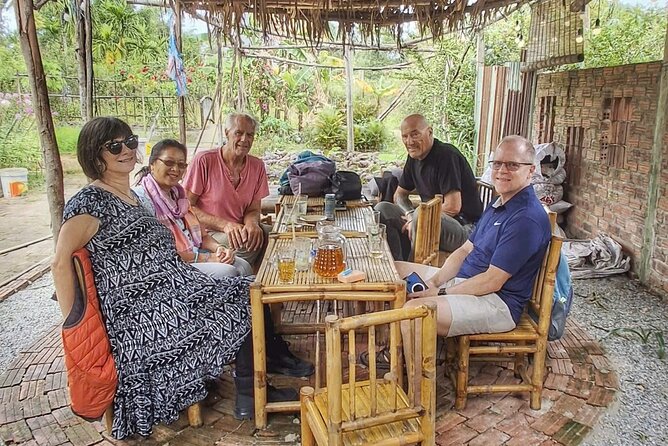
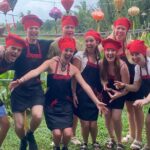
The most repeated theme in the experience style is hospitality. Bồng and her family create a personal, family mood. The class doesn’t feel stiff or formal. It feels unpretentious, friendly, and grounded in a real household routine.
That matters because dumpling classes can go two ways:
- You get a cookie-cutter workshop where you follow steps and leave.
- Or you get a class that feels like someone actually wants you to succeed.
This experience leans hard toward the second option. You’re guided through the steps, and the environment is welcoming enough that even families can relax while learning. The setting in the countryside also helps—everything slows down slightly, and you notice more of the surroundings while you’re cooking.
If you want to meet the people behind the food and not just check an activity box, this style is a strong match.
Price and Value: Is $18.08 Worth It?
At $18.08 per person, the value is pretty solid for what you get. You’re paying for several things that add up:
- A hands-on class (dough, filling, shaping)
- Cooking help (steaming and frying)
- A meal that includes what you made plus farm-fresh salad
- Interactive instruction and a take-home recipe
In Hoi An, cooking classes can range from casual and short to more formal and pricier. This one lands in the practical middle: short enough to fit into a travel schedule, detailed enough that you learn real technique, and complete enough that you don’t need to hunt for dinner afterward.
The value also improves if you’re traveling as a small group, because the private setup means you’re less likely to feel rushed. If you’re the type who likes to eat what you make, this price makes even more sense. You’re not just watching someone else cook.
Timing and Logistics: 3 Hours That Don’t Drag
The class runs about 3 hours. That’s a good length for dumplings because the cooking process needs time, but you don’t need a half-day commitment.
You can picture your timeline like this:
- Arrive and get oriented
- Learn dough basics
- Learn filling options (vegetarian available)
- Shape dumplings
- Steam and fry
- Eat your dumplings with farm-fresh salad
Even on a rainy or soggy day, this kind of indoor-outdoor farm setup tends to stay comfortable as an activity. You get the countryside vibe without needing to spend hours walking around town.
If you’re planning your days, treat this as a mid-day or early afternoon anchor. It’s a good break from walking, shopping, and heat.
Tips to Make the Most of Your Dumpling Class
A few small moves can help you get more from the experience:
- Come ready to get hands-on. Dumpling dough gets on you. That’s part of it.
- Try the vegetarian option even if you’re not vegetarian. It gives you more understanding of how fillings change flavor.
- Focus on sealing and portion size. If you get those right, the cooking step is way smoother.
- Take the recipe home seriously. The take-home instructions are what let you recreate the class later, not just remember it.
If you’re with kids, plan for smiles and some mess. This is exactly the kind of activity families tend to enjoy because kids can participate at every stage, not just at the end.
Who Should Book This Dumpling Class in Hoi An?
This class is a great fit for:
- Families looking for a hands-on activity that kids can actually do
- Food lovers who want technique, not just tasting
- Travelers who want a calmer break from Hoi An’s busy center
- Anyone who likes farm-to-table style ingredients and fresh herbs
It might not be the best match if you want:
- A high-speed, short tasting only experience
- A very city-based plan with minimal travel time outside central areas
But if your idea of a good day includes cooking, eating, and meeting friendly hosts, Bồng Farm hits the sweet spot.
Should You Book Bồng Farm’s Dumpling Cooking Class?
Yes, I’d book it if you want an easy-to-do, hands-on culinary experience with real ingredients and a meal included. The best reason is simple: you don’t just learn dumplings as a concept—you make dough, choose fillings (including vegetarian), shape your own dumplings, and then steam and fry them before eating with farm-fresh salad.
Book it if you’re in Hoi An and you want something more personal than another tour stop. And if you’re traveling with kids, it’s one of those rare classes where everyone gets to do the fun part.
FAQ
How long is the Hoi An cooking class?
The dumpling cooking class lasts about 3 hours.
What will I make during the class?
You’ll learn to make the dough and fillings, create your own dumplings, and then you’ll steam and fry them.
Is a vegetarian filling option available?
Yes, a vegetarian option is available.
Where do I meet for the class?
You start at Bong Farm Restaurant – Farm Fresh Food, at Tổ 30 bến trễ, Cẩm Hà, Hội An, Quảng Nam, Vietnam.
Is this activity private or shared with other groups?
This is a private tour/activity, so only your group will participate.
Do I need a printed ticket?
No. The experience uses a mobile ticket. Confirmation is received at the time of booking.