REVIEW · HOI AN
Hoi An : Vietnamese Cooking Class with Phở and Eco Tour
Book on GetYourGuide →Operated by Hai An Travel · Bookable on GetYourGuide
A day in Hoi An can taste like a recipe book. You’ll shop with an English-speaking chef, float through Bay Mau coconut forest, then cook a full meal and trade bites with your group.
I like that you’re not just watching. You learn ingredient choices up close, then follow step-by-step instructions to make dishes you can actually repeat later.
One thing to consider: the experience is time-packed, so bring shoes you can stand in for a while, and be ready to get a little wet or muddy depending on conditions.
Here’s the fun part I really love: the combo of market learning and hands-on cooking. You walk away knowing which herbs and spices drive the flavor, not just which dish you made.
I also appreciate the social piece. You eat what you cooked, and you can swap notes and compare results with the people in your class.
If you have strict food allergies, you’ll want to plan ahead and tell the operator early so the chef can adjust what you’re given.
In This Review
- Key reasons this Hoi An cooking + eco trip works
- From Market to Menu: how the morning sets up your cooking
- Bay Mau coconut forest by bamboo basket boat: what’s special here
- Restaurant time: the calm before the cooking gets real
- Cooking class in Hoi An: step-by-step Vietnamese dishes you can repeat
- Eating together: why the shared meal improves the whole experience
- What you’re really paying for: value behind the $28 price
- Who this trip suits best (and who should think twice)
- Practical tips so you get the best day
- Should you book this Hoi An cooking class + eco boat?
- FAQ
- What’s the duration of the Hoi An Vietnamese cooking class and eco tour?
- Is hotel pickup and drop-off included?
- Does the class include phở?
- How many dishes will I cook?
- Is lunch or dinner included?
- What activities are included besides the cooking class?
- Are vegan or vegetarian options available?
Key reasons this Hoi An cooking + eco trip works
- Local market stop focused on real Vietnamese ingredients you’ll use in class
- Bay Mau bamboo basket boat experience in the coconut forest area of Hoi An
- Hands-on cooking with a chef who teaches step-by-step in English
- Four dishes including phở, plus an ingredient list you can use again later
- Group meal where you taste and compare so you can troubleshoot your flavors
- Vegan/vegetarian options available if you notify in advance
From Market to Menu: how the morning sets up your cooking
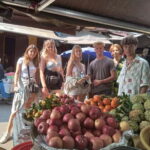
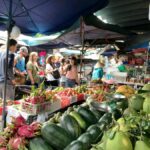
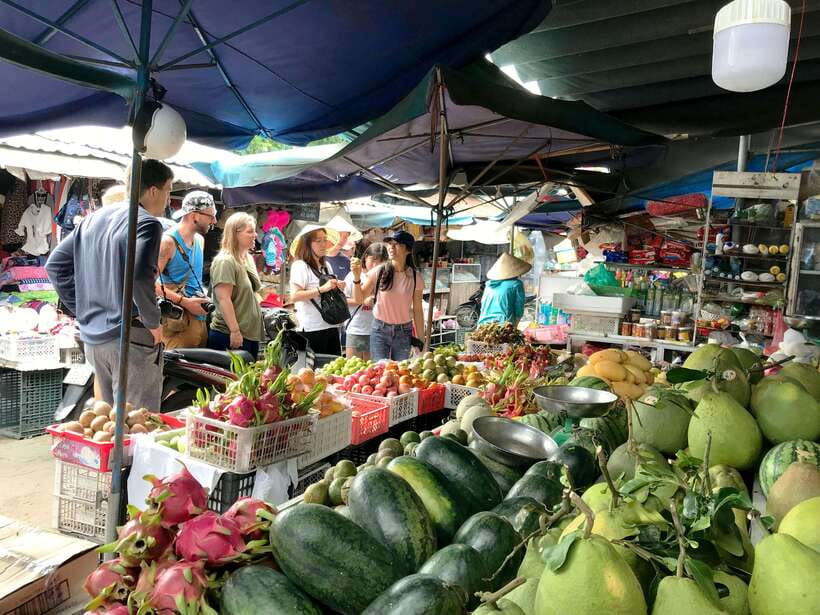
You’ll start with hotel pickup in Hoi An city center, then head straight to a local market. This is where the tour earns its keep. Instead of being vague about Vietnamese flavors, you’re guided through the building blocks: herbs, spices, and the kinds of produce that actually make dishes taste right.
You’ll learn what matters most in Vietnamese cuisine, and you’ll pick fresh ingredients for the cooking session. Even if you’ve cooked before, this part helps you understand the logic. Vietnamese cooking often relies on the balance of aromatic herbs, subtle acidity, and fragrant spices. When you see those ingredients in person, you stop guessing at home.
A practical note: markets mean walking. Wear comfortable shoes and plan to stand for stretches. If you’re sensitive to strong smells or crowded spaces, it can feel intense, but that’s also where the learning happens.
Also, this is the moment to speak up about dietary needs. The operator asks you to inform them of any food allergies or dietary restrictions in advance, and that matters because ingredients in a Vietnamese kitchen can share prep areas. If you tell them early, you’re more likely to get a version that fits you.
You can also read our reviews of more tours and experiences in Hoi An.
Bay Mau coconut forest by bamboo basket boat: what’s special here
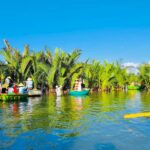
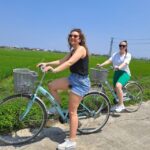
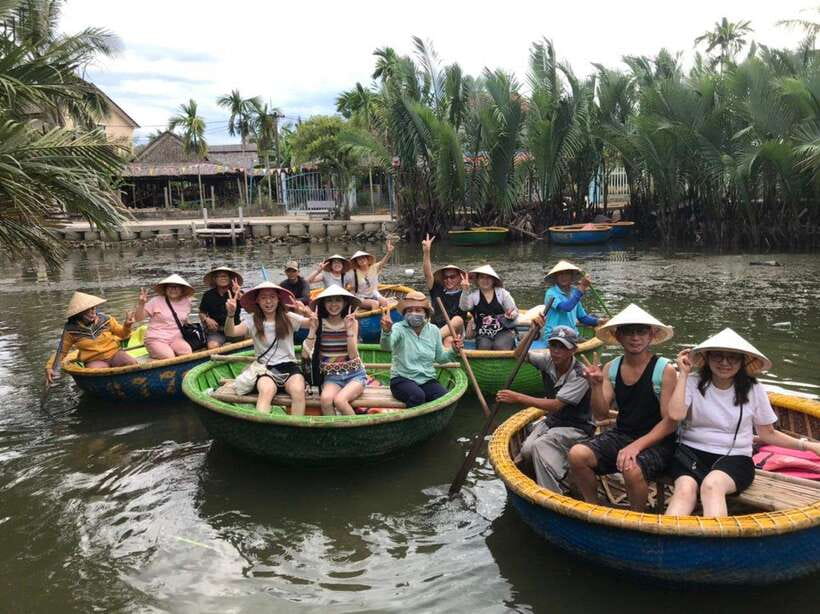
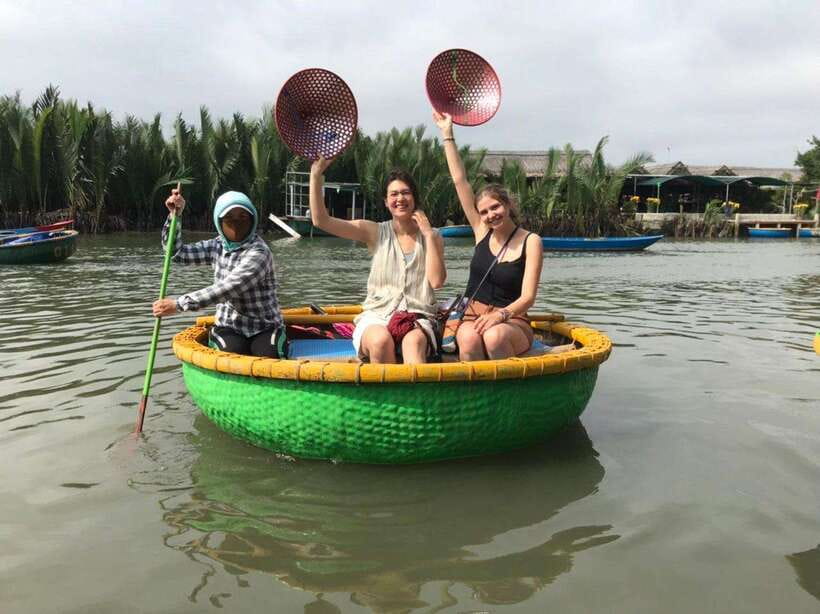
After the market, you transfer to a bamboo basket boat ride in Bay Mau coconut forest. The description also calls this area the Mekong Delta in the heart of Hoi An, and the feeling matches: lots of water, palms, and small-boat life.
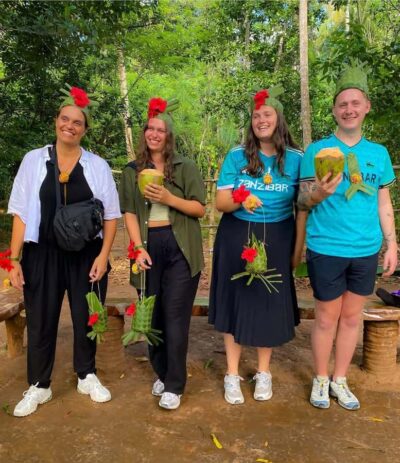
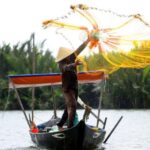
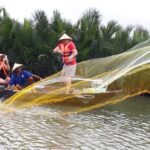
This portion isn’t just a scenic ride. You’ll get a basket boat performance, then you’ll try hands-on activities like throwing a fishing net and trying to catch crabs. That makes the eco element more active than many “nature tours” that are mostly just photos.
What I like about this is how it breaks up the day. The market is intense in a sensory way; the boat gives you a different rhythm. You also get that sense that food and nature connect here. Vietnamese cuisine is deeply tied to what grows and what’s harvested around water, even when you’re far from the actual Delta.
A heads-up: the boat portion can be weather-sensitive. One review noted rain didn’t ruin the mood, but it still means you’ll want to dress smart for changing conditions. Comfortable clothes are the right call, not your best outfit.
Restaurant time: the calm before the cooking gets real
Once you’ve done the boat ride, you’ll return to a restaurant for a welcome drink and a rest. This is more than a pause. It gives you time to reset your energy before you start cooking for real.
Depending on your slot, you’ll eat what’s cooked as lunch (morning slot) or dinner (afternoon slot). Either way, the meal isn’t an afterthought. You’ll cook four dishes and then enjoy them, plus you’ll be able to sample what other people made. That makes it easier to understand what “good” tastes like when you compare results.
If you’re the kind of person who needs a quick moment to get your bearings, this break will help. If you’re already hungry, the welcome drink and rest are also a small relief before the kitchen action.
Cooking class in Hoi An: step-by-step Vietnamese dishes you can repeat
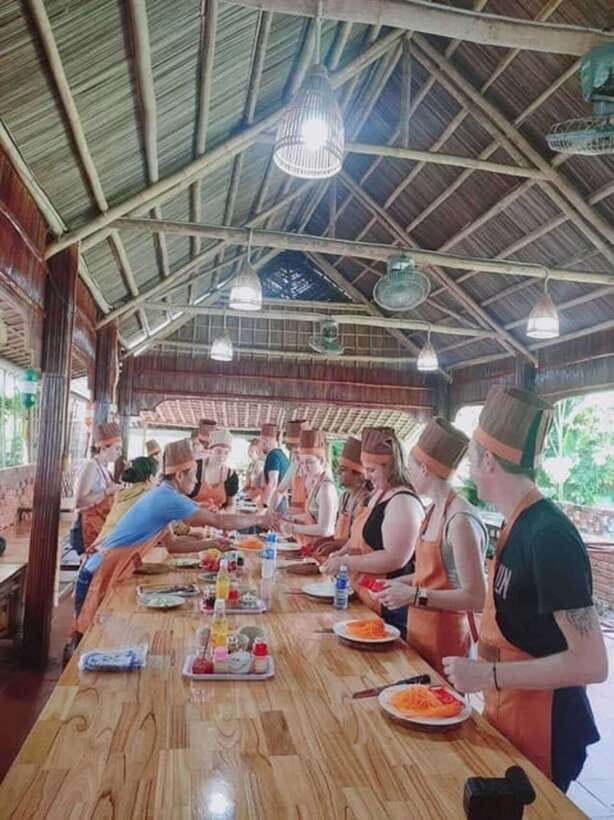
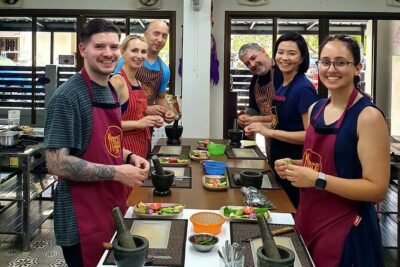
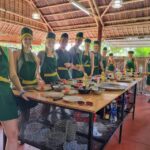
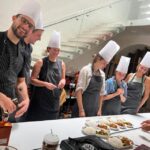
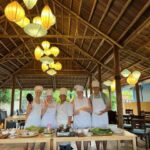
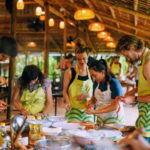
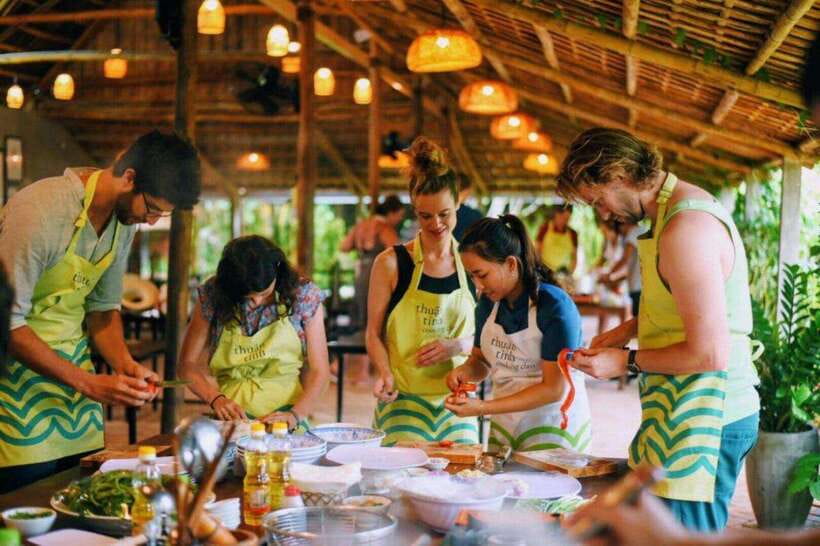
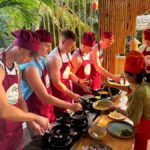
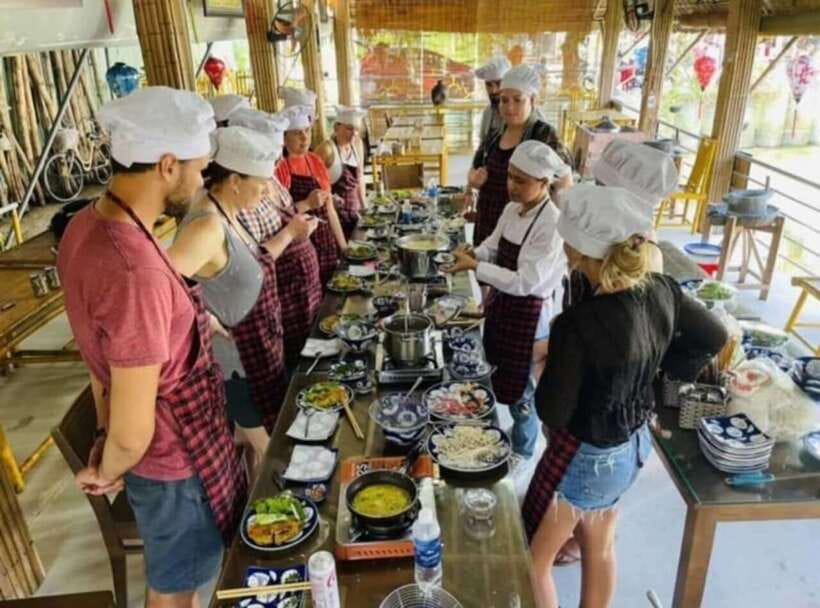
Now for the main event: the cooking class with a local chef who speaks English. The format is structured and hands-on. You follow detailed, step-by-step instructions, and you cook with high-quality ingredients selected earlier at the market.
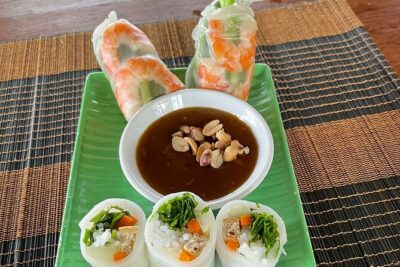
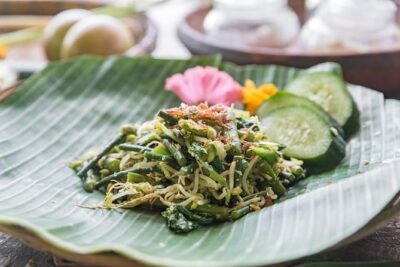
The class teaches you to make four local dishes, and the experience includes phở. Even if you’re only comfortable with basic cooking at home, the step-by-step approach is the point. You’re not left to figure out Vietnamese flavor from memory.
Here’s what you should pay attention to while you cook:
- Herb and spice timing: In Vietnamese cooking, aromatics are often used to finish or brighten flavor rather than disappear into the background.
- Taste as you go: The best habit you can build is tasting at multiple stages, especially for balance.
- Your ingredient choices: Because you helped pick produce at the market, you’ll likely notice differences between “similar looking” herbs at home.
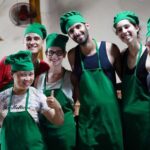
In one memorable case, the chef was Windy, and his sister helped as well. That kind of kitchen teamwork is a good sign in general: when there’s more than one person guiding you, you get faster fixes if your chopping is off or your seasoning needs adjusting.
You’ll also receive recipes after the lesson, so you can recreate what you made. That’s crucial. Many cooking classes feel fun in the moment, then you lose the details. Here, the goal is that you can practice at home later.
Eating together: why the shared meal improves the whole experience
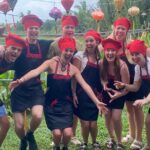
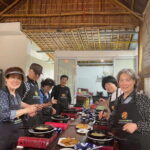
After cooking, you eat what you made. The class includes time for conversation and tasting among your fellow travelers. You’ll sample each other’s dishes, and that’s honestly one of the best ways to learn.
When you taste someone else’s phở or side dish, you quickly notice what changes the flavor most: the freshness of herbs, how sour or salty the broth balance feels, and whether spice is used lightly or boldly.
This “compare and adjust” element also helps if you’re new. Instead of judging yourself in silence, you get immediate food-based feedback from real outcomes. It’s like having your own mini taste test lab, but with good company.
If you’re traveling solo, this part is especially valuable. You get natural conversation without forcing it, because everyone is eating the same set of dishes and comparing notes.
What you’re really paying for: value behind the $28 price
The price is $28 per person, and the value comes from the full bundle, not just the cooking.
For that money, you’re getting:
- hotel pickup and drop-off in the city center
- an English-speaking chef
- a local market tour where you select ingredients
- a bamboo basket boat ride with hands-on activities
- all ingredients for the cooking class
- the included meal (lunch or dinner)
In plain terms, you’re paying for a guided full morning or afternoon that includes both culture (market and local food) and activity (the bamboo boat). Lots of separate tours would cost more if you booked them one by one.
One consideration is distance for pickup. If you’re staying outside the Hoi An city center (like Da Nang, Hoiana Resort, or certain listed resorts), there’s an extra transport fee. The listed surcharge depends on group size:
- Group 1–3: 300,000 VND one way
- Group 4–5: 350,000 VND one way
- Group 6–14: 500,000 VND one way
If you’re in Hoi An city center, you’ll likely feel the value is very strong. If you’re outside the area, factor in that add-on so you can judge the true total cost.
Who this trip suits best (and who should think twice)
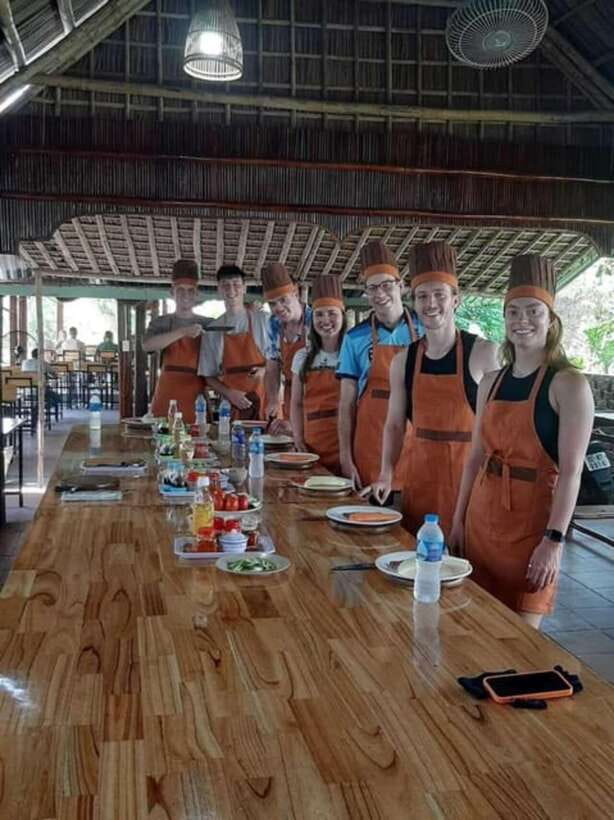
This experience fits best if you want more than a photo stop. If you like learning by doing—tasting, chopping, adjusting seasoning—you’ll enjoy it.
It’s a great match for:
- couples or small groups who want a shared activity
- food-focused travelers who want recipes they can repeat
- beginner cooks who need structure and step-by-step guidance
- anyone who enjoys practical “how it’s made” experiences in Vietnam
Think twice if:
- you’re expecting a quiet, slow-paced tour
- you dislike markets or don’t want to walk
- you have very complicated allergies and haven’t communicated them in advance
Also, children under 3 are free, but they won’t participate in cooking and will share services with their parents. If you’re traveling with a toddler, plan around that.
Practical tips so you get the best day
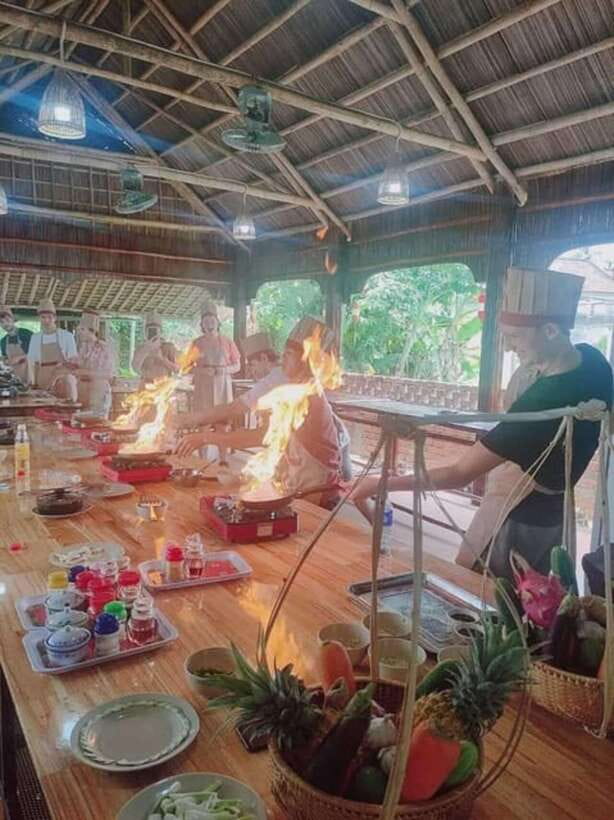
These details are small, but they help you enjoy the full itinerary:
- Wear comfortable shoes for market walking and kitchen standing time.
- Bring clothes suitable for cooking. You might get splashed or end up with kitchen smells on your clothes.
- If you want vegan/vegetarian options, tell the operator ahead of time.
- If it rains, keep a flexible attitude. The experience is designed to keep going, and the kitchen part is still the main event.
- Keep your appetite ready. You’ll cook and then eat, and the meal is included.
Should you book this Hoi An cooking class + eco boat?
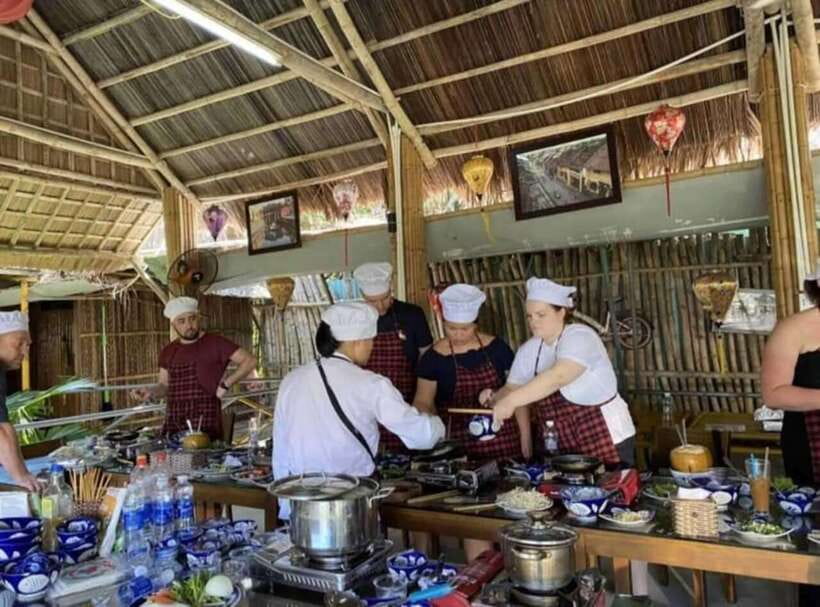
I’d book it if you want a real connection between ingredients, cooking technique, and local life. The market component plus the bamboo basket boat makes the day feel like Vietnam, not just a kitchen workshop.
Choose it especially if you:
- want to learn phở and four total dishes with recipes to take home
- like hands-on learning with an English-speaking guide
- enjoy active cultural experiences, not passive sightseeing
Skip it if you’re only looking for scenery or only care about one dish. This tour is designed as a full package: ingredients, activity, then cooking and sharing a meal.
FAQ
What’s the duration of the Hoi An Vietnamese cooking class and eco tour?
The experience runs for 270 minutes.
Is hotel pickup and drop-off included?
Yes, pickup and drop-off are included for Hoi An city center. If you’re staying in certain Da Nang or resort areas listed by the operator, an extra fee applies based on group size.
Does the class include phở?
Yes. Phở is included in the cooking class.
How many dishes will I cook?
You’ll learn to cook four local dishes.
Is lunch or dinner included?
Yes. Lunch is included for the morning slot, and dinner is included for the afternoon slot.
What activities are included besides the cooking class?
You’ll visit a local market and ride a bamboo basket boat in the Bay Mau coconut forest area. The boat portion includes a basket boat performance, plus you’ll throw a fishing net and try catching crabs.
Are vegan or vegetarian options available?
Yes, vegan/vegetarian options are available, but you should inform the operator in advance about dietary needs or restrictions.