REVIEW · UBUD
Small-Group Farm Tour & Balinese Cooking Class in Ubud with Kadek
Book on Viator →Operated by Traveling Spoon · Bookable on Viator
The aroma hits before you even start cooking. This small-group farm tour plus Balinese cooking class in Ubud mixes ingredient hunting with an outdoor meal you can actually recreate. I especially like that you walk the farm first, so the cooking lesson has context, not just recipes. You’ll also get straw hats, wet towels, and a meal that ends with dessert and Balinese coffee or tea.
Two things I’m glad about: you learn by doing (picking fresh spices and cooking 2-3 dishes), and you leave with a home recipe book for later. One practical consideration: it’s outdoors and can get hot and muddy, so shoes and bug spray really matter.
In This Review
- Key things to know before you go
- From Ubud pickup to Kadek’s farm: what the day feels like
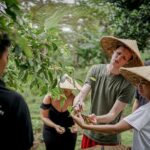
- The farm tour (30–45 minutes): straw hats, muddy paths, real ingredients
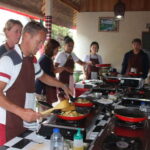
- The outdoor cooking class: learning 2–3 dishes in a real community kitchen
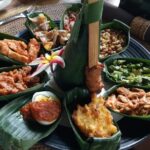
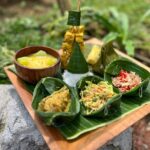
- What you might cook: Balinese favorites with familiar steps
- Eating the meal: the mother nature ritual and why it changes the timing
- Price and value: is $49 really worth a full farm-and-food day?
- Logistics that can trip you up: heat, footwear, and allergies
- Who should book this Ubud farm tour and cooking class
- Should you book Kadek’s Small-Group Farm Tour & Balinese Cooking Class?
- FAQ
- How long is the Small-Group Farm Tour & Balinese Cooking Class?
- Is hotel pickup included?
- Where does the tour start?
- Is there a vegetarian option?
- What will we cook during the class?
- What happens at the start of the day besides cooking?
- Are meals and drinks included?
- How big is the group?
- What should I bring for comfort during the outdoor parts?
- What is the cancellation policy?
Key things to know before you go
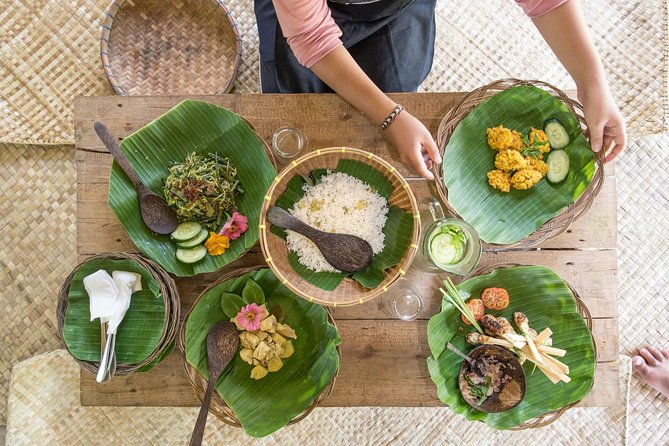
- Organic farm ingredient picking: You gather items like beans and lemongrass before you cook.
- Straw hats and wet towels: Small comforts that matter when you’re in the heat and working with muddy ground.
- 2-hour outdoor community kitchen class: You’ll make 2-3 dishes instead of just watching.
- Meal includes dessert and Balinese drinks: You finish with kolak plus coffee or lemongrass tea.
- Kadek’s mother nature ritual: He offers the meal first, then you eat without him joining the table right away.
- Max 10 people, Ubud hotel pickup included: Easy flow if you’re staying inside the Ubud pickup zones.
From Ubud pickup to Kadek’s farm: what the day feels like
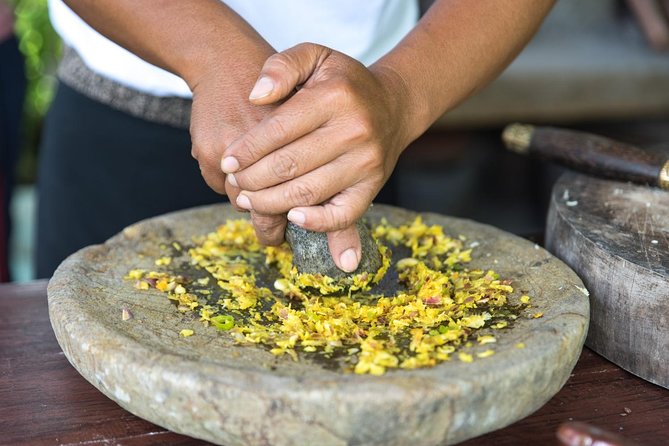
This is the kind of Ubud experience that starts with movement, not a lecture. You meet near Ubud’s Petulu area, then the tour runs with a smooth rhythm: farm tour first, cooking second, sit-down meal last. The whole thing takes about 5 hours in total, which is a nice length for a full morning or early afternoon without feeling rushed.
If you’re staying in Ubud, round-trip pickup is included, and the pickup focus is on well-known Ubud areas like Hanoman Street, Monkey Forest Street, and Jl. Raya Ubud. If you’re outside those zones, you’ll meet at the Maybank in Gianyar (Jl. Raya Ubud No.115, Petulu). I like that this is clearly defined, because it saves you from the usual uncertainty about where the van actually finds you.
The vibe here is hands-on and community-minded. In the earlier feedback, guides like Kadek and Apung showed up as friendly, practical teachers. That matters, because the best cooking classes don’t just give you steps; they make you feel like you belong in the process.
You can also read our reviews of more tours and experiences in Ubud.
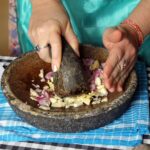
The farm tour (30–45 minutes): straw hats, muddy paths, real ingredients
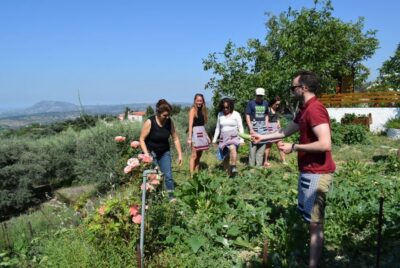
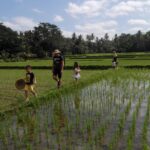
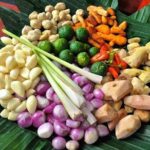
The farm portion lasts about 30 to 45 minutes, and it’s built around ingredient gathering. You’ll walk through tall bushes and muddy ground while you collect produce and spices you’ll use later in your dishes. You’re given straw hats so you’re not just suffering through the sun, and you’ll get a refreshing drink plus wet towels afterward to reset before cooking.
Here’s the part you’ll want to plan for: the farm is not a showroom. It’s a working space, which means you’ll feel the heat and you might get your shoes a bit dirty. Wear closed-toe shoes you’re okay with getting stained, and keep your expectations simple. You’re there to get hands-on with the ingredients, not to photograph pristine pathways.
You’ll gather things like lemongrass and beans among other items. Even if you don’t end up using every exact ingredient you pick, it helps you understand how Balinese cooking connects to what’s growing locally. That connection is the whole point—your kitchen time won’t feel abstract.
The outdoor cooking class: learning 2–3 dishes in a real community kitchen
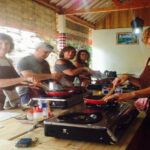
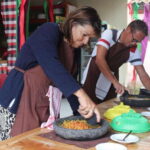
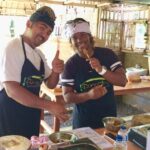
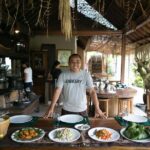
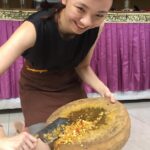
After the farm walk, you move into the cooking phase in a traditional Balinese-style outdoor community kitchen. The class runs about 2 hours, and you’ll typically learn to make 2 to 3 dishes. That’s a smart pacing choice. You get enough variety to taste different flavors, but not so many recipes that nothing sticks.
The instruction is led by Kadek, with a small-group setup that keeps things personal. Even though the experience is described as small-group/shared, the focus on personalized attention is key when you’re holding a knife, mixing spice paste, or trying to understand how the dish should smell as it cooks.
Practical note: this is not indoor AC cooking. It’s outdoors. The upside is you’re cooking in the same style you’ll be eating, and the air feels part of the process. The downside is stamina—so bring bug spray, sunscreen, and a hand towel or tissues as the experience suggests.
What you might cook: Balinese favorites with familiar steps
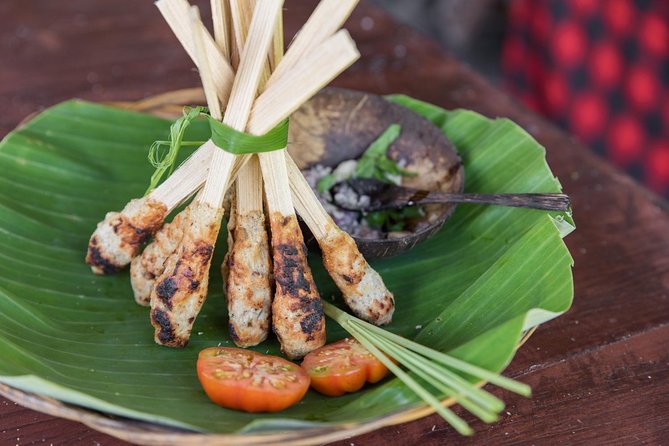
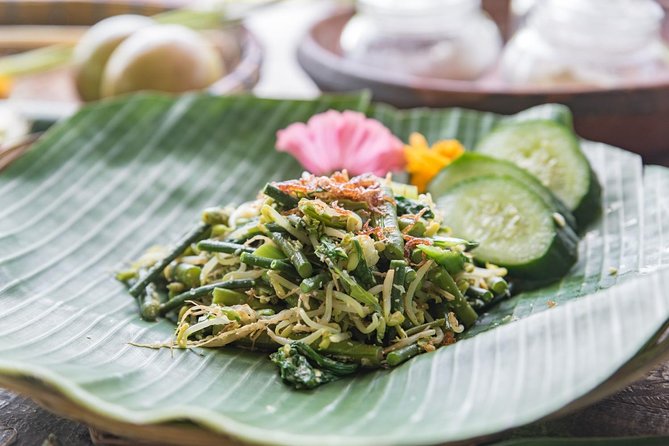
You may not make every dish listed, but these are examples of what’s on the menu during the cooking class. Expect a mix of rice, savory mains, vegetables, and a sweet finale.
Common dishes you might make include:
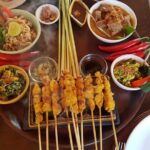
- Nasi sela: rice with sweet potato. It’s comforting and helps set the tone for the rest of the meal.
- Garang asem: chicken cooked with Balinese spices. Expect a sour-spiced profile that tastes distinctly local, not generic.
- Tuna satay: fish kebabs with Balinese-style seasoning. This is a good one if you want something grilled-feeling even in a community kitchen setup.
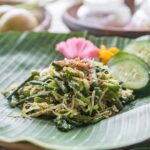
- Sayur urab: green vegetables with coconut and spices. It’s the kind of dish that teaches you how coconut helps balance savory flavors.
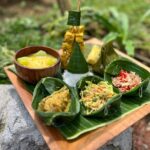
Dessert and drinks are part of the finish. You end with kolak, a banana dessert, plus Balinese coffee or lemongrass tea.
This meal structure is also good value. You’re not paying for a single dish. You’re paying for a full food arc: savory to sweet, plus time to understand how each dish fits into a Balinese table.
Eating the meal: the mother nature ritual and why it changes the timing
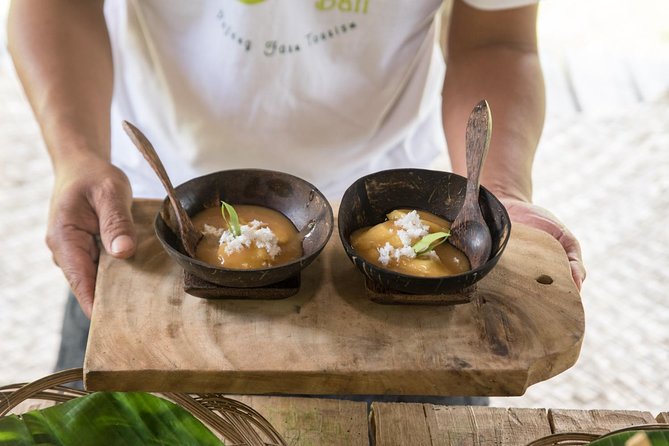
One detail I appreciated in the description is that Kadek does not necessarily sit and eat with you right when the cooking ends. He offers the meal to mother nature first, and the preference is that you don’t wait for him to finish the ritual before starting your meal.
That can feel surprising if you expect everyone to sit down at once like a Western dining experience. But it’s actually part of the culture of the day. It also explains the flow: you finish cooking, eat together, and then Kadek’s ritual role happens as its own step.
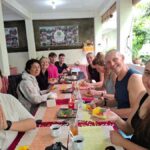
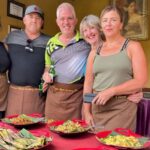
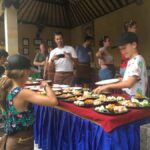
When you sit down, you’re eating the dishes you made (including that dessert). So your payoff is immediate. If you’ve ever taken a cooking class where you cook and then someone else plates and the meal feels unrelated, this setup avoids that.
Price and value: is $49 really worth a full farm-and-food day?
At $49 per person, this isn’t trying to compete with luxury dining. It’s priced more like a hands-on cultural workshop with real costs behind it: farm ingredient gathering, an instructor, a community kitchen setup, and included transfers from Ubud hotels.
Here’s what makes the price feel fair for your time:
- You get pickup and drop-off if you’re staying in Ubud pickup areas, which reduces your hassle cost.
- You cook multiple dishes, not just one.
- The experience includes a home recipe book, so the learning extends past the day itself.
- The meal includes Balinese coffee or lemongrass tea, plus local alcohol (1–2 glasses).
The only time the value shifts is if you’re outside the Ubud pickup zones. If you’re not in those specific areas, you’ll likely have a longer connection to the meeting point. Still doable, just plan your day accordingly.
Also, the group size matters. With a maximum of 10 travelers, you should have a better chance of getting feedback than in big factory-style classes.
Logistics that can trip you up: heat, footwear, and allergies
Because this happens outdoors, you should treat it like a light hike plus cooking. The instructions are direct about what to bring: bug spray, sunscreen, and a hand towel or tissues. I’d add one more practical move: wear clothes you won’t mind getting a little dusty.
Shoes are especially important. If you get stuck in sandals or slippery shoes, the muddy farm path becomes annoying fast. Closed shoes help you move confidently during the ingredient walk and while you’re standing in the cooking area.
Food safety is also on your plate. If you have allergies or dietary restrictions, you need to advise at booking. A vegetarian option is available, but it needs to be requested in advance. This isn’t just a suggestion box moment; it affects what the class can prepare for you.
Finally, it’s worth timing your expectations. The farm tour starts first, and you’ll then shift to cooking. You won’t have time to change your mind midstream. If you’re prone to motion sickness in heat, plan to stay hydrated before pickup.
Who should book this Ubud farm tour and cooking class
I think this class is ideal if you:
- want a hands-on Balinese cooking lesson, not a passive demo
- like the idea of understanding ingredients by walking through the farm first
- enjoy small-group activities with real instruction and a shared meal at the end
- want recipes you can bring home, thanks to the recipe book
It’s also a strong pick for couples. One honeymoon highlight in the feedback described it as the best moment of the trip, which fits the overall tone: you get shared experiences, shared food, and a story you’ll keep talking about when you’re back home.
If you’re the type who hates heat, or you dislike muddy conditions, this may feel like more work than you want. You can still enjoy it—just pack like it’s an outdoor day, because it is.
Should you book Kadek’s Small-Group Farm Tour & Balinese Cooking Class?
I’d book it if your goal is to learn Balinese cooking in a way that feels grounded. The farm walk gives you ingredient context. The outdoor kitchen gives you practical steps. And the meal gives you an immediate payoff—plus dessert and coffee or tea, not just a small tasting.
Skip it only if you know you won’t handle outdoor heat and muddy walking well. In that case, you’d probably be happier with a more indoor-focused class.
If you do book, do yourself a favor: request the vegetarian option if needed, flag allergies early, and come ready with sunscreen, bug spray, and sturdy shoes. This is one of those Ubud activities where the preparation directly affects how much you enjoy the food at the end.
FAQ
How long is the Small-Group Farm Tour & Balinese Cooking Class?
It runs for about 5 hours total.
Is hotel pickup included?
Hotel pickup and drop-off are included only if you’re staying in Ubud (pickup areas include Hanoman Street, Monkey Forest Street, and Jl. Raya Ubud). If you stay outside Ubud, pickup isn’t included.
Where does the tour start?
The meeting point is Maybank KCP Gianyar, Jl. Raya Ubud No.115, Petulu, Kecamatan Ubud, Kabupaten Gianyar, Bali 80571, Indonesia.
Is there a vegetarian option?
Yes, a vegetarian option is available. You should advise at booking if you need it.
What will we cook during the class?
The class teaches you to make 2 to 3 Balinese dishes. Examples include nasi sela, garang asem, tuna satay, and sayur urab.
What happens at the start of the day besides cooking?
You’ll do a small farm tour where you walk around, gather ingredients and spices, and learn about the workings of a local farm.
Are meals and drinks included?
Yes. You’ll eat the meal you cook, plus kolak for dessert and Balinese coffee or lemongrass tea. Local alcohol (1–2 glasses) is also included.
How big is the group?
This activity has a maximum of 10 travelers.
What should I bring for comfort during the outdoor parts?
Bring bug spray and sunscreen, and consider a hand towel or tissues. Wear clothes and shoes appropriate for walking and cooking in a working farm.
What is the cancellation policy?
You can cancel for free up to 24 hours before the experience starts for a full refund. If it’s canceled due to poor weather, you’ll be offered a different date or a full refund.