REVIEW · UBUD
Balinese cooking class/Go shopping at the market, cook, eat
Book on GetYourGuide →Operated by Karisma Bali Tour · Bookable on GetYourGuide
Cooking in Bali is easier than it looks. You shop, cook, and eat Balinese home-style dishes in one smooth day.
I especially like the market-first start (for the morning option) and the way the class is built around hands-on cooking, not watching from the sidelines. I’ve also found the structure comforting: ingredients, tools, and recipes are provided so you don’t need to be a serious cook to get good results.
One thing to consider is the 6-hour block—with hotel pickup and traffic, it’s not a quick stop. Plan your day so you’re not rushing afterward, especially if you’re pairing it with other activities in the same area.
In This Review
- Key highlights to look for
- A market-first way to learn real Balinese home cooking
- Morning lunch vs afternoon dinner: pick the timing that fits your trip
- Hands-on cooking: tools provided, empty-handed is fine
- The meal is part of the class: eat what you make
- Getting there without stress: transfers and timing that matter
- Price and value: what $35 really buys you in Bali
- Who should book this Balinese cooking class?
- The small details that make it smoother
- Should you book Karisma Bali’s cooking class?
- FAQ
- How long is the cooking class?
- When does the morning or afternoon class start?
- Is the market visit included?
- Can I choose vegetarian dishes?
- What dishes are included in the class menu?
- Are ingredients and cooking tools provided?
- Do I get recipes to take home?
- Is hotel pickup and drop-off included?
- How much does it cost?
- Where does pickup/drop-off happen?
Key highlights to look for
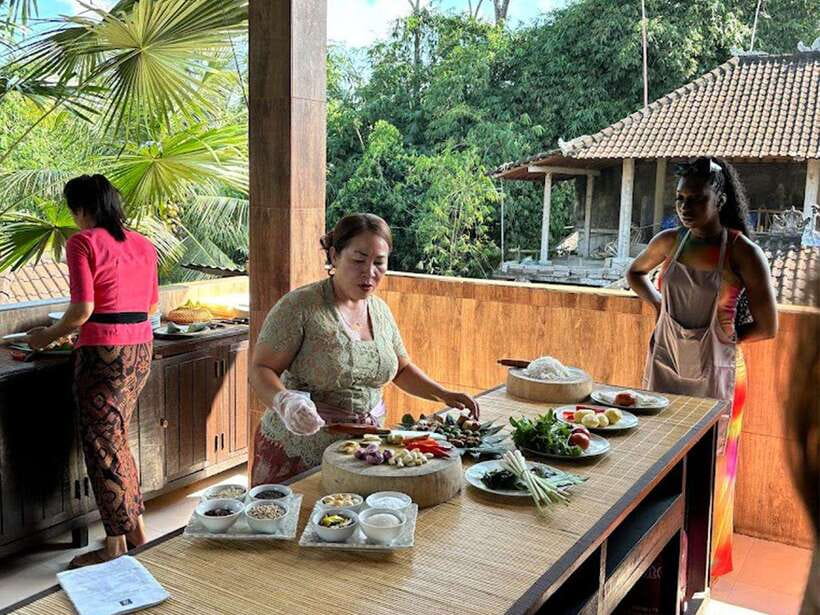
- Morning class includes a local market visit where you choose vegetables, herbs, fruit, meat, and spices
- You can choose normal or vegetarian, so the class works for different diets
- Hands-on cooking at your own pace, with materials and tools supplied
- A full meal from what you cook, so you taste the dishes right away
- Round-trip hotel transfers included, which keeps the day stress-free
- Recipes included, so you can recreate the food after you get home
A market-first way to learn real Balinese home cooking
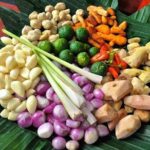
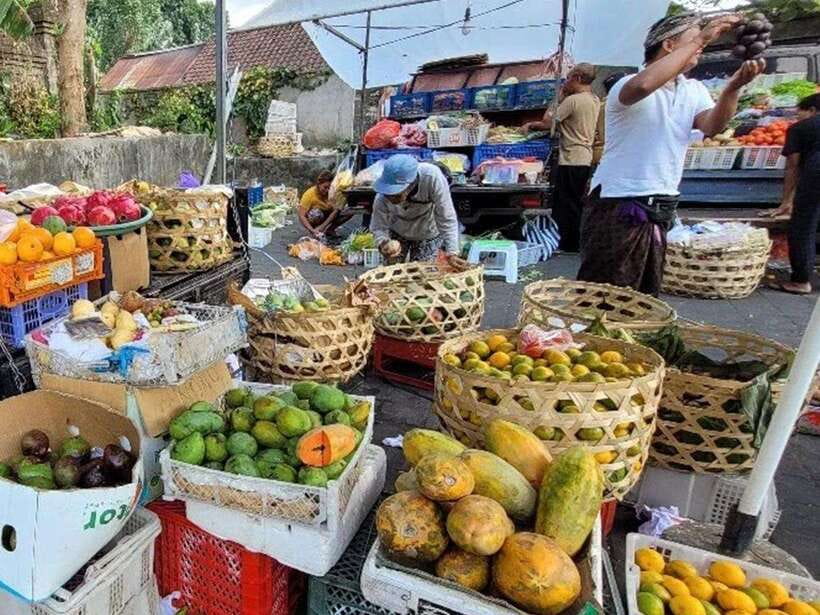
If you choose the morning class, your day starts at a local fresh food market. This is where you begin to understand Balinese cooking beyond the final dish. You’ll pick ingredients like vegetables and fruit, but you’ll also spend time with the stuff that gives the food its character: herbs, spices, and seasonings.
What I like about this setup is how it turns shopping into a cooking lesson. Instead of buying random items for a recipe you found online, you learn what each ingredient is used for and how it fits into a Balinese flavor profile. The market time also makes the later cooking feel more intentional, because you already handled the ingredients yourself.
Market visits are often the part that feels most “Bali” to people, and this one is designed to be practical. You’re not there just to browse; you’re selecting ingredients for the dishes you’ll cook.
You can also read our reviews of more tours and experiences in Ubud.

Morning lunch vs afternoon dinner: pick the timing that fits your trip
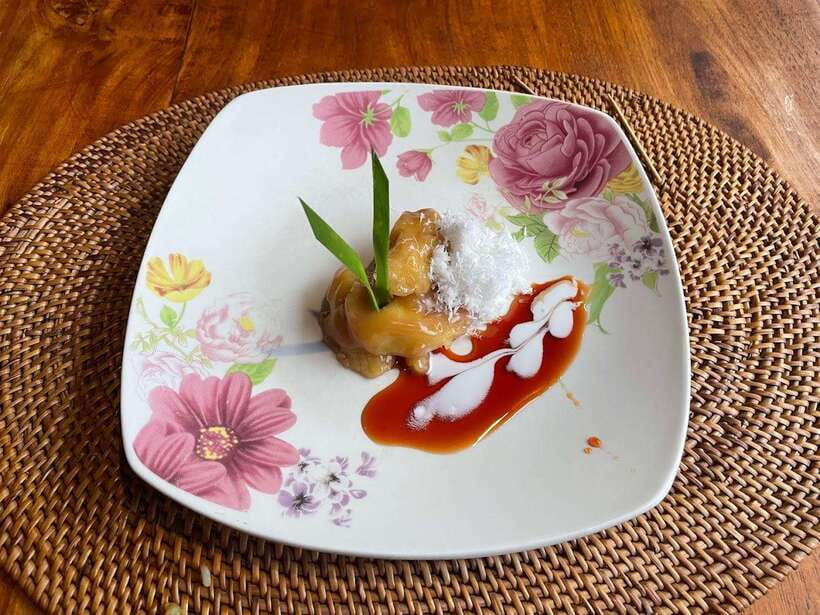
You essentially get two class formats: Morning Class/Lunch and Afternoon Class/Dinner. Both run for about 6 hours, but what changes is when you get picked up and whether the market visit happens.
- Morning option: pickup happens roughly 07:00–08:00, and you typically finish with lunch.
- Afternoon option: pickup happens roughly 13:00–14:30, and you finish with dinner.
Choosing morning can be a win if you want the market experience and like being done earlier. Afternoon can be easier if you prefer a slower start, or if your mornings are already booked with beach time or sightseeing.
Also note where pickup applies. The tour lists hotel pickup areas including Nusa Dua, Jimbaran, Kuta, Legian, Seminyak, Kerobokan, Canggu, Sanur, and Ubud. If you’re staying outside those areas, you’ll need to check, since the tour asks you to contact them for different locations.
Hands-on cooking: tools provided, empty-handed is fine
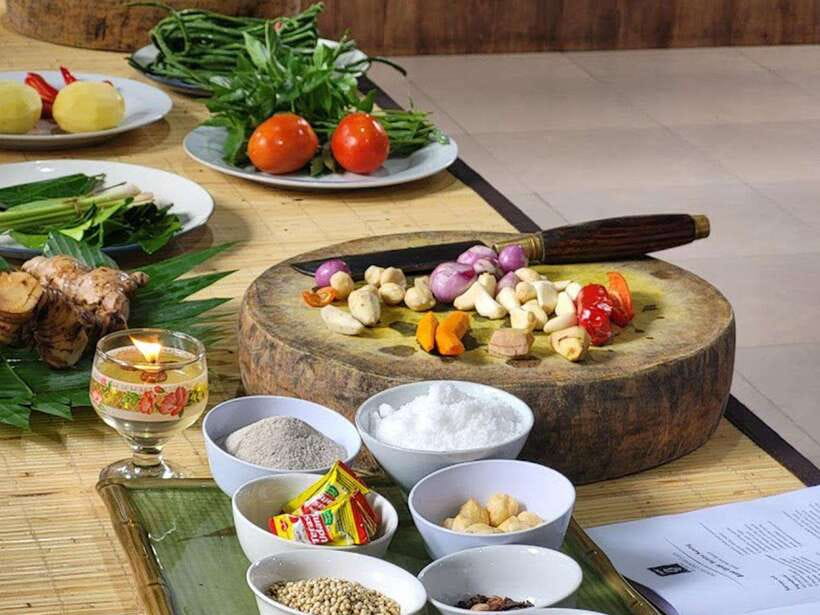
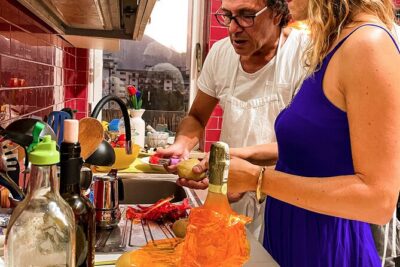
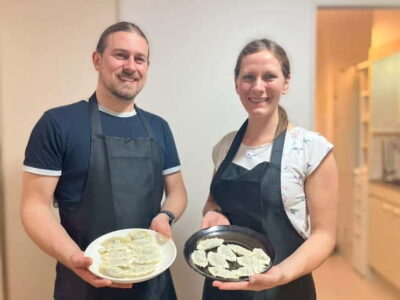
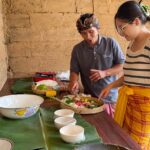
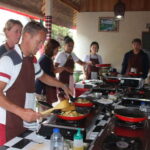
This class is set up for beginners. You don’t need to show up with ingredients or equipment. All materials and tools are provided, and you’re able to join even if you’re basically starting from zero.
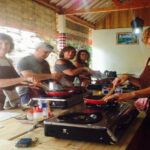
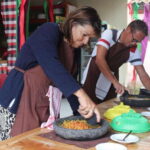
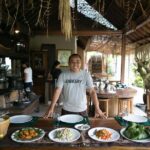
In other words, you’ll spend the class actually cooking. That means mixing, seasoning, assembling, and learning the steps that lead to the flavors on your plate. From feedback, people also like that the instructor is thorough and personable, which matters a lot in a hands-on setting where you want clear guidance without feeling rushed.
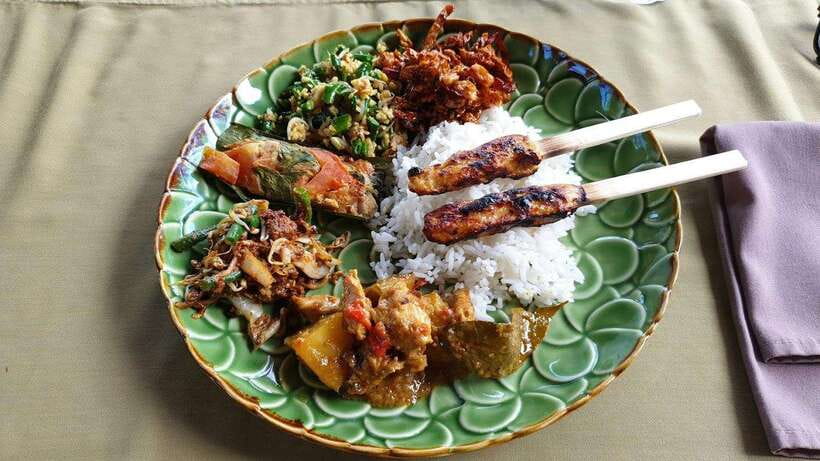
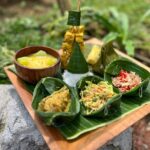
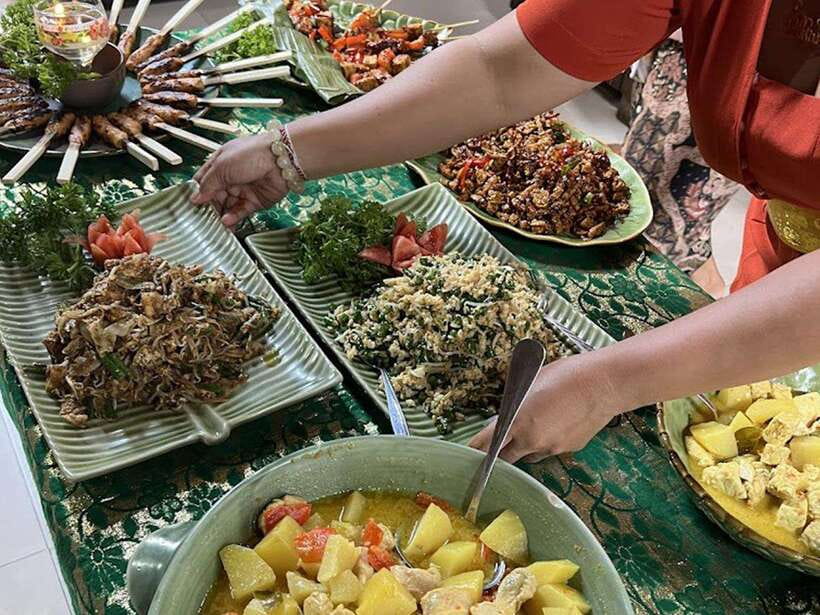
The cooking itself is centered on Balinese home-style dishes. Even if you’ve never cooked Indonesian food before, the menu gives you a mix of soups, curries, grilled items, vegetable dishes, and sweet desserts. You’ll get a broad feel for how different textures and flavors work together.
Here are the dishes listed for the class menu (with vegetarian available as an option):
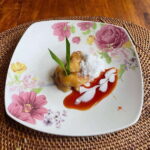
- Kolak Pisang (Banana Compote)
- Bumbu Kuning (Yellow Spices)
- Sup Jamur (Mushroom & Vegetable Soup)
- Kare Ayam (Chicken Coconut Curry)
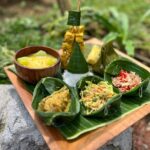
- Pepes Ikan (Steamed Fish Wrapped in Banana Leaves)
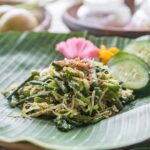
- Jukut Urab (Coconut and Snake Bean Salad)
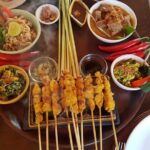
- Sate Lilit Ayam (Grilled Fish Meatball Skewers)
- Tempe Kering (Sweet and Salty Tempeh Stir-Fried)
- Gado Gado (Warm Vegetables with Sweet and Spicy Peanut Sauce)
A small but important practical point: some people expect a cooking class to teach one dish. This one works more like a real meal plan, where you learn multiple components. That makes it a stronger souvenir than a single recipe because you end up with several flavors and techniques you can reuse later.
The meal is part of the class: eat what you make
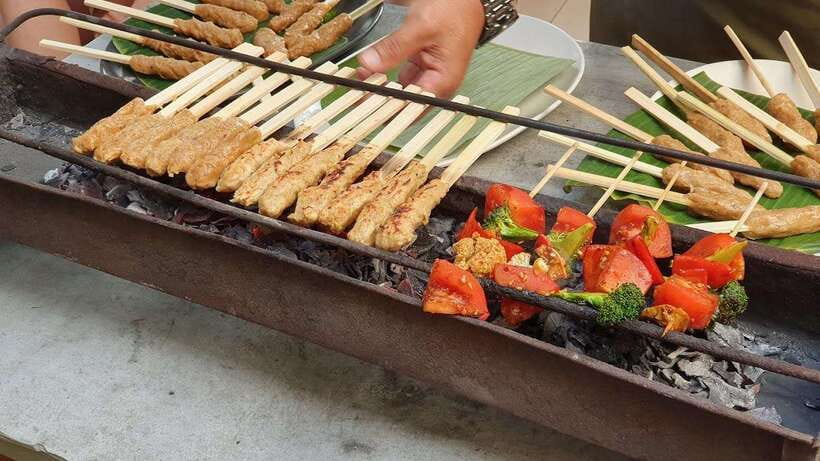
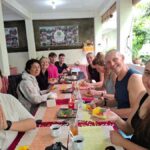
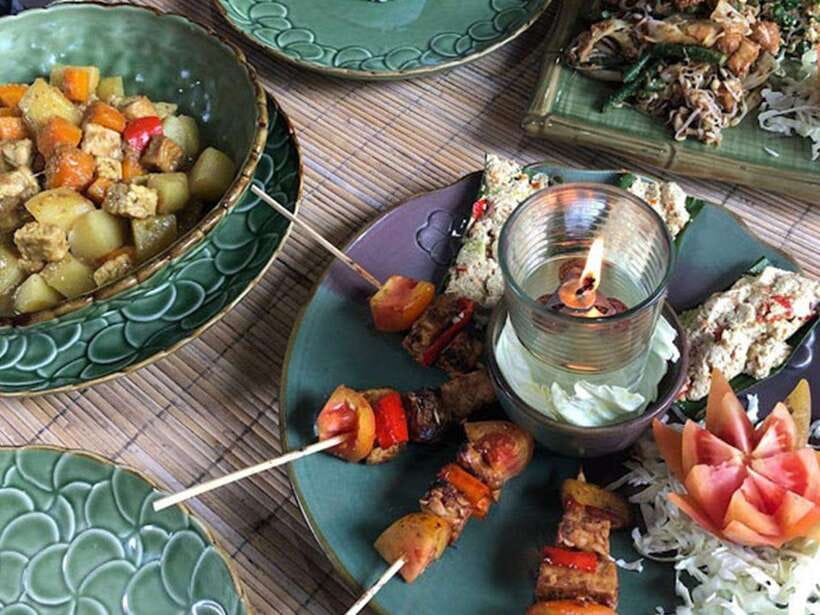
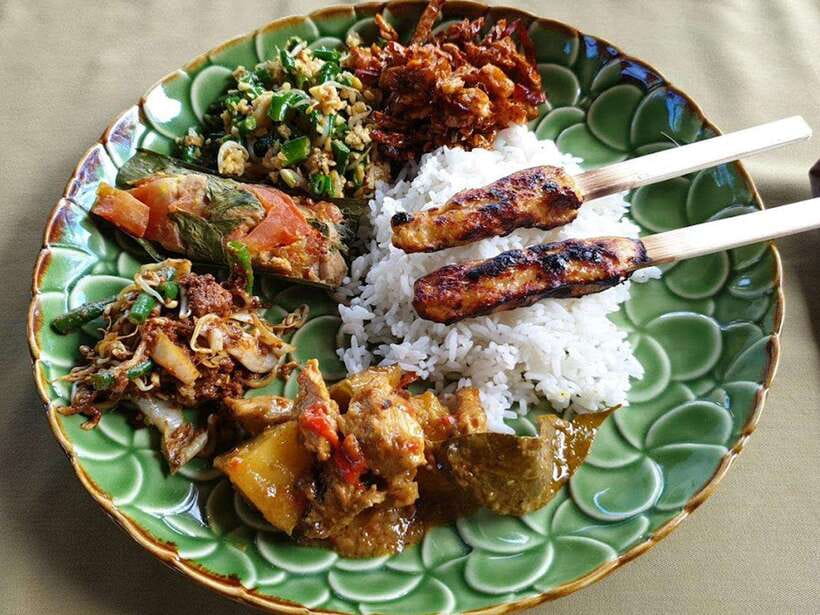
In most cooking classes, the goal is the lesson. Here, the payoff is bigger: you enjoy the food you prepared together. That’s a big deal because it helps you understand what the dish is supposed to taste like while it’s still fresh and hot.
The dishes are taught and then served as part of the experience, so you get instant feedback. If a sauce tastes too strong or a seasoning feels off, you experience how it’s meant to balance—then you can adjust when recreating it later.
One detail that came up in feedback is that the cooking space feels comfortable, including a mention of a cool patio setting. That matters in Bali, where you might want shade and airflow while you cook and move around.
Also, because you’ll eat what you cook, you’re more likely to remember the steps. Food memory is real. If you’re the type who forgets recipes after a day, this format helps you build recall by tasting the results immediately.
Getting there without stress: transfers and timing that matter
A big part of the value here is how you’re transported. The tour includes round-trip hotel transfers, which removes the hardest part of doing a cooking class away from where you’re staying.
Pickup is listed in multiple Bali areas, and you’ll wait in your hotel lobby. Since the class duration is 6 hours, you’ll want to treat the day like a scheduled activity, not something you can flex casually.
Traffic in popular areas can shift your actual start time a bit, even when pickup windows are clear. So keep your schedule calm. If you’re booking this on the same day as another tour, give yourself a buffer afterward.
The tour offers private group availability too. If you’re traveling with family, friends, or want a quieter pace, a private setup can feel more comfortable—especially when you’re cooking and want extra attention from the instructor.

Price and value: what $35 really buys you in Bali
At $35 per person, this class stacks value in a few ways. You’re not just paying for a recipe. You’re paying for instruction, included ingredients/tools, the learning time, and the meal you eat after cooking. You’re also paying for round-trip hotel transfers, which can be one of the biggest hidden costs in Bali day trips.
When you compare it to the cost of booking a guided activity plus paying for transport plus buying a meal, the math starts to make sense. You’re essentially getting a guided food experience with built-in tasting and take-home recipes.
And the strongest value is the outcome: you leave with the ability to recreate multiple dishes. Recipes being included is key. A cooking class that only feeds you once is fine, but one that gives you the method to repeat at home tends to stick better in your memory.
Also, the feedback highlights the cooking results: dishes come out well, and people describe the food as phenomenal. That’s not just luck. It usually means the class actually teaches the process instead of letting you guess.
Who should book this Balinese cooking class?
This is a good fit for:
- Families and groups who want a shared activity, then an easy sit-down meal
- First-time cooks who want structure and tools provided
- Food lovers who want to understand Balinese flavor basics, not just collect photos
- Vegetarian travelers, since you can choose a vegetarian option
It’s also a solid choice if you’re staying in or near Kuta, Legian, Seminyak, Canggu, Sanur, Jimbaran, Ubud, or Nusa Dua, because hotel pickup is part of the deal.
If you already have a big cooking background and want advanced knife skills or specialized technique training, you might find the class more “practical and flavorful” than “technical.” But for most travelers, that’s exactly what makes it satisfying.
The small details that make it smoother
A few practical points can help your day run well:
- Show up with a simple, flexible mindset. You’re cooking, tasting, and learning in one flow.
- Come hungry. You’ll end up eating what you make, and the meal is part of the experience.
- Decide on morning vs afternoon based on how much you value the market visit. Morning gets you the ingredient shopping experience; afternoon keeps it more focused on cooking and dinner.
Language support is also a plus. The instructor is listed as English, Indonesian, or Japanese, so you can choose a group or class experience that fits your comfort level. The driver is described as English/Indonesian speaking, which helps with communication during pickup and transport.
Should you book Karisma Bali’s cooking class?
Yes, if you want a real Bali food experience that’s structured, social, and repeatable at home. The strongest reasons to book are the market ingredient start (morning option), the hands-on cooking, and the fact that you eat what you cook—plus you get recipes to take away.
I’d hesitate only if you’re looking for a super short activity, or if you dislike multi-step days. It’s not a 90-minute snack tour. It’s a full cooking-and-meal program, and it works best when you can give it the time it deserves.
FAQ
How long is the cooking class?
The experience runs for about 6 hours.
When does the morning or afternoon class start?
For the morning option, hotel pickup is listed as 07:00–08:00. For the afternoon option, pickup is listed as 13:00–14:30.
Is the market visit included?
The local fresh food market visit is included for the morning class only.
Can I choose vegetarian dishes?
Yes. You can choose between normal and vegetarian.
What dishes are included in the class menu?
The menu includes items such as Kolak Pisang (banana compote), Bumbu Kuning (yellow spices), Sup Jamur (mushroom & vegetable soup), Kare Ayam (chicken coconut curry), Pepes Ikan (steamed fish in banana leaves), Jukut Urab (coconut and snake bean salad), Sate Lilit Ayam (grilled fish meatball skewers), Tempe Kering (sweet and salty tempeh), and Gado Gado (warm vegetables with sweet and spicy peanut sauce).
Are ingredients and cooking tools provided?
Yes. All materials and tools are provided, and you can participate empty-handed.
Do I get recipes to take home?
Yes. Recipes are included, and you can use them to recreate the dishes after your trip.
Is hotel pickup and drop-off included?
Yes. Round-trip hotel transfers are included, and you wait in your hotel lobby.
How much does it cost?
The price is listed as $35 per person.
Where does pickup/drop-off happen?
Pickup locations include Nusa Dua, Jimbaran, Kuta, Legian, Seminyak, Kerobokan, Canggu, Sanur, and Ubud. The tour notes you should contact them for different areas.