REVIEW · UBUD
Gianyar Market Visit & Cooking Class in Ubud with Kadek & Putu
Book on Viator →Operated by Traveling Spoon · Bookable on Viator
Fresh herbs, then hot pans. In this 4-hour Ubud class, Kadek picks you up and you shop the Gianyar market for the ingredients behind real Balinese cooking. Then you cook in a family compound and eat what you make.
Two things I love: the hands-on, from-scratch cooking with clear ingredient breakdowns, and the chance to learn from Putu at the market-to-meal stage, not after-the-fact tips. You end up chopping and cooking your way through a set of traditional dishes, then sitting down for the meal while it’s still fresh and familiar.
One consideration: pickup and drop-off are only included for hotels within Ubud, and there’s an extra charge if your place is outside the area. If your hotel address is borderline, it’s worth double-checking in advance so the timing stays painless.
In This Review
- Key Things to Know Before You Go
- Gianyar Market-to-Meal: Why This Ubud Class Feels Authentic
- Meeting Kadek, Then Heading Out from Your Ubud Hotel
- The Gianyar Market Stop: Fruits, Veg, and Herbs That Actually Matter
- Optional Garden Moment and Fresh Juice from Seasonal Fruit
- Cooking in a Family Compound: How the Class Works
- What You’ll Actually Be Doing (Not Just Watching)
- The Meal You Eat Right After: More Than a Sample Plate
- Price and Value: Is $80 Worth It for 4 Hours?
- Practical Tips So You Don’t Lose Time (or Appetite)
- Who This Is Best For (And Who Might Want a Different Style)
- Booking Timing: When to Reserve in Advance
- Should You Book Kadek & Putu’s Gianyar Market Cooking Class?
- FAQ
- How long is the cooking class?
- Is pickup and drop-off included?
- What will we do during the Gianyar market visit?
- What kinds of dishes will we cook and eat?
- Is there a vegetarian option?
- Are drinks included?
- What is the cancellation policy?
Key Things to Know Before You Go
- Gianyar Market is the classroom: you shop for fruit, vegetables, and herbs that show up in Balinese recipes.
- Kadek and Putu lead as a family: expect a warm, practical teaching style, not a scripted demo.
- From scratch means real work: you’ll help chop, cook, and assemble dishes, then eat them right away.
- Seasonal menu changes: the exact dishes and ingredients can shift depending on what’s available.
- Vegetarian option is possible: tell the team your needs ahead of time so the menu fits.
- Alcoholic beverages are included: so plan for a relaxed meal after cooking.
Gianyar Market-to-Meal: Why This Ubud Class Feels Authentic
If you’ve taken a cooking class before, you know the pattern: watch someone else do the hard parts, then you get a plate to taste. This one works differently. You start by learning what goes into Balinese flavors at the Gianyar market, and that ingredient knowledge follows you right into the kitchen.
I like that the experience treats the market as the start of the recipe, not a side trip. Putu and Kadek focus on what local people actually use—fruit, vegetables, and herbs that are common in Balinese cooking—so your meal back home doesn’t turn into a guessing game.
The second reason this feels especially worth it is the family setting. You cook with Kadek and Putu in a home environment, then you eat a proper homemade meal together. It’s less like an attraction and more like you’re getting invited into the rhythm of a real household meal.
You can also read our reviews of more tours and experiences in Ubud.

Meeting Kadek, Then Heading Out from Your Ubud Hotel
Your day usually begins with pickup from your Ubud hotel, since round-trip transport is included only within Ubud. The timing is built around a smooth loop: market first, then cooking and eating without long gaps.
Once you’re with Kadek, you’re not just being driven to a place. He sets the context and helps connect ingredients to what you’ll cook later. You’ll also have the option to see how some fruits and vegetables are grown at home.
One small, practical note: if you’re the type who hates being rushed, confirm your pickup details when you book. The experience is only about four hours total, so you want the schedule to move cleanly from your doorstep to the market and back.
The Gianyar Market Stop: Fruits, Veg, and Herbs That Actually Matter
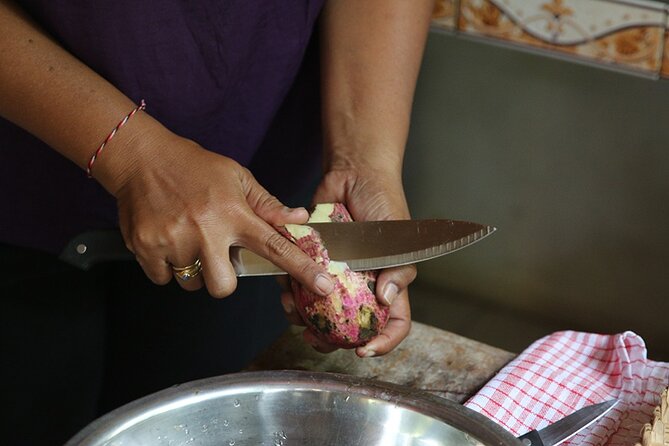
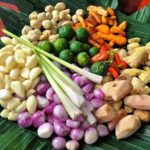
This is the heart of the lesson. At the Gianyar market, Kadek shows you local fruits, vegetables, and herbs used in Balinese cooking. Instead of learning a long list of theory, you learn what you can see, smell, and recognize later.
You’ll get a feel for how ingredients move from stall to kitchen. The point isn’t to memorize everything. The point is to understand how the market guides the flavors: which ingredients are common, which are seasonal, and how those choices shape the final dishes.
In past sessions, Putu also has helped people sample and test what’s available, so you get a clearer idea of taste before cooking. That matters, because when you later stir-fry, steam, or build a sauce, you’re not starting from zero—you’re starting from a flavor memory.
And yes, the market is busy. It’s close, active, and full of small stalls. If you get overwhelmed in crowds, try to treat it like an ingredient walk, not a sightseeing photo tour.
Optional Garden Moment and Fresh Juice from Seasonal Fruit
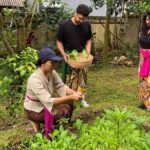
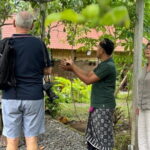
Before the cooking starts, you can add an extra stop right near the family compound. If you’re interested, Kadek can show you how local fruits and vegetables are grown at his home a few doors down from his sister’s house.
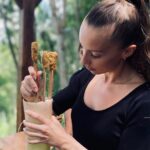
As you walk through the garden, Kadek may offer fresh juice made from just-picked seasonal fruits such as mulberry, passion fruit, papaya, mango, or jackfruit. Even if you don’t consider yourself a foodie, this is a nice way to understand where ingredients come from in Bali—because the flavors taste more connected when you’ve seen them growing.
This garden-and-juice moment is optional, so don’t worry if you’re short on time or energy. The main event—market learning, cooking, and eating—still happens in a solid sequence.
Cooking in a Family Compound: How the Class Works
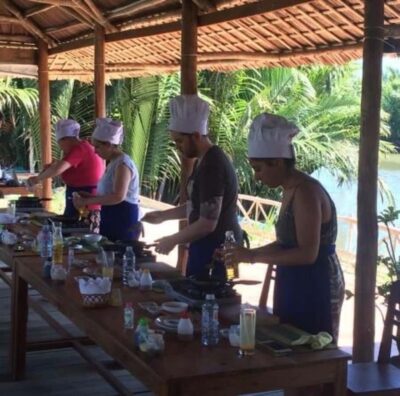
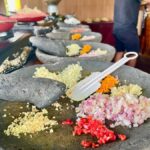
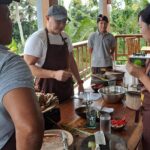
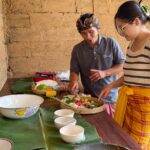
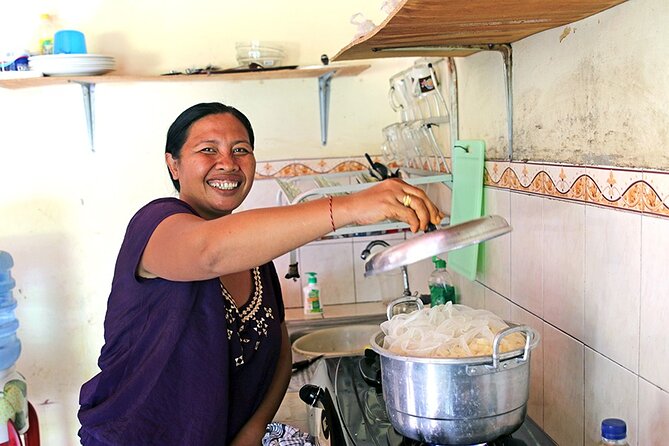
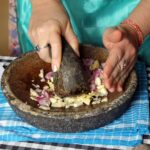
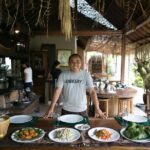
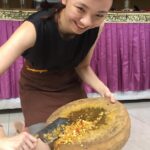
After shopping, you head to the home kitchen and start cooking Balinese dishes from scratch. Putu and Kadek guide you through each stage, and the teaching is practical: you don’t just watch. You chop and cook, all the way through, then sit down to eat your work.
One of the best parts is that you begin with a breakdown of ingredients. In other words, you don’t just get the end result. You learn how the ingredients connect to the flavor of each dish. That’s what makes it easier to reproduce at home later, even if you swap in substitutes.
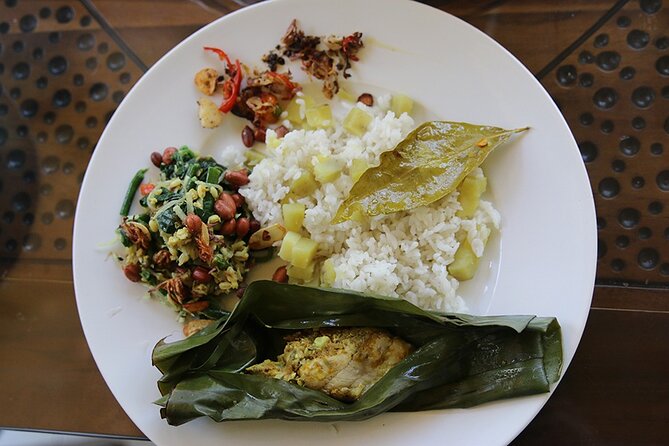
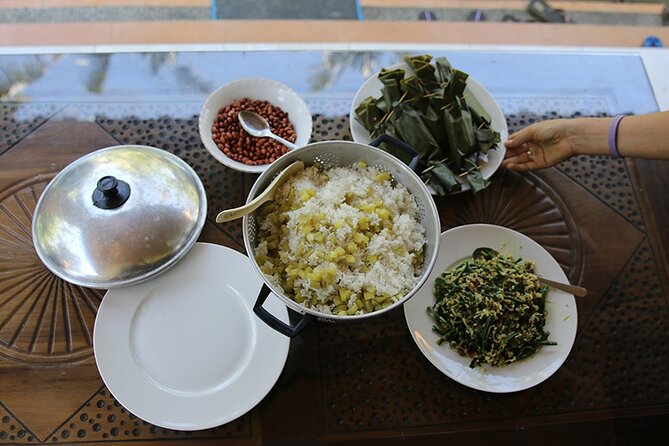
The menu can vary depending on the season, but you can expect a mix of Balinese favorites. Typical dishes described for this class include:
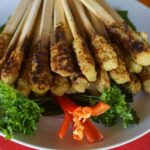
- piquant chicken satay
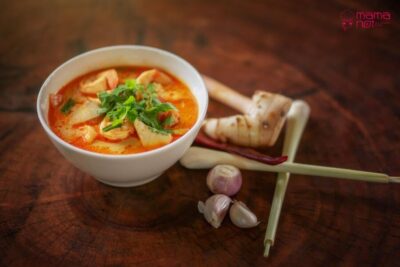
- fresh vegetable soup
- stir-fried vegetables
- steamed fish
- rice
- dessert such as black sticky rice pudding with coconut cream, or fried banana with grated fresh coconut and palm sugar
The kitchen style here is also about pacing. Four hours sounds short, but the flow is efficient: market learning, then cooking, then eating while everything is still at its best.


What You’ll Actually Be Doing (Not Just Watching)
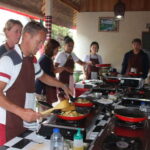
This class is hands-on from start to finish. You should expect to:
- help prep ingredients
- cook the dishes you’re making
- learn how the dish comes together through ingredient steps
If you like structured learning, this is a good fit because the hosts explain components while you work. If you prefer free-form cooking with no guidance, you might find the ingredient-by-ingredient approach a bit more “teacher-led” than you’d like—but it’s still friendly and practical.
The Meal You Eat Right After: More Than a Sample Plate
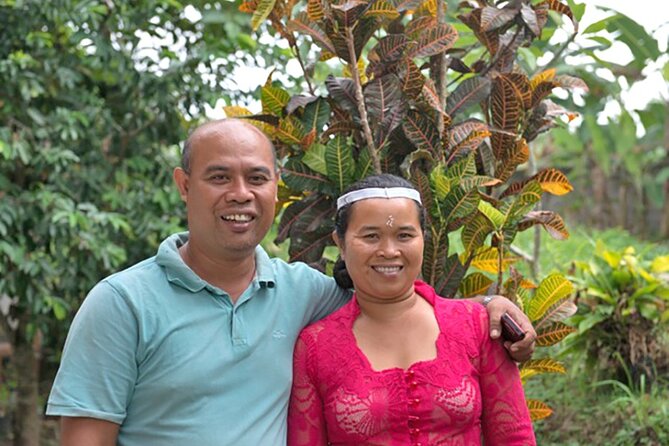
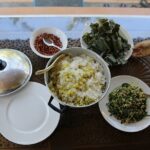
Cooking classes often end with a tiny tasting. This one ends with a real home-cooked meal. After you finish, you sit down and enjoy what you made, which is a huge value boost because you get full flavor, not just bites.
Food examples include both savory dishes (like satay and steamed fish) and sides (like rice and stir-fried vegetables). Dessert is part of the experience too, with options such as:
- black sticky rice pudding with fresh coconut cream
- fried banana with grated fresh coconut and palm sugar
Alcoholic beverages are included as well, so the meal feels like a shared celebration rather than a check-the-box activity. If you’re driving later or have a packed schedule, keep that in mind and pace yourself.
If you have dietary needs, tell the hosts when you book. A vegetarian option is available, and you should also share allergies or restrictions so the menu can adapt.
Price and Value: Is $80 Worth It for 4 Hours?
For $80 per person, you’re paying for more than a cooking demonstration. The value comes from what’s bundled into the price:
- private market tour and cooking class with your hosts Kadek and Putu
- homecooked Balinese meal
- alcoholic beverages included
- pickup and drop-off to Ubud hotels only
That matters because you’re not just learning recipes. You’re also learning ingredient sourcing at the market level, plus you get a full meal at the end. Many Bali food experiences either do the market or do the cooking. Here, you get both linked together.
The experience is private, meaning only your group participates, which usually improves the quality of the teaching. Also, group discounts can apply, which can make this a strong choice if you’re traveling with friends or family.
One more value point: the menu may vary by season. That’s not a downside. It means you’re seeing what locals cook when ingredients are fresh and available, which often leads to better taste and more realistic learning.
Practical Tips So You Don’t Lose Time (or Appetite)
To get the most out of the four hours, I’d plan your day so you’re not rushing in from another far-away activity. You’ll move from pickup to market to kitchen and then to eating, and the sequence is meant to feel smooth.
Here are a few tips that help in the real world:
- Wear breathable clothes you don’t mind getting a little market dust on.
- Bring a light layer if you’re sensitive to air-conditioned ride comfort.
- If you have allergies or dietary restrictions, message your host at booking so the menu can be adjusted.
- If you’re interested in the garden stop, say so early, since it happens before the main cooking.
Also, remember you’re dealing with real kitchens and real prep work. You’ll be chopping and cooking, so treat it like a workshop, not a show.
Who This Is Best For (And Who Might Want a Different Style)
This class is a great match if you:
- want to learn traditional Balinese dishes and not just taste them
- like hands-on cooking with guided steps
- enjoy markets and want ingredient knowledge you can use later
- want a private, family-led experience in Ubud
You might want a different option if you only want a quick tasting without cooking work. This isn’t designed as a casual sample class. It’s built around the idea that you cook from scratch and then eat your own results.
If you’re traveling solo, it can still work well because you’re paired with your hosts and your group is kept private. For couples, this is also a sweet activity because it doubles as a shared meal experience, and the learning makes it feel more meaningful than another dinner.
Booking Timing: When to Reserve in Advance
On average, this tends to get booked about 6 days in advance. If your trip dates are fixed or you’re traveling during busy weeks, book sooner rather than later. With private market and private kitchen time, schedules fill up.
When you reserve, include your hotel name and address clearly so the pickup stays inside the Ubud zone that’s included. If your hotel is outside Ubud, expect an added charge for pickup/drop-off.
Should You Book Kadek & Putu’s Gianyar Market Cooking Class?
I’d book this if your goal is to leave Bali with cooking knowledge you can actually use, not just photos and spice memories. The market learning plus the from-scratch cooking plus the meal you eat right away is a smart combo for the price.
You should also book if you want a calmer, more personal feel. Private group format, family hosts, and a home-cooked meal make it easier to connect with the food culture without the pressure of big group tours.
Skip it or reconsider if:
- your hotel is outside Ubud and you’d rather avoid extra transport costs
- you’re not into hands-on cooking
- you need a very specific menu and haven’t planned to communicate dietary needs ahead of time
If that sounds like you, then this is one of the more practical ways to learn Balinese cooking while still enjoying a real meal instead of a tiny tasting.
FAQ
How long is the cooking class?
The experience runs about 4 hours.
Is pickup and drop-off included?
Pickup and drop-off are included for Ubud hotels only. If your hotel is outside Ubud, there is an additional charge.
What will we do during the Gianyar market visit?
You’ll explore the Gianyar market with your host to find local fruits, vegetables, and herbs used in Balinese cooking.
What kinds of dishes will we cook and eat?
You’ll cook traditional Balinese dishes from scratch, and then eat the homecooked meal. Examples mentioned include chicken satay, vegetable soup, stir-fried vegetables, steamed fish, rice, and desserts like black sticky rice pudding or fried banana. The menu may vary by season.
Is there a vegetarian option?
Yes. A vegetarian option is available. You should advise the host at booking if you have dietary restrictions or cooking preferences.
Are drinks included?
Yes, alcoholic beverages are included with the meal.
What is the cancellation policy?
You can cancel for a full refund up to 24 hours in advance. If you cancel less than 24 hours before the experience starts, the payment is not refunded.