REVIEW · VENICE
Ancient Venice and its spices: cooking class and market tour
Book on GetYourGuide →Operated by The Venetian silk route · Bookable on GetYourGuide
Venice smells like history, but this experience makes you taste it. You’ll start at a classic café, walk the Mercato di Rialto, then move to the host’s home where spices run the show with stories and hands-on cooking.
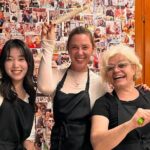
What I like most is the combo of a real market stroll plus a classroom that feels like a friend’s house—candles, old-time props, and recipes that lean into the Venetian spice trade. I also love that the focus stays practical: you learn what each spice does, then you eat what you helped make.
One thing to consider: it’s not a good fit for everyone’s health and mobility needs. The activity lists several restrictions (including wheelchair users and people with high blood pressure or epilepsy), so check that part carefully before you book.
In This Review
- Key highlights worth planning around
- Spices on the Venetian silk route: what this class is really about
- From Caffè Vergnano 1882 to Rialto: your “spice-route” kickoff
- What you’ll do at Rialto (and why it matters)
- A short walk, then the fun part: tastings and a Venice photo pause
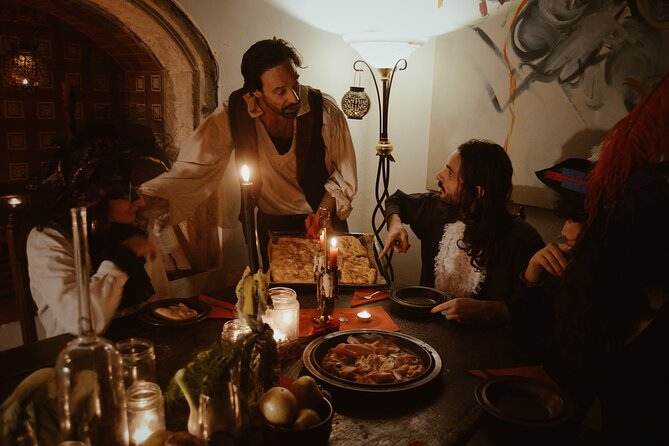
- Inside the host’s ancient-style home: candles, tricorne, and cooking for real
- What “spice learning” looks like here
- The menu: how Marco Polo and Casanova show up on your plate
- Spirits and desserts aren’t just extras
- Why the stories actually improve the food
- Practical tips to make the most of 3 hours
- Value check: what you’re really paying for
- Who should book this, and who should skip it
- Should you book Ancient Venice and its Spices?
- FAQ
- How long is the experience?
- Where do we meet?
- Is the tour in English?
- Is it a private group?
- What happens at Mercato di Rialto?
- Is there time for photos or a stop for sightseeing?
- What will we eat and drink?
- Can the host work around allergies?
- What’s the ending location?
- Who shouldn’t book this?
Key highlights worth planning around
- Rialto market visit with time to shop and spot ingredients (about 1 hour)
- A short on-foot segment that keeps the pace easy before the main meal portion
- A private, English-led experience led by Massimo for a more relaxed rhythm
- Tastings before and during the cooking lesson, including cocktails/spirits, dessert, and wine
- An “ancient house” setting with candles and old-world details that match the theme
- Spices tied to stories from Marco Polo through Casanova, not just random facts
Spices on the Venetian silk route: what this class is really about
This isn’t the usual Venice cooking class where you follow steps and hope for the best. The theme is spices as a map—Venice’s trading links brought flavors from far away, and your meal is built around those connections.
The host frames it like a journey across time: you’re not just tasting saffron, pepper, anise, cardamom, and more, you’re learning why Venetians wanted these flavors in the first place. That story-first approach helps the food make sense fast, even if you’re not a big food-history person.
You can also read our reviews of more tours and experiences in Venice.
From Caffè Vergnano 1882 to Rialto: your “spice-route” kickoff
You meet just outside Caffè Vergnano 1882, right in front of the door. It’s an easy anchor point in a maze of canals and alleys, and it gets you started with a local-café vibe instead of a waiting-room feel.
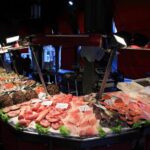
Next you head to Mercato di Rialto for about an hour. This is where the day gets grounded. You’ll see ingredients in context—what’s fresh, what looks like it belongs in Venetian cooking, and what spices matter most to the dishes you’ll make later.
What you’ll do at Rialto (and why it matters)
You’ll do a mix of visiting, sightseeing, and shopping. That’s valuable because it trains your eye. Instead of thinking of spices as “pinches in a recipe,” you start noticing how they connect to market choices and how cooks build flavor quickly.
If you’re the type who loves taking home ideas (not just souvenirs), this stop is especially satisfying. You leave the market knowing what to look for later in your own kitchen.
A short walk, then the fun part: tastings and a Venice photo pause
After the market, it’s about 10 minutes on foot. It’s just enough movement to reset your energy, without turning the day into a long slog through the city.
Then you’re back into Venice for a photo stop plus tastings. Expect a cocktail, spirits, dessert, and more eating and drinking as the lesson builds. I like this pacing. You’re not stuck waiting for the meal to start; you’re already tasting while the host explains what’s coming next.
Inside the host’s ancient-style home: candles, tricorne, and cooking for real
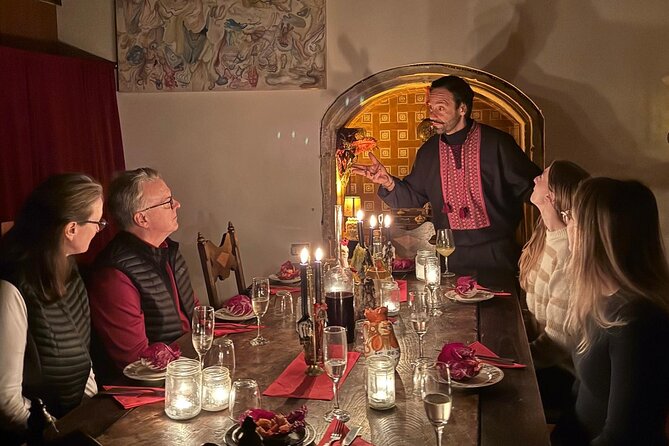
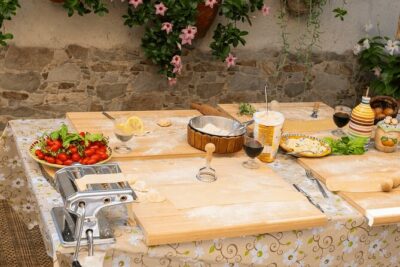
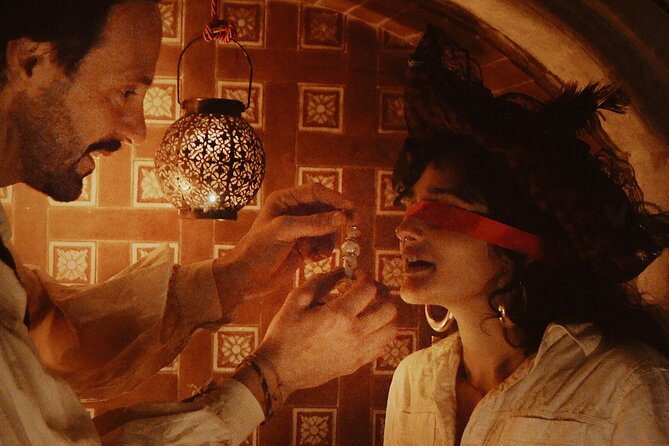
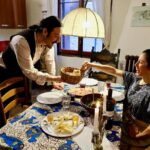
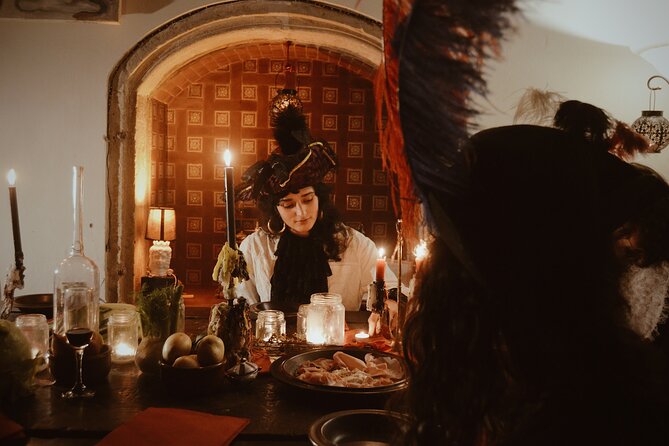
The highlight setting is the host’s home, described as an ancient house with candles and old-world touches like tricorne. That theme isn’t just decoration—it supports the lesson style. It feels like stepping into the atmosphere where these spices and recipes would have mattered.
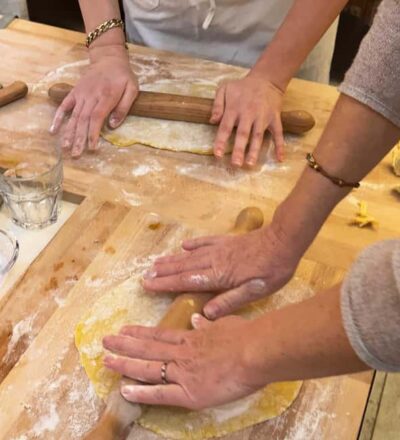
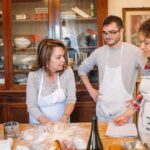
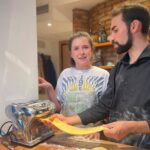
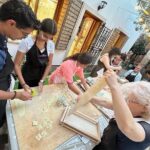
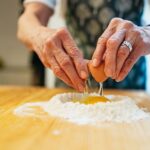
This is where Massimo leads the hands-on cooking. You’ll cook and eat as part of the same flow, and the stories connect directly to what’s in front of you. The result is that you don’t just memorize steps—you understand what to taste for as the food comes together.

What “spice learning” looks like here
The day is built around the idea that spices have a personality. You’ll taste dishes inspired by Marco Polo and Casanova, but with an extra twist: the host ties spice origins and merchant routes to flavor choices.
That makes a practical difference. When you later taste something that’s sweet-warm like cinnamon or aromatic like nutmeg, you’ll know which role it’s playing. You can’t unlearn that.
The menu: how Marco Polo and Casanova show up on your plate
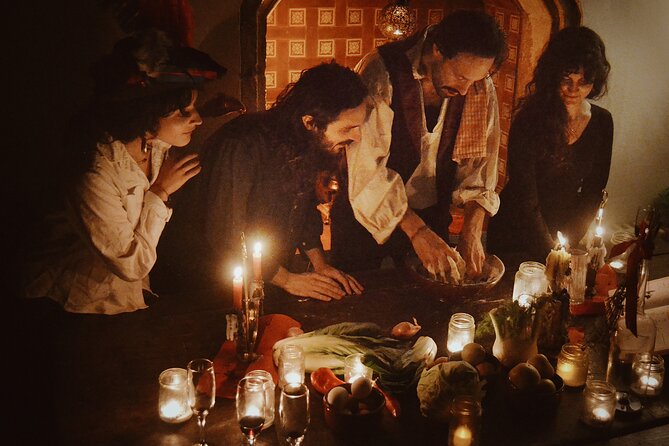
The meal portion includes lunch and dinner, plus wine tasting, food tastings, and a full cooking class experience—so you’re eating throughout, not just at the end. It’s the kind of schedule that suits people who get hangry quickly. (I speak from experience: Venice can be walking-heavy.)
One of the strongest signals from the experience is the quality of the food. Multiple past participants described it as the best meal they had in Venice, including a multicourse vegetarian menu.
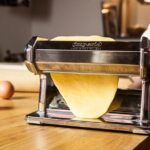
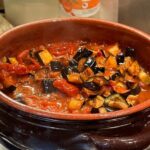
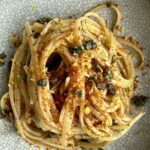
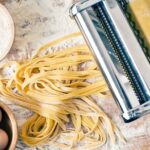
A standout detail: you may see handmade pasta made with ancient flour, paired with a sauce that can include wild mushrooms, plus nutmeg and cinnamon. That combination might sound like a curveball until you taste how spices lift the earthiness instead of covering it.
Spirits and desserts aren’t just extras
The tastings list includes spirits and dessert, and in this style of class, those aren’t random add-ons. They help show how spices behave across sweetness, warmth, and alcohol notes. If you’ve ever wondered why the same spice tastes different in a cookie versus a savory dish, this is the kind of day that makes that click.
Why the stories actually improve the food
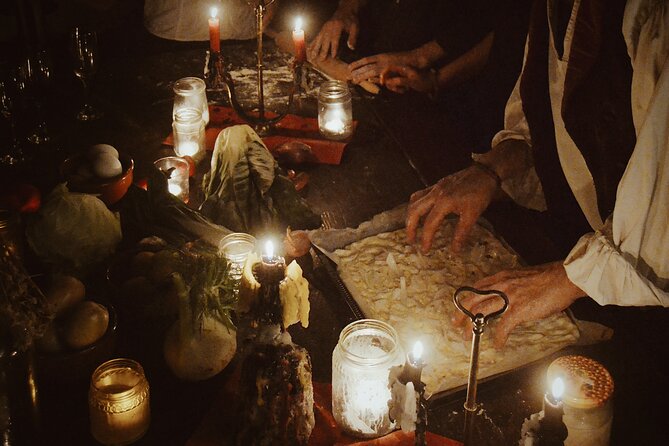
Venice is a city full of legends, but this experience uses stories as flavor tools. You’re given the “why” behind the ingredients: where spices came from and how merchants shaped what ended up in Venetian kitchens.
You’ll hear curious Venice stories tied to eating—Casanova’s name shows up as part of the fun, and Marco Polo’s world connects to the spice route idea. The effect is simple: you stop treating spices like seasoning salt and start treating them like a system.
I also like the personal touch: the host asks about what you prefer to taste and any allergies you have. That matters in a food class. Your meal should fit your body, not the other way around.
Practical tips to make the most of 3 hours
This is a 3-hour experience, and it moves with purpose: about 1 hour at Rialto, then a short walk, then roughly 2¼ hours in the main Venice portion where tastings and cooking happen together.
Here are the things I’d do if I were booking again:
- Arrive early enough to find the meeting point calmly. Meeting just in front of the café door is straightforward, but Venice lanes can mess with your timing.
- Come hungry, but not frantic. Since you’ll be tasting multiple items and drinking, you don’t need a huge pre-meal.
- Tell them your spice preferences or allergies up front. The host specifically invites this, and you’ll get a better match for your menu.
Also, this is an English-led experience with a private group. That’s a big deal for pacing. If you want to ask questions while you cook, you can.
Value check: what you’re really paying for
There’s no single price number provided here, so I’ll judge the value by what’s included. You’re paying for a tightly packaged day with:
- a guided market visit with shopping and sightseeing time,
- a hands-on cooking lesson,
- multiple tastings and drinks (cocktail, spirits, dessert, wine),
- and a menu theme that ties spices to Venetian trading stories.
That adds up to more than “a cooking class.” It’s a guided food day with a setting that feels theatrical—but still grounded in ingredient and technique. If you like food, you’ll leave with both flavor knowledge and a stronger sense of how Venice became what it is.
If you only want recipes with no story and no tastings, then a simpler cooking class might feel like less work. But if you want the whole experience—market to home—this one makes sense.
Who should book this, and who should skip it
This experience is best for you if:
- you love Venice food and want more than a standard walking tour,
- you enjoy spice flavors and want them explained through stories,
- you prefer learning in a small, private format in English,
- you’re excited by a vegetarian-friendly menu possibility.
It’s not suitable for:
- wheelchair users,
- people with epilepsy,
- people with diabetes,
- people with high blood pressure,
- children under 2 (and babies under 1),
- people over 70.
If any of those categories apply to you or someone in your party, it’s worth rethinking. Health-fit matters more than theme-fit.
Should you book Ancient Venice and its Spices?
I’d book it if you want Venice to feel personal and edible, not just scenic. This is one of those rare food experiences where the market and the home-cooking parts work together, and where the spice stories actually help you taste better.
If you’re okay with a 3-hour window that includes cooking plus tastings (not a light stroll), you’ll likely have a great time. If you need maximum mobility support or fall into the listed health restrictions, skip it and look for a different Venice food option that matches your needs.
FAQ
How long is the experience?
It lasts about 3 hours.
Where do we meet?
You meet just in front of the door of Caffè Vergnano 1882.
Is the tour in English?
Yes, the instructor teaches in English.
Is it a private group?
Yes, it’s a private group.
What happens at Mercato di Rialto?
You’ll visit the Mercato di Rialto for about 1 hour, with time for sightseeing and shopping.
Is there time for photos or a stop for sightseeing?
Yes. You’ll have a photo stop during the Venice portion of the experience.
What will we eat and drink?
You can expect cocktail and spirits, dessert, and tastings that include wine tasting, plus a cooking class meal with food tasting. (Lunch and dinner are also listed as part of what you’ll have.)
Can the host work around allergies?
Yes. The host asks about allergies in advance and says they can prepare the class accordingly.
What’s the ending location?
The experience finishes at Campo Santa Maria Formosa.
Who shouldn’t book this?
It’s not suitable for wheelchair users, people with epilepsy, people with diabetes, people with high blood pressure, children under 2, babies under 1, and people over 70.