REVIEW · VENICE
Vegetarian and Vegan Cooking Class in Venice with Market Tour
Book on Viator →Bookable on Viator
A market-to-table Venice meal starts here. You kick off at Rialto Market, picking seasonal vegetables before heading to Massimo’s ancient home for a hands-on vegetarian or vegan class. I especially like the small group of 12 and the way the menu is tailored to what you want. Do note: you’ll move between the market and the apartment, so comfortable shoes help.
Along the way, you’ll learn how Italian flavors work without meat, using classic techniques and whatever looks best that day. Alcoholic drinks are part of the deal with unlimited wine and sparkling wine, but only for travelers 21+; the experience runs in English and lasts about three hours.
In This Review
- Market Shopping at Rialto: the start that makes the cooking make sense
- Massimo’s Venice kitchen: why an intimate class beats a food show
- Your three-course vegetarian or vegan meal: what you’ll actually cook
- Handmade pasta and pesto variations
- Vegan pizza and focaccia with market-driven toppings
- Vegetable mains that highlight Venetian ingredients
- Starters and salad dressings made from scratch
- Dessert built around sweet market fruit
- Unlimited wine, paired naturally (and the 21+ rule)
- Timing, meeting point, and what to bring for a smooth 3 hours
- Value check: is $108.02 worth it in Venice?
- Who should book this class, and who might prefer something else?
- Should you book this Venice vegetarian and vegan cooking class?
- FAQ
- How long is the Venice vegetarian and vegan cooking class?
- What does the tour cost?
- Where do you meet, and where does it end?
- Is the class vegetarian and vegan friendly?
- How large is the group?
- Is wine included, and is there an age limit?
- What if the experience is canceled due to weather?
Market Shopping at Rialto: the start that makes the cooking make sense
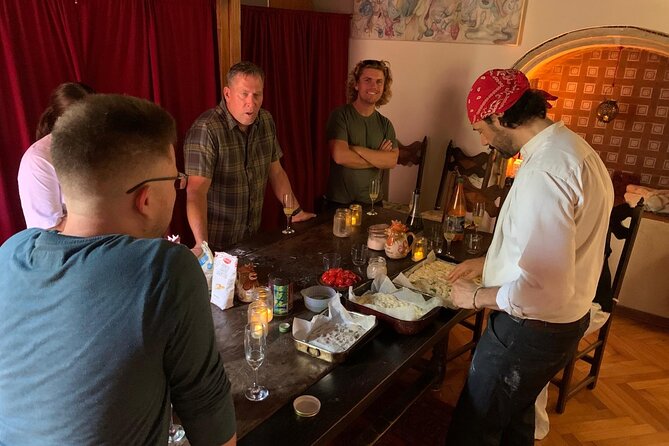
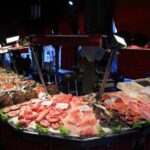
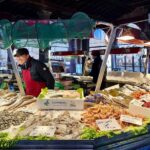
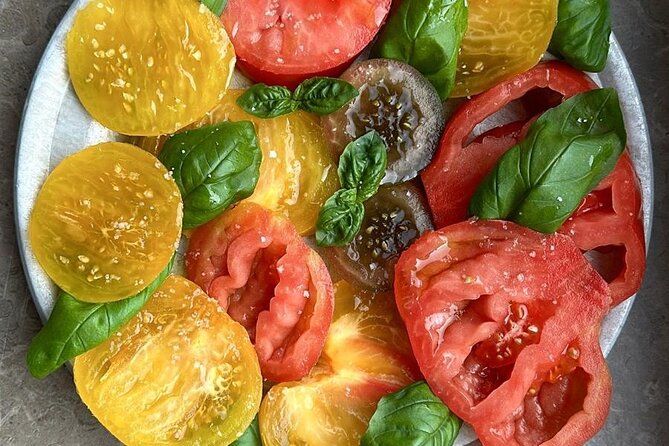
If you care about eating in Venice instead of just collecting photos, the Rialto start is the right way to do this. You begin at Mercati di Rialto, then head out with a short shopping mission that’s really about ingredient choices. In practice, that means you’re not memorizing recipes from a book; you’re seeing vegetables, herbs, and fruit you can actually connect to what you’ll cook later.
This matters for two reasons. First, seasonal produce drives flavor in Italian cooking. The class leans on that idea, building the meals around what’s coming from the local market. Second, it sets the tone: you’re with a host who knows how to shop, not just how to teach. Meeting up at Caffè Vergnano 1882 (San Polo, 129) is a handy landmark, too, and you finish back at the same spot.
One small practical note: Rialto can feel active depending on the time of day and season. You’ll be navigating stalls and moving through the area, so plan on a relaxed pace. The payoff is that you’ll feel like you understood the ingredients first, then the cooking steps.
Massimo’s Venice kitchen: why an intimate class beats a food show
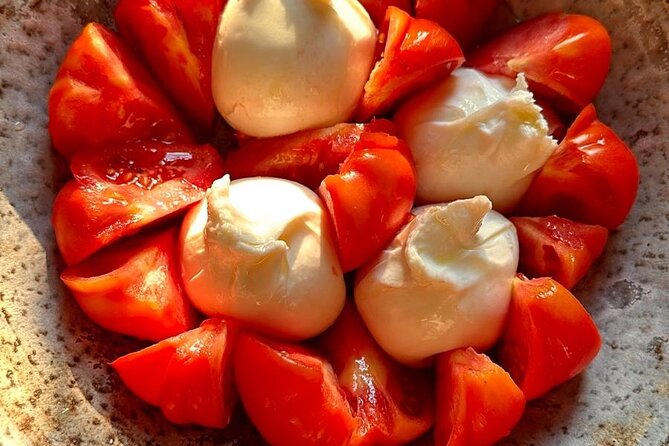
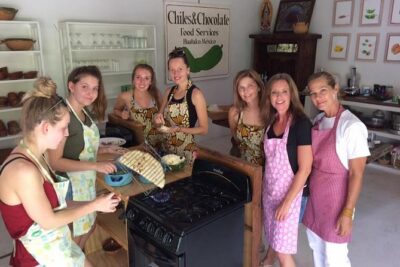
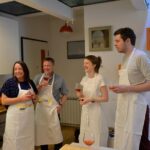
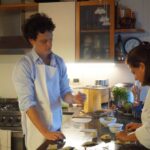
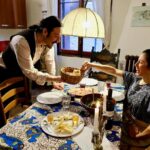
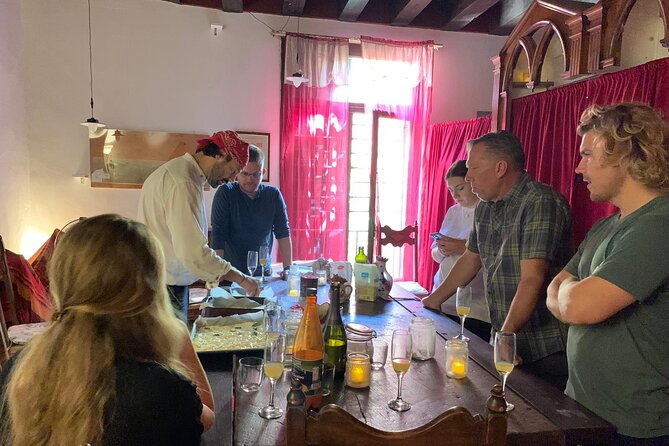
The heart of this experience is that it happens in a real home setting, not a classroom. You’re led to an ancient venue in the center of Venice, guided by Massimo, and you’re capped at a maximum of 12 travelers. That size keeps things personal. You’re more likely to ask questions, get help with techniques, and actually talk with the host instead of watching from the edge.
Massimo brings a story-forward approach. He’ll share Italian flavor context from his local perspective and also draw on recipes taught through family tradition. You can expect a mix of practical instruction and personal storytelling—exactly the kind of talk that makes the food feel like part of Venice, not a staged performance.
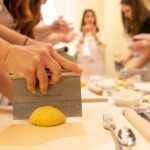
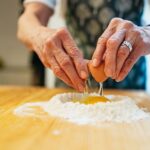
The group size also changes the pace of the cooking. With a small group, you’re not waiting forever for the next step, and you’re more likely to participate. You’ll be learning how to build dishes from scratch, including dough work and assembling sauces and toppings.
And yes, the setting works as a break from Venice’s summer heat. Even if the streets outside are busy, the home base is where you can slow down, taste what you’re making, and focus.
You can also read our reviews of more tours and experiences in Venice.
Your three-course vegetarian or vegan meal: what you’ll actually cook
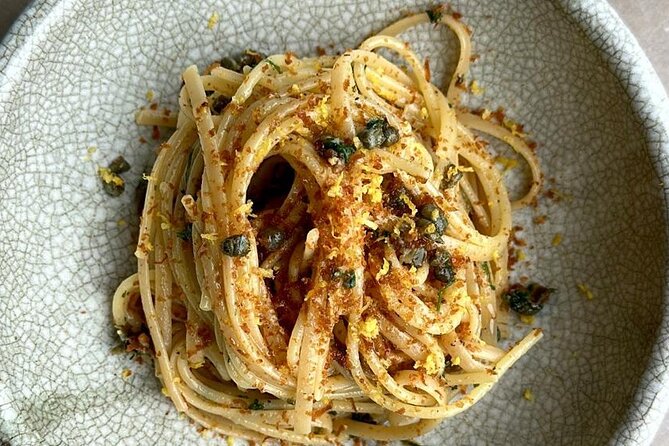
This is built around a three-course meal, and the menu is flexible. The experience is vegetarian and vegan friendly, and Massimo can shape the cooking around your preferences. There’s a sample lineup, but the key point is that you’re not locked into one “standard” plan.
Here are the dish types you should expect to see throughout the class:
Handmade pasta and pesto variations
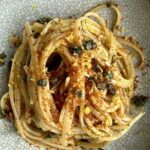
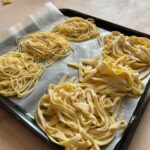
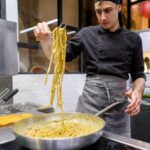
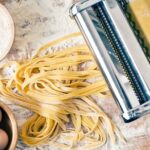
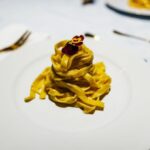
A main course you might make is handmade pasta with pesto—there are many pesto styles, and you may see different herb or ingredient variations depending on what’s available. The cooking focus here is on fundamentals: getting the dough right, then pairing it with a sauce that’s loud in flavor but simple in concept.
Vegan pizza and focaccia with market-driven toppings
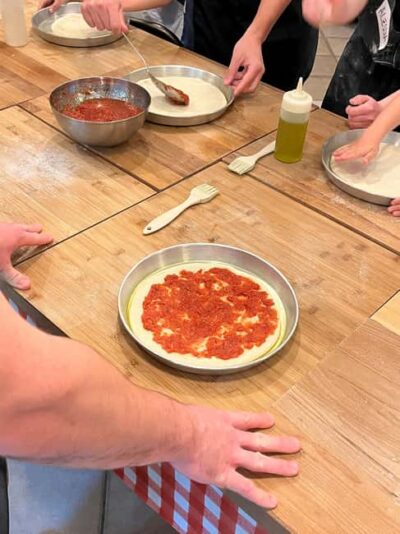
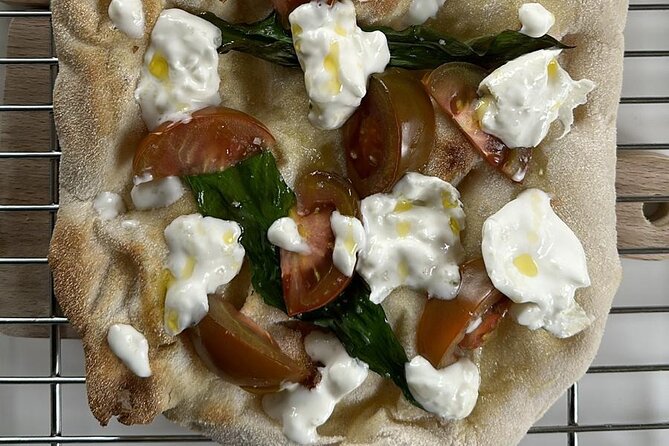
You might also make vegan pizza and focaccia. The class examples include vegan pizza with radicchio di Treviso and veg mozzarella. You might see different flour choices too, including ancient types (like semolina and farro flour) and toppings that lean on herbs, vegetables, and the kind of tang that makes simple pizza feel special.
Focaccia here isn’t treated as an afterthought. The method is part of the lesson—dough texture, rising, and how toppings behave once baked.
Vegetable mains that highlight Venetian ingredients
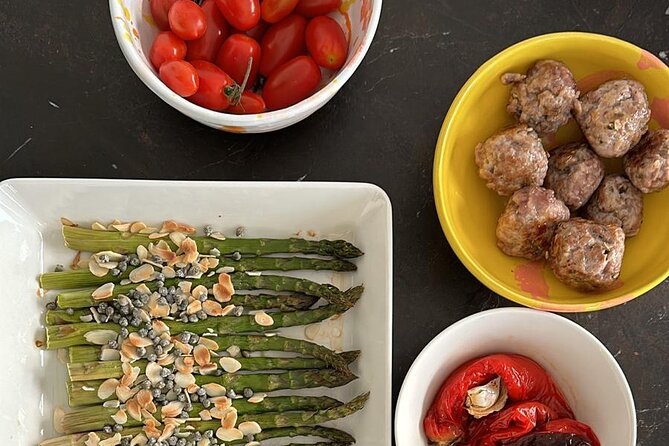
The sample menu includes mains like asparagus with almonds (paired with a fresh white wine) and artichokes with lemon and white wine. Artichokes are presented as a lagoon treasure, and the pairing with focaccia is a classic move: bread becomes the vehicle for squeezing, dipping, and finishing.

Starters and salad dressings made from scratch
Italian salads often get treated like filler. In this class, salad is part of the skill set. You might experiment with different dressings, even coloring the dressing with flowers. The goal is to learn how to build a proper dressing, not just pour and hope.
Dessert built around sweet market fruit
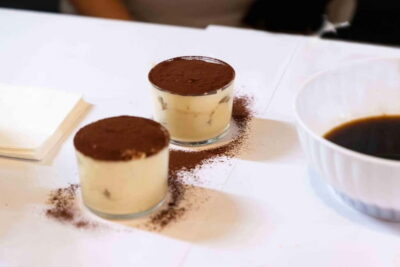
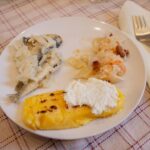
For dessert, the sample menu includes vegan cashew and fig cake with an orange aftertaste. The class also points to dessert using sweet fruits from the market, so you should expect fruit-forward flavors when the season gives them their best.
Tip for getting the most value: go into the class with at least a few preferences. The host notes the menu can be tailored based on what you wish, so you’ll enjoy it more if you think about what you want to cook (and what you’d rather skip).
Unlimited wine, paired naturally (and the 21+ rule)
Wine is included—unlimited wine plus sparkling wine—so this isn’t just a light tasting while you cook. It’s part of the experience.
One important limitation: alcoholic drinks are served only to travelers 21 years old and above. If you’re traveling with someone close to that age, plan ahead so expectations match the policy.
From a practical standpoint, the wine ties into how the dishes are built. Several example courses mention pairing with white wine, which makes sense: Italian cooking often uses acid and aromatics, and wine becomes part of the flavor equation. Just pace yourself. You’ll be hands-on cooking, and you’ll want to stay coordinated for dough, chopping, and oven timing.
Timing, meeting point, and what to bring for a smooth 3 hours
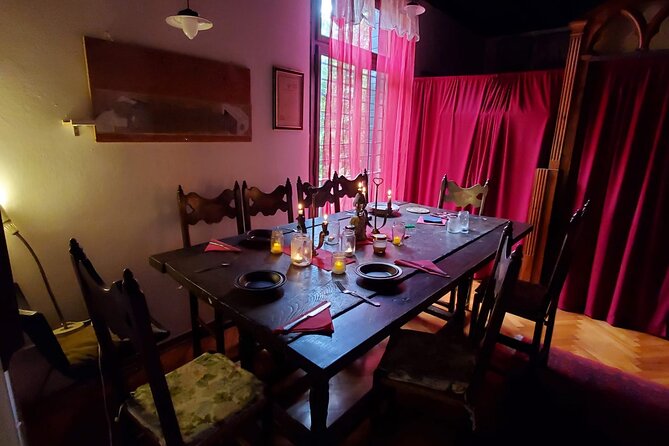
This experience runs about 3 hours and ends back at the meeting point. You start at Caffè Vergnano 1882 in San Polo, Venice, and you’ll use a mobile ticket for check-in. There’s no hotel pick-up or drop-off included, so you’ll want to plan your own arrival and return.
The pace is probably what you’d expect from market + cooking + eating: a steady flow rather than a long lecture. You’ll shop, walk to the venue, prepare the meal, taste as you go, then sit down together.
What to bring:
- Comfortable shoes for moving between Rialto and the home venue
- A light layer if you get cool indoors while Venice stays warm outside
- Any clear dietary notes beyond vegetarian/vegan needs (the class is designed around that, but personal preferences still help)
Also, the experience requires good weather. If conditions are poor, you’ll be offered a different date or a full refund—so it’s worth traveling with some flexibility in your schedule.
Value check: is $108.02 worth it in Venice?
At $108.02 per person for roughly three hours, the value depends on what you want from Venice.
This price includes:
- Market shopping is covered
- A vegetarian/vegan cooking class
- Unlimited wine and sparkling wine
- A licensed or certified guide/host
- Lunch as part of the three-course meal
That’s not just a cooking demonstration. You’re shopping for ingredients at Rialto, cooking multiple dishes from scratch, and then eating what you make. You also get drinks included, which is one of the easiest ways to compare value in Venice where meals can add up fast.
If you’ve already booked a museum-heavy itinerary and you want one hands-on, food-centered day, this is a strong fit. If you only want a quick taste or you hate walking and standing, it may feel less efficient than a pure tasting tour.
The small group size (max 12) is another value lever. In big groups, teaching gets watered down. Here, the setup encourages participation and interaction, which you’ll feel during the cooking steps.
Who should book this class, and who might prefer something else?
Book it if you:
- Are vegetarian or vegan (and want actual cooking skills, not just a meal)
- Enjoy market-based food experiences tied to seasonality
- Want a small-group Venice activity where you talk with a local host
- Like learning through doing—pasta, focaccia, pizza dough, salads, and dessert steps
You might choose a different option if:
- You want a purely sit-and-watch activity
- You have limited tolerance for moving between Rialto and the home venue
- You’re looking for a strictly fixed menu with no tailoring
The best part is how the class blends practical cooking with local storytelling. When a host connects ingredients to place, the food becomes more memorable, and you leave with techniques you can repeat at home.
Should you book this Venice vegetarian and vegan cooking class?
Yes, if you want one of the more authentic-feeling Venice food experiences: market shopping first, then cooking in an intimate home setting, finishing with a full three-course meal. The cost is reasonable for what you get—ingredients, instruction, lunch, and unlimited wine—especially since the class adapts to what you want to cook.
If you’re deciding between this and a busier, more commercial-style tour, the small group cap and the hands-on format are the deciding factors. This is also a good choice if you want something that works for vegetarian or vegan travelers without making you feel like the menu is an afterthought.
FAQ
How long is the Venice vegetarian and vegan cooking class?
It lasts about 3 hours.
What does the tour cost?
The price is $108.02 per person.
Where do you meet, and where does it end?
You meet at Caffè Vergnano 1882, San Polo, 129, 30125 Venezia VE, Italy, and the experience ends back at the meeting point.
Is the class vegetarian and vegan friendly?
Yes. The experience is described as a vegetarian and vegan cooking class, and vegetarian/vegan travelers are welcome.
How large is the group?
The class is limited to a maximum of 12 travelers.
Is wine included, and is there an age limit?
Yes. Alcoholic beverages are included as unlimited wine and sparkling wine. Alcoholic drinks are served only to travelers 21 years old and above.
What if the experience is canceled due to weather?
If it’s canceled due to poor weather, you’ll be offered a different date or a full refund.