REVIEW · SHANGHAI
Private Home Cooking Class with Shanghai Mama
Book on Viator →Operated by Shanghai Melody Tours · Bookable on Viator
First time you see a wet market up close, you get your bearings fast. This experience pairs a guided snack-and-produce market walk with a private home cooking class in the household of Shanghai Mama, so you’re not just eating dishes, you’re learning how people shop, cook, and talk about food. I especially like the up-close sampling at the market and the chance to cook at a real local home. One possible drawback: the market snack stops can feel like a lot if you’re not into trying many small bites.
You meet your guide at your hotel in central Shanghai, then head out by private car. On past evenings, guides such as FeiFei, her mother, and Penny have been part of the warm hospitality, which makes the whole thing feel more like a shared meal than a scripted lesson. Wear comfortable shoes, because you’re walking through a real food market setting.
In This Review
- Key Highlights You’ll Feel (Not Just Read)
- A Shanghai Wet Market Tour That Actually Teaches You
- From Market to a Shanghai Mama Home: The Real Vibe of Daily Life
- The Hands-On Cooking Class: Skills You Can Use Again
- What You Eat: Snacks, Lunch or Dinner, and the Meaning Behind It
- Pickup, Private Transfers, and Timing That Works with Your Day
- Price and Value: Is $199.11 Worth It?
- Should You Book Shanghai Mama’s Private Home Cooking Class?
- FAQ
- FAQ
- What time do I meet the guide?
- How long is the experience?
- Is hotel pickup and drop-off included?
- What happens first during the tour?
- What food is included?
- Is this a private experience?
- Can I request a vegetarian option?
- Do I need comfortable shoes?
- Does the tour run in bad weather?
- How does cancellation work?
Key Highlights You’ll Feel (Not Just Read)
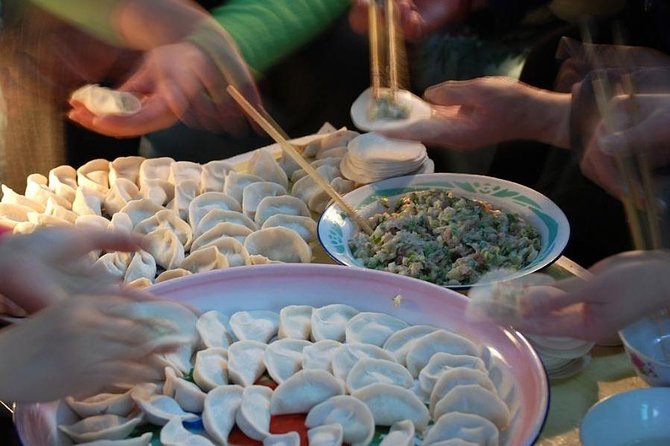
- Wet market snack tasting first, so your cooking starts with real ingredients and real flavors
- Private home cooking class in a typical Shanghai home built between the 1950s and 1970s
- Personal guidance throughout, with explanations about what you’re seeing and eating
- Lunch or dinner included, plus market snacks and bottled water to keep the energy up
- Hotel pickup and drop-off from central Shanghai, using a private car for a smoother flow
A Shanghai Wet Market Tour That Actually Teaches You
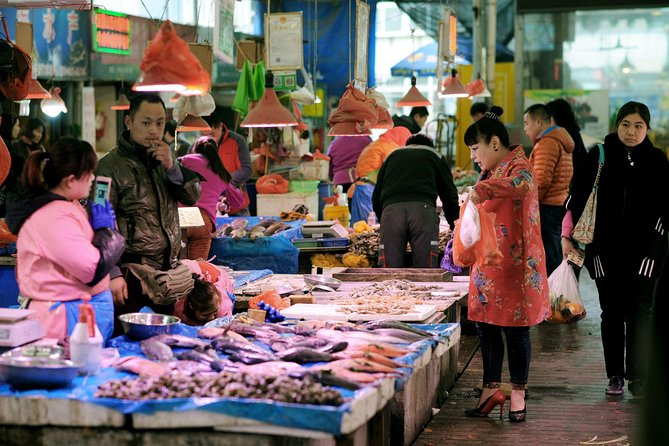
A wet market isn’t a background. It’s the lesson. You’ll start with pickup and then ride to one of the bigger wet markets in Shanghai, where your guide walks you through the places where locals actually buy food.
The best part is the way tasting comes early. You’ll sample popular snacks right in the market, guided by someone who knows what’s worth trying and how to order or pick things up. That matters because it turns you from a passive observer into an active eater. You get to notice textures, sauces, and small flavor differences before you ever step into the kitchen.
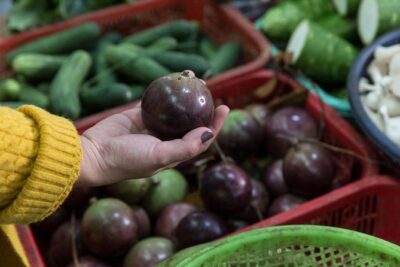
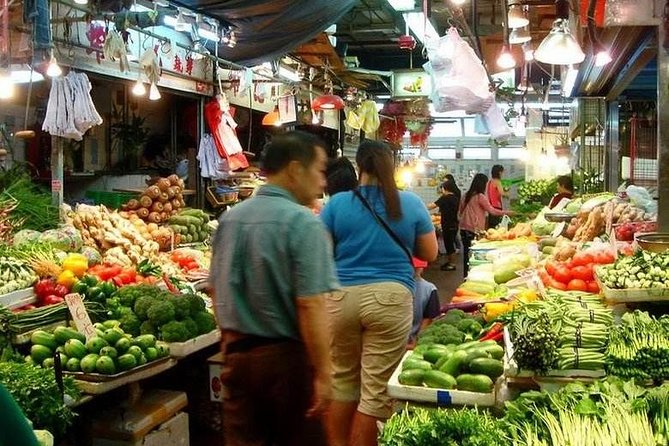
Then the focus shifts to ingredients. You’ll see fresh vegetables, hairy crabs, shrimp, meat, and fruits. That range gives you a more complete picture of what Shanghai cooks with across seasons and price points. Your guide also helps you recognize what you’re looking at and explains the food culture behind it, not just the names.
One small reality check: market snacks mean multiple bites, and not every bite will be your favorite. The good news is that you’re not stuck with one dish you dislike. You get variety, and your guide can help you understand what you’re tasting and why it’s popular. If you know you’re picky or easily overwhelmed by trying lots of small things, you’ll want to set expectations going in.
You can also read our reviews of more tours and experiences in Shanghai.
From Market to a Shanghai Mama Home: The Real Vibe of Daily Life
After the market, you head to the home of your chef-instructor. This is a big deal for how the class feels. You’re not in a demo kitchen with strangers watching. You’re in a typical locals’ home built in the 1950s to 1970s, and your guide explains what life looks like inside that kind of space.
The home visit does two jobs. First, it makes the cooking feel grounded. Ingredients and technique aren’t floating ideas; they connect to how people live and eat day to day. Second, it gives you context. Your local guide shares details about their life, which helps you understand why certain flavors and meal routines make sense in Shanghai.
In the hospitality department, the experience has a reputation for feeling genuinely welcoming. On earlier sessions, the group was guided and hosted by people like FeiFei, her mother, and Penny, and that warmth shows up in how questions are answered and how you’re guided through the meal as if you’re part of the evening.
One thing to keep in mind: you’ll be moving from public market energy into a home setting. That’s usually pleasant, but it also means you should expect the class to feel casual and conversational, not like a high-tech, ultra-formal cooking studio.
The Hands-On Cooking Class: Skills You Can Use Again
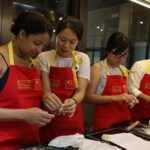
The core experience is hands-on, and that’s what makes it worth your time. Once you’re in Shanghai Mama’s home, you get a private cooking class that’s designed for your group only—no blending with strangers.
Because your time is limited (about 4 hours total), the lesson tends to focus on the steps that matter: ingredient prep, practical cooking techniques, and how to assemble the final dishes. You’ll be doing the work, not just watching someone else do it. That’s the best way to learn in Chinese cooking styles, where timing and sauce balance matter as much as ingredients.
Also, you’re not cooking blind. The market earlier helps you connect what you see (hairy crabs, shrimp, seasonal vegetables, and fruit) with what ends up on your table later. When your guide explains what you’re cooking and why—what texture you want, how ingredients behave, and what makes a dish “Shanghai-friendly”—it sticks better because you already saw the ingredients at close range.
Dietary needs are handled with advance notice. A vegetarian option is available if you advise when booking, which is helpful if you prefer to avoid meat and seafood. If you have allergies or stricter limits, you’ll want to share them during booking so the kitchen can plan accordingly.
What You Eat: Snacks, Lunch or Dinner, and the Meaning Behind It
This isn’t a class where you leave hungry. You get snacks during the market portion, bottled water, and then lunch or dinner after the cooking. The meal you eat is part of the experience, because it’s the same food you helped make.
Food in Shanghai is often about balance: salty with fresh, fried with steamed, rich sauces with bright notes. When you learn the dish through cooking, you pick up the rhythm—how flavors build, how aroma changes as food cooks, and what consistency you’re aiming for in the finished plate.
The market snack section adds another layer. Small bites teach you how people snack and what casual favorites can taste like. It also helps you avoid the mistake of treating Chinese food as one style. In one afternoon, you might see how seafood and produce show up, and then later how those items translate into dishes you can actually make at home.
For me, the best part is the conversation that comes with the meal. After cooking, you sit down with lively conversation while eating what you made. That social piece can be as valuable as the recipe, because it gives you a real sense of how locals talk about food—what’s normal, what’s seasonal, and what people choose when they shop.
If you’re expecting a rigid timetable with every minute packed like a tour bus, you might be a little surprised. This experience runs like a shared evening with guidance, not like a click-to-click attraction.
Pickup, Private Transfers, and Timing That Works with Your Day
Logistically, this tour is designed to be easy. You’ll have hotel pickup and drop-off from central Shanghai, and you’ll travel by private car. That matters in Shanghai, where distances can feel bigger than they look on a map. The private transfer helps you spend more time eating and cooking, and less time figuring out routes.
You’ll meet your guide either at 10:00 am or 4:00 pm. The start time shown for the experience includes 4:00 pm, so make sure you choose the time option that fits your schedule. Either way, plan for a full half-day feeling: walking in the market, moving to the home, and then cooking and eating.
Since it operates in all weather conditions, you’ll want to dress for rain or heat. Comfortable walking shoes are recommended, and I’d treat that as a must. Market floors and paths can be uneven, and you’ll likely stand and move more than you expect.
Also pay attention to value add-ons. There are group discounts and a mobile ticket, and because it’s private, you won’t have to coordinate with other groups. It’s the kind of outing that works well when you want control over the pace and questions.
Price and Value: Is $199.11 Worth It?
At $199.11 per person for about 4 hours, this isn’t a budget “cheap eats” outing. But it also isn’t just paying for food. You’re paying for a guide, a private transfer, a home cooking setup, and the market-to-home flow that connects ingredients to technique.
Here’s how I judge value for this kind of experience:
- You’re getting an English-speaking guide plus private attention during both the market and the cooking. That’s hard to replicate on your own unless you already have cooking skills and local contacts.
- You’re eating what you make, including market snacks and lunch or dinner. That reduces the usual travel-food costs.
- You’re cooking in a real local home, not a classroom. The home setting changes the feel of the lesson. It also explains daily-life details that you wouldn’t see just by sightseeing.
- You’re not stuck with a large group schedule. It’s only your group, so questions don’t get rushed.
One practical note: the experience is often booked about 19 days in advance on average. That’s your signal not to wait until the last minute if you want a specific time slot.
This class makes the most sense if you’re a foodie who wants a deeper Shanghai taste than a single restaurant dinner. If you want to cook but also care about context—how people shop, what ingredients look like, and how everyday life connects to food—then the price starts to feel fair.
Should You Book Shanghai Mama’s Private Home Cooking Class?
I’d book it if you want a true Shanghai food moment: market first, then cooking, then eating together in a local home. It’s best for couples, small groups, and curious solo travelers who like learning by doing.
Skip it only if you know you don’t enjoy wet markets or you’re strongly against trying multiple snack bites. Also, if you’re short on time and want a fast museum-style experience, this takes more of a “shared evening” pace than a quick stop.
If you do book, come prepared to walk, ask questions, and be a little flexible. The magic here is that you get both market storytelling and hands-on cooking, not just one or the other.
FAQ
FAQ
What time do I meet the guide?
You meet your guide at your hotel lobby at either 10:00 am or 4:00 pm, depending on the option you choose.
How long is the experience?
The cooking class and market portion last about 4 hours.
Is hotel pickup and drop-off included?
Yes. Hotel pickup and drop-off from central Shanghai is included, along with private transfer.
What happens first during the tour?
You start with a guided visit to a large wet market, including snack samples. Then you go to the Shanghai Mama home for the cooking class.
What food is included?
You’ll have snacks at the wet market, bottled water, and lunch or dinner after the cooking class.
Is this a private experience?
Yes. It’s a private tour/activity, so only your group participates.
Can I request a vegetarian option?
Yes. A vegetarian option is available if you advise at the time of booking.
Do I need comfortable shoes?
Yes. Comfortable walking shoes are recommended because you’ll be walking in the market.
Does the tour run in bad weather?
It operates in all weather conditions, so dress appropriately.
How does cancellation work?
You can cancel for a full refund up to 24 hours in advance of the experience’s start time.