REVIEW · SHANGHAI
2.5hrs Chinese Kitchen Cooking Class: Xiaolongbao Soup Dumplings
Book on Viator →Operated by Trippest Travel · Bookable on Viator
Cooking xiaolongbao turns small skills into big rewards. You learn the technique behind Shanghai’s signature soup dumplings—the ones with broth inside—then cook them two ways and eat your own handiwork. I especially like the small group size (max 15) and the hands-on pacing, with instructors like Cici and Chef Yin known for being patient and encouraging. One thing to consider: the studio entry is in an older lane setting, so finding it can feel a bit awkward before someone guides you in.
This class also gives you practical results, not just a demo. You’ll make both dough and filling with Chinese spices, wrap the broth into the dumpling, learn a sauce, and leave with a recipe for later practice. If you’re traveling with kids, it’s built for ages 3 to 100 (and children under 3 can join for free), which is rare in food classes. The only drawback worth planning around: there’s no hotel pickup, so you’ll want to arrive under your own steam near Guangyuan Road / Changshu Road and public transit.
Finally, the value feels real because you’re not paying just for food—you’re paying for instruction. At $98.88 per person for about 2.5 hours, you get tea, a full shared meal, and a take-home recipe, all taught in English by a friendly chef. If you’re sensitive to surprises, do expect the setting to be more local-kitchen than glossy restaurant classroom.
In This Review
- Key Takeaways Before You Go
- Shanghai Soup Dumpling Magic: What Xiaolongbao Really Is
- Your Class Schedule: From 10:00 Meet to 12:30 Recipe Exit
- What You Actually Make: Dough, Filling, and Broth Wrapping
- Two Cooking Styles and the Sauce You’ll Want to Copy
- Studio Reality Check: Finding the Place and What the Kitchen Feels Like
- Who This Class Fits Best (Kids, Veg Options, and Skill Levels)
- Price and Value: Is $98.88 Worth It?
- Practical Tips to Get the Best Dumpling Results
- Should You Book? My Take on Booking the Xiaolongbao Class
- FAQ
- What is the duration of the Chinese Kitchen Cooking Class for Xiaolongbao?
- Where do I meet for the class?
- Is this class suitable for children?
- Can I request a vegan or vegetarian option?
- What’s included in the price?
- How many people are in the group?
- Does the class include transport from hotels?
Key Takeaways Before You Go
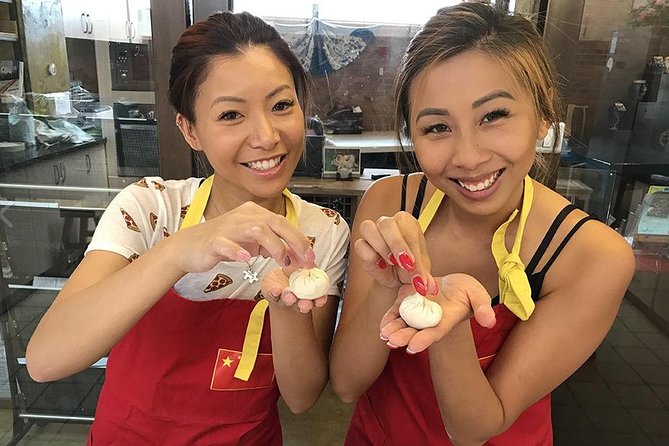
- You’ll learn the broth-inside wrapping technique, not just how to cook dumplings.
- Cook xiaolongbao two ways (including both steamed and pan-fried) and compare results.
- Small group (15 max) means you’re more likely to get help when your folds or seal aren’t perfect.
- English-speaking instructors like Cici and Chef Yin focus on skill and comfort.
- Vegan/vegetarian options are available on request, and the class is described as vegetarian-friendly.
- Tea is included, plus you eat what you make as a group.
Shanghai Soup Dumpling Magic: What Xiaolongbao Really Is
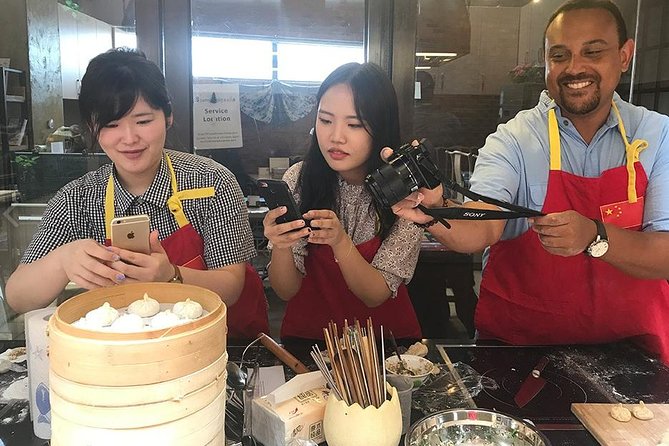
Xiaolongbao are often called soup buns or soup dumplings because the broth is the star. The idea sounds simple—make dough, add filling, steam them—but the trick is that the broth needs to be wrapped safely inside so it turns into soup when you bite. When it works, the skin is delicate, the soup is hot, and the whole dumpling feels like a little edible bowl.
Here, you’re not just eating the dish. You’re learning how the dumpling is constructed so the soup ends up where it should. That matters because a lot of dumpling experiences teach you how to shape food. This one teaches you how to engineer the bite—how the skin holds the broth, how the filling behaves, and how the dumpling’s texture changes after cooking.
And because this is Shanghai cooking, you’ll also get the cultural context around ingredients and technique. That’s not “food trivia.” It helps you understand why the dumplings taste the way they do, especially when it comes to spices and the balance between dough and filling.
You can also read our reviews of more tours and experiences in Shanghai.
Your Class Schedule: From 10:00 Meet to 12:30 Recipe Exit
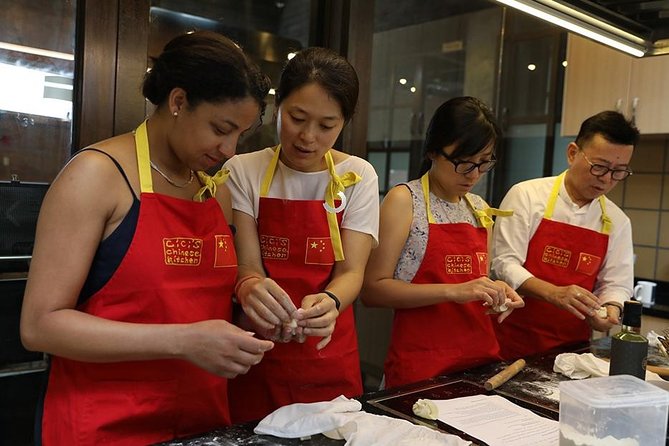
The class runs like a well-timed kitchen shift: arrive, prep mentally, then get your hands working.
10:00 am: Meet at the cooking studio. Plan to show up a little early. The area is described as easily accessible by public transportation, but the studio itself is in an older lane setting, so you’ll want extra time to find the right entrance.
10:20 am: Introduction to cooking culture and local ingredients. This is where you get the “why” behind the steps. It’s also the part that sets you up for better folding later, because you understand what you’re aiming for and what ingredients are doing.
11:00 am: Cooking session. This is the real core. You’ll work on dough and filling, learning how dough should feel and how the filling is seasoned. You’ll also practice how soup is wrapped inside a xiaolongbao—one of the defining skills of the dish.
12:00 pm: Eat together. This is when the class pays you back. You’ll taste the dumplings you made, likely along with the Chinese sauce you helped prepare. The group meal part is big because it turns practice into an actual lunch experience.
12:30 pm: End with recipe. You’ll leave with a recipe, which is the practical part people often skip in cooking classes. It helps you repeat the technique at home rather than just remembering what it tasted like.
What You Actually Make: Dough, Filling, and Broth Wrapping
If you’ve ever had soup dumplings that spilled broth everywhere, you know the frustration. The class attacks the problem at the source: the wrapping.
You learn how to make both the dough and the filling with fragrant Chinese spices. Dough isn’t just a shell; it’s a structural layer that needs to be thin enough for delicacy but strong enough to hold broth. Filling isn’t just meat and flavor; it’s what you balance with the dough and soup so the dumpling tastes right from the first bite.
Then comes the defining part: wrapping the broth in a xiaolongbao. The “how” matters. You’re taught the technique so the broth ends up sealed inside the dumpling rather than leaking out during cooking. This is the skill that makes xiaolongbao feel magical when you bite into them and the soup bursts out instead of turning into a mess on the plate.
A nice detail: the teaching style is described as hands-on and paced to your ability. People highlight that instructors like Cici work at your skill level. That’s reassuring if you’re not confident with dough or folding. In other words, you’re not expected to arrive as a dumpling expert.
Two Cooking Styles and the Sauce You’ll Want to Copy
You cook the xiaolongbaos in two ways. One method is steaming, which keeps the dumpling’s texture light and focuses on the soup. The other is pan fried, which changes the surface and gives you another texture contrast.
That two-method approach is more than variety. It helps you understand what heat does to the dough and how you want your dumplings to behave. Steamed dumplings are closer to the classic Shanghai experience. Pan-fried ones let you compare how the wrapper and fillings perform when there’s browning and different heat transfer.
You’ll also learn to make a Chinese sauce to go with the xiaolongbaos. This is where a lot of cooking classes stay vague. Here, you’re making it as part of the session, so you can recreate the flavor pairing later.
And tea is included, which sounds small, but it makes the meal part feel complete. It also helps you keep your palate awake while you eat multiple dumplings at the end.
Studio Reality Check: Finding the Place and What the Kitchen Feels Like
This isn’t a hotel kitchen. The studio is described as being in an older lane setting, which is part of the “local life” feel. One review notes the entrance can look scary or unclear at first, until the instructor guides you in. Translation: give yourself a few extra minutes and don’t stress if you can’t spot a fancy doorway right away.
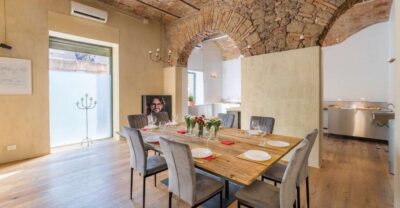
Once you’re in, the studio is described as clean, small, but functional. That’s actually what you want for a hands-on class. Space is tighter, but that’s what supports a small group experience and steady help when you’re folding dumplings.
In terms of instruction, the vibe sounds friendly and organized. People mention Cici as engaging, funny, and very patient. Others mention Chef Yin as personable and skilled at teaching. Either way, you should expect English support and a class flow designed to keep everyone working, not watching.
Who This Class Fits Best (Kids, Veg Options, and Skill Levels)
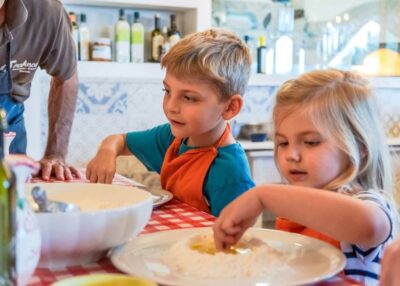
This is one of the more family-friendly food classes you’ll find in Shanghai. It’s listed for ages 3–100, and children under 3 are free to join. That doesn’t mean every child will do every step equally, but the class is structured for a broad range of ages, which is a big deal if you’re traveling with a mixed group.
Vegan and vegetarian options are available on request, and the class is described as vegetarian-friendly. If you have dietary needs, write them down when you book. That’s the best way to make sure the session is adjusted rather than you ending up with a plain compromise plate.
Skill level is also covered by the teaching approach. Some people say the instructor works at your pace and skill level, which matters because dough work is one of those things where confidence helps. If your folds aren’t perfect, it doesn’t sound like you’ll be rushed or judged. You’re learning a technique, not passing a test.
Price and Value: Is $98.88 Worth It?
At $98.88 per person for about 2 hours 30 minutes, you’re paying for more than “a bite of Shanghai.” You’re paying for:
- instruction in dough, filling, and broth wrapping
- cooking practice in two methods (steamed and pan fried)
- a shared group meal with what you made
- complimentary tea
- an instructor who teaches in English
- a recipe to take home
If you compare that to grabbing dumplings on your own, the difference is clarity and practice. Eating xiaolongbao tells you what’s delicious. Learning xiaolongbao tells you how to recreate it. That’s the real value shift: the class turns a restaurant meal into a skill you can attempt again.
Also, the group size cap (15 max) supports that value. You’re less likely to feel like you’re in the background while the chef performs. Even when you need help, there’s a realistic chance of getting it.
One more practical note: there’s no hotel pickup. That can affect value if you’re staying far from Xuhui or dealing with taxis and timing. But because the meeting point is near public transportation, it’s usually manageable if you’re using the subway or a quick ride.
Practical Tips to Get the Best Dumpling Results
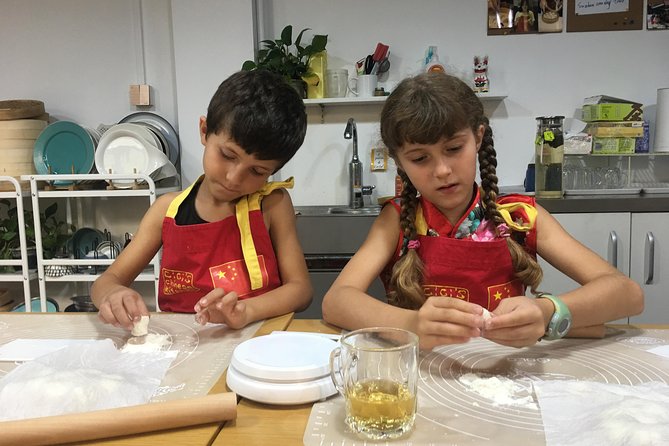
Here’s how to set yourself up to enjoy the class, even if you’re new to dumpling folding.
- Arrive early and in the right lane area. The studio entry can be less obvious than a storefront.
- Expect a hands-on pace. You’ll likely touch dough and work on shaping, so wear clothes you’re okay with getting flour on.
- Don’t aim for perfect dumplings on attempt one. The goal is understanding the technique for sealing and holding broth.
- Ask questions during the session, especially if your wrapper feels too thick or too thin. The instruction style described for Cici and Chef Yin suggests you’ll get guidance.
- If you want vegan or vegetarian food, confirm your preference at booking so the class can adjust before you arrive.
Should You Book? My Take on Booking the Xiaolongbao Class
Book it if you want a true Shanghai cooking skill, not just a meal. You’ll come away understanding how broth-inside soup dumplings work, and you’ll have a recipe to support repeat attempts at home. The small-group format, English-speaking instructors, and the fact you cook two ways make it a strong choice for food-focused travelers.
Skip it (or at least reconsider) if you hate the feeling of “local lane logistics” and would rather meet in a straightforward building entrance. Since there’s no hotel pickup, you’ll also want to be comfortable getting yourself to the Changshu Road / Guangyuan Road area by transit.
For families, this is especially tempting. The class is designed for children and adults together, and you’ll all get the satisfaction of eating the dumplings you made—hot, sauced, and shared.
FAQ
What is the duration of the Chinese Kitchen Cooking Class for Xiaolongbao?
The class runs for about 2 hours 30 minutes.
Where do I meet for the class?
The meeting point is listed as Guangyuan Road (Guang Yuan Lu, Xuhui District, Shanghai, China). The class is described as meeting near Changshu Road, in an easily accessible area.
Is this class suitable for children?
Yes. The class is listed for ages 3–100, and children under 3 years old are free to join.
Can I request a vegan or vegetarian option?
Yes. Vegan and vegetarian options are available on request. The class is described as vegetarian-friendly, and you should write down your food preference when booking.
What’s included in the price?
The included items are the cooking class, complimentary tea, and a friendly English-speaking chef. You also eat the dumplings together at the end.
How many people are in the group?
The class has a maximum of 15 travelers.
Does the class include transport from hotels?
No. Hotel pickup and drop-off services are not included, and the activity ends back at the meeting point.