REVIEW · PUDUCHERRY
Pondicherry: Indian Cooking Class with Market Visit
Book on GetYourGuide →Operated by SITA CULTURAL CENTRE · Bookable on GetYourGuide
Cooking in Pondicherry feels like a shortcut to South India. This market-to-kitchen setup pairs a guided walk through ingredients and spices with a practical cooking session where you choose about four recipes and eat what you make. I especially like the hands-on focus (chopping, grating, cooking at the stove) and the friendly, adaptable instructors such as Saranya, Keerthi, and Krishti, who help shape the menu around what you want.
One thing to consider: the experience is run in a small kitchen setting, and at least one past booking raised concerns about cramped space and hygiene, plus a mismatch with the number of dishes expected. Also, double-check the language you’re selecting, since one booking reported a language mix-up (French selected, English delivered).
If you want a fun, social way to learn Indian cooking beyond tasting it, this is a strong bet—especially at this price point for a market visit, included ingredients, and your meal.
Key things you’ll enjoy most
- Goubert Market-style ingredient spotting so you know what you’re buying and why
- Hands-on cooking for about four recipes you personally choose
- Flexible menus (vegetarian, non-vegetarian, and vegan options)
- Spice explanations that help you cook with confidence, not just follow steps
- Garden meal time with what you cooked, often in a casual, shareable setting
- Recipe e-booklet sent afterwards so you can repeat the dishes at home
In This Review
- Market First: Turning Shopping Into Real Cooking Skill
- From Market Spices to the Cutting Board
- Picking your dishes (and making it fit your diet)
- About Those “Four Recipes”: What Choice Looks Like in Practice
- Eating in the Garden: Meal Time That Feels Like a Win
- Price and Value: What $24 Buys in Real Skills
- Instructor Language and Small-Group Reality
- Who This Cooking Class Fits Best (and Who Might Skip It)
- Should You Book This Pondicherry Cooking Class?
- FAQ
- How long is the Indian cooking class in Pondicherry?
- How much does the class cost?
- What’s included in the price?
- What languages are available?
- Can I choose between vegetarian, non-vegetarian, and vegan meals?
- Roughly how many recipes will I cook?
- Is transportation to and from the cooking class included?
- Is there an age limit?
- What should I bring and what’s not allowed?
Market First: Turning Shopping Into Real Cooking Skill
The best part of this class isn’t the cooking station. It’s what happens before you light a stove—your guide takes you to a local vegetable market and shows you ingredients you might only see as vague labels in a supermarket back home.
Pondicherry markets are loud, colorful, and fast. Vendors call out, people move in every direction, and you can practically smell the spices hanging in the air. Your instructors use this energy as a teaching tool: they explain what to look for, which ingredients work together, and how certain produce is used in South Indian cooking.
A real win here is that the market tour isn’t just sightseeing. You’re learning a cooking lens. You’ll notice how ingredients are chosen for texture and flavor, not just appearance—fresh coconut for grating, crisp vegetables for sambar, and the sort of spice mix-building that makes Indian food taste like Indian food.
If you’re lucky with your guide (and many bookings highlight this), you’ll get very specific help. One instructor, Keerthi, was credited with guiding people through the traditional Goubert Market and explaining what they’d buy for the rest of the class. That’s the kind of context that makes the cooking lesson “stick.”
Practical tip: bring your camera and take a few shots of spice powders, vegetables, and spice vendors. Later, when you open the e-booklet, those photos help you match the ingredients you learned to real pantry items.
From Market Spices to the Cutting Board
After the market stop, you head back to the cooking school and the class shifts into step-by-step mode. This is hands-on training, not a watch-and-guess demo.
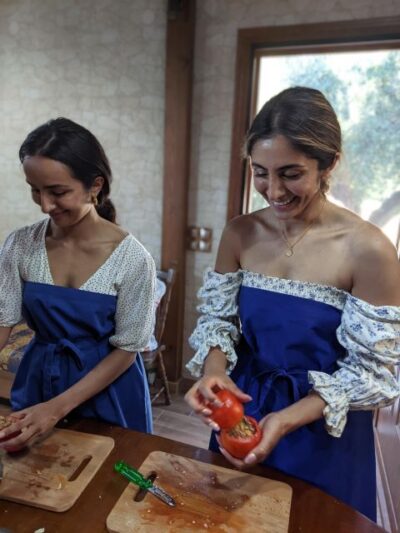
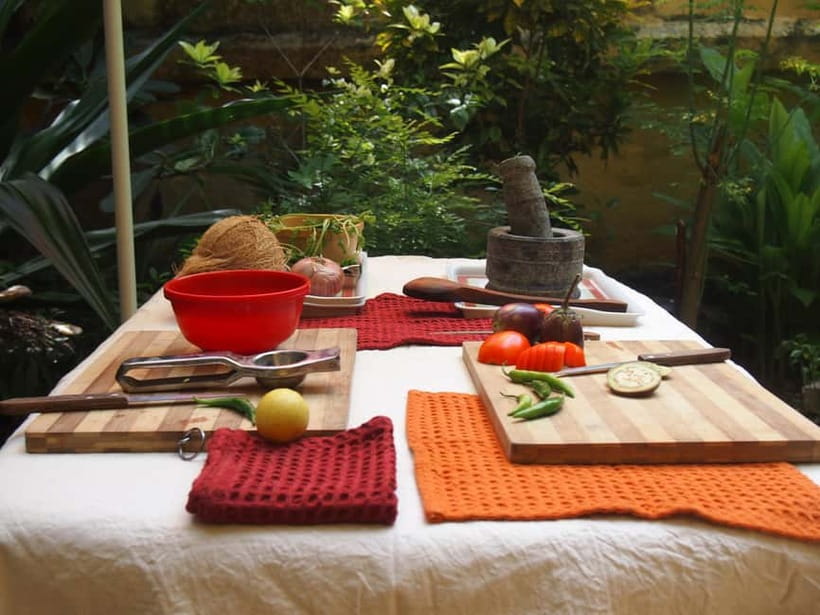
You’ll be involved from early prep. Expect tasks like chopping vegetables and working with ingredients such as coconut (grating comes up in the class style). Then you move into cooking—using spices the Indian way, with guidance that helps you understand what each step is doing.
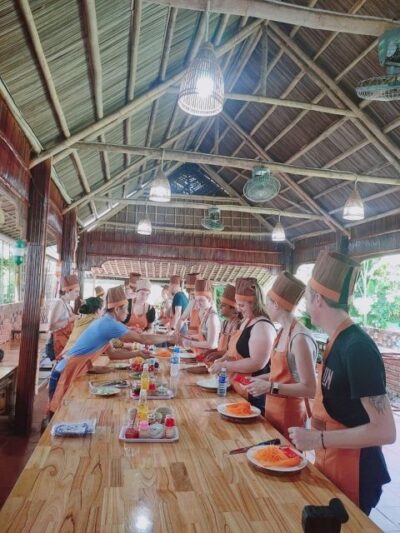
Because this is a small group (limited to 10 participants), you’re more likely to get help when you get stuck. And since the instructors encourage questions, you can ask about ingredient swaps, technique differences, or how a dish changes based on regional preference. That Q&A matters, because Indian cooking often has multiple “right” answers.
Picking your dishes (and making it fit your diet)
You don’t get forced into one rigid menu. You choose from different categories such as:
- Vegetarian
- Non-vegetarian
- Vegan
- South Indian and North Indian options
That flexibility is more valuable than it sounds. If you’ve got dietary needs, it’s your chance to build a menu around what you can actually eat. One clear example from a booking: the group didn’t know what to do with banana stem, but the instructor incorporated it into the menu once they understood how it’s processed. That’s adaptability in action.
Recipe examples that fit the class style include:
- Meen kozhumbhu (typical Pondicherry fish dish)
- Sambar (lentils and vegetables gravy)
- Carrot halwa (sweet dessert)
- Palak paneer (North Indian flavors)
- Chicken chettinad (spice-forward chicken curry)
You should be ready for spice. Even when dishes aren’t “fiery hot,” they’re usually flavorful and aromatic. If spice sensitivity is an issue, mention it ahead of time so the instructor can guide you on what to choose and how to adjust.
About Those “Four Recipes”: What Choice Looks Like in Practice
The class is designed around cooking about four recipes based on what you select. That’s a sweet spot. You get enough variety to learn different techniques—gravy building, tempering spices, cooking lentils, making a dessert—without it turning into a marathon.
One small caution: the structure can vary in real execution, and at least one past booking claimed they didn’t end up cooking four different dishes and described the kitchen setup as too small. That doesn’t mean your experience will match that story, but it’s worth keeping expectations grounded: you’re learning in a working teaching space, not a studio kitchen built for maximum comfort.
Still, when things run well, this format shines because it gives you repeatable knowledge. When you make one dish, you learn the ingredient rhythm. When you make two or three more, you start recognizing patterns—how spices behave when heated, how onions and aromatics change the base, and how balance is built between sour, sweet, salty, and heat.
If you want the “I can cook this at home” outcome, this is the key: cook dishes that you actually want to eat again.
Eating in the Garden: Meal Time That Feels Like a Win
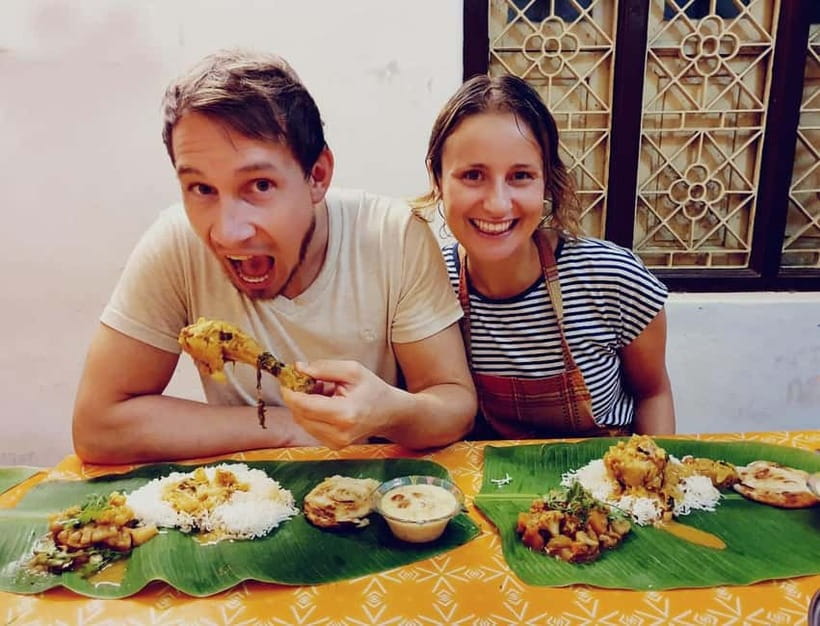
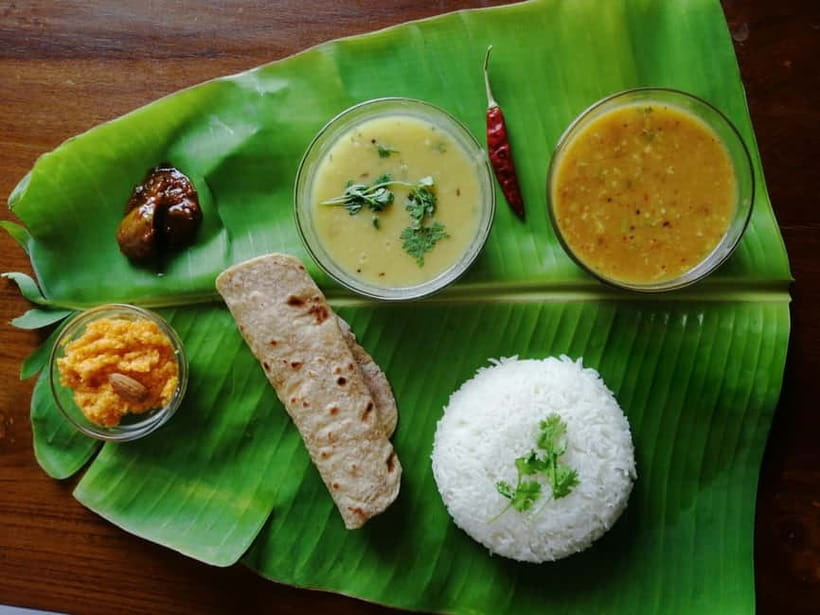
You don’t just eat as a checkbox. The class culminates in a meal in the garden, where you sit with the group and enjoy what you prepared.
This matters because it turns cooking into a complete loop:
1) Learn ingredients
2) Cook with guidance
3) Eat immediately, while the steps are still fresh
That timing helps you connect taste to technique. If your sambar comes out thick or thin, you remember which pot moment you think caused it. If the dessert tastes too sweet or not sweet enough, you can trace it to the sugar timing.
In one booking, the food was served on a banana leaf, which feels very local and also adds a fun tactile element to the meal. You might see similar presentation choices depending on the session.
Either way, garden dining is where the class turns social without getting awkward. Conversations come naturally—mostly around what you cooked, how it tasted, and what you’d tweak next time.
Price and Value: What $24 Buys in Real Skills
At about $24 per person for a 3-hour experience, the value is in what’s included:
- All ingredients and materials
- Transport and market visit (by autorickshaws for that part of the day)
- Your lunch/dinner, prepared by you
- An e-booklet sent afterwards
So you’re paying for (1) guided buying, (2) instructor-led cooking, (3) the food itself, and (4) take-home recipes. The only notable extra is that transport to/from the cooking class location isn’t included, so plan for that.
When you compare it to the cost of eating a similar meal at a restaurant, the ingredient-and-instruction part is the difference. Cooking classes can be expensive when they’re mostly watching. Here, you’re cooking. You’re learning real technique. That’s where the money goes.
If you have a short time in Pondicherry and you want one activity that gives you both local context and a practical takeaway, this price range is hard to beat.
Instructor Language and Small-Group Reality
The instructors speak English, Hindi, and French. That’s excellent if you can match your language preference, but do pay attention when booking.
One booking highlighted an issue: French was selected, but the class ran in English instead. The group happened to speak English well enough, but it’s a reminder to verify what language you’ll actually get. If language matters for you—especially when learning spice technique and recipe steps—double-check the selected option before you go.
Also remember: this is a small group (up to 10). That’s a good thing. It usually means fewer crowds, more interaction, and faster help if your chopping skills are still waking up.
Who This Cooking Class Fits Best (and Who Might Skip It)
This experience is ideal if you:
- Want hands-on Indian cooking rather than a lecture
- Like the idea of learning ingredients through a market visit
- Are open to spicy, aromatic food and learning spice use
- Want a menu choice that can fit vegetarian, non-vegetarian, or vegan preferences
- Prefer small groups and guided discussion
It may be less ideal if you:
- Have very strict expectations about kitchen space and hygiene (one past booking raised concerns)
- Strongly need a particular language and can’t handle a mismatch
- Are coming only for “food tasting” and not for cooking
Age-wise, kids above 6 are welcome, but it’s not suitable for children under 6. One family booking noted kids in their early teens loved participating alongside adults, which suggests the class can work well for older children.
Practical packing: comfortable clothes and a camera. And note that smoking isn’t allowed during the session.
Should You Book This Pondicherry Cooking Class?
Yes, I’d book it if you want a practical Pondicherry food experience that goes beyond eating. The mix of a guided market tour, a small-group cooking session where you cook about four chosen recipes, and an end meal in the garden is a solid learning combo—especially for the included ingredients, transport to the market, and the e-booklet you get afterward.
I’d think twice or at least confirm details first if you’re sensitive to kitchen comfort or hygiene standards, or if language is a must-have for you. If you’re unsure, ask ahead about the session setup and confirm the language you’ll receive.
If you show up with dietary needs clearly stated, a camera ready for ingredient photos, and an open mind about spices and regional dishes, you’re likely to leave with a skill you can use long after your Pondicherry days are over.
FAQ
How long is the Indian cooking class in Pondicherry?
It runs for 3 hours.
How much does the class cost?
The price is about $24 per person.
What’s included in the price?
You get all ingredients and materials, transport and the market visit via autorickshaws, the lunch/dinner you prepare, and an e-booklet sent afterwards.
What languages are available?
The instructor can teach in English, Hindi, or French.
Can I choose between vegetarian, non-vegetarian, and vegan meals?
Yes. You can choose recipes that fit vegetarian, non-vegetarian, and vegan preferences.
Roughly how many recipes will I cook?
The class is structured around cooking about 4 recipes of your choice.
Is transportation to and from the cooking class included?
No. Transport to/from the cooking class location is not included.
Is there an age limit?
Kids above 6 years are welcome, but it’s not suitable for children under 6.
What should I bring and what’s not allowed?
Bring a camera and wear comfortable clothes. Smoking isn’t allowed.